
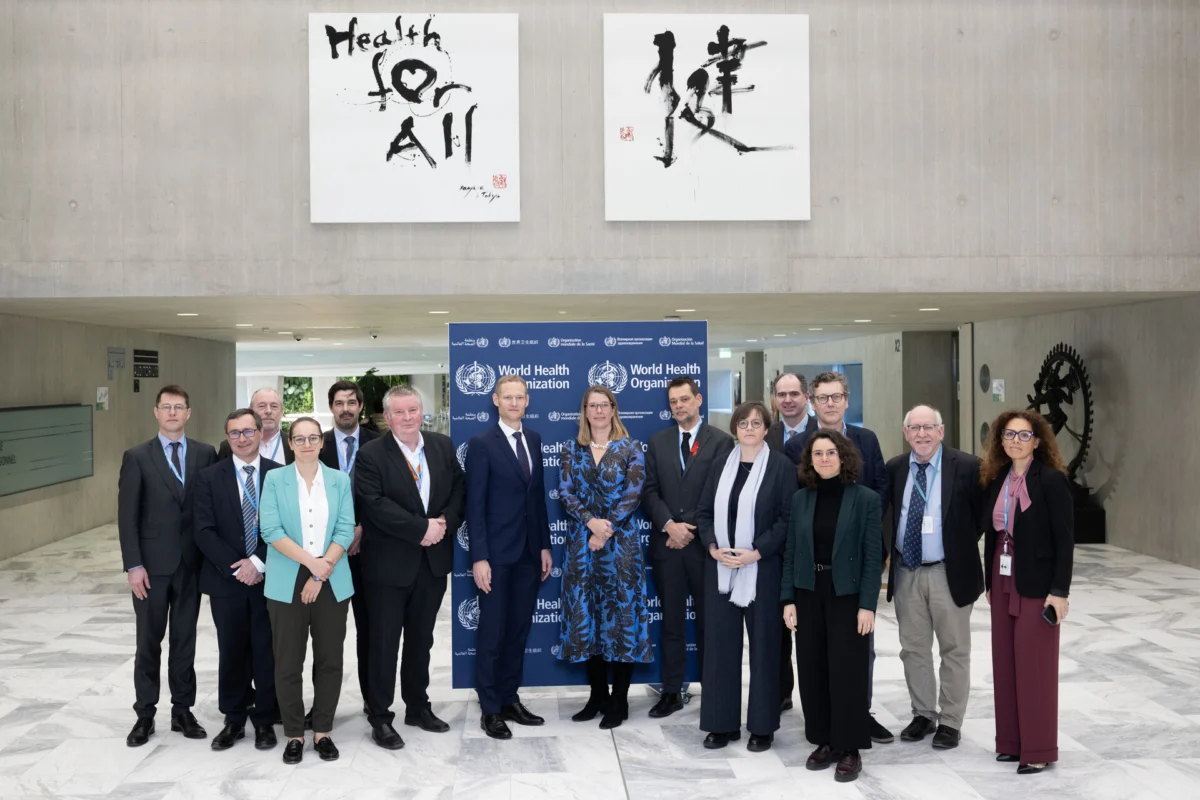
The Kingdom of Belgium and the World Health Organization (WHO) have concluded a pivotal three-day strategic dialogue in Geneva, marking a significant milestone in their long-standing partnership aimed at reshaping the global health landscape. From March 2 to March 5, 2025, high-level delegates from the Belgian federal government, alongside representatives from the Flemish and Walloon regional governments, convened with WHO leadership and technical experts. This intensive series of consultations focused on aligning Belgium’s international development priorities with the WHO’s 14th General Programme of Work (GPW14), with a specific emphasis on bolstering universal health coverage (UHC), strengthening health systems, and ensuring equitable access to medical countermeasures.
A Legacy of Cooperation in a Changing Global Landscape
The relationship between Belgium and the WHO has historically been characterized by consistent financial support and a commitment to multilateralism. This latest dialogue served as a platform to evaluate the efficacy of existing programs, particularly in the wake of the 2024 Belgian Presidency of the Council of the European Union, which prioritized global health as a core component of European external policy.
The delegation, led by H.E. Christophe Payot, Ambassador of Belgium to the United Nations and other international organizations in Geneva, sought to navigate the complexities of the current global health environment. As the world continues to recover from the shocks of the COVID-19 pandemic, the dialogue provided a necessary forum to reconcile national development cooperation strategies with the urgent, systemic needs of the global health architecture. For Belgium, this collaboration is not merely transactional; it is an ideological commitment to the belief that regional stability is inextricably linked to global health security.
Chronology of the Strategic Dialogue
The three-day engagement was meticulously structured to address both operational successes and future policy frameworks:
- Day 1: Evaluation of Access and Infrastructure: The sessions commenced with a deep dive into the "Access to Medicines" program, a cornerstone of Belgian-funded initiatives. Technical experts presented field data from Senegal, illustrating the complexities of local supply chains and the importance of market-shaping policies to ensure that essential medicines reach the most vulnerable populations.
- Day 2: Health Emergencies and Pandemic Preparedness: The focus shifted to the global architecture for health security. Discussions centered on the ongoing negotiations regarding the Pandemic Agreement and the integration of the "One Health" approach—a multidisciplinary strategy recognizing the interconnectedness of human, animal, and environmental health. The session included a briefing on WHO’s emergency operations in Gaza, serving as a stark reminder of the challenges inherent in providing healthcare in active conflict zones.
- Day 3: UHC, Sustainability, and Future Strategy: The final day was dedicated to the UHC-Partnership and the alignment of country-level programs. Discussions explored how to better harmonize WHO country office activities with Belgium’s bilateral cooperation programs in nations such as the Democratic Republic of Congo and Mozambique. The dialogue concluded with a forward-looking session on the renewed WHO-Belgium Country Cooperation Strategy.
Analyzing the Pillars of the Partnership
Accelerating Equitable Access to Medical Countermeasures
A central theme of the dialogue was the sustainability of medical supply chains. Belgium has been a significant contributor to the WHO’s initiatives aimed at local production of vaccines and medicines. Analysis presented during the meeting highlighted that for local production to be viable in emerging markets, it must be supported by long-term market-shaping initiatives. Without these, local manufacturers often struggle to compete with established global exporters. The success of the Senegal pilot program is now being viewed as a blueprint for other regions, though experts noted that regulatory harmonization remains a significant hurdle.
Strengthening Pandemic Resilience and One Health
The dialogue addressed the mounting biological risks posed by zoonotic diseases—illnesses transmitted from animals to humans. With the acceleration of climate change and urbanization, the frequency of such outbreaks is projected to rise. The Belgian delegation expressed strong support for the WHO’s efforts to formalize the One Health framework, which advocates for integrated surveillance systems that monitor wildlife, livestock, and human health simultaneously. This preventative approach is intended to mitigate risks before they escalate into global pandemics.
The Evolution of Universal Health Coverage (UHC)
The UHC-Partnership, which has been active since 2021, remains the most tangible link between Belgian funding and grassroots health reform. By focusing on primary health care (PHC) as the foundation of resilient health systems, the program aims to ensure that mental health services and basic diagnostics are accessible to all. The review of the 2021-2024 period revealed that while significant progress has been made in strengthening institutional capacity in partner countries, there is a clear need for increased focus on the mental health component of primary care, a policy area that has seen renewed emphasis in the WHO’s recent strategic planning.
Official Statements and Institutional Perspectives
The dialogue served as a venue for both sides to reaffirm their mutual reliance. Dr. Catharina Boehme, Assistant Director-General for External Relations and Governing Bodies at the WHO, praised the multifaceted nature of the Belgian involvement. "We thank you for your support, honesty, and strong engagement for global health," Dr. Boehme remarked. She highlighted that Belgium’s willingness to engage not just as a federal entity, but through its regional governments, allows for a more granular and effective implementation of health policies on the ground.

From the Belgian perspective, the partnership is viewed as a vital investment in a stable international order. Mr. Koen Van Acoleyen, Minister Counselor at the Permanent Representation of Belgium to the UN, emphasized the importance of transparency in this relationship. "After listening to the leaders and experts of WHO, we now better understand how they are navigating these challenging times," he stated. "We are honoured that we can walk this road together."
Mr. Dirk Brems, Director of Thematic and Multilateral Cooperation, further highlighted the importance of this alignment for future development aid. "We recognize WHO as a trustworthy partner in global health. We felt proud hearing how crucial our support is to the Organization and how it is having a positive impact at country, regional, and global levels," Brems noted, adding that as the world moves into "uncharted territories" of biological and geopolitical risk, sustained multilateralism is the only viable path forward.
Broader Impact and Global Implications
The reinforced collaboration between Belgium and the WHO comes at a time when the multilateral system is under significant strain. By aligning their strategies, the two partners are attempting to set a standard for how middle-power nations can exert influence in global health governance.
The focus on the 14th General Programme of Work (GPW14) indicates that both parties are looking toward a more integrated future. The prioritization of UHC within GPW14 is not merely an administrative choice; it is a strategic response to the realization that health systems are the first line of defense against both endemic diseases and future pandemics.
Furthermore, the emphasis on evidence-based approaches in neglected tropical diseases (NTDs) and sexual and reproductive health and rights (SRHR) signals that Belgium intends to maintain a values-driven approach to its foreign aid. By anchoring these sensitive topics in clinical evidence and data-driven outcomes, the partnership aims to depoliticize essential health services, ensuring they remain available even in politically volatile environments.
The Road Ahead: Future Cooperation
As the dialogue concluded, the conversation turned toward the renewal of the WHO-Belgium Country Cooperation Strategy. This document will serve as the roadmap for the coming years, dictating where resources will be allocated and which thematic areas will receive priority funding.
The consensus reached in Geneva suggests a shift toward more flexible, multi-year agreements. This transition is designed to allow the WHO to respond more rapidly to emerging health crises without the administrative delays associated with short-term, project-specific funding. By fostering this level of adaptability, Belgium and the WHO are positioning themselves to be more resilient, agile, and effective in their shared mission to uphold the right to health for all, regardless of geographic or socioeconomic barriers.
The success of these three days underscores that while the challenges to global health are vast, the commitment to institutional collaboration remains a primary driver of progress. As Belgium continues its role as a key European donor and advocate for multilateralism, its partnership with the WHO will likely serve as a model for how high-income nations can effectively support the systemic strengthening of global health, ensuring that the world is better prepared for the uncertainties of the next decade.
