
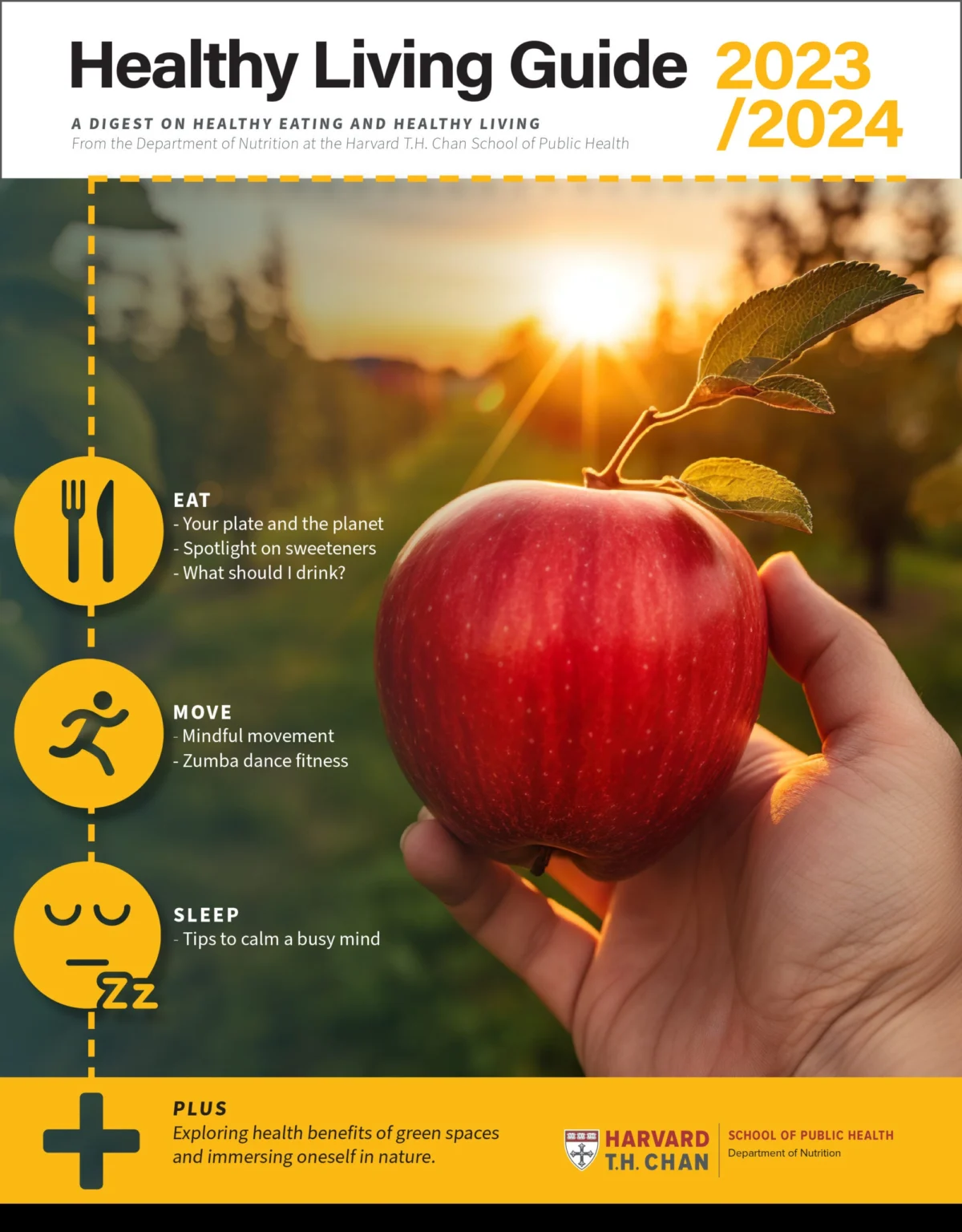
The Department of Nutrition at Harvard T.H. Chan School of Public Health has unveiled its fourth annual Healthy Living Guide, marking a significant evolution in its approach to public health education. This year’s guide, released at the dawn of 2024, prominently features the integration of mindfulness principles into healthy eating and living practices, a theme directly influenced by the recent establishment of the Thich Nhat Hanh Center for Mindfulness in Public Health. The guide aims to provide actionable insights and research-backed information on nutrition, physical activity, and sleep, with a particular emphasis on the interconnectedness of individual well-being and the health of the planet.
The Rise of Mindfulness in Public Health: A New Focus for 2024
The launch of the Thich Nhat Hanh Center for Mindfulness in Public Health in 2023 represents a pivotal moment for the Department of Nutrition. The Center is dedicated to exploring and applying mindfulness techniques to foster well-being not only at the individual level but also across broader populations and on a global scale. This initiative underscores a growing recognition within public health that mental and emotional states play a crucial role in physical health outcomes. Mindful eating, in particular, is identified as a cornerstone of the Center’s research, examining its potential to influence dietary choices, reduce food waste, and promote more sustainable food systems.
This emphasis on mindfulness is woven throughout the 2024 Healthy Living Guide. Readers will encounter discussions on how mindful awareness can enhance the appreciation of food, improve digestion, and cultivate a more balanced relationship with eating. The guide posits that by fostering a deeper connection to our food and the process of eating, individuals can make more conscious and healthier choices, moving away from impulsive or stress-driven consumption patterns. This approach aligns with the broader philosophy of mindfulness, which encourages present-moment awareness without judgment, a practice that can be powerfully applied to the act of nourishing oneself.
The establishment of the Thich Nhat Hanh Center itself is a testament to a growing interdisciplinary approach in public health. By bringing together expertise in nutrition, psychology, and contemplative practices, the Center aims to develop evidence-based interventions that can be scaled for widespread impact. This strategic move positions Harvard’s Department of Nutrition at the forefront of a burgeoning field that seeks to address complex health challenges through a holistic lens, acknowledging the intricate interplay between our internal states and our external environments.
Key Research Highlights and Practical Guidance
Beyond the overarching theme of mindfulness, the 2024 Healthy Living Guide presents a comprehensive overview of current research and practical advice across its established categories: nutrition, physical activity, and sleep.
Nutrition: Decoding Ultra-Processed Foods and Their Impact on Mental Health
A significant focus within the nutrition section addresses the latest findings on ultra-processed foods (UPFs) and their complex relationship with mental health. UPFs, characterized by their extensive processing and often long ingredient lists with additives, have been increasingly scrutinized for their potential negative health consequences. Emerging research suggests a correlation between high consumption of UPFs and an increased risk of mental health issues, including depression and anxiety.
The guide delves into the mechanisms by which UPFs might exert these effects. These include potential impacts on the gut microbiome, inflammation pathways, and the displacement of nutrient-dense whole foods from the diet. For instance, studies have indicated that UPFs can alter the balance of gut bacteria, which in turn communicates with the brain via the gut-brain axis, influencing mood and cognitive function. Furthermore, the high sugar and unhealthy fat content in many UPFs can contribute to systemic inflammation, a known factor in the development of depressive disorders.
The guide offers practical strategies for individuals to reduce their intake of UPFs. This includes encouraging a greater reliance on whole, unprocessed foods such as fruits, vegetables, whole grains, lean proteins, and healthy fats. It provides tips for label reading, identifying common UPF ingredients, and making healthier choices when dining out or preparing meals at home. The emphasis is on empowering individuals with the knowledge to make informed decisions about their food choices, fostering a proactive approach to nutritional health that supports both physical and mental well-being.
Physical Activity: The Rhythmic Power of Zumba and Moving to the Beat
The physical activity section of the guide explores the benefits of incorporating enjoyable and accessible forms of exercise into daily routines. This year, the guide highlights the popularity and effectiveness of Zumba, a dance fitness program that combines high-energy music with choreographed movements inspired by Latin and international dance.
Zumba’s appeal lies in its ability to make exercise feel less like a chore and more like a party. The guide discusses the physiological benefits of such aerobic activities, including improved cardiovascular health, enhanced stamina, and calorie expenditure. Beyond the physical, the social aspect of Zumba classes, often conducted in group settings, can contribute to improved mood and reduced stress through social interaction and the release of endorphins.
The guide also touches upon the broader concept of "turning up the tunes and moving," suggesting that any form of enjoyable movement, set to music, can be a powerful tool for promoting physical activity. This encourages individuals to find their own rhythm and movement styles that resonate with them, whether it’s dancing in their living room, joining a Zumba class, or simply moving to their favorite playlist. The underlying message is that consistency and enjoyment are key to long-term adherence to physical activity goals.
Sleep: Understanding Chronotypes and Optimizing Rest
The vital role of sleep in overall health is a recurring theme, and this year’s guide delves into the concept of "chronotypes" and their implications for health. A chronotype refers to an individual’s natural inclination to sleep and wake at certain times, often categorized as "early birds" (larks) or "night owls."
The guide explains that understanding one’s chronotype can be instrumental in optimizing sleep patterns and, consequently, improving health outcomes. While societal structures often favor a typical daytime schedule, forcing individuals with a pronounced "night owl" chronotype to adhere to early wake-up times can lead to chronic sleep deprivation and associated health risks. These risks can include impaired cognitive function, weakened immune systems, increased susceptibility to chronic diseases like diabetes and obesity, and a higher likelihood of mood disorders.
The guide provides evidence on how aligning daily schedules with one’s natural chronotype can lead to better sleep quality and improved overall health. It offers strategies for individuals to identify their chronotype and make adjustments to their routines where possible, such as advocating for flexible work or study schedules or optimizing evening routines to facilitate earlier sleep onset for those who are naturally inclined to sleep later. The discussion emphasizes that a one-size-fits-all approach to sleep timing is not optimal and that personalized strategies are crucial for achieving restful and restorative sleep.
The Chronology of Healthy Living Initiatives at Harvard Nutrition
The Healthy Living Guide has evolved over the past four years, reflecting a dynamic and responsive approach by the Department of Nutrition to emerging scientific evidence and public health needs.
- 2021-2022 Edition: This inaugural guide likely laid the foundational principles of healthy eating and living, focusing on core nutritional guidelines, the importance of regular physical activity, and the fundamental role of adequate sleep. The initial release would have aimed to establish a reliable source of evidence-based information for the public.
- 2022-2023 Edition: Building upon the foundation, this edition likely incorporated more nuanced research and expanded on specific dietary patterns or exercise modalities. The mention of accessing this edition for quiz answers suggests it was a comprehensive resource, potentially including early explorations into the psychological aspects of health.
- 2023: Launch of the Thich Nhat Hanh Center for Mindfulness in Public Health: This event marked a significant strategic shift, signaling a deeper commitment to integrating mindfulness into public health research and practice. The Center’s focus on mindful eating and its population-level impact would have directly influenced the direction of subsequent publications.
- 2023-2024 Edition: The current guide, directly influenced by the Center’s launch, prominently features mindfulness. It incorporates research on UPFs and mental health, the motivational aspects of dance fitness like Zumba, and the personalized approach to sleep through chronotype understanding. This edition represents a more integrated and holistic view of health, acknowledging the interplay of mind, body, and environment.
This chronological progression illustrates Harvard’s Department of Nutrition’s commitment to staying at the cutting edge of health science, adapting its outreach to reflect new discoveries and evolving societal needs.
Broader Impact and Implications: A Holistic Approach to Well-being
The integration of mindfulness into the Healthy Living Guide signifies a move towards a more holistic understanding of health and well-being. This approach has several far-reaching implications:
- Empowerment of Individuals: By emphasizing mindful practices, the guide empowers individuals to take a more active and conscious role in their health journey. This shifts the focus from simply adhering to external rules to cultivating internal awareness and self-regulation.
- Addressing Root Causes: Mindfulness-based interventions, particularly in eating, can address some of the root causes of unhealthy behaviors, such as emotional eating, stress-related overeating, and a disconnect from bodily hunger and satiety cues.
- Sustainability and Planetary Health: The guide’s connection between mindful eating and planetary health is crucial. Mindful consumption can lead to reduced food waste, more conscious purchasing decisions favoring sustainable options, and a greater appreciation for the resources involved in food production. This aligns with global efforts to promote sustainable living and combat climate change.
- Public Health Interventions: The research conducted by the Thich Nhat Hanh Center has the potential to inform the development of scalable public health interventions. By demonstrating the effectiveness of mindfulness in improving population health outcomes, it can pave the way for its integration into community programs, educational curricula, and healthcare systems.
- Mental Health Integration: The focus on UPFs and mental health underscores the increasing recognition of the strong link between diet and mental well-being. This integration encourages a more comprehensive approach to healthcare that addresses both physical and mental health concurrently.
Official Statements and Expert Perspectives
While specific direct quotes from individuals involved in the guide’s creation are not provided in the original article snippet, the content itself implies a strategic vision from the Department of Nutrition. The establishment of the Thich Nhat Hanh Center for Mindfulness in Public Health, a significant undertaking, suggests strong leadership and a commitment from within Harvard to advance this field.
One can infer that the leadership within the Department of Nutrition and the newly formed Center views mindfulness not as a fleeting trend but as a fundamental component of a sustainable and effective approach to public health. The inclusion of research on UPFs, physical activity, and sleep indicates a commitment to evidence-based practices, ensuring that the guide’s recommendations are grounded in scientific rigor. The guide’s release at the start of a new year also serves as a strategic touchpoint, capitalizing on public interest in health and self-improvement.
Looking Ahead: A Mindful Path to a Healthier Future
The 2024 Healthy Living Guide from Harvard’s Department of Nutrition represents a forward-thinking approach to public health education. By embracing mindfulness as a central tenet, alongside robust scientific research on nutrition, physical activity, and sleep, the guide offers a comprehensive and integrated pathway towards improved well-being. The emphasis on mindful eating, the exploration of UPFs’ impact on mental health, the celebration of joyful movement, and the understanding of individual sleep patterns collectively contribute to a more nuanced and effective strategy for promoting healthier lives, not just for individuals, but for communities and the planet as a whole. The commitment to research and accessible guidance positions this guide as a valuable resource for anyone seeking to cultivate a more fulfilling and healthy existence in the year ahead and beyond.
The downloadable printable Healthy Living Guide (PDF) is available for those who wish to access the full content, including printable tip sheets and summaries. Links to the full online articles are also provided, ensuring broad accessibility to the wealth of information presented. This initiative by Harvard’s Department of Nutrition underscores a dedication to disseminating critical health knowledge and fostering a culture of informed, mindful living.
