
The landscape of sustainable food innovation continues to evolve at a rapid pace, with new products, strategic partnerships, and significant policy developments shaping the industry. This week’s Future Food Quick Bites column highlights a range of advancements, from improved dairy-alternative frothing technology to regulatory shifts and breakthroughs in cellular agriculture and plant-based protein.
New Product Launches and Market Expansions
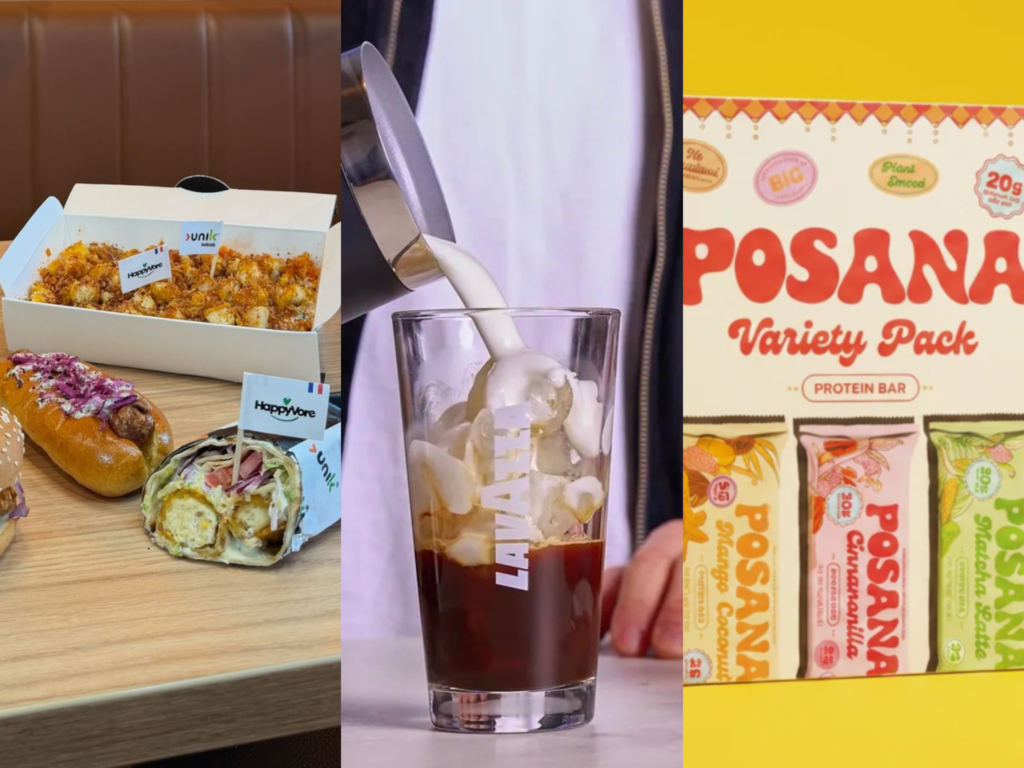
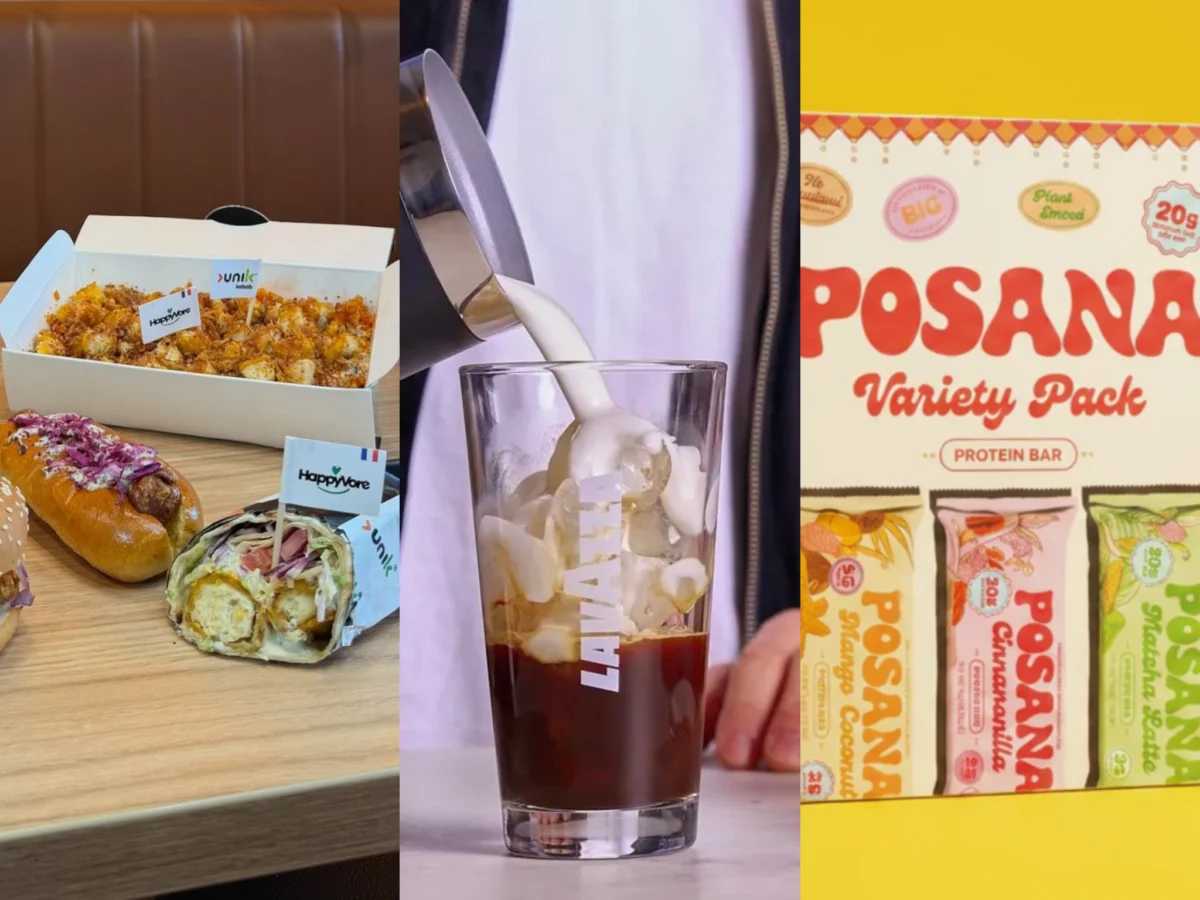
Italian coffee behemoth Lavazza has entered the burgeoning plant-based beverage market with the introduction of MilkEasy Plus, a sophisticated milk frother engineered to produce café-quality foam from both traditional dairy and a wide array of plant-based milk alternatives. This innovation aims to bridge the gap between home brewing and professional barista standards, a crucial step for consumers increasingly opting for dairy-free coffee experiences. The MilkEasy Plus has garnered an endorsement from Alpro, a leading global brand in plant-based foods and drinks, signaling a significant synergy between equipment manufacturers and ingredient innovators. This collaboration suggests a shared vision for enhancing the appeal and accessibility of plant-based beverages, particularly in the at-home coffee preparation segment. The ability to consistently achieve rich, stable foam is often a challenge for plant-based milks, and Lavazza’s new device appears to address this directly, potentially driving further adoption of dairy alternatives in the coffee sector.
In the realm of convenient, high-protein snacks, U.S. startup Once Again has launched a line of nut butter spread packets. These single-serving pouches offer a practical solution for consumers seeking on-the-go nutrition. Available in popular varieties such as peanut, chocolate-peanut, sunflower, and almond butter, each packet delivers a substantial 8 grams of plant-based protein. This focus on protein content aligns with growing consumer demand for functional foods that support active lifestyles and satiety. The availability of these packets at major retailers like Whole Foods Market and on Amazon, priced at $1.49 each, indicates a strategic approach to market penetration and accessibility for this innovative format.
Juice Plus, another U.S.-based company, has expanded its plant-based nutrition portfolio with the release of a strawberry-flavored complete nutrition shake. This new offering is formulated to provide comprehensive nutritional support, boasting 14 grams of plant-based protein, 8 grams of dietary fiber, and a mere 1 gram of added sugar, all within a 100-calorie serving. The shake also comes fortified with essential vitamins and minerals, positioning it as a convenient and healthy option for meal replacement or a nutritional boost. The emphasis on high fiber and low added sugar addresses key consumer health concerns, while the inclusion of a broad spectrum of micronutrients underscores its role as a complete nutritional solution.

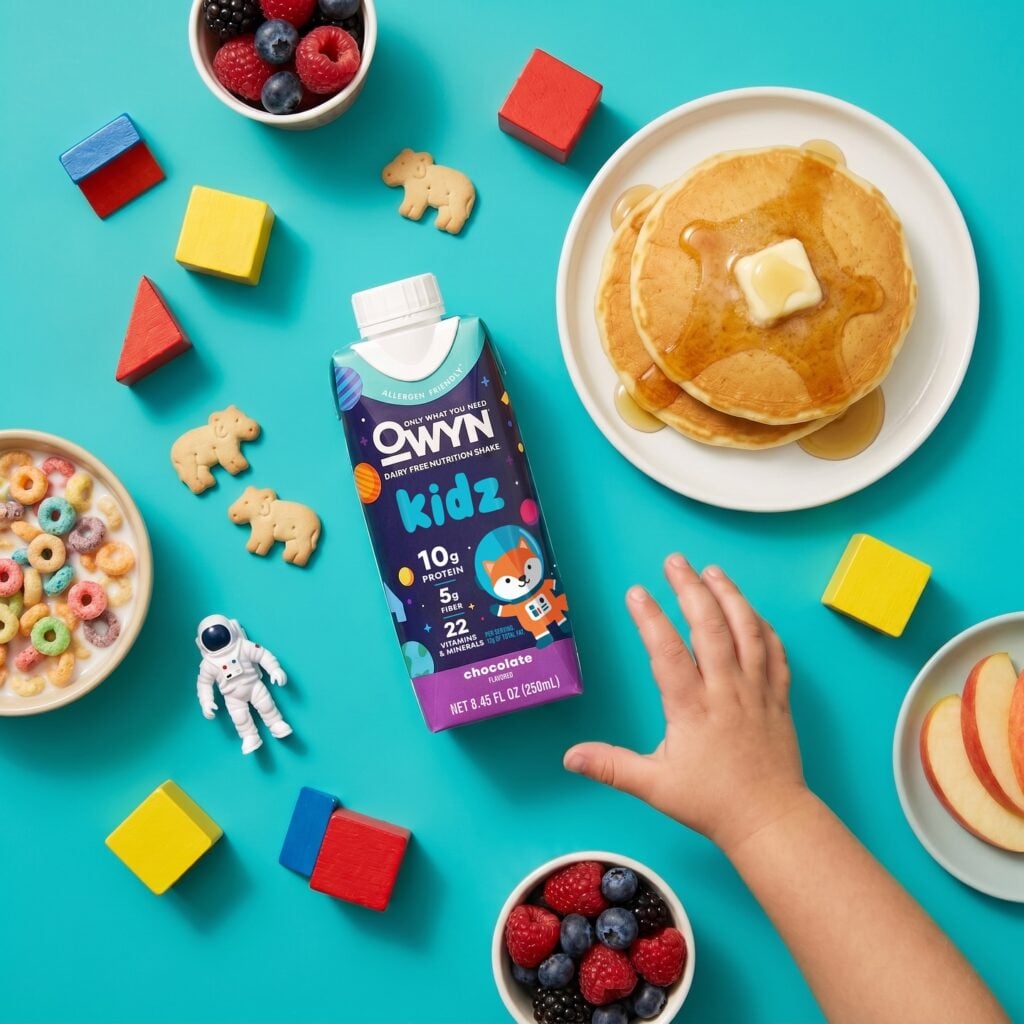
Owyn, a startup specializing in plant-based protein drinks, has introduced a chocolate-flavored nutrition shake specifically designed for children. This product features a robust nutritional profile, providing 10 grams of protein derived from a blend of peas, brown rice, and flax seeds. Additionally, each 250ml bottle contains 5 grams of fiber and a comprehensive blend of 22 vitamins and minerals. The development of specialized nutritional products for children, particularly those plant-based and fortified, reflects a growing market segment catering to parents seeking healthier and more sustainable options for their families. The careful selection of protein sources aims to offer a complete amino acid profile, essential for pediatric development.
Further expanding the plant-based protein market, Grounded’s dairy-free chocolate and mint chocolate shakes have achieved widespread distribution across all 477 Whole Foods Market stores in the United States. This significant retail expansion marks a pivotal moment for the brand, elevating its visibility and accessibility to a national consumer base. The rapid growth of plant-based protein options in mainstream grocery channels underscores the increasing consumer acceptance and demand for these alternatives.
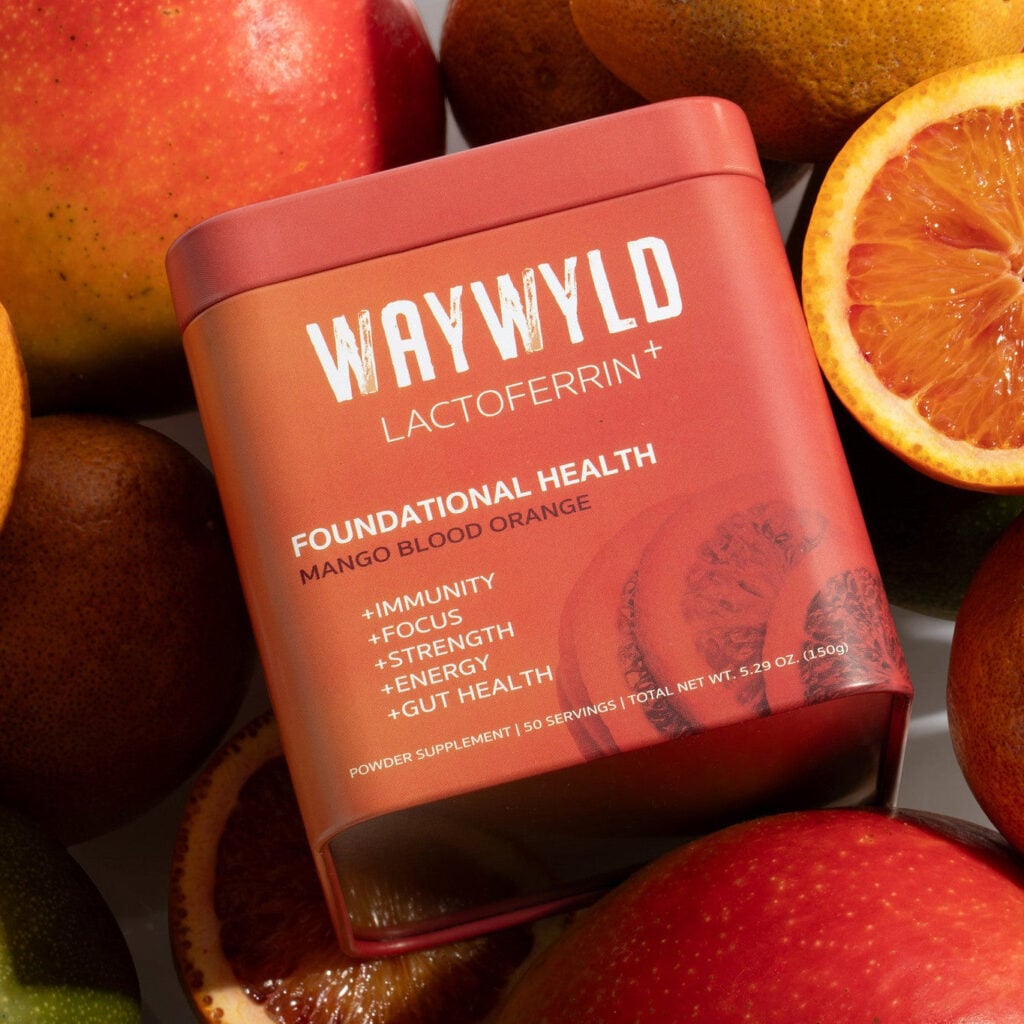
In a notable development in the realm of precision fermentation, Waywyld has launched a lactoferrin powder in the U.S. market. This product utilizes TurtleTree’s animal-free LF+ protein, produced through precision fermentation. Lactoferrin is a protein known for its immune-boosting properties, and its availability in an animal-free form opens new avenues for dietary supplements and functional foods. The product is available for $90 per 150g jar, containing 50 servings, and is sold through Waywyld’s website. This launch signifies a maturing of the precision fermentation sector, moving beyond basic dairy proteins to more complex and functional bioactives.
Create Wellness, a company that recently secured $20 million in Series B funding, has introduced a limited-edition sour grape flavor for its plant-based creatine gummy. This expansion into flavor innovation within the supplement market demonstrates a strategic effort to enhance consumer appeal and broaden the product’s market reach. The gummies, priced at $60 per tub of 90, are available on the company’s website and Amazon. Creatine is a popular supplement for athletic performance, and its formulation in a plant-based gummy format caters to a growing segment of health-conscious consumers seeking convenient and effective performance enhancers.
International Market Moves and Collaborations
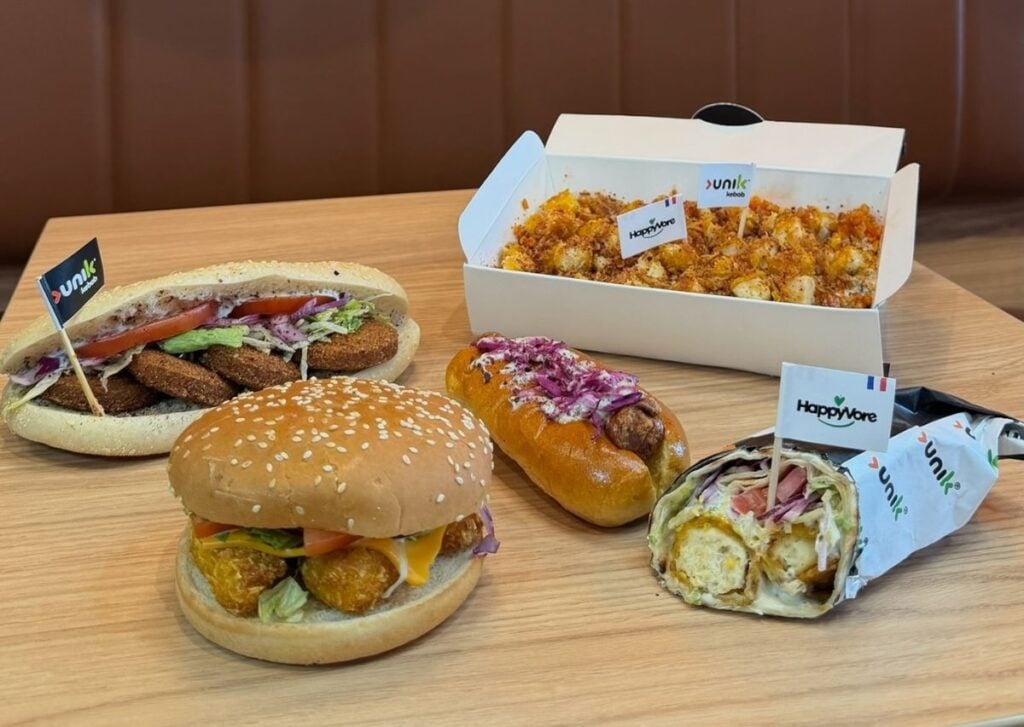
Across the Atlantic, HappyVore, recognized as France’s leading plant-based meat brand, has made a significant entry into the European foodservice sector through a collaboration with Unik Kebab restaurants. HappyVore’s meat alternatives are now featured on the Unik Kebab menu in several formats, including burgers, wraps, and a viral "crousty" chicken tender offering. This partnership highlights the increasing integration of plant-based proteins into traditional fast-casual dining experiences, signaling a mainstream acceptance and demand for these options within popular culinary outlets. The success of HappyVore in its home market of France, with its strong emphasis on French culinary traditions, is now being replicated in broader European markets, suggesting a transferable appeal of its product portfolio.
In the United Kingdom, the clean-label plant-based milk brand Rude Health has expanded its retail footprint by entering Asda stores. This move follows a reported 50% increase in sales for Rude Health’s chilled portfolio, with the overall business experiencing 19% year-on-year growth. The inclusion of their calcium-fortified oat and almond milks in a major UK supermarket chain underscores the sustained consumer interest in plant-based dairy alternatives and Rude Health’s strong market performance. This expansion into a value-driven retailer like Asda suggests an effort to capture a broader demographic of consumers seeking both quality and affordability in their plant-based choices.
Company and Finance Updates
Canadian startup BioHarvest Sciences has been awarded a substantial $1.4 million grant from the Israeli Innovation Authority. This funding will support a new initiative aimed at accelerating BioHarvest’s plant cell culture programs through the integration of advanced data science, machine learning, computer vision, and high-throughput digital sensing technologies. This investment highlights the growing recognition of the potential of plant cell technology for sustainable ingredient production and the increasing application of AI and data analytics in agricultural and biotechnological research. The grant signifies a commitment to pushing the boundaries of cellular agriculture and leveraging cutting-edge technologies for innovation.
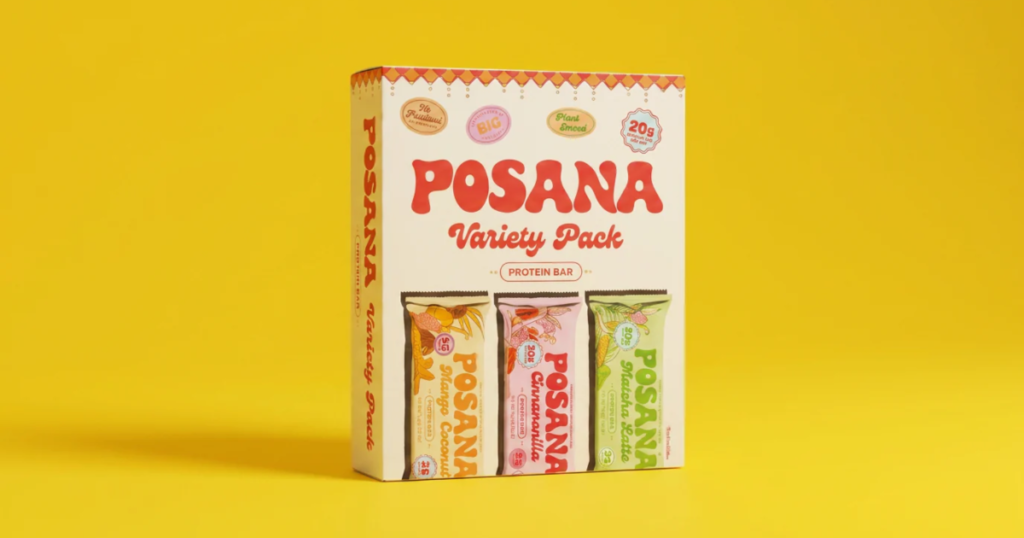
Californian firm Posana has successfully secured $650,000 in an oversubscribed pre-seed funding round. The startup focuses on plant-based protein products, including bars made from a blend of pea, rice, and almond proteins, alongside almond butter, chicory root fiber, and pea protein crisps. This significant funding influx indicates strong investor confidence in Posana’s business model and its potential to capture a share of the rapidly growing plant-based protein market. The company’s product formulation, combining multiple plant-based protein sources and fiber, aims to deliver a comprehensive nutritional profile that appeals to health-conscious consumers.
A notable personnel change has occurred at French plant-based meat startup La Vie. Romain Jolivet, co-founder and Chief Marketing Officer, announced his departure from the company, effective September. While stepping down from his operational role, Jolivet expressed his intent to remain closely connected to the team and the brand. Such transitions are common in the dynamic startup ecosystem and often reflect evolving strategic directions or individual career aspirations. La Vie’s continued progress in the competitive plant-based meat sector will be closely watched as it navigates this leadership change.
New Zealand-Portuguese startup Nutrition From Water has appointed Leon Coolen, a former executive from FrieslandCampina and Thai Union, as its Commercial Director for the EMEA region. This strategic hire signals the company’s ambition for international expansion and its focus on strengthening its commercial operations in key global markets. Coolen’s extensive experience in the food industry is expected to be instrumental in driving growth and market penetration for Nutrition From Water’s innovative products.
In a somber development, Portuguese cultivated seafood firm Cell4Food, which had been targeting octopus as its initial product, has ceased operations. The company’s closure, attributed to potential funding difficulties, serves as a stark reminder of the significant capital investment and market challenges inherent in pioneering new food technologies like cultivated meat and seafood. The high costs associated with research, development, and scaling production can present formidable barriers to entry and sustained growth.
Policy and Research Developments
The U.S. Food and Drug Administration (FDA) has postponed the publication of its long-awaited proposed rule concerning the self-affirmed Generally Recognized as Safe (GRAS) pathway for food approvals. The rule, which aims to eliminate this pathway, is now anticipated in December. This delay has significant implications for the food industry, particularly for companies relying on the self-affirmed GRAS process for introducing novel ingredients and products. The GRAS system allows companies to declare a substance safe for use in food without direct FDA premarket review, a process that has been criticized by some as lacking sufficient oversight. The potential elimination or modification of this pathway could lead to more stringent regulatory requirements and longer approval timelines for new food ingredients, impacting innovation and market entry. The FDA’s proposed shift suggests a move towards greater transparency and a more robust safety evaluation framework for the food supply.

New York-based C16 Biosciences has released a comprehensive data package detailing the efficacy of its Palmless Torula Oil. This product is presented as a deforestation-free alternative to problematic fats like palm oil, which are often associated with significant environmental degradation. The detailed efficacy data is crucial for building confidence among potential customers in the cosmetics and food industries, demonstrating that the sustainable alternative offers comparable or superior performance. The company’s focus on creating sustainable ingredients addresses a critical need for environmentally conscious solutions in various manufacturing sectors.
Singapore’s Republic Polytechnic has joined the APAC Society for Cellular Agriculture as a strategic member. This affiliation places the educational institution alongside a network of international future food startups and organizations, fostering collaboration and knowledge exchange within the burgeoning cellular agriculture sector. By engaging with industry leaders and innovators, Republic Polytechnic aims to advance research, education, and the development of skilled talent in this critical area of food technology.
The European Patent Office has recognized Angeliki Triantafyllou, a Greek-Swedish food scientist, with the European Inventor Award 2026 in the Industry category. Triantafyllou developed Oatly’s groundbreaking oat protein process, an enzymatic method that significantly enhances the stability, taste, and overall functionality of oat milk. This award highlights the importance of scientific innovation in developing sustainable and high-performing plant-based alternatives. The patented enzymatic process is a key differentiator for Oatly, contributing to its global success and market leadership in the oat milk category.

In a significant advancement in molecular farming, researchers at the Hebrew University of Jerusalem, in collaboration with New Zealand molecular farming startup Miruku, have successfully demonstrated the growth of beta-casein protein within Arabidopsis seeds. The most effective plant variants achieved a beta-casein content of 1.26% of total soluble seed protein. This breakthrough represents a crucial step towards producing dairy proteins without the need for animal agriculture, offering a potentially more sustainable and scalable method for generating essential milk components. Molecular farming, which uses plants as bio-factories, holds immense promise for the future of food production, potentially reducing land use, water consumption, and greenhouse gas emissions associated with traditional animal husbandry. The ability to express specific milk proteins like beta-casein in plants opens doors for creating animal-free dairy products with improved nutritional and functional properties.
