

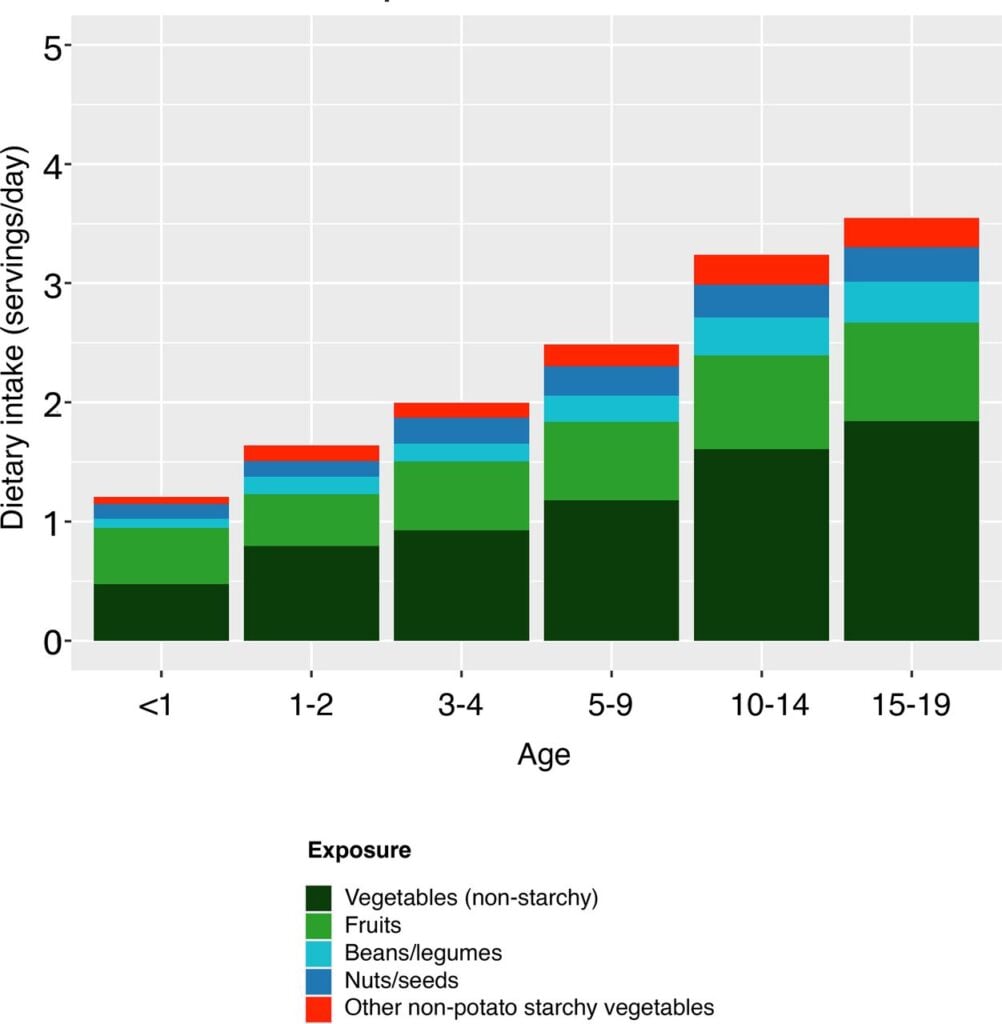
Globally, children are consuming insufficient quantities of plant-based foods, a trend that researchers warn could significantly elevate the risk of a spectrum of diet-related diseases throughout their lives. The comprehensive analysis, which examined dietary patterns over nearly three decades, found that the average daily intake of nutrient-dense plant-based foods—including fruits, vegetables, nuts, seeds, and legumes—is alarmingly low across various age groups. For infants under one year old, the average daily consumption is a mere 1.19 servings. This figure sees a gradual increase to 3.55 daily servings for adolescents aged 15 to 19 years.
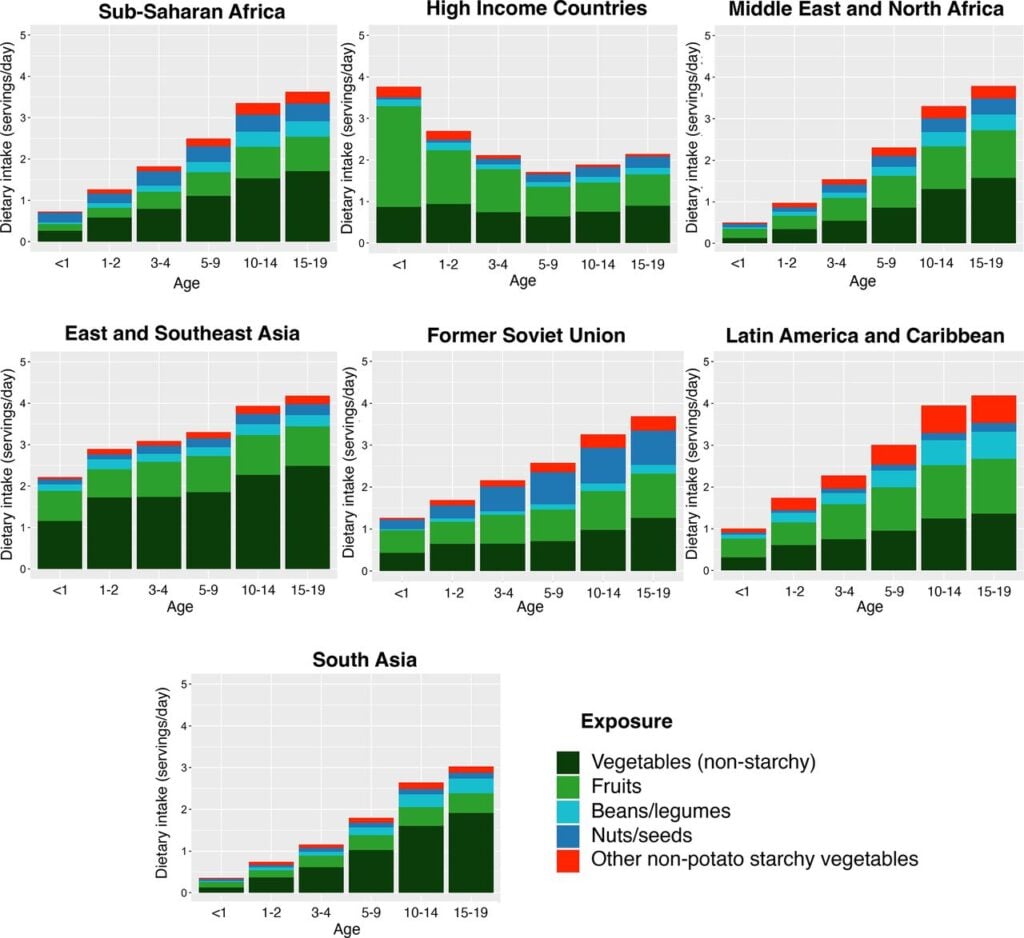
While most regions exhibit a pattern where plant-based food consumption rises with age, a notable exception is observed in high-income countries. In the United States, for instance, the study identified a counterintuitive trend: children consume the highest amounts of these vital foods during infancy, averaging 2.7 servings per day. However, this consumption dramatically declines to just 1.8 servings per day by later childhood and adolescence. Researchers interpret this as evidence that American families are successful in initiating healthy eating habits early in life but face considerable challenges in sustaining them as children grow older and gain more autonomy over their food choices.
"Dietary habits established during childhood can influence health throughout life, yet we found that consumption of healthy plant-based foods remains low among youth across the globe," stated Sydney Yearley, a clinical and translational science student at Tufts University, who spearheaded the study. "These findings provide an important benchmark for tracking progress and identifying opportunities to improve access to nutritious foods for children and adolescents."
The study, published in the esteemed journal BMJ Global Health, meticulously analyzed extensive dietary data compiled within the Global Dietary Database. This repository offers a comprehensive overview of global food and beverage consumption patterns. The research team employed a sophisticated statistical model, integrating data from over 1,200 dietary surveys conducted across 185 countries between 1990 and 2018. The focus was on tracking consumption trends for five key healthful plant-based food groups: fruits, non-starchy vegetables, starchy vegetables (excluding potatoes), beans and legumes, and nuts and seeds.
The scope of the research encompassed individuals from birth through to 19 years of age, providing granular estimates of intake at global, regional, and national levels. Crucially, the analysis also delved into disparities based on sex, household education levels, and whether individuals resided in urban or rural settings.

Regional Variations and Emerging Trends
Countries in East and Southeast Asia notably exhibited some of the highest consumption rates of plant-based foods. This pattern is largely attributed to higher intakes of non-starchy vegetables among children and adolescents in these regions. The researchers suggest that these elevated consumption levels may reflect deeply ingrained cultural preferences and the traditional affordability of these food items in local markets. However, despite these higher rates, the overall intake of healthy plant-based foods in this region still falls short of recommended guidelines. This disparity points to underlying challenges related to food system inefficiencies, production gaps, cost barriers, and persistent educational or cultural obstacles.
In affluent nations, a distinct pattern emerged where fruit and vegetable intake uniquely declines with increasing age. This phenomenon suggests that despite a higher purchasing power available to consumers in these countries, other influential factors such as adolescent autonomy in food selection, the pervasive influence of the food environment, and prevailing cultural norms play a significant role among older youth. Many of these high-income countries do implement early-life nutrition programs that incorporate healthy plant-based foods, which could account for the higher consumption rates observed in the youngest age cohorts.
On a global scale, the total intake of plant-based whole foods showed an increase across all analyzed regions during the study period, with the sole exception of South Asia, where consumption rates remained the lowest. When examined at the countrywide level, Vietnam, Congo, and Mexico reported the highest rates of plant-based food consumption among young people. Conversely, Spain, Pakistan, and the United Kingdom recorded the lowest rates.
Further demographic breakdowns revealed interesting patterns: across most regions, girls tended to consume more fruits and non-starchy vegetables than boys. Urban youth generally consumed higher quantities of fruits, nuts, and seeds, while individuals from households with higher levels of parental education demonstrated greater intakes of all plant-based food groups, with the exception of beans and legumes.
Addressing the Childhood Nutrition Gap: Policy Imperatives
The study’s findings underscore the profound public health implications of suboptimal diets during childhood. Poor nutritional intake in early life is a significant contributor to a range of health burdens, including malnutrition and undernutrition, obesity, and an increased risk of developing chronic conditions such as type 2 diabetes, hypertension, and cardiovascular disease later in life.
Current research indicates that more than half of the world’s children do not meet the World Health Organization (WHO) and UNICEF’s recommended dietary guidelines for fruit and vegetable consumption. Furthermore, approximately two-thirds of children fall short of the recommended intake for beans, legumes, nuts, and seeds.
"When children don’t get enough of the right foods, it hurts their bodies and minds, limiting their energy, metabolism, learning, and mood," emphasized Dariush Mozaffarian, a senior author of the study, cardiologist, and director of the Food is Medicine Institute at Tufts University. "Our findings support the importance of identifying gaps and advancing solutions to promote the consumption of minimally processed, healthy plant foods for children globally."
Evidence for Plant-Based Diets in Children
This latest research from Tufts University aligns with a growing body of evidence supporting the health benefits of plant-based diets for children. Previous analyses have conclusively demonstrated that well-planned vegan and vegetarian diets can be not only healthy but also highly beneficial for children’s development. A comprehensive review of 27 studies, for instance, revealed that children following vegan diets are less likely to be obese or overweight and tend to have healthier body compositions compared to their peers who consume meat, dairy, and eggs.
The increasing focus on health as a primary motivator for dietary choices among younger generations, including Gen Z and Gen Alpha, further amplifies the significance of these findings. A 2025 study indicated that health is the leading dietary driver for over a third of these age groups, irrespective of whether they identify as vegan or omnivore.
In response to these evolving dietary priorities and growing health concerns, there has been a significant global push to expand access to plant-based nutrition options within school systems. This initiative has gained traction in countries such as the United States, Poland, and Taiwan, with governments implementing policies to offer more plant-forward meals.
The study from Tufts University not only highlights the challenges but also proposes actionable policy recommendations to address the childhood nutrition gap. These include strengthening and expanding early childhood nutrition programs in high-income countries to ensure consistent access to healthy foods. In regions like South Asia, where consumption rates are lowest, the research advocates for enhancing access to diverse vegetables through targeted agricultural policies and market interventions. For East and Southeast Asia, the recommendations emphasize leveraging existing cultural preferences for vegetables while simultaneously working to close gaps in fruit and vegetable intake. Finally, the study calls for the implementation of equity-focused interventions designed to specifically reach rural populations and households with lower educational attainment, ensuring that all children have the opportunity to benefit from a nutritious diet.
The research provides a critical roadmap for policymakers, public health officials, and educators to cultivate healthier dietary futures for the world’s children, mitigating the long-term consequences of poor nutrition and fostering robust lifelong health.
