

When Oatly, the prominent plant-based oat drink company, recently lost a Supreme Court battle concerning its use of the term "milk," regulators framed the decision as a decisive victory for consumer clarity. The argument, as presented by regulatory bodies, centered on the notion that the term "milk" is intrinsically an animal-specific designation. Applying it to plant-based beverages, they contended, risked misleading shoppers and obscuring the fundamental nature of the product they were purchasing. However, for innovators and forward-thinking entrepreneurs, this legal outcome underscores a more profound and pervasive question: how should language evolve and adapt as new technologies fundamentally reshape familiar products and industries? The trajectory of technological advancement offers numerous precedents. Automobiles, initially powered by internal combustion engines, naturally evolved to encompass electric variants. Similarly, rudimentary mobile phones transformed into sophisticated smartphones. The concept of currency itself expanded to include digital cryptocurrencies. This raises a critical inquiry: why do some industries readily embrace and adapt their terminology to accommodate both established and emerging innovations, while others actively resist and fight against them?
A parallel and increasingly heated dispute is now unfolding within the fashion and materials industry. As biomaterials gain credibility and market traction as viable alternatives to traditional animal hides, the question of what can legally and ethically be termed "leather" is rapidly escalating into a significant regulatory discussion. This burgeoning debate has the potential to mirror the complexities and controversies surrounding the plant-based milk labeling issue, impacting innovation, consumer perception, and established industry practices.
The Evolving Landscape of Material Terminology
The rise of alternative materials is far from a niche phenomenon; it represents a significant and growing segment of the global market. Over the past decade, the traditional leather industry has witnessed the emergence of numerous successful companies dedicated to innovating with natural ingredients. These pioneers are utilizing diverse sources such as fungi, grains, and agricultural waste to create materials that offer comparable aesthetics and functionalities to animal hides. Industry analysts project that the production of bio-based leathers will experience a substantial compound annual growth rate (CAGR) of 37.4% between 2024 and 2034, indicating a strong upward trend and increasing market acceptance.

In an apparent effort to temper this growth and protect established market positions, several European countries, including Italy – one of the world’s largest leather producers, alongside China and Brazil – have begun to implement bans on terms such as "vegan leather" and "plant-based leather." Companies that persist in using these plant-based prefixes to describe their products now face the severe threat of substantial fines or even criminal prosecution. The regulatory rationale behind these prohibitions is that it is misleading to consumers to equate synthetic or plant-derived materials with genuine animal-derived leather. Critics, however, point to this dynamic as a familiar pattern—a classic growing pain where existing terminology struggles to keep pace with the rapid advancements of modern innovation. This resistance, they argue, is often driven by a desire to preserve the status quo rather than genuine concern for consumer understanding.
Historical Precedents in Technological Disruption
The debates over what constitutes "leather" often obscure a more fundamental shift in how materials are created and, more importantly, how their value is perceived. Examining the history of the ice industry provides a compelling parallel. Initially, ice was viewed as an exclusively "natural" product, harvested directly from frozen lakes and rivers. When refrigeration technology emerged, the established "natural ice" industry vehemently resisted this innovation. They insisted that machine-made ice should be labeled as "artificial" and launched extensive smear campaigns, propagating unsubstantiated claims that it was unnatural, chemically contaminated, and inherently dangerous. This stance was particularly ironic, considering the often unsanitary conditions from which their "natural" ice was harvested, frequently sourced from polluted rivers and lakes.
Today, the distinction between natural and artificial ice is largely irrelevant; it is simply ice. Despite the concerted efforts of the traditional industry to protect its territory, the superior efficiency, reliability, and cost-effectiveness of the new technology ultimately prevailed. This historical precedent offers a crucial lens through which to view the current discussions surrounding leather alternatives. The same logic that propelled technological adoption in the ice industry – solving real-world problems of cost and performance – should be applied to the valuation of modern leather materials.
Critics of alternative materials often maintain that only animal hide is deserving of the "leather" designation. This perspective overlooks the fact that the term "synthetic leather" has been in common use since the 1970s. The current fervor, however, appears to have intensified significantly over the past decade, coinciding with the emergence of newer, more sophisticated, and environmentally conscious materials. The outright banning of a descriptive term does not alter the underlying reality that both brands’ and consumers’ definitions of value have evolved. Contemporary brands are increasingly prioritizing products that are high-quality, scalable to meet commercial demands, and offered at stable, predictable price points. Consumers, in turn, seek aesthetically pleasing and reasonably priced goods. Crucially, modern shoppers are demonstrating a growing interest in the ethical sourcing and production methods of the materials used in their purchases. This evolving consumer consciousness is a powerful driver of change that regulatory bodies and traditional industries can no longer afford to ignore.

The Case for Collaboration Over Litigation
A more constructive and forward-looking approach would involve acknowledging that innovation rarely eradicates tradition overnight; rather, it typically reshapes and integrates with it. However, this evolution necessitates a fundamental shift in how we conceptualize the relationship between established practices and groundbreaking advancements.
Heritage tanneries, with their centuries of accumulated expertise in finishing, dyeing, and the structural manipulation of materials, are uniquely positioned to play a pivotal role in guiding this transition. These respected suppliers possess invaluable knowledge that could be leveraged in partnership with the new wave of biotech startups. Such collaborations could lead to the refinement of biomaterial products, offering mutual benefits. Heritage tanneries could gain access to cutting-edge materials and new market opportunities, while biomaterial innovators could benefit from the established craftsmanship and quality control inherent in traditional leather processing.
Ultimately, the success or failure of biomaterial innovations will be determined by the tangible benefits they provide to consumers and the market, rather than by the labels they bear. Emerging innovations are already enabling capabilities such as fragrance customization, expanding creative possibilities for designers, significantly reducing production timelines, and substantially de-risking supply chains for brands. These are tangible advantages that resonate with the practical needs of the modern marketplace.
While legal battles may serve to slow down the pace of change, they are rarely capable of halting it entirely. If incumbent industries focus their efforts solely on protecting existing terminology, they risk overlooking and being overtaken by the larger, transformative shifts occurring within the global materials economy. This period of transition presents a significant opportunity to move beyond the simplistic and often divisive "leather versus non-leather" binary. Instead, it offers a chance to cultivate a marketplace where materials are evaluated and valued based on their inherent benefits to brands and consumers, rather than solely on their perceived proximity to an animal source. This paradigm shift fosters a more sustainable, innovative, and consumer-centric future for the materials industry.
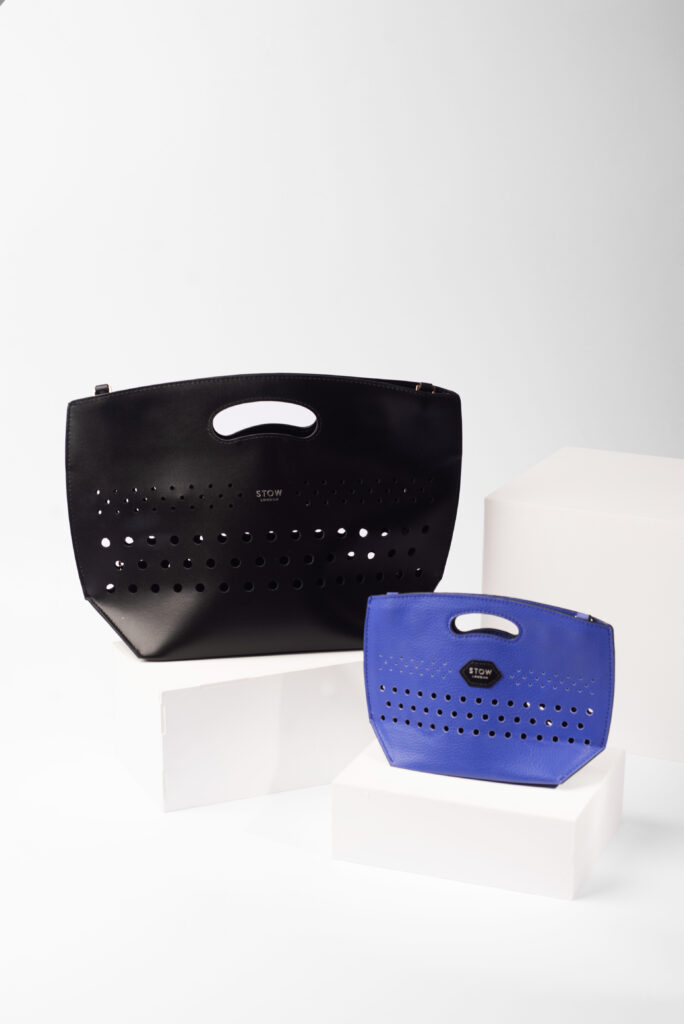
The growing market for sustainable and innovative materials is not merely a trend; it is a fundamental reshaping of consumer preferences and industrial practices. The challenges faced by companies like Uncaged Innovations are indicative of a broader industry-wide struggle to adapt to these new realities. As Stephanie Downs, co-founder and CEO of Uncaged Innovations, aptly observes, the parallels with the plant-based milk debate are striking. The resistance to new terminology in the materials sector echoes the historical reluctance to accept novel forms of established products.
The projected growth of the bio-based leather market, with an expected CAGR of 37.4% from 2024 to 2034, underscores the significant economic potential and consumer demand driving this sector. Reports from entities like IDTechEx highlight this trend, indicating a sustained and robust expansion. The imposition of bans on terms like "vegan leather" in key European markets, particularly Italy, represents a direct challenge to this growth. This regulatory action, while framed as consumer protection, can be interpreted by many as an attempt to stifle innovation and protect the interests of traditional leather producers. The potential for hefty fines and even criminal prosecution creates a significant deterrent for companies committed to developing and marketing sustainable alternatives.
The historical analogy of the ice industry is particularly pertinent. The natural ice industry’s attempts to discredit machine-made ice by labeling it as "artificial" and dangerous parallel the current rhetoric surrounding plant-based leathers. In both instances, established industries used labeling and public perception campaigns to defend their market share against disruptive technologies that offered superior cost-effectiveness, reliability, and, in the case of biomaterials, significant ethical and environmental advantages. The eventual triumph of refrigeration technology serves as a powerful testament to the enduring force of innovation when it addresses genuine consumer needs and market demands.
The assertion that only animal hide can be called "leather" is a semantic argument that fails to acknowledge the evolution of language and product categories. The term "synthetic leather" has been in use for decades, demonstrating a precedent for using descriptive terms that indicate material origin and composition. The recent surge in opposition to plant-based and synthetic materials suggests a reactive measure to protect a traditional industry rather than a genuine concern for consumer confusion. The "growing pains" of innovation are often characterized by such resistance, but history shows that these barriers are ultimately overcome.
The fundamental drivers of value in the modern market are shifting. Brands are seeking materials that offer consistent quality, scalability, and price stability to navigate complex global supply chains. Consumers, increasingly conscious of environmental and ethical considerations, are demanding transparency and sustainability in their purchasing decisions. Biomaterials, with their potential for reduced environmental impact, ethical sourcing, and innovative functionalities, are well-positioned to meet these evolving demands. The ability to offer features such as customizable fragrances, faster production cycles, and more secure supply chains provides tangible advantages that outweigh the arguments based on traditional terminology.
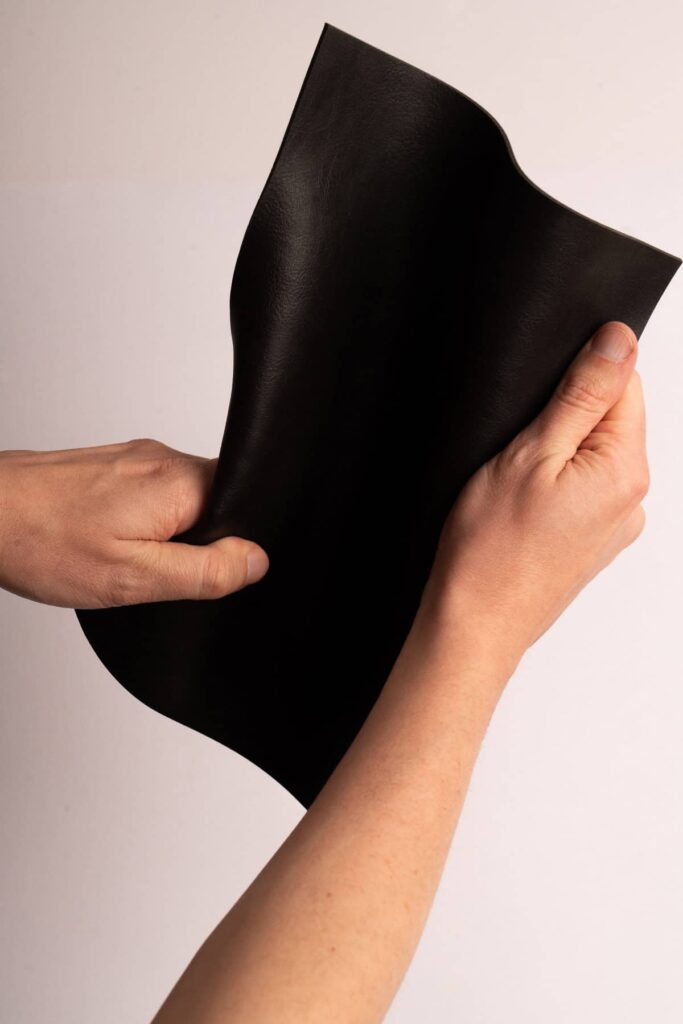
The path forward for the materials industry lies not in litigation, but in collaboration and adaptation. Heritage tanneries possess a wealth of knowledge and established infrastructure that can be invaluable in refining and scaling new biomaterials. By partnering with innovative startups, they can contribute to the development of a more diverse and sustainable materials ecosystem. This symbiotic relationship can foster innovation, create new market opportunities, and ensure that the industry evolves in a way that benefits both established players and emerging innovators.
The ultimate success of any material will be determined by its performance, cost-effectiveness, and alignment with evolving consumer values. Legal battles over nomenclature can create temporary obstacles, but they cannot fundamentally alter the trajectory of innovation. By focusing on the tangible benefits and solutions that new materials offer, the industry can move beyond outdated debates and embrace a future where materials are judged on their merit, sustainability, and contribution to a more responsible and dynamic global economy. The transition to a more diversified materials landscape is inevitable, and those who embrace this evolution will be best positioned for future success. The legacy of innovation, from the ice industry to electric vehicles, demonstrates that resistance to change, while often fierce, is ultimately futile against the tide of progress and the evolving needs of society.
