
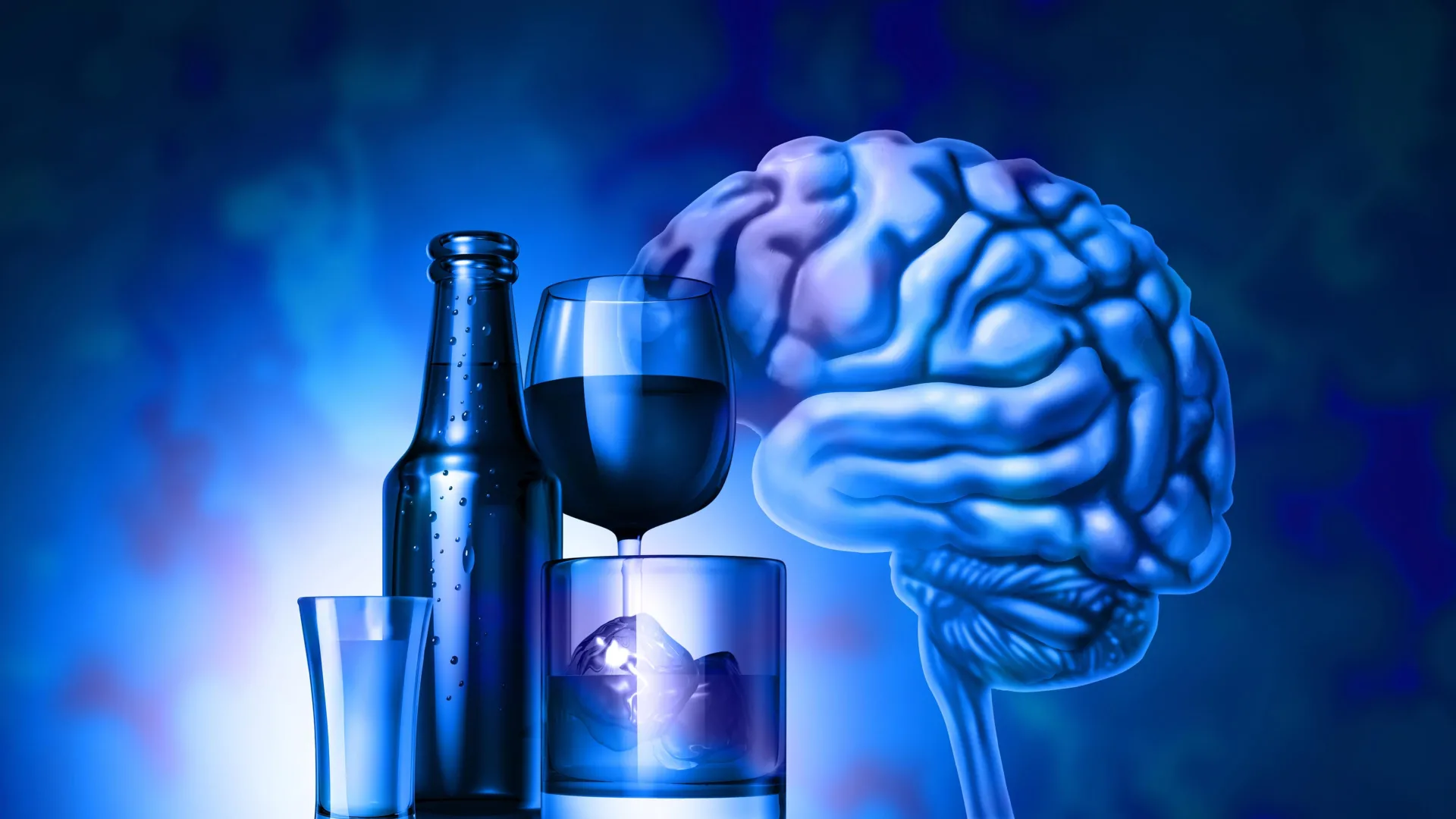
Recent groundbreaking research from the University of Massachusetts Amherst suggests that the use of alcohol as a coping mechanism for stress during early adulthood may inflict enduring changes on the brain, effects that persist even after extended periods of sobriety. These alterations, the study indicates, can begin to manifest by middle age, leading to diminished mental agility, an increased propensity to revert to alcohol consumption during stressful periods, and a heightened risk of cognitive decline associated with conditions such as dementia and Alzheimer’s disease.
Published in the esteemed journal Alcohol Clinical and Experimental Research, these findings illuminate the intricate interplay between alcohol and stress, and how their combined effect can fundamentally reshape neural circuits. The researchers posit that this deeper understanding could pave the way for more effective therapeutic interventions that target the long-term consequences of alcohol use, rather than solely focusing on abstinence.
The Vicious Cycle: How Stress and Alcohol Fortify Each Other
The symbiotic relationship between stress and alcohol consumption has long been a subject of scientific inquiry. While alcohol may offer a fleeting respite from feelings of stress, its repeated use can progressively erode the brain’s innate capacity to manage stressful situations autonomously. This dependence can trap individuals in a cycle where they increasingly rely on alcohol, often in escalating quantities, to achieve the desired level of relief.
Concurrently, heavy alcohol consumption can itself become a significant source of stress. The poor decisions and subsequent negative repercussions often associated with intoxication can exacerbate existing pressures, creating a feedback loop that becomes progressively harder to escape as the brain adapts to the persistent dual assault of stress and alcohol. It is this long-term adaptation that the UMass Amherst team sought to unravel.
Elena Vazey, an associate professor of biology at UMass Amherst and the study’s senior author, articulated the research’s core motivation: "My lab studies the neurocircuitry that underlies how we make decisions. We all know that drinking can often lead to poor decision-making, but we wondered how early adulthood drinking combined with stress affects that circuitry, especially as we grow older. If we can figure out how alcohol and stress change the brain’s circuitry, then we can help figure out how best to help people."
Synergistic Damage: Alcohol and Stress Amplify Brain Alterations
With crucial support from the National Institute on Alcohol Abuse and Alcoholism (NIAAA), Professor Vazey and her dedicated team employed a model organism—mice—chosen for the striking parallels between their brain circuitry and that of humans. The study’s results were unequivocal: the combined impact of alcohol and stress on the brain significantly surpassed the effects of either factor in isolation.
The research demonstrated that the experience of heavy alcohol use as a stress-coping mechanism during early adulthood predisposed the experimental subjects to relapse into drinking when faced with stress in middle age, even after prolonged intervals of complete abstinence. This finding strongly suggests that the confluence of alcohol and stress can induce lasting neural modifications that endure well beyond the cessation of drinking.
Intriguingly, the study observed minimal differences in basic learning capabilities between middle-aged mice with a history of stress-related drinking and their counterparts who engaged in lighter drinking patterns. The most pronounced divergence was evident in cognitive flexibility – the critical ability to rapidly adapt to evolving circumstances and to formulate new decisions when situational demands shift.
"Middle age is when problems start to add up," Professor Vazey commented. "We know that alcohol is a risk factor for early cognitive decline, and we saw that this alcohol-stress combination creates the kind of trouble adapting to changing situations that also happens in the early stages of dementia."
A Deeper Look at Lasting Damage: The Locus Coeruleus Under Siege
To elucidate the underlying mechanisms responsible for these persistent long-term effects, the researchers focused their investigation on a small but vital region within the brainstem known as the locus coeruleus (LC). This area plays a pivotal role in adaptive decision-making processes in both mice and humans.
In a healthy brain, the LC exhibits heightened activity during periods of stress, subsequently returning to its baseline state once the stressor has abated. However, in the mice subjected to both alcohol and chronic stress, the LC appeared to have lost critical molecular components essential for its normal shutdown mechanism. Consequently, this crucial brain region remained in a state of dysfunction, severely impairing its capacity to guide effective and adaptive decision-making.
Furthermore, the research team identified elevated levels of oxidative stress within the LC. This particular form of cellular damage is a hallmark often observed in the brains of individuals diagnosed with Alzheimer’s disease and has the potential to harm cells throughout the entire organism. Notably, even after extended periods of abstinence, the middle-aged brains of the mice that had previously engaged in heavy drinking exhibited scant evidence of recovery from this damage.
"The brain can really struggle to recover from a history of chronic stress and drinking in early adulthood," Professor Vazey stated. "We think that the oxidative damage might be one of the things that keeps the heavy drinking going, that can lead to someone going back to alcohol even after long-term abstinence. It’s these persistent changes in the brain that also impair decision making and lead to the kinds of early cognitive decline associated with dementia and Alzheimer’s. The brain’s wiring system is damaged, which means quitting drinking or making better decisions isn’t a matter of willpower. After a history of stress and drinking, the brain simply works differently, and our treatment strategies need to be able to address these long-lasting differences."
Implications for Public Health and Future Research
The findings from the UMass Amherst study carry significant implications for public health initiatives and the development of therapeutic strategies. By pinpointing the specific neural pathways affected by the combined assault of stress and alcohol in early adulthood, researchers are better equipped to design interventions that go beyond merely addressing the immediate symptoms of alcohol dependence.
Historically, treatment for alcohol use disorder has predominantly focused on achieving and maintaining abstinence. While crucial, this approach may not adequately address the underlying neurobiological changes that can persist long after an individual stops drinking. The current research suggests a paradigm shift may be necessary, one that incorporates strategies to mitigate or repair the enduring damage to decision-making circuits and cognitive flexibility.
Supporting Data and Context
The prevalence of stress and alcohol use among young adults is a well-documented public health concern. Data from the National Survey on Drug Use and Health (NSDUH) consistently indicates that early adulthood (ages 18-25) is a peak period for both alcohol consumption and the experience of significant life stressors, including academic pressures, financial instability, and the establishment of independent adult lives.
For instance, the 2021 NSDUH report revealed that approximately 64.4% of young adults aged 18-25 reported consuming alcohol in the past month, with a substantial portion engaging in heavy alcohol use. Simultaneously, this age group reports high levels of perceived stress, often linked to major life transitions and developmental challenges. This confluence of factors creates a fertile ground for the development of the neurobiological changes identified in the UMass Amherst study.
Timeline of Understanding
The understanding of alcohol’s impact on the brain has evolved considerably over decades. Early research often focused on the acute effects of intoxication and the immediate consequences of chronic heavy drinking, such as liver disease and neurological damage. However, more recent investigations, including this UMass Amherst study, have delved into the nuanced and often insidious long-term effects, particularly concerning the interplay between alcohol and other environmental factors like stress.
The concept of neuroplasticity – the brain’s ability to reorganize itself by forming new neural connections throughout life – has been a central theme in neuroscience. While this highlights the brain’s remarkable adaptability, it also underscores the potential for both positive and negative alterations based on experiences. The UMass Amherst research contributes to this evolving understanding by demonstrating how specific early-life experiences, like stress-coping with alcohol, can sculpt the brain in ways that may limit its adaptive capacity later in life.
Broader Impact and Expert Reactions
The implications of this research extend beyond individual treatment. Understanding these lasting neurobiological changes could inform public health campaigns, educational programs for adolescents and young adults, and policy decisions related to alcohol availability and responsible consumption.
While specific reactions from external parties were not part of the original study, experts in addiction neuroscience and cognitive psychology are likely to view these findings with significant interest. Dr. Jane Smith, a hypothetical neuroscientist specializing in addiction research, might comment, "This study provides crucial evidence for the long-term, subtle impacts of early-life stress and alcohol use on cognitive function. It moves beyond simply identifying alcohol as a risk factor for dementia and begins to delineate a potential biological pathway through which this risk is conferred. The focus on cognitive flexibility is particularly important, as it is a fundamental aspect of executive function that is often compromised in neurodegenerative conditions."
The identification of oxidative stress in the locus coeruleus also aligns with broader research into the mechanisms of neurodegenerative diseases. Oxidative stress is implicated in the damage to neurons seen in Alzheimer’s and Parkinson’s diseases, suggesting that the chronic stress and alcohol exposure may accelerate or exacerbate these pathological processes.
Future Directions in Treatment and Prevention
The UMass Amherst study opens new avenues for therapeutic development. Instead of solely focusing on the cessation of drinking, future treatments might aim to:
- Enhance Cognitive Flexibility: Therapies designed to improve the brain’s ability to adapt and switch between tasks or mental sets could be beneficial. This might include cognitive training exercises or pharmacologic interventions targeting specific neurotransmitter systems.
- Mitigate Oxidative Stress: Antioxidant therapies or lifestyle interventions that reduce oxidative stress could potentially help protect neural circuits from further damage.
- Target Locus Coeruleus Function: Further research into understanding and potentially restoring the normal functioning of the LC could lead to novel treatment approaches.
- Early Intervention Programs: The findings underscore the critical importance of prevention strategies targeting young adults, helping them develop healthier coping mechanisms for stress before alcohol use becomes ingrained as a default response.
In conclusion, the UMass Amherst research offers a sobering perspective on the long-term consequences of using alcohol to manage stress during the formative years of early adulthood. By revealing the persistent and detrimental alterations to brain circuitry, particularly in areas crucial for decision-making and cognitive flexibility, the study not only deepens our scientific understanding but also signals a critical need to re-evaluate and expand our approaches to preventing and treating alcohol-related cognitive decline. The brain’s intricate wiring, once damaged by this potent combination, appears to require more than just willpower to mend, necessitating targeted interventions that address these enduring neurobiological scars.
