

Months after forging a strategic alliance with Barry Callebaut, the world’s largest chocolate supplier, Germany-based Planet A Foods has officially expanded its presence to the North American market. This significant move is underpinned by an enhanced commercial agreement that positions Barry Callebaut as the exclusive distributor of Planet A Foods’ innovative cocoa-free chocolate ingredient, ChoViva, to industrial clients across the United States.
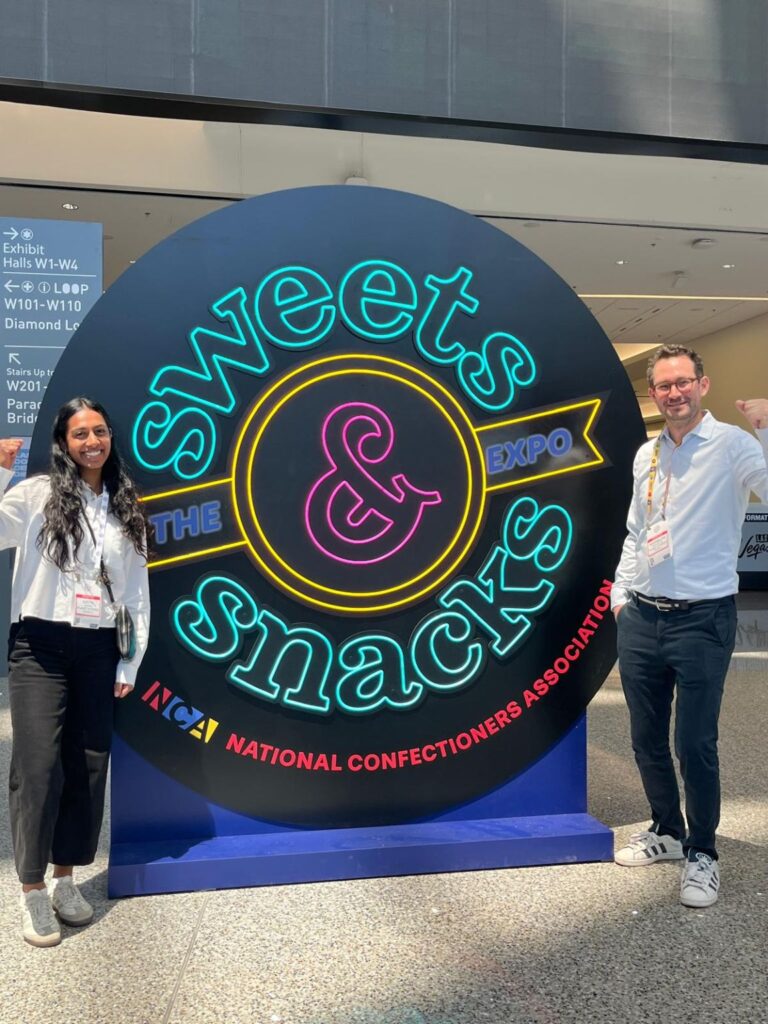
The official unveiling of ChoViva in the US is set to take place at the prestigious Snacks & Sweets Expo 2026 in Las Vegas, scheduled from May 19th to 21st. Barry Callebaut has heralded this debut as its "first non-cocoa chocolate experience," underscoring the novelty and potential of this groundbreaking ingredient.
Laura Bergan, director of brand and customer marketing at the Swiss chocolate giant, expressed her enthusiasm for the expanded collaboration. "We are very excited to broaden our capabilities and portfolio to share relevant solutions that meet changing customer and industry needs," she stated, highlighting Barry Callebaut’s commitment to innovation and its responsiveness to evolving consumer and market demands. This partnership signifies a proactive approach by a legacy industry leader to embrace sustainable and novel food technologies.
The Science Behind the Sweetness: Crafting Chocolate Without Cocoa
ChoViva represents a paradigm shift in chocolate ingredient development, meticulously engineered to replicate the sensory experience of traditional chocolate without relying on cocoa beans. The ingredient’s foundation lies in a unique blend of sunflower and grape seeds. These carefully selected seeds undergo proprietary fermentation and roasting processes, technologies developed by Planet A Foods, to unlock and enhance aromas, flavors, and textures that are remarkably akin to those derived from cocoa.
This seed-based matrix is then combined with plant-based fats and sugars, culminating in a versatile mass that functions as a direct, one-to-one replacement for conventional chocolate in a wide array of applications. This "drop-in" capability is crucial for manufacturers seeking to transition to more sustainable ingredients without extensive reformulation or equipment changes.
Maximilian Marquart, co-founder and CEO of Planet A Foods, elaborated on the scientific rationale behind ChoViva’s success. "Most people are surprised to learn that 80% of the chocolatey taste we love doesn’t actually come from the cocoa bean itself, but from the fermentation and roasting processes," Marquart explained. This insight forms the core of Planet A Foods’ innovation. By applying advanced biotechnological principles to readily available seed sources, they have successfully mimicked the complex flavor development stages that are integral to traditional chocolate production.
"By applying those same principles to sunflower seeds, we’ve created a chocolate alternative that is convincing in taste while solving the industry’s most pressing challenges," Marquart added, emphasizing the dual benefit of superior sensory qualities and environmental responsibility.
The versatility of ChoViva is evident in its availability across various formats, including vegan, dark, milk, and white chocolate profiles. This adaptability has facilitated its integration into over 130 products distributed across 11 countries, demonstrating its global appeal and market acceptance. Notable partners who have already embraced ChoViva include industry heavyweights such as Lindt, Aeon, Lufthansa, Deutsche Bahn, Kaufland, Rewe, Aldi, and Lidl, showcasing a broad spectrum of adoption from confectionery giants to food service providers and retailers.
A Timeline of Growth and Global Expansion
Planet A Foods’ journey to the US market has been characterized by strategic growth and significant investment. Following a successful Series B funding round in late 2024, which secured $30 million, the company has substantially expanded the production capacity of its facility in Pilsen, Czech Republic. The annual output has been scaled up from an initial 2,000 tonnes to an impressive capacity exceeding 15,000 tonnes, a testament to the growing demand for their sustainable chocolate alternative.
This increased production capacity is vital for meeting the global demand for ChoViva, which is currently available in more than 100,000 stores worldwide. The commercial partnership with Barry Callebaut is instrumental in ensuring the consistent availability and widespread distribution of ChoViva, leveraging Barry Callebaut’s extensive global network.
Barry Callebaut’s own impressive reach extends to supplying major food conglomerates, including Unilever, Hershey’s, Mondelēz International, Mars, and Nestlé. Notably, Mars and Nestlé have recently launched products incorporating ChoViva, indicating strong adoption among some of the world’s largest food manufacturers. For context, if one has ever enjoyed a KitKat bar, it is highly probable that it contained chocolate produced by Barry Callebaut, illustrating the scale of their influence and distribution power.
Addressing the Climate Crisis: The Urgent Need for Sustainable Chocolate
The US launch of ChoViva arrives at a critical juncture for the global chocolate industry, which is grappling with profound supply chain disruptions exacerbated by the escalating climate crisis. In 2024, global cocoa stocks plummeted to their lowest point in a decade, leading to unprecedented price hikes for the commodity. By December of that year, the price of a tonne of cocoa in the US reached an all-time high of $12,565, a stark indicator of market instability and scarcity.
Beyond supply chain volatility, chocolate production itself is a significant contributor to environmental degradation. It is recognized as one of the primary food-related drivers of climate change, emitting more greenhouse gases than any other food product apart from beef. The environmental toll is substantial; on average, producing a single bar of chocolate can require as much as 1,700 liters of water.
The industry has also been notoriously associated with widespread tropical deforestation, a practice that has drawn increasing scrutiny and regulatory action. Consequently, chocolate is now the subject of stringent anti-deforestation legislation in the European Union and the United Kingdom, with similar regulatory proposals under consideration in the United States.
Planet A Foods’ ChoViva offers a compelling solution to these environmental challenges. By replacing cocoa, the ingredient significantly reduces the carbon footprint associated with chocolate production. Depending on the type of chocolate it replaces, ChoViva can lower emissions by an estimated 82% to 91%. This substantial environmental benefit positions ChoViva as a key enabler of sustainable product development within the food industry.
For Barry Callebaut, this partnership opens new avenues for product innovation and portfolio expansion. It provides their extensive client base with the opportunity to offer "sustainable and novel chocolate-like experiences" to consumers, aligning with growing demand for ethically sourced and environmentally conscious food products.
Natasha Chen, Barry Callebaut’s North American president, emphasized the strategic importance of this collaboration. "By continuously introducing new solutions and expanding our capabilities, we enable our partners to unlock incremental growth and stay ahead in an increasingly competitive market," she remarked. This statement underscores Barry Callebaut’s commitment to empowering its clients with cutting-edge ingredients that address both market trends and sustainability imperatives.
The strategic alliance with Barry Callebaut grants Planet A Foods immediate and substantial access to the largest food manufacturers and brands in North America. This integration will facilitate the seamless incorporation of ChoViva into a diverse range of products, including coatings, fillings, snacks, bakery items, and confectionery, effectively broadening the reach of this cocoa-free innovation.
A Shifting Landscape: Industry-Wide Embrace of Chocolate Alternatives
Barry Callebaut’s investment in cocoa-free chocolate alternatives is part of a broader trend within the Big Chocolate sector. Several other major industry players are actively exploring and investing in similar innovations. Cargill, for instance, is collaborating with Voyage Foods on cocoa-free chocolate. Other companies like Piasten and Dulciar, Walcom, and Maxtris have also introduced products featuring innovations from cocoa-free chocolate startups.
The pursuit of sustainable chocolate ingredients extends to emerging technologies as well. Cargill is actively engaged with a cell-cultured cocoa startup, indicating a forward-looking approach to addressing cocoa scarcity and environmental concerns. Similarly, Puratos and Mondelēz International are also exploring cell-based cocoa solutions, signaling a multi-pronged strategy to secure the future of chocolate production in the face of mounting environmental and supply chain challenges. These parallel developments highlight a significant industry-wide shift towards diversifying ingredient sourcing and embracing technological advancements to ensure the long-term viability and sustainability of the chocolate market.
