
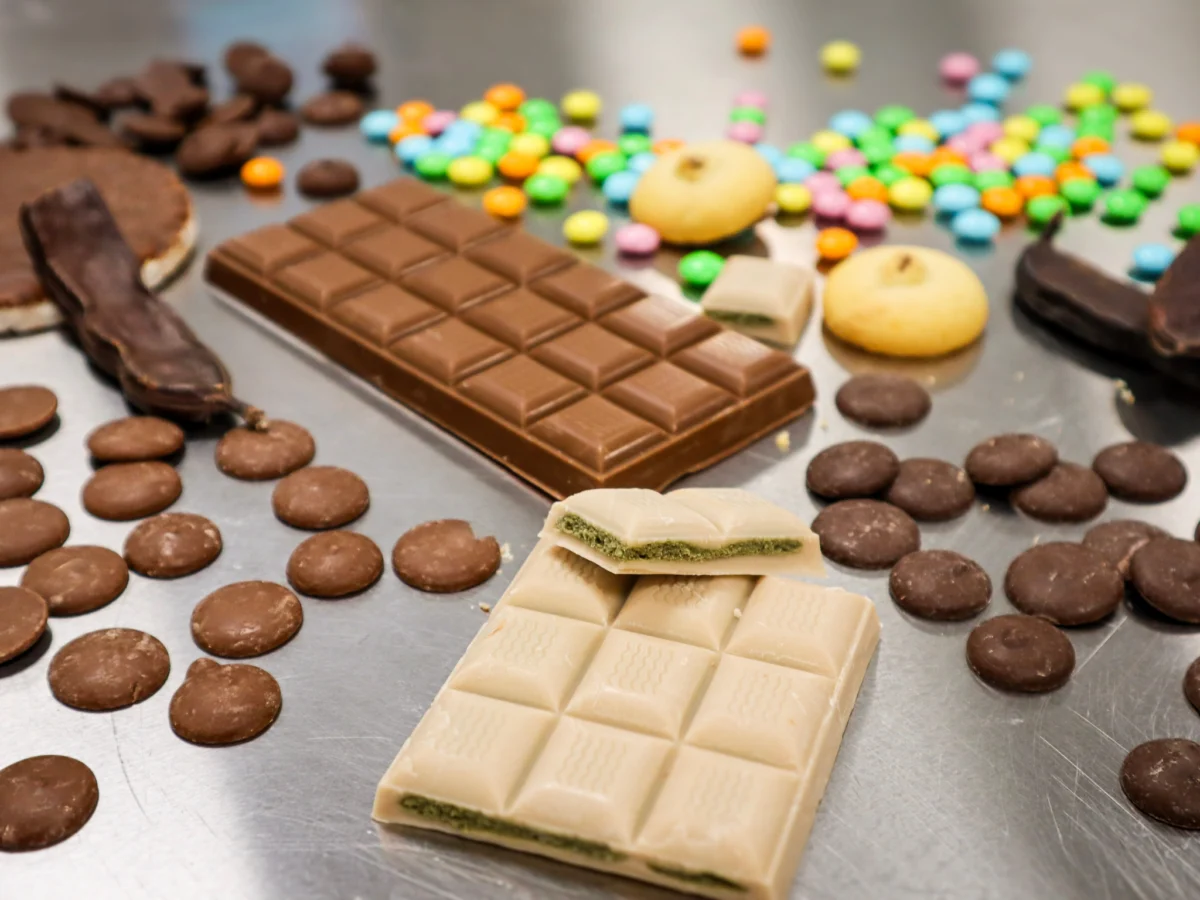
Italian cocoa-free chocolate innovator Foreverland has unveiled a significant expansion of its product line, introducing a range of no-added-sugar, high-fibre chocolate alternatives. This strategic move, occurring just four months after securing a substantial $7 million in investment, directly addresses burgeoning consumer demand for healthier indulgence and aligns with major nutritional trends shaping the European food market. The company’s innovative approach leverages the carob fruit, a largely underutilized resource, to create a sustainable and functional chocolate substitute named "Choruba."
The launch signifies Foreverland’s commitment to innovation and its ambition to capture a larger share of the rapidly evolving confectionery market. The new functional range, available in both milk and vegan milk formulations, is designed to appeal to a health-conscious demographic seeking products that offer tangible nutritional benefits without compromising on taste or texture. This expansion is particularly timely, given the global push towards reduced sugar intake and increased fiber consumption, trends amplified by recent public health discussions and the growing awareness of the gut microbiome’s importance.
A Strategic Move in a Health-Conscious Market
Foreverland’s latest offering is a direct response to the "wellness boom" gaining momentum across Europe. The company’s co-founder and CEO, Massimo Sabatini, emphasized the strategic intent behind the new range: "With our functional line, we address these evolving needs directly by delivering an ingredient that unlocks different health claims simultaneously. Formulated to perform across categories and applications, it offers a massive competitive edge for food brands." This positioning highlights Foreverland’s dual focus on consumer appeal and B2B value proposition, aiming to equip food manufacturers with a versatile ingredient that meets complex market demands.
The core of Foreverland’s innovation lies in its proprietary sweetening blend. This blend is meticulously crafted to be free from artificial sweeteners, a critical factor for consumers prioritizing clean-label products. By achieving a desirable flavour profile without relying on artificial additives, Foreverland ensures that its Choruba chocolate alternatives can maintain an appealing ingredient list, a key differentiator in a market increasingly wary of complex chemical formulations. This approach directly caters to the growing consumer preference for nutrition-first products that do not sacrifice sensory experience.
Harnessing the Power of Carob: Sustainability and Innovation
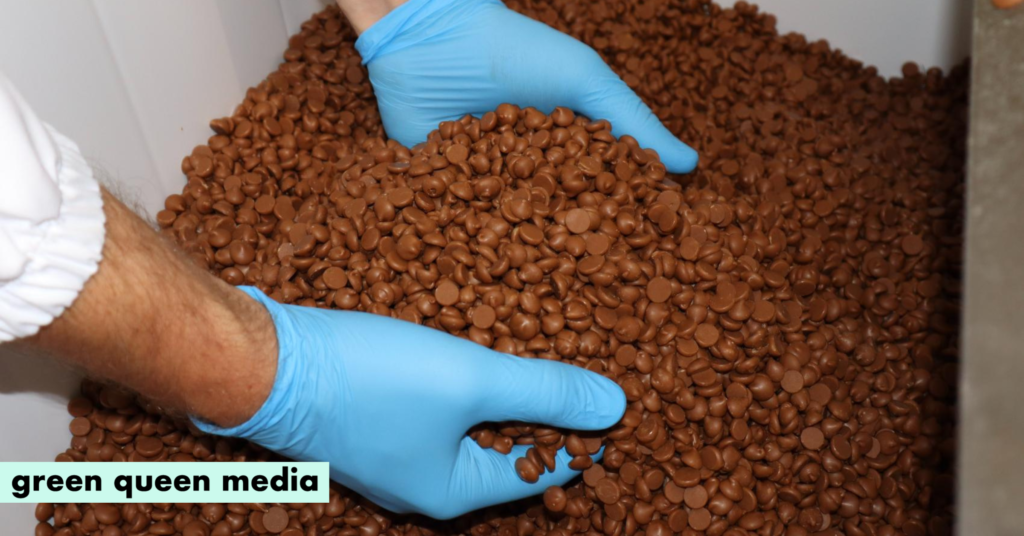
Foreverland’s foundational innovation centers on its use of the carob fruit, a byproduct of a crop that faces significant waste. Globally, an estimated 90% of the carob fruit is discarded, with only the seeds being processed for locust bean gum. Foreverland ingeniously upcycles the pulp of the carob fruit, blending it with other plant-based ingredients such as pumpkin seeds and chickpeas to create its Choruba chocolate alternatives. This sustainable sourcing strategy not only addresses food waste but also offers a compelling alternative to cocoa, a commodity increasingly threatened by climate change and volatile supply chains.
The company’s vision extends beyond simply replacing cocoa; it aims to mitigate the significant risks associated with the traditional cocoa supply chain. These risks are exacerbated by the escalating climate crisis, which is impacting cocoa-producing regions with extreme weather events and crop diseases. By offering a functional, delicious, and sustainable alternative, Foreverland positions itself as a resilient and forward-thinking player in the global confectionery landscape.
The initial Choruba range already encompassed a variety of products, including milk, semi-dark, white, and vegan chocolates, alongside cocoa-free powder, bake-stable chocolate drops, and a spreadable cream. The addition of the high-fibre, no-added-sugar variants further broadens its applicability. These new formulations are designed as "drop-in solutions," meaning they can seamlessly integrate into existing manufacturing processes and product applications, from molding and coating to inclusions and decorations, without requiring significant reformulation or investment from partner brands.
Aligning with GLP-1-Fueled Trends: Sugar Reduction and Fiber Intake
Foreverland’s strategic expansion into no-added-sugar and high-fibre products is a calculated move that taps into two of the most significant nutritional trends of the current era: sugar reduction and increased fiber intake. These trends are not only driven by general health consciousness but are also significantly influenced by broader societal shifts and emerging medical advancements, such as the rise of GLP-1 receptor agonists.
Research consistently highlights a growing consumer desire to limit sugar consumption. A survey conducted by Tate & Lyle across seven countries last year revealed that over 50% of respondents intended to reduce their sugar intake in the following 12 months. This sentiment is further reinforced by Ingredion’s 2025 research, which indicated that 64% of global respondents were actively consuming less sugar, primarily citing health concerns. This widespread intention to cut back on sugar creates a substantial market opportunity for products that offer sweetness without the negative health implications associated with added sugars.
Simultaneously, awareness surrounding the benefits of dietary fiber has surged. Many European populations are known to have insufficient fiber intake, with approximately 38% expressing a desire to increase their consumption of this essential macronutrient. The importance of fiber for gut health has been amplified by popular documentaries and social media trends like "30 plants a week," "fibremaxxing," and "fibrelayering." These movements underscore a growing public understanding of fiber’s role in digestion, satiety, and overall well-being.
The burgeoning popularity of weight-loss medications such as Ozempic, Wegovy, and Mounjaro (all GLP-1 receptor agonists) further intersects with these nutritional trends. Studies indicate a significant impact on dietary habits among users of these drugs, with 45% of GLP-1 users reporting reduced sugar consumption. Moreover, dietary fiber itself has been shown to stimulate the body’s natural GLP-1 response, playing a crucial role in appetite regulation and promoting a sustained feeling of fullness. By offering a high-fibre, no-added-sugar chocolate alternative, Foreverland is perfectly positioned to cater to consumers who are actively seeking to manage their weight, improve their metabolic health, and adopt more balanced dietary patterns. This alignment with the GLP-1 effect offers a unique selling proposition, appealing to a demographic proactively seeking solutions that support their health goals.
A Timeline of Innovation and Expansion
Foreverland’s journey from concept to a significant market player has been marked by strategic milestones. The company’s initial foray into cocoa-free chocolate with its Choruba range laid the groundwork for its sustainable and innovative approach. The successful securing of $7 million in investment four months prior to this latest product launch underscores the confidence of investors in Foreverland’s business model and its potential for growth. This funding has been instrumental in scaling production and accelerating product development.
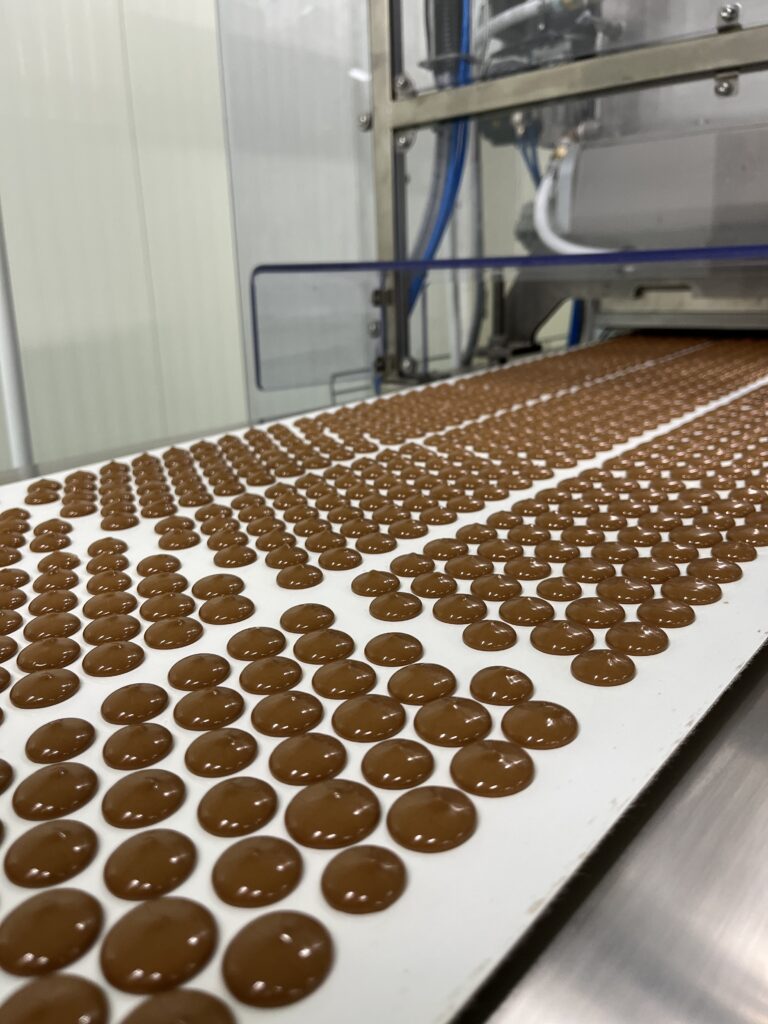
The establishment of a full-scale manufacturing plant in Puglia, Italy, in October of the previous year, marked a pivotal moment. This facility boasts an annual production capacity of 500 tonnes of cocoa-free chocolate and includes a dedicated pilot fermentation room. This specialized room allows Foreverland’s team to conduct flexible testing and refinement of processing steps, crucial for optimizing product quality, protecting proprietary knowledge, and validating economic viability at an industrial scale. The plant’s infrastructure is designed to accommodate industrial trials with larger clients, onboard smaller and medium-sized customers, and ensure a consistent, scalable supply of their innovative chocolate alternatives. This operational capacity is vital for meeting the growing demand and for forging partnerships with major food manufacturers.
Broader Industry Implications and the Rise of Cocoa-Free Alternatives
Foreverland’s expansion into the functional chocolate alternative space is occurring against a backdrop of significant disruption and transformation within the global confectionery industry. The escalating price of cocoa, driven by climate change and crop diseases in key West African producing nations like Ivory Coast and Ghana, has reached all-time highs. Reports indicate that cocoa stocks are at their lowest levels in a decade, with projections suggesting that up to a third of the world’s cocoa trees could be lost by 2050. This environmental and economic vulnerability of the traditional cocoa supply chain is a major catalyst for innovation in cocoa-free alternatives.
Beyond the market volatility, the environmental footprint of conventional chocolate production is also under increasing scrutiny. Chocolate production is associated with higher greenhouse gas emissions than most other foods, surpassed only by beef, and is often linked to tropical deforestation. Foreverland’s cocoa-free alternatives offer a stark contrast, boasting a 90% reduction in water consumption and an 82-91% decrease in emissions compared to conventional chocolate. This significant environmental advantage makes them an attractive proposition for both consumers and manufacturers seeking to improve their sustainability credentials.
The attention from "Big Chocolate" further validates the growing importance of cocoa-free alternatives. Major players such as Barry Callebaut, Cargill, Puratos, Mondelēz International, Döhler, Lindt, Nestlé, and Mars have all made strategic investments or entered collaborations with companies developing cocoa-free or cell-based chocolate solutions. This widespread industry interest signals a fundamental shift in how the established confectionery giants are approaching the future of chocolate. They are actively exploring and investing in alternatives to diversify their portfolios, mitigate supply chain risks, and appeal to a new generation of consumers with evolving preferences and concerns.
Companies like Voyage Foods, Nukoko, Prefer, Win-Win, California Cultured, Kokomodo, Celleste Bio, and Planet A Foods represent the burgeoning ecosystem of cocoa-free and cell-based chocolate innovators. Planet A Foods, for instance, recently launched its own no-added-sugar version of its cocoa-free ChoViva chocolate, mirroring Foreverland’s strategy and demonstrating that functional product development is becoming a cornerstone of growth in this emerging sector. This competitive landscape, marked by both innovation and strategic investment from established players, suggests that cocoa-free chocolate is poised to become a significant segment of the global confectionery market in the coming years. Foreverland, with its focus on sustainability, health benefits, and functional ingredients, is well-positioned to be a key contributor to this transformation.
