

Polycystic Ovary Syndrome (PCOS) remains one of the most prevalent endocrine disorders among women of reproductive age, affecting approximately 8% to 13% of the population worldwide. For women managing this condition, the journey toward conception and a healthy pregnancy often requires a more nuanced approach to nutrition and supplementation than the general population. Medical experts and reproductive endocrinologists increasingly emphasize that prenatal vitamins are not merely a general health insurance policy but a targeted intervention to mitigate the unique metabolic and hormonal challenges posed by PCOS. By focusing on specific micronutrients, women can address insulin resistance, chronic inflammation, and egg quality issues that are characteristic of the disorder.
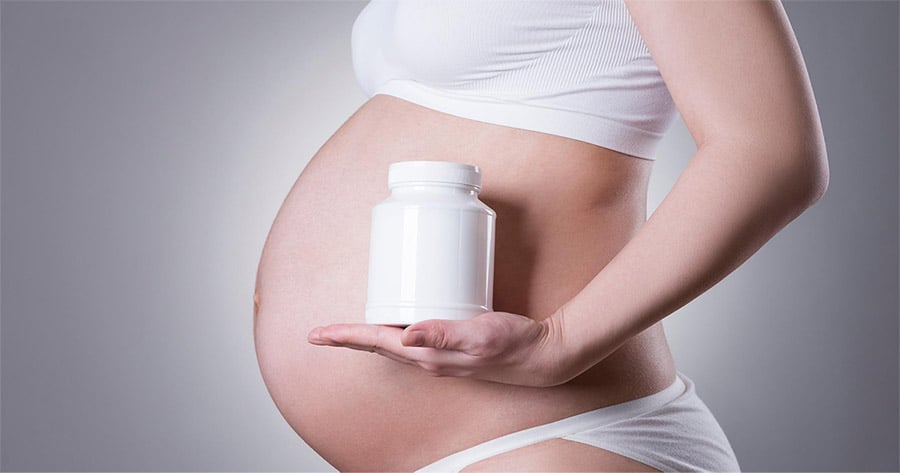
The Critical Role of Prenatal Supplementation in PCOS Management
The primary objective of a prenatal vitamin is to bridge nutritional gaps, ensuring that both the mother and the developing fetus have the resources necessary for healthy gestation. However, in the context of PCOS, these supplements serve a dual purpose. PCOS is frequently associated with an increased risk of pregnancy complications, including gestational diabetes, pre-eclampsia, and preterm birth. Strategic supplementation helps stabilize the physiological environment, potentially reducing the severity of these risks.
The American College of Obstetricians and Gynecologists (ACOG) and the American Pregnancy Association highlight that the demand for specific vitamins and minerals increases significantly during pregnancy. For a woman with PCOS, whose body may already be struggling with nutrient absorption or metabolic imbalances, these requirements are even more acute. Taking a high-quality prenatal vitamin ensures that the body does not have to choose between maintaining maternal health and supporting fetal development.

The Timeline for Intervention: From Preconception to Postpartum
Clinical guidelines suggest that the ideal time to begin a prenatal vitamin regimen is at least three months before attempting to conceive. This "preconception window" is vital for several reasons. First, the neural tube—which eventually becomes the baby’s brain and spinal cord—closes within the first 28 days of pregnancy, often before a woman even realizes she is pregnant. Ensuring adequate levels of folate during this window is a primary preventative measure against neural tube defects (NTDs).
For women with PCOS, the preconception phase is also a critical time to address egg quality. Chronic inflammation and high levels of androgens (male hormones) can negatively impact the maturation of oocytes (eggs). Certain antioxidants and vitamins found in specialized prenatal or preconception formulas can help neutralize oxidative stress in the follicular fluid, thereby improving the chances of a successful and healthy conception. If a pregnancy is unplanned, medical professionals advise starting a prenatal vitamin immediately upon confirmation of the pregnancy and continuing throughout the duration of the term and the breastfeeding period.

Core Nutrients: A Scientific Breakdown of PCOS Requirements
When evaluating prenatal vitamins for PCOS, five core nutrients emerge as non-negotiable components of a successful regimen.
Folate and the MTHFR Consideration
Folate (Vitamin B9) is perhaps the most well-known prenatal nutrient. While the standard recommendation is 400 to 800 micrograms (mcg) daily, the form of the vitamin matters significantly for the PCOS community. A segment of the population carries a mutation in the MTHFR gene, which hinders the body’s ability to convert synthetic folic acid into its active form. Many women with PCOS opt for methylated folate (5-MTHF) to ensure maximum bioavailability and protection against birth defects like spina bifida and cleft lip.
Iron and Blood Volume Expansion
During pregnancy, maternal blood volume increases by approximately 50%. This requires a significant uptick in iron intake to produce hemoglobin, which carries oxygen to the fetus. The recommended daily allowance (RDA) for pregnant women is 27 milligrams (mg). Iron deficiency can lead to anemia, which is linked to low birth weight and postpartum depression. For women with PCOS, maintaining iron levels is also essential for energy management, as fatigue is a common symptom of the underlying hormonal imbalance.
Calcium and Bone Integrity
If a mother’s diet does not provide enough calcium, the developing fetus will draw the mineral from the mother’s bones. To protect maternal bone density and support the development of the baby’s skeletal structure, heart, and nerves, a daily intake of 1,000 mg is recommended. While dairy is a common source, many women with PCOS limit dairy to manage insulin sensitivity, making supplementation or the consumption of fortified leafy greens essential.
Vitamin D: The Insulin Sensitivity Link
Vitamin D functions more like a hormone than a vitamin, and its role in PCOS is profound. Research indicates that up to 80% of women with PCOS are deficient in Vitamin D. This deficiency is closely linked to insulin resistance and ovulatory dysfunction. During pregnancy, Vitamin D is crucial for calcium absorption and immune function. Clinical studies have suggested that maintaining Vitamin D levels of at least 4,000 IU can reduce the risk of gestational diabetes, a condition for which PCOS patients are already at a three-fold higher risk.
Omega-3 Fatty Acids (DHA and EPA)
Omega-3s, specifically Docosahexaenoic acid (DHA), are essential for the development of the fetal brain and eyes. Beyond fetal benefits, Omega-3s are powerful anti-inflammatory agents. Since PCOS is characterized by low-grade chronic inflammation, high-quality fish oil or algae-based supplements can help lower androgen levels and improve the lipid profile of the mother. The standard recommendation is at least 300 mg of DHA daily.
Comparative Analysis of Market-Leading Prenatal Vitamins
Not all prenatal vitamins are created equal, particularly for those with metabolic sensitivities. The following options are frequently cited by health professionals for their high standards of purity and ingredient bioavailability.
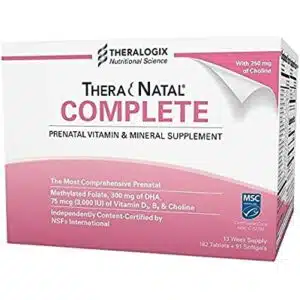
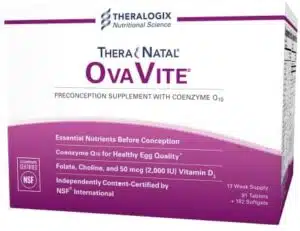
- TheraNatal Complete (Theralogix): This product is often regarded as the gold standard for PCOS due to its comprehensive nutrient profile. It includes methylated folate and a robust dose of Vitamin D. Theralogix products undergo independent testing by NSF International, ensuring that the contents match the label and are free from contaminants. It also includes a separate DHA softgel, providing the necessary fatty acids without a "fishy" aftertaste.
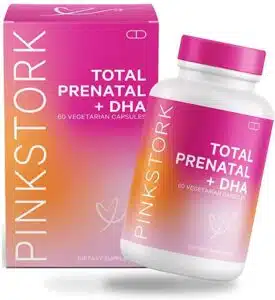
- Pink Stork Total Prenatal: This brand focuses on clean, gluten-free, and non-GMO ingredients. Its formula includes a B-complex that helps manage morning sickness and energy levels. It is particularly noted for including a wide array of trace minerals like selenium and chromium, the latter of which plays a role in glucose metabolism.
- Nature Made Prenatal with Folic Acid + DHA: For those seeking an accessible and cost-effective option, Nature Made provides a USP-verified supplement. While it uses folic acid rather than methylated folate, it remains a reliable choice for women without MTHFR mutations, providing the core essentials in a single softgel.
Preconception vs. Prenatal: Addressing Egg Quality
A significant distinction exists between standard prenatal vitamins and preconception vitamins tailored for PCOS. Preconception formulas often include Coenzyme Q10 (CoQ10) and Myo-inositol. CoQ10 is a mitochondrial energizer that has been shown in clinical trials to improve oocyte quality and ovarian response. Myo-inositol, often taken alongside D-chiro-inositol in a 40:1 ratio, is an insulin sensitizer that can restore regular ovulation in women with PCOS. These "boosters" are often discontinued once a pregnancy is confirmed, as the focus shifts from conception to fetal growth.

Broader Implications: Mitigating Pregnancy Risks
The proactive use of prenatal vitamins is part of a broader strategy to manage the unique risks associated with PCOS during pregnancy. Data from the Centers for Disease Control and Prevention (CDC) suggests that women with PCOS are more likely to experience "large for gestational age" babies or, conversely, intrauterine growth restriction (IUGR). These outcomes are often tied to placental health and maternal glucose levels.
By ensuring optimal micronutrient status, women can better manage the inflammatory markers that contribute to pre-eclampsia. Furthermore, the combination of Inositol and Vitamin D has shown promise in reducing the incidence of gestational diabetes mellitus (GDM). Managing GDM is critical, as it not only affects the immediate health of the baby but also increases the child’s long-term risk of developing Type 2 diabetes and obesity later in life.
Expert Recommendations and Lifestyle Integration
While vitamins are a cornerstone of a healthy PCOS pregnancy, they are most effective when integrated into a holistic lifestyle. Medical professionals recommend the following concurrent strategies:
- Low-Glycemic Nutrition: Prioritizing complex carbohydrates and high fiber to manage insulin spikes.
- Consistent Physical Activity: Moderate exercise, such as walking or prenatal yoga, to maintain cardiovascular health.
- Regular Monitoring: Frequent check-ups to monitor blood pressure and glucose tolerance.
In conclusion, for women with PCOS, the selection of a prenatal vitamin is a clinical decision that impacts both the immediate success of a pregnancy and the long-term health of the child. By focusing on bioavailable forms of folate, high doses of Vitamin D, and anti-inflammatory Omega-3s, women can successfully navigate the complexities of Polycystic Ovary Syndrome. As research continues to evolve, the emphasis remains on early intervention and personalized nutrition to ensure that PCOS is not a barrier to a healthy, vibrant pregnancy.
