
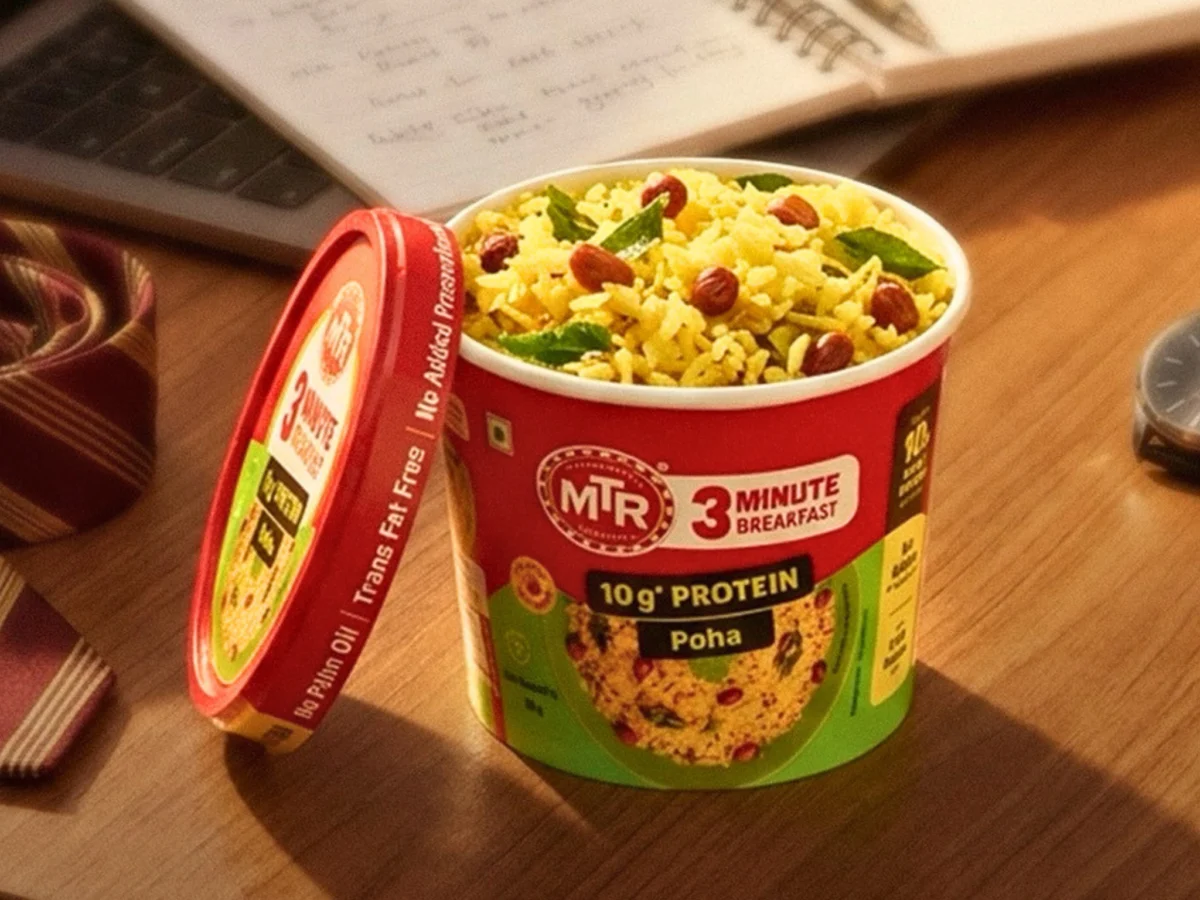
Food conglomerate Orkla has strategically enhanced six popular breakfast products under its MTR Foods brand in India, infusing each with 10 grams of plant-based protein. This significant product development aligns with a pronounced shift in consumer health consciousness, particularly the increasing demand for protein-rich foods and a growing preference for plant-based alternatives. The move signifies Orkla’s commitment to leveraging evolving dietary trends within one of the world’s most populous and dynamic markets.
The company’s initiative centers on integrating enhanced nutritional value into familiar and convenient breakfast staples. By fortifying products such as dosas, idlis, and poha with plant-based protein, Orkla aims to make daily protein intake more accessible for Indian consumers without compromising on the authentic flavors and textures they have come to expect from the MTR brand. This approach taps into the established eating habits of a vast consumer base, offering a seamless transition towards healthier food choices.
A key differentiator in this product relaunch is Orkla’s deliberate choice of soy protein isolate as the protein source. This decision reflects a dual strategy: addressing potential supply chain vulnerabilities associated with dairy proteins, and more importantly, catering to the burgeoning consumer interest in plant-derived nutrition. The global demand for protein, coupled with increasing awareness of environmental and ethical considerations, has propelled plant-based proteins into the spotlight, a trend that Orkla appears keen to capitalize on in the Indian context.
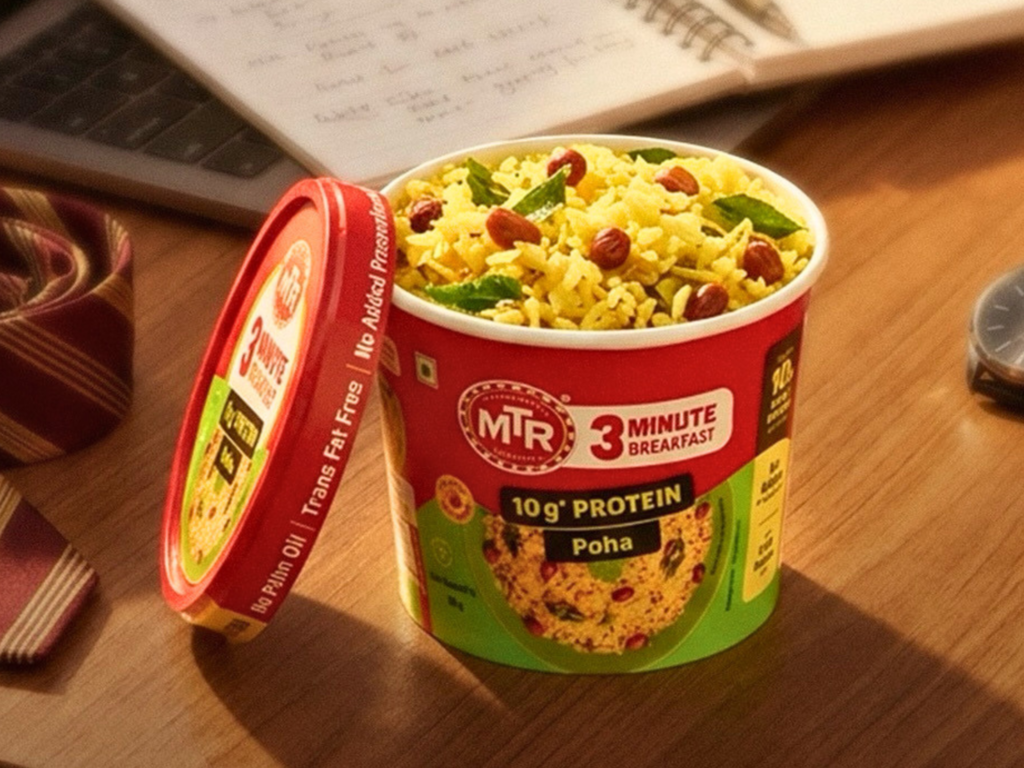
The newly fortified MTR Protein Breakfast range is initially being rolled out across four major metropolitan cities in India. The company has ambitious plans to expand its distribution network in phases, aiming to reach 28 of the country’s largest urban centers. This phased approach suggests a careful market entry strategy, allowing for adjustments based on consumer reception and logistical considerations before a wider national rollout.
Orkla India articulated its strategic rationale in a LinkedIn post, stating, "Consumers today are more informed than ever about the role of protein in supporting energy, wellness and balanced nutrition. As awareness grows, so does the demand for convenient, everyday foods that make protein intake easier, without sacrificing the flavours people know and love." This statement underscores the brand’s understanding of the Indian consumer’s dual desire for both health benefits and culinary satisfaction.
MTR Foods, a venerable name in India’s convenience food sector, boasts a rich heritage rooted in the renowned South Indian restaurant chain, Mavalli Tiffin Rooms. The acquisition of its consumer packaged goods (CPG) business by Orkla India in 2008 for an estimated $80 million marked a significant turning point for the brand, integrating its traditional culinary expertise with Orkla’s global reach and innovation capabilities. Today, convenience foods constitute a substantial 35% of Orkla India’s revenue, contributing approximately ₹876 crore ($91.1 million) in the 2026 financial year, reflecting an impressive 11% year-on-year growth. This robust performance in the convenience food segment provides a solid foundation for the introduction of the protein-enhanced product line.
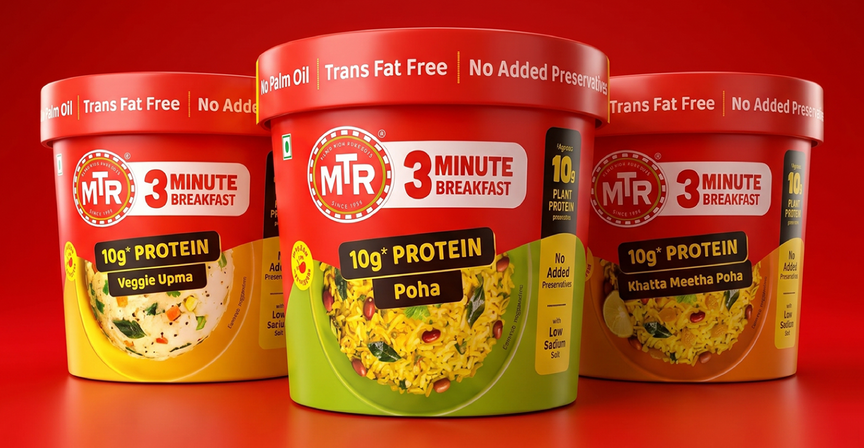
The expanded Protein Breakfast lineup comprises six distinct products. These include powdered mixes for traditional breakfast items like dosa, rava idli, and upma. Additionally, the range features ready-to-heat options for poha, available in both standard and sweet-and-sour flavor profiles, and upma. The development of these recipes took place at Orkla India’s dedicated Cuisine Centre of Excellence in Bengaluru, a hub designed to foster culinary innovation and ensure product quality and authenticity. The positioning of these products emphasizes convenience, familiarity, and the growing dietary trend towards protein consumption in India.
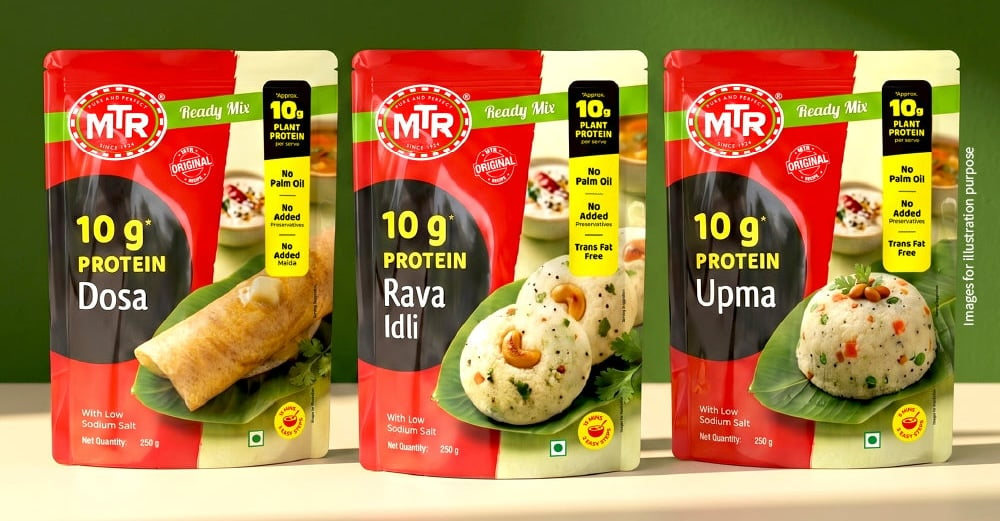
Beyond protein fortification, Orkla has underscored the health credentials of its new offerings by ensuring the absence of added preservatives, maida (a refined flour commonly used in Indian cuisine), and palm oil. The exclusion of palm oil is particularly noteworthy, given its sensitivity among Indian consumers due to environmental and health concerns. Furthermore, the products utilize low-sodium salt, aligning with broader health recommendations for reduced sodium intake.
Sunay Bhasin, CEO of MTR Foods, highlighted the brand’s philosophy of continuous evolution in response to consumer needs. "At MTR, innovation is not just about launching new products; it has always been about understanding changing consumer needs and translating them into relevant food solutions," Bhasin stated. He emphasized that MTR’s product development is deeply informed by how Indians choose to eat, stating, "Today, consumers are becoming more conscious about their food choices, with a growing emphasis on transparency and permissibility, while continuing to seek the comfort and authenticity of traditional Indian foods." Bhasin further elaborated on the company’s forward-looking strategy: "We believe consumers are not moving away from the foods they love, they are simply expecting more from them. Therefore, we are evolving the category once again in response to this shift, as we continue to stay true to our consumers and uphold the trust and authenticity that define MTR."
Despite the clear consumer interest in protein-enriched foods, the price premium associated with these new offerings represents a potential hurdle for widespread adoption. While research indicates that approximately one-third (32%) of Indians are willing to pay more for protein-boosted foods, a 2026 Ipsos poll revealed that high prices remain a deterrent for 28% of Gen Z consumers when it comes to plant proteins. MTR Foods’ protein range is indeed priced higher than its conventional breakfast counterparts. For instance, a 500g pack of standard dosa mix retails for ₹138 ($1.43), whereas a 250g pack of the protein dosa mix is priced at ₹175 ($1.82), signifying a substantial 154% price premium. The price differential narrows for ready-to-heat protein poha and upma cups, which carry a roughly 21% premium, though they remain considerably more expensive than their standard versions. Bridging this price gap will be crucial for Orkla to achieve broad market penetration and maximize the success of its protein-enhanced MTR range.
The surge in demand for plant-based foods is a significant catalyst for India’s burgeoning protein market. Current consumption patterns reveal that Indians are incorporating more protein into their diets than ever before. This trend is largely driven by an increased awareness of widespread protein deficiencies, particularly in urban areas where nearly 60% of the population may not be consuming adequate protein, according to some studies. While the extent of this deficiency is debated, the underlying concern has undoubtedly fueled a greater focus on protein intake.
The market for protein-enriched foods in India is projected for substantial growth over the next decade, with plant-based alternatives expected to play a pivotal role. Survey data indicates that 37% of Indians are actively seeking to increase their intake of plant proteins, with a larger proportion expressing a preference for plant-based sources over animal proteins. This dietary shift is being spearheaded by the younger demographic, Gen Z, which constitutes 27% of India’s population and accounts for 35% of its consumption spending. An Ipsos survey found that 82% of Gen Z individuals consider protein consumption important, and 91% are receptive to plant-based foods, with 40% citing protein enhancement as their primary motivation.
The escalating "protein mania" in India is also indirectly influenced by the rapidly expanding GLP-1 market. The market for GLP-1 agonist drugs in India has experienced exponential growth, soaring from $16 million in 2021 to nearly $100 million today. These weight-loss medications, now entering India at significantly lower price points than in Western markets, are anticipated to be joined by over 50 branded semaglutide medications this year. A notable side effect of these drugs, such as Ozempic and Mounjaro, is a substantial decrease in muscle mass over an 8-16 month period, often ranging from 25-40%. This physiological change underscores the critical role of adequate protein intake as a dietary countermeasure, making protein-rich foods and supplements increasingly important for individuals managing their weight or undergoing treatment.
The confluence of factors including a growing emphasis on wellness and fitness, concerns about nutritional deficiencies, the rise of GLP-1 drug usage, and a general elevation of nutritional awareness has propelled the alternative protein sector in India to new heights. Prominent figures and brands are actively participating in this evolving landscape. For example, Bollywood star Ranveer Singh’s SuperYou brand achieved rapid success with its fermented yeast protein powder, which has since been integrated into the offerings at Starbucks India.
In the corporate sphere, Marico, a major consumer goods giant, has acquired a 60% stake in Cosmix Wellness for $25 million, signaling significant investor confidence in plant-based protein ventures. Similarly, Earthful, a brand that gained traction on Shark Tank India, successfully raised $2.9 million to support the expansion of its women’s health products, which include plant protein powders. Meanwhile, supplements brand Immunosciences has launched what it claims to be India’s "lightest" plant-based protein powder, engineered with a digestibility-boosting enzyme to enhance nutrient absorption. These diverse developments collectively illustrate a vibrant and rapidly expanding ecosystem for protein-based products and nutritional solutions in India, a market that Orkla Foods, through its MTR brand, is strategically positioning itself to lead.
