

A significant shift is underway in American dietary habits, with a growing majority of consumers expressing a willingness to reduce their meat intake and incorporate more beans into their meals. This trend is primarily fueled by mounting concerns over inflation, personal health, and, for a substantial segment, animal welfare. A recent comprehensive survey commissioned by Humane World for Animals and conducted by The Harris Poll reveals that nearly two-thirds of U.S. consumers are open to eating less meat, and a similar proportion are considering replacing animal protein with beans at least once a week.
The poll, which surveyed over 2,000 American adults, underscores a multifaceted awakening among consumers regarding the impact of their food choices. Beyond personal well-being, financial considerations and a burgeoning awareness of ethical implications are reshaping dietary preferences. This evolving landscape presents a compelling opportunity for plant-based protein alternatives, particularly nutrient-dense and affordable legumes like beans.
Financial and Health Imperatives Drive Dietary Reassessment
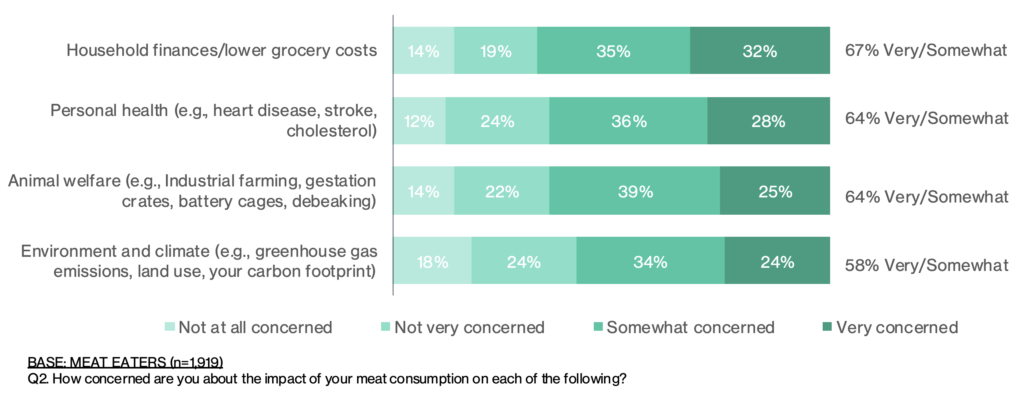
The survey results paint a clear picture of the primary motivators behind this dietary recalibration. For a substantial 67% of respondents, the impact of meat consumption on household finances and grocery costs stands as the foremost concern. This sentiment is particularly resonant in the current economic climate, where persistent inflation has driven up the price of many food staples, including meat products. The rising cost of beef, pork, and chicken is forcing consumers to re-evaluate their budgets and seek more economical protein sources.
Close behind, at 64%, are concerns about personal health. This mirrors a growing body of scientific evidence linking high consumption of red and processed meats to an increased risk of several leading causes of death in the United States, including obesity, type 2 diabetes, cancer, and cardiovascular disease. The grim statistic that approximately one million Americans die annually from diet-related chronic diseases, and that poor diets contribute to more deaths than smoking, further amplifies these health anxieties. The American Heart Association’s updated dietary guidelines also advocate for increased consumption of plant-based proteins like legumes, nuts, and seeds, aligning with this health-conscious trend.

The growing emphasis on macronutrients like protein and fiber further bolsters the appeal of beans. According to a separate Scripps News survey, nearly three in five Americans (57%) plan to prioritize protein in their diets this year. Simultaneously, many are recognizing their fiber deficiency, a gap increasingly addressed by online health trends such as "fibermaxxing." The rising popularity of GLP-1 medications, with a reported increase in users consuming more protein and fiber, also contributes to this dietary shift.
Ethical Considerations Gain Traction
Beyond economic and health drivers, animal welfare is emerging as a significant factor influencing dietary decisions. A considerable 64% of Americans expressed concern about the ethical treatment of animals in the food production system. This concern is grounded in the reality that a vast majority of livestock in the U.S. are raised in factory-farming conditions. Data indicates that approximately 70% of cows, 98% of pigs, and nearly all chickens are subjected to these intensive farming practices, which often raise questions about animal suffering and well-being.
"What stands out in these findings is that consumers are taking a broader view when making decisions about what they eat," stated Karla Dumas, VP of farm animal protection at Humane World for Animals. "They understand the impact of meat consumption almost equally on their budgets, their health, and animals." Dumas further commented, "It is encouraging that Americans are recognising that animals matter and are willing to make dietary changes that reflect that."
The survey also highlights a generational difference in the motivations for reducing meat consumption. Younger adults, aged 18-34, while being the highest share of meat-eaters, are also more likely to cite animal welfare as a reason for swapping meat with beans (27%) compared to older adults aged 55 and above (19%). This suggests a growing ethical awareness among younger generations that is translating into dietary choices.
Beans: An Affordable, Healthy, and Sustainable Choice
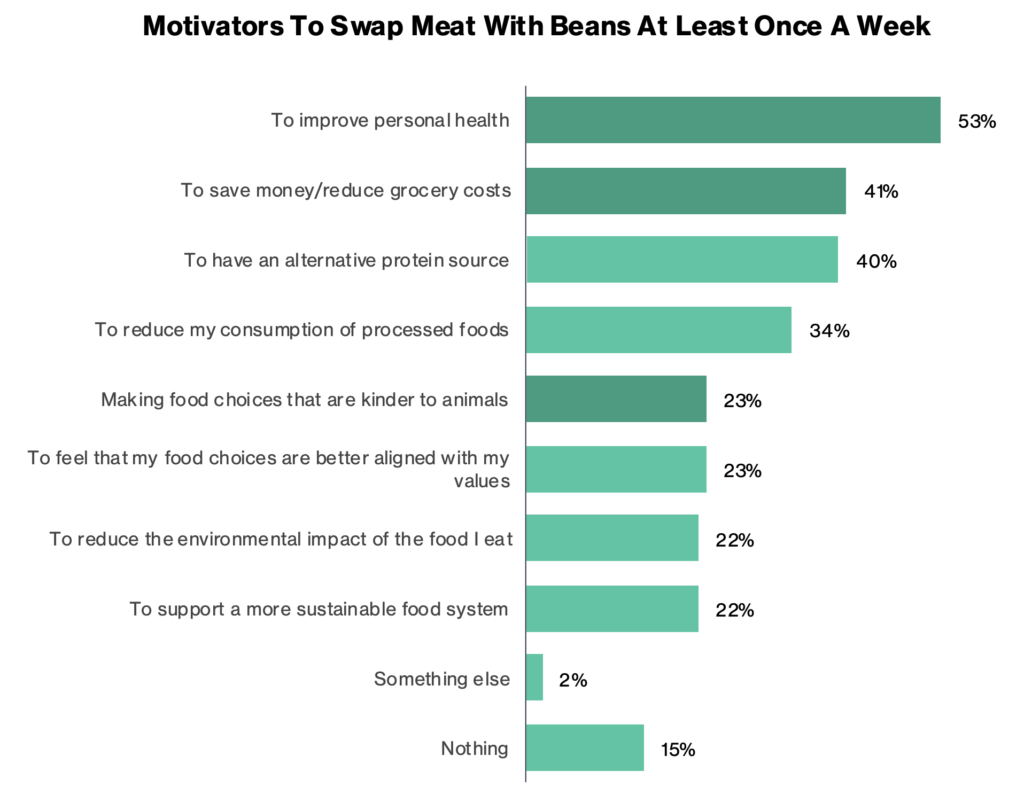
The survey identified beans as a highly attractive alternative to meat, primarily due to their affordability and health benefits. A significant 53% of Americans pointed to the health advantages of beans, while 41% cited their ability to help save money. Furthermore, a third of respondents are motivated to reduce their intake of ultra-processed foods (UPFs), a category that often includes many meat products and their derivatives.
Beans are nutritional powerhouses, offering a rich source of protein and fiber, two of the most sought-after nutrients. Their versatility in culinary applications, coupled with their low cost, makes them an accessible option for a wide range of consumers. This affordability is particularly crucial given the escalating prices of meat. Global supply chain disruptions, exacerbated by climate change and geopolitical tensions, have led to significant price hikes in the meat industry. In contrast, legumes are projected to experience a compound annual growth rate of 1.71% in North America through 2030, significantly outpacing the 0.36% growth rate for meat.
The U.S. government is also increasingly recognizing the importance of dietary health and the role of minimally processed foods. While there have been some inexplicable emphases on red meat in certain dietary guidelines, there is a broader push against ultra-processed foods. A significant 72% of consumers are actively trying to avoid UPFs, with 79% viewing them as a "significant threat" to public health. This governmental and public sentiment further supports the adoption of whole, minimally processed foods like beans.
A Timeline of Shifting Food Narratives
The recent surge in consumer interest towards plant-based alternatives is not an overnight phenomenon but rather a culmination of evolving health awareness, economic pressures, and a growing understanding of the environmental impact of food production.
- Early 2000s: Increasing scientific literature began highlighting the health risks associated with high meat consumption, particularly red and processed meats. Early environmental studies started to quantify the footprint of livestock farming.
- 2010s: The rise of plant-based diets gained momentum, fueled by celebrity endorsements, documentaries, and the emergence of plant-based meat alternatives in mainstream markets. Health and wellness trends increasingly emphasized whole foods and reduced processed item consumption.
- Late 2010s – Early 2020s: Growing concerns about climate change brought the environmental impact of animal agriculture into sharper focus. Reports from organizations like the Intergovernmental Panel on Climate Change (IPCC) underscored the significant contribution of livestock to greenhouse gas emissions, deforestation, and water usage.
- 2020-2023: The COVID-19 pandemic disrupted global supply chains, leading to increased food prices and a heightened awareness of food security. This period also saw a continued rise in health consciousness and a greater appreciation for home cooking and accessible, healthy ingredients.
- 2023-2024 (Present): Persistent inflation and economic uncertainty have made affordability a paramount concern for consumers. Concurrently, scientific research continues to reinforce the health benefits of plant-rich diets, and ethical considerations regarding animal welfare are gaining broader public traction. The Humane World for Animals survey conducted by The Harris Poll in this period reflects these compounding factors.
Broader Implications and Future Outlook
The findings of the Humane World for Animals survey have significant implications for various stakeholders, including the agricultural sector, food manufacturers, policymakers, and public health organizations.
For the agricultural industry, this trend suggests a potential shift in demand, favoring crops like beans and lentils over traditional livestock farming. Farmers may need to adapt their practices to meet this growing demand for plant-based proteins. Food manufacturers have an opportunity to innovate and expand their offerings of bean-based products, catering to the increasing consumer preference for healthy, affordable, and ethically produced food.
Policymakers can leverage this consumer sentiment to advance public health and sustainability goals. Initiatives aimed at promoting plant-based diets in schools and public institutions, such as calls to the USDA to expand access to pulse-based ingredients in school lunches, could yield substantial benefits. The recent mandate for plant-based whole foods in hospitals, though introduced under a previous administration, signals a recognition of the importance of dietary interventions in healthcare settings.
The broad acceptance of beans as a dietary staple is already high, with 95% of Americans reporting that they consume beans, and black beans being a particular favorite. This existing familiarity provides a strong foundation for further integration of beans into the American diet. As consumers continue to prioritize their health, finances, and ethical values, the humble bean is poised to play an increasingly central role in shaping the future of food in the United States. The convergence of economic pressure, health awareness, and a growing ethical consciousness suggests that the move away from heavy meat consumption and towards plant-forward diets, with beans at the forefront, is not merely a passing trend but a fundamental shift in consumer behavior.
