
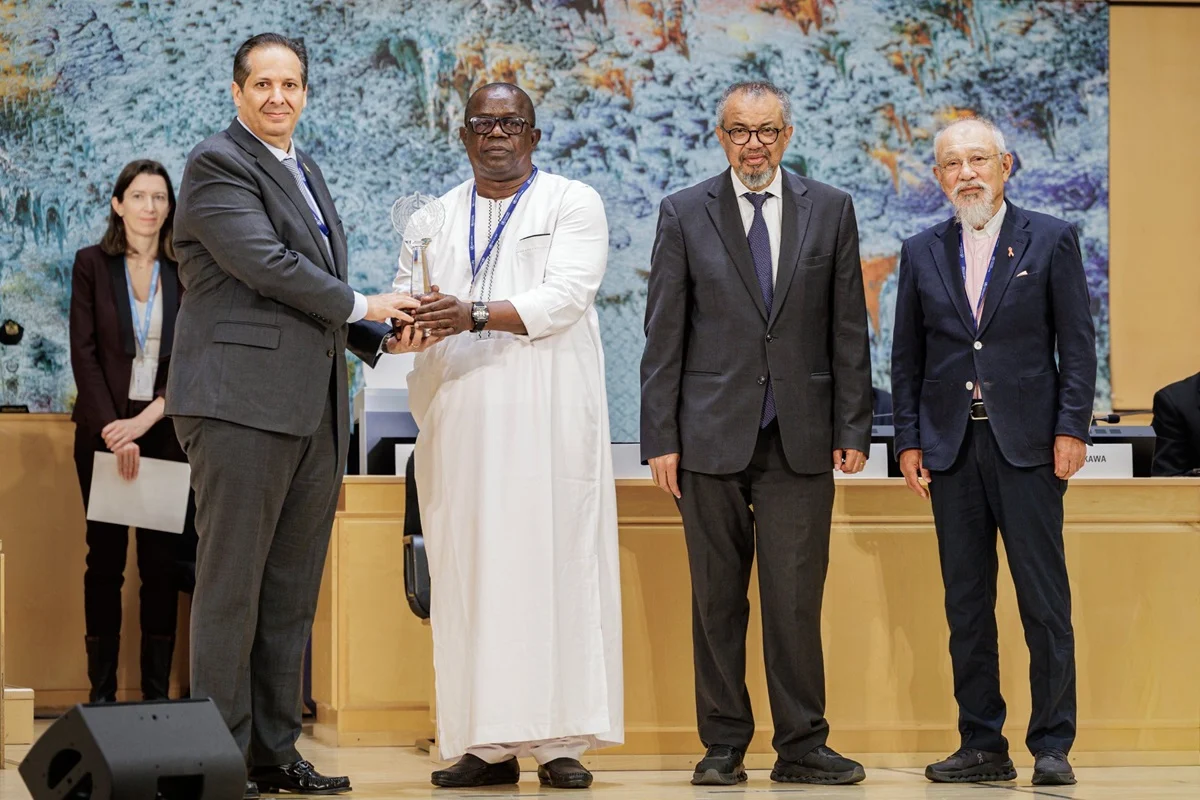
The Seventy-ninth World Health Assembly (WHA) convened in Geneva this week to celebrate the extraordinary achievements of individuals and institutions whose commitment to global health has fundamentally reshaped the landscape of primary health care and medical equity. During a high-profile plenary session, six distinguished laureates from diverse geographical and professional backgrounds were honored for their tireless efforts to bring the world closer to the goal of "Health for All." The ceremony was presided over by Dr. Víctor Elias Atallah Lajam, the President of the Seventy-ninth World Health Assembly and Minister of Health of the Dominican Republic, alongside World Health Organization (WHO) Director-General Dr. Tedros Adhanom Ghebreyesus and representatives from the global foundations that have sponsored these prestigious awards for four decades.
The 2026 public health prizes arrive at a pivotal moment for the international community as the WHO continues to navigate the complexities of post-pandemic recovery and the rising challenges of climate-related health crises. These awards are not merely tokens of appreciation but serve as a testament to the power of scientific innovation, community-led interventions, and the unwavering dedication of the health workforce. This year’s selection, finalized by the WHO Executive Board in February 2026, reflects a strategic emphasis on strengthening primary health care (PHC) systems, advancing disease control mechanisms, and ensuring that the most vulnerable populations—often overlooked by traditional health infrastructures—receive the essential services they require.
A Legacy of Leadership: Twenty Years Since Dr. Lee Jong-wook
A poignant highlight of the 2026 ceremony was the commemoration of the 20th anniversary of the passing of Dr. Lee Jong-wook, the WHO’s sixth Director-General. Dr. Lee, a visionary leader from the Republic of Korea, passed away unexpectedly in May 2006 while the World Health Assembly was in session. His tenure was marked by a bold, "action-oriented" approach to global health, most notably through his "3 by 5" initiative, which sought to provide antiretroviral treatment to three million people living with HIV/AIDS by the end of 2005.
The Dr. Lee Jong-wook Memorial Prize for Public Health, awarded during this year’s assembly, continues to honor his enduring legacy. This prize recognizes individuals or institutions that have made outstanding contributions in areas such as HIV/AIDS, non-communicable diseases, and health leadership. By keeping his memory alive, the WHO reinforces the importance of courageous leadership and the belief that even the most daunting health challenges can be overcome through international solidarity and scientific rigor.
The 2026 Public Health Prizes and Award Categories
The presentation of the public health prizes is a tradition that underscores the collaborative nature of global health. The 2026 awards covered five distinct categories, each sponsored by a foundation or government entity dedicated to specific facets of well-being.
The Sasakawa Health Prize
Established in 1984 by Mr. Ryoichi Sasakawa, this prize is one of the most established honors in the WHO’s portfolio. It targets innovative work in health development, often focusing on community-level programs that can be replicated globally. In 2026, the prize continued its focus on supporting those who bridge the gap between laboratory science and grassroots implementation.
The United Arab Emirates Health Foundation Prize
This award recognizes those who have made a significant contribution to health development through the implementation of successful health programs. It emphasizes the importance of sustainable health infrastructure and the role of national governments in fostering environments where public health can flourish.
The State of Kuwait Health Promotion Foundation’s His Highness Sheikh Sabah Al-Ahmad Al-Jaber Al-Sabah Prize for the Promotion of Healthy Ageing
As the global population ages, the importance of this prize has grown exponentially. It rewards research and programs that improve the quality of life for older persons, addressing both the physical and social determinants of healthy aging. The 2026 laureates in this category were noted for their work in integrating geriatric care into primary health systems.
The Dr. Lee Jong-wook Memorial Prize for Public Health
As noted during the ceremony, this prize serves as a bridge between the past and the future of the WHO. It is awarded to those who demonstrate the same spirit of service that characterized Dr. Lee’s life, focusing on public health challenges that require both scientific excellence and a deep sense of social justice.
The Nelson Mandela Award for Health Promotion
Inspired by the late South African President’s commitment to human rights and equality, this award honors persons or institutions that have made significant contributions to health promotion. The 2026 award highlighted the intersection of health and social equity, recognizing efforts to empower marginalized communities to take control of their own health outcomes.
Selection Process and Global Engagement Trends
The journey to the WHA stage is a rigorous one, beginning months before the assembly meets. The selection process for the 2026 prizes saw a record-breaking level of participation from the international community. Nearly 100 nominations were submitted from across all six WHO regions: Africa, the Americas, South-East Asia, Europe, the Eastern Mediterranean, and the Western Pacific. This surge in nominations—the highest in recent history—indicates a growing global recognition of the importance of honoring frontline excellence.
The process is strictly governed by the WHO Executive Board. Nominations are typically submitted by Member States or former laureates. Following the submission, selection panels comprising representatives from the respective foundations and members of the WHO Executive Board review the candidates based on predefined criteria, including impact, sustainability, and innovation. The final winners are designated during the Executive Board’s January/February session, leading to the formal presentation at the WHA in May.
Over the last 15 years, the WHO has awarded prizes to more than 80 laureates from over 50 Member States. This diversity ensures that the awards reflect the global nature of health challenges and the varied cultural and economic contexts in which they are addressed.
Statistical Overview: Strengthening the Foundation of Global Health
The 2026 awards ceremony was supported by data highlighting the critical role of primary health care (PHC). According to WHO reports discussed during the assembly, approximately 90% of essential health interventions can be delivered through a well-functioning PHC system. Furthermore, investing in PHC is estimated to increase global life expectancy by as much as 6.7 years by 2030.
The laureates of 2026 were specifically chosen for their roles in these metrics. Their work has collectively contributed to:
- Expanding access to maternal and childcare services in remote regions.
- Reducing the incidence of neglected tropical diseases through innovative community-led mapping.
- Implementing digital health solutions that allow for real-time monitoring of disease outbreaks in low-resource settings.
The increase in nominations from 2025 to 2026 (a roughly 15% rise) suggests that Member States are becoming more proactive in documenting and sharing their success stories, fostering a global "knowledge economy" where best practices in public health are disseminated more rapidly.
Official Responses and Perspectives from the Assembly
In his address to the assembly, WHO Director-General Dr. Tedros Adhanom Ghebreyesus emphasized that the laureates represent the "beating heart" of the WHO’s mission. "These awards are not just about the past achievements of six laureates; they are about the future we are building together," Dr. Tedros stated. "By standing with science and choosing the path of equity, these individuals and institutions show us that ‘Health for All’ is not just a slogan—it is a tangible goal within our reach."
Dr. Víctor Elias Atallah Lajam, speaking in his capacity as WHA President, highlighted the importance of international cooperation. "As we represent our respective nations here in Geneva, the stories of these awardees remind us that the most effective health solutions often come from the ground up. The Dominican Republic and all Member States stand in solidarity with those who innovate in the face of adversity."
Representatives from the prize foundations also expressed their continued commitment to the partnership with WHO. They noted that the prizes provide essential visibility to projects that might otherwise struggle to find funding or international recognition, thereby acting as a catalyst for further investment in public health.
Analysis of Implications: Science as the Foundation
The theme of World Health Day 2026, "Together for health. Stand with science," was woven throughout the award ceremony. This theme marks a year-long campaign by the WHO to reassert the role of evidence-based medicine and scientific integrity in public policy. The 2026 laureates embody this theme by utilizing rigorous data to drive their community outreach and service delivery.
The implications of these awards extend far beyond the ceremony. For the laureates, the recognition often leads to increased domestic support and international collaboration. For the global health community, the awards serve as a roadmap, identifying the most effective strategies for achieving the Sustainable Development Goals (SDGs), particularly SDG 3, which aims to ensure healthy lives and promote well-being for all at all ages.
Furthermore, the focus on the 20th anniversary of Dr. Lee Jong-wook’s passing serves as a strategic reminder of the WHO’s institutional resilience. It highlights how the organization maintains continuity in its mission even as leadership changes and new global threats emerge. The 2026 prizes reinforce the idea that the "WHO family" is a multi-generational network of scientists, advocates, and policymakers dedicated to a singular cause.
Looking Ahead: The Mission of the World Health Organization
As the UN agency for health, the WHO continues to lead the world’s response to health emergencies while addressing the root causes of disease. With a presence in over 150 locations, the organization remains on the front lines, connecting nations and partners to serve the vulnerable.
The Seventy-ninth World Health Assembly will continue its deliberations throughout the week, focusing on a range of issues from pandemic preparedness to the health impacts of climate change. However, the recognition of the 2026 public health laureates will remain a cornerstone of this session—a moment of celebration and reflection that reminds the world of the progress made and the work that remains. In the spirit of "Together for health," the assembly moves forward with a renewed commitment to science as the bedrock of a safe and healthy global future.
