
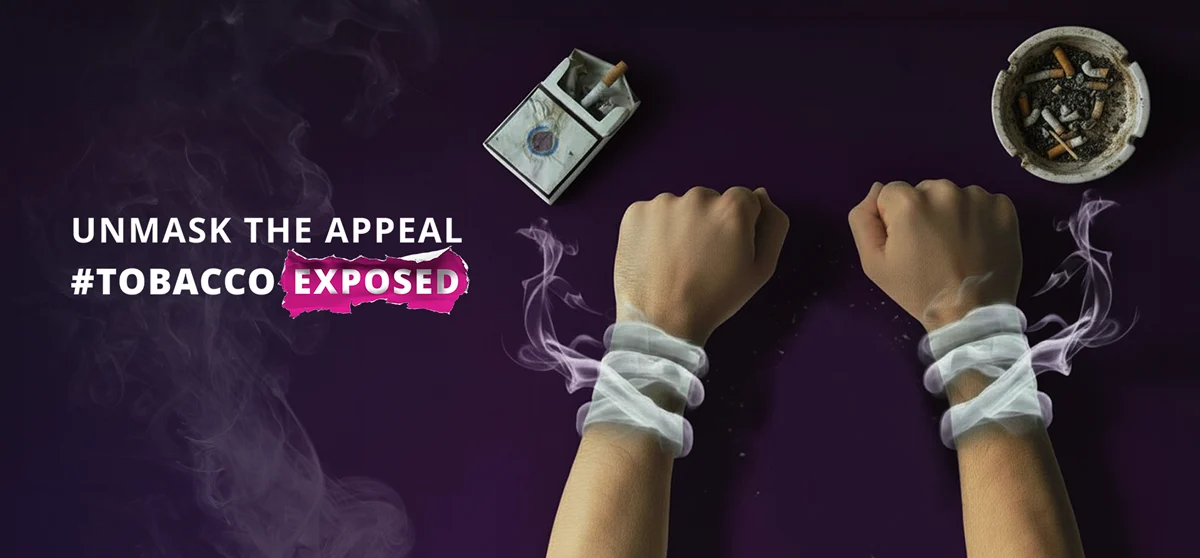
The World Health Organization has issued a stark warning regarding the escalating crisis of nicotine addiction among adolescents, revealing that at least 40 million children aged 13 to 15 are currently using tobacco products globally. In a comprehensive briefing ahead of World No Tobacco Day on May 31, the international health body called upon governments to implement immediate and stringent measures to safeguard younger generations from the predatory marketing tactics of the tobacco and nicotine industries. As traditional cigarette consumption faces increased regulatory pressure in many regions, the industry has pivoted toward a new frontier of highly addictive, flavored products—specifically e-cigarettes and nicotine pouches—that are systematically designed to appeal to the youth demographic.
The WHO’s latest findings underscore a disturbing trend where tobacco and nicotine companies are deliberately engineering their products to be more appealing, easier to conceal, and significantly harder to quit. By utilizing bright packaging, candy-inspired flavors, and sophisticated delivery mechanisms, these corporations are effectively "hooking" a new generation into a lifetime of chemical dependency. Dr. Etienne Krug, Director of the Department of Health Determinants, Promotion, and Prevention at the WHO, noted that even as the death toll from traditional tobacco remains at catastrophic levels, the industry’s business model is evolving to ensure future profitability through the aggressive promotion of alternative nicotine delivery systems.
The Evolution of a Global Public Health Crisis
To understand the current landscape of tobacco control, one must look at the historical trajectory of nicotine consumption. For decades, the primary focus of public health organizations was the reduction of combustible cigarette use. While these efforts led to significant legislative victories, including the WHO Framework Convention on Tobacco Control (FCTC) adopted in 2003, the industry has demonstrated remarkable resilience. The emergence of electronic nicotine delivery systems (ENDS) in the mid-2010s marked a turning point, creating a regulatory vacuum that the industry exploited with speed and precision.
The chronology of this crisis reveals a pattern of industry innovation outpacing legislative response. In the early 2020s, the focus shifted from standard e-cigarettes to disposable vapes and, more recently, to tobacco-free nicotine pouches. These pouches, which are placed between the gum and lip, represent the latest "fast-growing" segment of the market. Because they do not require combustion or aerosolization, they are often marketed as "discreet" or "clean," allowing for use in environments where smoking and vaping are prohibited, such as classrooms and public transport.
Data-Driven Insights into Youth Addiction
The scale of the challenge is reflected in the data. With 40 million adolescents already utilizing tobacco products, the long-term health implications are profound. Nicotine is a potent neurotoxin, particularly during the critical period of brain development that continues into the mid-20s. Exposure to nicotine in youth can disrupt the formation of brain circuits that control attention, learning, and impulse control. Furthermore, it increases the risk of future addiction to other substances.
According to a recent WHO report on nicotine pouches, approximately 160 countries currently have no specific regulations governing these products. This regulatory gap has allowed sales to surge, fueled by an estimated $9 billion annual global marketing spend by the tobacco industry. In markets where regulation is lax, nicotine pouches are often sold alongside candy and snacks, reinforcing the perception of these products as benign consumer goods rather than hazardous stimulants.
The marketing strategies employed are equally sophisticated. Data indicates that social media influencers play a pivotal role in normalizing nicotine use. By associating nicotine pouches with "lifestyle branding"—linking them to sports, gaming, and social success—companies bypass traditional advertising bans that were designed for television and print media. This digital-first approach ensures that promotional content reaches children directly on their smartphones, often without parental knowledge.
The Health and Economic Consequences of Tobacco Use
The human cost of tobacco remains unparalleled in the realm of preventable death. Annually, tobacco use is responsible for more than 7 million deaths. It is a primary driver of non-communicable diseases (NCDs), contributing to cardiovascular diseases, chronic respiratory illnesses, and more than 20 different types or subtypes of cancer. The economic burden is equally staggering, with tobacco-related illnesses costing the global economy trillions of dollars in healthcare expenditures and lost productivity.
For young users, the immediate risks include respiratory issues and nicotine toxicity. For the broader society, the rise of e-cigarettes and pouches threatens to reverse decades of progress in tobacco de-normalization. There is also growing concern regarding the "gateway effect," where youth who begin with flavored e-cigarettes or pouches are statistically more likely to transition to combustible tobacco products later in life to satisfy increasing nicotine tolerances.
Government Interventions and Local Success Stories
In response to these challenges, the WHO has identified several key policy pillars that have proven effective in curbing youth addiction. These include a total ban on flavored products, comprehensive bans on advertising, promotion, and sponsorship, and the creation of 100% smoke-free and vape-free indoor public spaces.
One of the most notable success stories highlighted by the WHO is the city of Rio de Janeiro, Brazil. The city has become a global benchmark for local-level intervention. By intensifying enforcement against the illegal sale and advertising of e-cigarettes, Rio de Janeiro has demonstrated that legislative intent must be backed by rigorous field inspections. The city’s coordinated effort involved hundreds of inspections to ensure compliance with smoke-free laws and the explicit inclusion of all electronic nicotine products in existing tobacco legislation. This proactive stance was coupled with large-scale public awareness campaigns aimed at debunking the "safety" myths surrounding vaping and pouches.
Recognizing such efforts, the WHO recently announced the winners of the 2026 World No Tobacco Day Awards. These awards honor individuals and organizations that have shown exceptional leadership in tobacco control, often in the face of intense industry lobbying. By celebrating these successes, the WHO aims to create a roadmap for other jurisdictions to follow.
Analyzing the Implications of Regulatory Inaction
The failure to regulate emerging nicotine products carries severe implications for global health equity. In many low- and middle-income countries, where healthcare systems are already strained, the influx of cheap, unregulated nicotine products could lead to a secondary epidemic of NCDs. Furthermore, the environmental impact of these products cannot be ignored. Disposable vapes, containing lithium-ion batteries and plastic components, contribute to a growing waste crisis, often leaking toxic chemicals into the soil and water systems.
From a policy perspective, the "tobacco endgame"—the goal of reducing tobacco prevalence to less than 5%—is at risk. If a new generation becomes addicted to nicotine pouches and vapes, the cycle of dependency will persist for another century. Analysts suggest that the only way to counter the industry’s "reinvented business model" is through a "whole-of-government" approach that treats nicotine addiction as a pediatric disease and a commercial determinant of health.
A Call to Action for May 31 and Beyond
As World No Tobacco Day approaches, the WHO is urging the world’s 1 billion nicotine users to take the first step toward cessation. The "quitting toolkit" provided by the organization offers resources for those looking to break free from addiction, emphasizing that the benefits of quitting begin almost immediately. Within 20 minutes of stopping, heart rates drop; within 12 hours, carbon monoxide levels in the blood return to normal; and within 2 to 12 weeks, circulation and lung function improve.
However, the burden of change does not rest solely on the individual. The WHO emphasizes that the "choice" to use nicotine is often an illusion created by addictive chemistry and deceptive marketing. Therefore, the primary responsibility lies with policymakers to dismantle the environments that allow these products to flourish.
The 2026 World No Tobacco Day serves as a critical juncture. It is a moment for the international community to decide whether it will allow the tobacco industry to reclaim the youth demographic through "modern" nicotine delivery systems or whether it will enforce the protections necessary to ensure a nicotine-free future. The WHO’s message is clear: the protection of the next generation is not merely a public health goal, but a moral imperative that requires the dismantling of the industry’s sophisticated tactics through bold, uncompromising legislation.
