
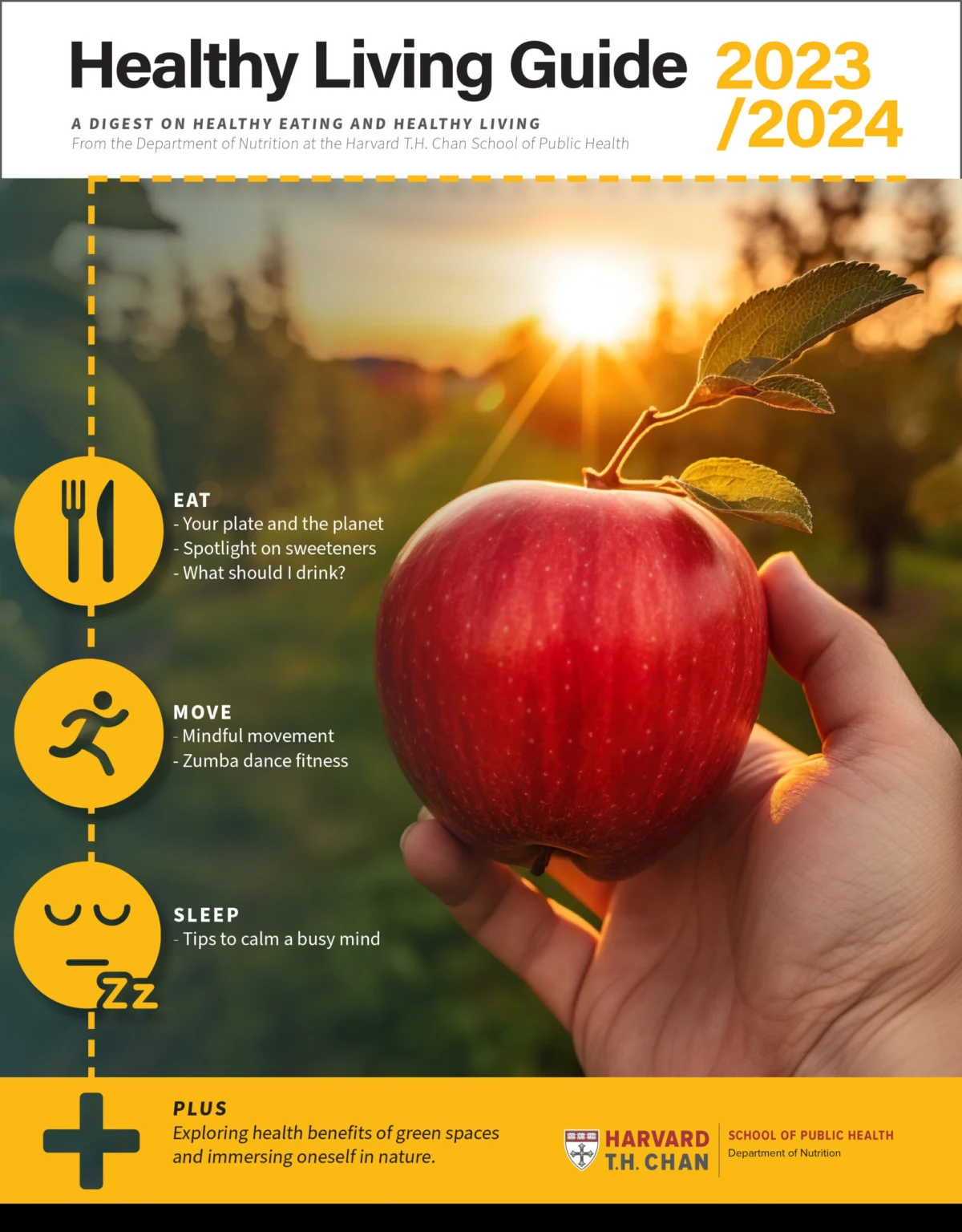
The persistent shadow of the COVID-19 pandemic has irrevocably reshaped global society, impacting nearly every facet of daily life as we navigate the transition from 2020 into 2021. For a significant portion of the population, this unprecedented health crisis has engendered a complex tapestry of challenges, ranging from disrupted food access and precarious income streams to profound emotional and psychological distress. While definitive scientific evidence directly linking specific dietary interventions to a reduced risk of COVID-19 infection remains elusive, the overarching importance of maintaining a robust immune system through healthy lifestyle choices has been underscored with renewed urgency. Beyond its direct role in bolstering immunity, extensive research has consistently demonstrated the profound long-term benefits of adopting a holistic approach to well-being. A landmark study, for instance, revealed that individuals who adhere to five key healthy habits—consistently consuming a nutritious diet, engaging in regular physical activity, maintaining a healthy body weight, moderating alcohol consumption, and abstaining from smoking—can anticipate living more than a decade longer than their counterparts who do not prioritize these practices. Furthermore, the benefits extend beyond mere longevity, as research indicates that these habits can significantly increase the number of years lived free from debilitating chronic diseases, including type 2 diabetes, cardiovascular disease, and various forms of cancer.
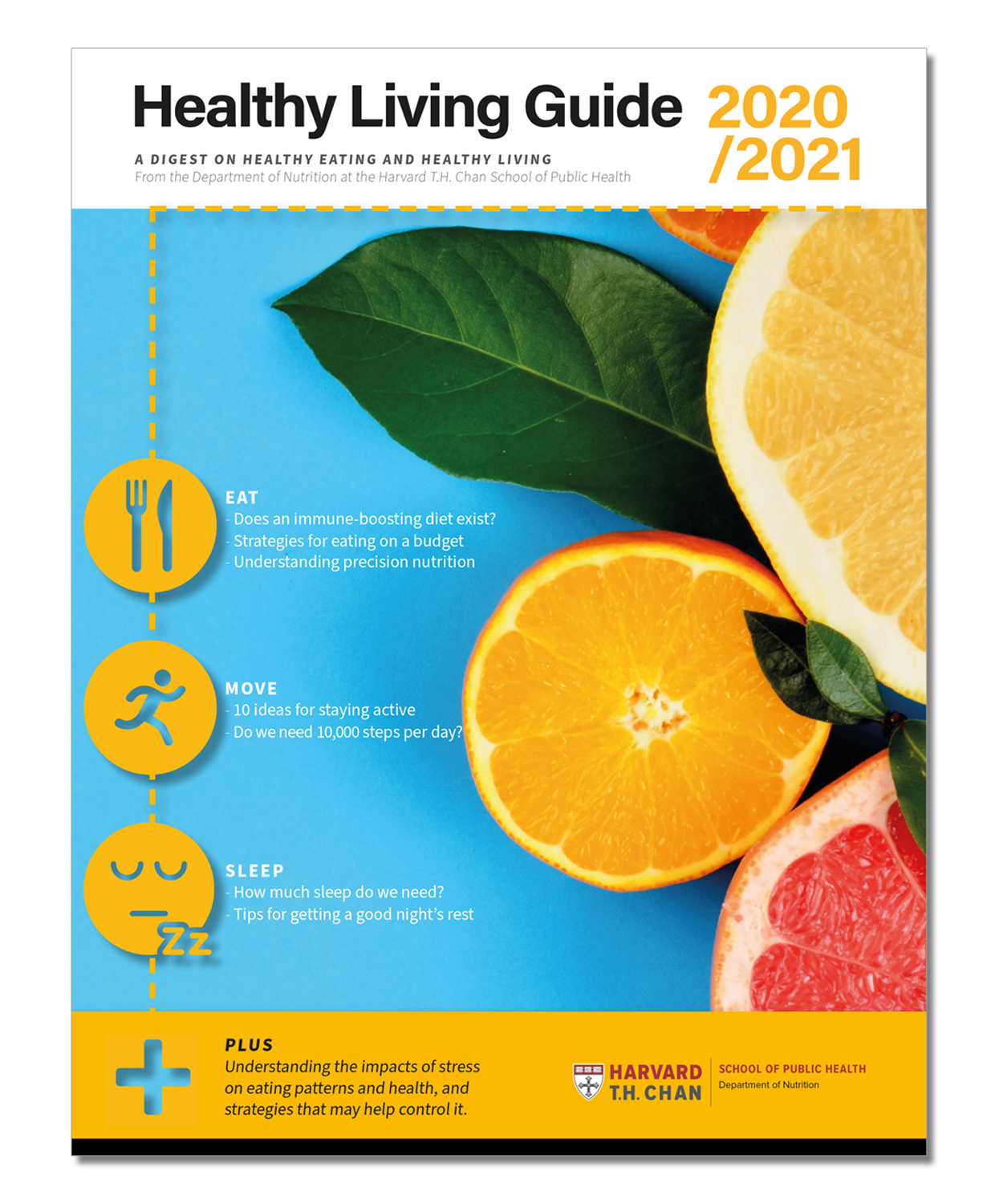
Recognizing that the path to adopting and sustaining healthy habits can be fraught with obstacles, particularly during periods of widespread uncertainty and upheaval, resources have been developed to provide practical guidance and actionable strategies. The Harvard T.H. Chan School of Public Health, through its esteemed Nutrition Source initiative, has released a comprehensive "Healthy Living Guide," designed to equip individuals with the knowledge and tools necessary to foster a healthier lifestyle. This guide aims to demystify the complexities of nutrition and well-being, offering accessible tips and evidence-based recommendations. The initiative encourages individuals to explore new avenues for self-care, whether it involves experimenting with novel recipes, incorporating regular exercise into their routines, or cultivating enriching hobbies, thereby finding moments of enjoyment and fulfillment amidst challenging circumstances.
The Imperative of Proactive Health in a Pandemic Era
The COVID-19 pandemic, which emerged in late 2019 and rapidly escalated into a global health emergency in early 2020, presented a unique set of challenges that highlighted the vulnerabilities inherent in modern lifestyles. Lockdowns, social distancing measures, and widespread economic disruption created environments where access to nutritious food was compromised for many. For individuals facing job losses or reduced working hours, the ability to afford healthy food options diminished, potentially leading to reliance on less nutritious, more affordable alternatives. Simultaneously, the pervasive stress and anxiety associated with the pandemic’s uncertainty took a significant toll on mental health, often impacting eating habits and motivation to engage in physical activity.
In this context, the emphasis on maintaining a strong immune system through healthy living practices gained paramount importance. While the direct impact of diet on preventing COVID-19 infection is still under investigation, a well-functioning immune system is universally recognized as the body’s first line of defense against pathogens. Research published by the Harvard T.H. Chan School of Public Health, for instance, has consistently linked lifestyle factors to overall health outcomes. A study published in the Archives of Internal Medicine in 2018, which analyzed data from over 100,000 individuals, found that adherence to a healthy lifestyle, defined by the absence of smoking, moderate alcohol intake, regular physical activity, healthy body weight, and a high-quality diet, was associated with a significantly reduced risk of all-cause mortality. Specifically, individuals who met all five criteria had a 70% lower risk of death from all causes compared to those who met none.
Long-Term Benefits: Extending Lifespan and Healthspan
The implications of these healthy habits extend far beyond merely increasing life expectancy. The concept of "healthspan"—the period of life spent in good health, free from debilitating chronic diseases—is increasingly recognized as a crucial metric for well-being. Research indicates that adopting these five key habits in middle age can profoundly influence not only how long people live but also the quality of those years. A separate analysis from Harvard, published in BMC Medicine, demonstrated that middle-aged adults who adopted these healthy lifestyle factors were projected to live substantially more years free of major chronic diseases. For example, those adhering to all five habits could expect to live an additional 10 years free of type 2 diabetes, 12 years free of cardiovascular disease, and 7 years free of cancer, compared to individuals with none of the healthy habits.
This distinction between lifespan and healthspan is critical. Living longer is desirable, but living longer while experiencing chronic pain, limited mobility, and cognitive decline is a far less optimistic prospect. By focusing on preventative health measures, individuals can significantly enhance their chances of enjoying their later years with vitality and independence. The cumulative effect of years lived free from the burdens of chronic illness translates to a higher quality of life, reduced healthcare costs, and a greater capacity to remain engaged in meaningful activities and social connections.
Navigating the Challenges: The Role of Practical Guidance
The publication of the "Healthy Living Guide" by Harvard’s Nutrition Source serves as a timely intervention, acknowledging the inherent difficulties in maintaining healthy routines, especially during times of crisis. The guide is not presented as a rigid prescription but rather as a collection of accessible tips, strategies, and resources designed to empower individuals to make incremental, sustainable changes. The downloadable PDF format, which includes printable tip sheets and summaries, offers a tangible and easily referenced tool for individuals seeking practical advice.
The underlying philosophy of such guides is rooted in the understanding that behavior change is a process, often requiring multiple attempts and adjustments. The aim is to provide a supportive framework that encourages experimentation and fosters a sense of agency. By offering a variety of approaches, from culinary explorations to physical activity suggestions, the guide caters to diverse preferences and circumstances. The inclusion of a "Healthy Living Bingo Challenge," for example, transforms the pursuit of healthy habits into an engaging and gamified experience, potentially increasing motivation and adherence. This approach recognizes that small wins and consistent effort, rather than drastic overhauls, are often the keys to long-term success.
Broader Societal Implications and Future Directions
The ongoing impact of the COVID-19 pandemic has amplified existing health disparities and underscored the critical need for accessible, evidence-based health information. The challenges faced by individuals with limited food security or those experiencing financial instability highlight the systemic factors that influence health outcomes. Addressing these broader issues will require multi-faceted approaches, including policy interventions aimed at improving food access, supporting mental health services, and promoting environments that facilitate healthy choices.
The emphasis on healthy living, as promoted by initiatives like Harvard’s Nutrition Source, plays a vital role in empowering individuals to take control of their health within their given circumstances. By providing reliable information and practical tools, these resources can contribute to a more resilient and healthier population, better equipped to face future health challenges. The long-term implications of widespread adoption of healthy lifestyle practices are profound, promising not only extended lifespans but also a significant increase in the number of years lived in good health, thereby reducing the societal burden of chronic diseases and enhancing overall quality of life.
The Foundation of a Healthy Diet
At the core of a healthy lifestyle lies the foundation of a balanced and nutrient-dense diet. This involves prioritizing whole, unprocessed foods that provide essential vitamins, minerals, fiber, and beneficial phytonutrients. A diet rich in fruits and vegetables, for instance, is crucial for providing antioxidants that combat cellular damage and support immune function. Studies have consistently shown a strong correlation between high fruit and vegetable intake and a reduced risk of chronic diseases. For example, research published in the Journal of the American Medical Association (JAMA) has indicated that consuming adequate amounts of fruits and vegetables is associated with lower rates of cardiovascular disease and certain types of cancer.
Whole grains, such as oats, brown rice, quinoa, and whole wheat, are another cornerstone of a healthy diet. They are excellent sources of fiber, which aids in digestion, promotes satiety, and helps regulate blood sugar levels. Unlike refined grains, which are stripped of their bran and germ, whole grains retain their nutritional value, offering a broader spectrum of B vitamins, iron, magnesium, and selenium. The American Heart Association recommends that at least half of the grains consumed should be whole grains.
Lean protein sources are also vital for building and repairing tissues, as well as for immune function. This includes poultry, fish, beans, lentils, and nuts. Fatty fish, such as salmon, mackerel, and sardines, are particularly beneficial due to their high content of omega-3 fatty acids, which have anti-inflammatory properties and are important for heart and brain health. The Mediterranean diet, widely regarded as a healthy eating pattern, emphasizes fish, poultry, fruits, vegetables, whole grains, and healthy fats like olive oil, while limiting red meat and processed foods.
Healthy fats, often demonized in the past, are essential for numerous bodily functions, including hormone production and nutrient absorption. Sources of monounsaturated and polyunsaturated fats include avocados, nuts, seeds, and olive oil. These fats can help improve cholesterol levels and reduce the risk of heart disease. Conversely, saturated and trans fats, typically found in red meat, full-fat dairy products, and many processed snacks and baked goods, should be consumed in moderation as they can negatively impact cardiovascular health.
The Power of Regular Physical Activity
Complementing a healthy diet, regular physical activity is indispensable for maintaining overall health and well-being. Exercise plays a critical role in weight management, cardiovascular health, mood regulation, and disease prevention. The U.S. Department of Health and Human Services recommends at least 150 minutes of moderate-intensity aerobic activity or 75 minutes of vigorous-intensity aerobic activity per week, along with muscle-strengthening activities at least two days a week.
Aerobic exercises, such as brisk walking, running, swimming, and cycling, improve cardiovascular fitness, strengthen the heart and lungs, and enhance circulation. This increased efficiency in oxygen delivery throughout the body can lead to improved energy levels and a reduced risk of heart disease and stroke. Physical activity also plays a crucial role in managing blood pressure and cholesterol levels, key indicators of cardiovascular health.
Muscle-strengthening activities, including lifting weights, using resistance bands, or performing bodyweight exercises like push-ups and squats, are equally important. Building and maintaining muscle mass not only improves strength and mobility but also boosts metabolism, helping to burn more calories even at rest. This is particularly important as individuals age, as muscle loss can contribute to a decline in functional capacity and an increased risk of falls.
Beyond the physical benefits, exercise is a powerful tool for mental well-being. It is well-documented that physical activity can alleviate symptoms of depression and anxiety by releasing endorphins, natural mood boosters. Regular exercise can also improve sleep quality, enhance cognitive function, and reduce stress levels. In the context of the COVID-19 pandemic, where mental health challenges have been prevalent, incorporating physical activity into daily routines has become an even more vital strategy for coping.
Maintaining a Healthy Body Weight
Achieving and maintaining a healthy body weight is a critical component of overall health, directly influencing the risk of numerous chronic diseases. Body Mass Index (BMI), while a commonly used metric, should be considered in conjunction with other health indicators, as it does not account for body composition (muscle versus fat mass). A healthy weight range helps to reduce the strain on joints, improve cardiovascular function, and regulate metabolic processes.
Obesity, defined as having a BMI of 30 or higher, is a significant risk factor for type 2 diabetes, heart disease, certain types of cancer, sleep apnea, and osteoarthritis. The complex interplay between diet, physical activity, genetics, and environmental factors contributes to weight management challenges. Strategies for achieving a healthy weight typically involve a combination of dietary modifications and increased physical activity, aiming for a sustainable calorie deficit.
Moderation in Alcohol Consumption and Smoking Cessation
The impact of alcohol and tobacco use on health is substantial and well-documented. Excessive alcohol consumption is linked to liver disease, cardiovascular problems, certain cancers, and addiction. The World Health Organization (WHO) recommends limiting alcohol intake to reduce health risks. For women, this generally means no more than one drink per day, and for men, no more than two drinks per day.
Smoking tobacco is one of the leading preventable causes of death globally. It is a major risk factor for lung cancer, heart disease, stroke, chronic obstructive pulmonary disease (COPD), and numerous other health conditions. Quitting smoking, regardless of age or duration of smoking, offers immediate and long-term health benefits. Resources and support programs are widely available to assist individuals in their journey to quit smoking, and these efforts are crucial for improving public health.
Conclusion: A Holistic Approach to a Healthier Future
The COVID-19 pandemic has served as a stark reminder of the interconnectedness of individual health and societal well-being. While the immediate focus has been on managing the acute effects of the virus, the long-term implications of lifestyle choices remain paramount. By embracing a holistic approach that integrates healthy eating, regular physical activity, weight management, moderate alcohol consumption, and the avoidance of smoking, individuals can significantly enhance their quality of life and longevity. The availability of resources like Harvard’s "Healthy Living Guide" provides invaluable support in this endeavor, offering practical tools and evidence-based strategies to navigate the complexities of healthy living. Ultimately, investing in personal health is an investment in a more resilient and fulfilling future, both for individuals and for society as a whole.
