
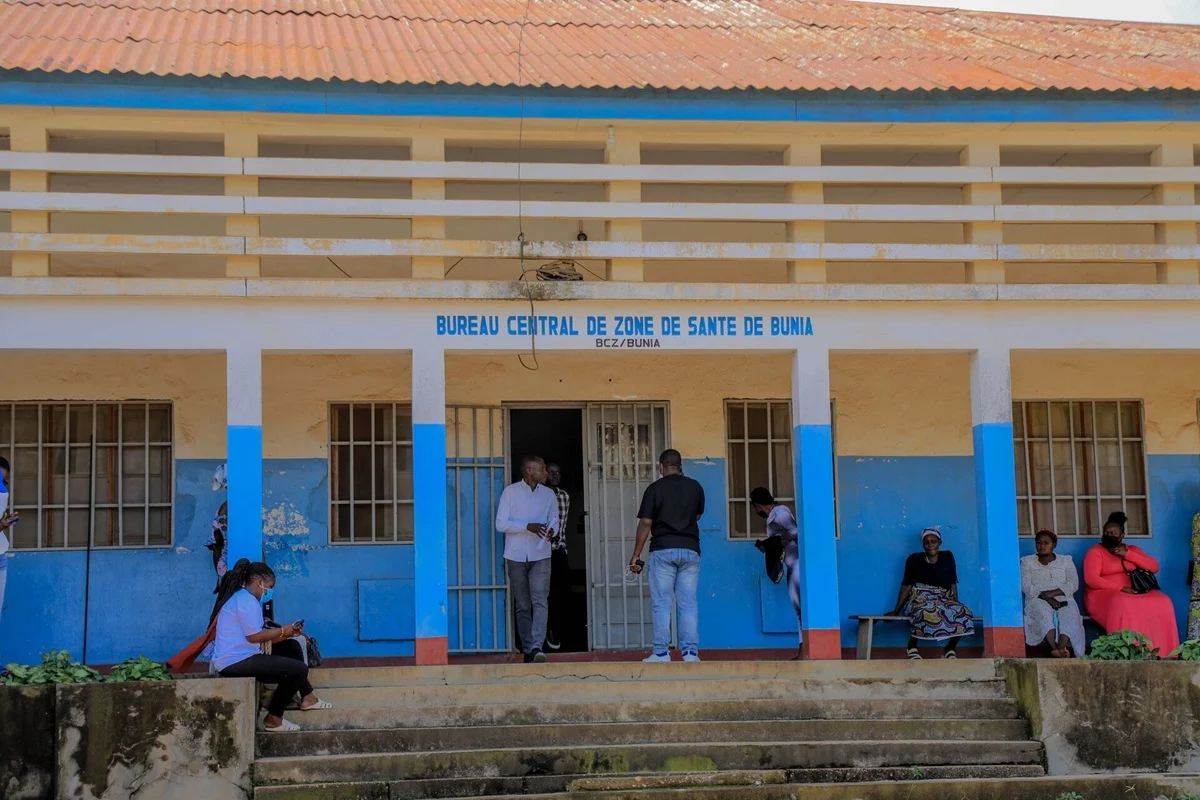
The World Health Organization (WHO) has officially launched its first comprehensive set of clinical guidelines for the management of filovirus diseases, marking a pivotal shift in the global strategy to combat some of the world’s most lethal pathogens. This move comes at a critical juncture as the Democratic Republic of the Congo (DRC) navigates a challenging outbreak of Ebola caused by the Bundibugyo virus. The newly released framework, which covers all known types of Ebola and Marburg viruses, emphasizes 16 evidence-based recommendations centered on early supportive care. By standardizing the medical response to these high-consequence infections, the WHO aims to drastically improve survival rates and health outcomes in regions where these diseases remain an endemic threat.
Filoviruses, characterized by their thread-like structure, include the various species of Ebola virus—such as Zaire, Sudan, and Bundibugyo—as well as the Marburg virus. These pathogens cause severe hemorrhagic fevers that can lead to rapid organ failure and death. Historically, case fatality rates (CFR) for these diseases have fluctuated wildly, ranging from 25% to as high as 90% depending on the strain, the speed of the medical response, and the quality of the healthcare infrastructure. The absence of licensed vaccines or targeted therapeutics for the Marburg, Bundibugyo, and Sudan viruses makes these new clinical guidelines particularly vital, as they provide a blueprint for "optimized supportive care," which remains the most effective tool for saving lives in these specific contexts.
A New Paradigm in Clinical Management
The development of these guidelines represents the culmination of years of scientific inquiry and lessons learned from the front lines of previous outbreaks. Developed through extensive global expert consultations in locations such as Brazzaville, the guidelines translate complex scientific data into actionable steps for frontline health workers. The primary objective is to move away from the "containment-only" mindset of the past and toward a "patient-centered" approach that prioritizes aggressive clinical intervention.
The 16 recommendations outlined in the document address the full spectrum of patient care. Central to the guidelines is the early identification of clinical deterioration. Filovirus diseases often progress rapidly; a patient who appears stable in the morning can enter septic shock by the afternoon. The WHO now advocates for rigorous monitoring protocols that allow clinicians to intervene before a patient’s condition becomes irreversible.
Key areas of focus include the management of dehydration and shock. Severe diarrhea and vomiting are hallmark symptoms of filovirus infections, leading to massive fluid loss and electrolyte imbalances. The new guidelines provide specific protocols for fluid resuscitation and the maintenance of electrolyte levels, which are critical for preventing kidney failure and cardiac arrest. Furthermore, the guidelines address nutritional support and the safe delivery of critical interventions, such as oxygen therapy and the management of secondary infections, ensuring that health workers can provide high-level care without compromising their own safety.
Historical Context and the Evolution of Filovirus Outbreaks
Since the Marburg virus was first identified in 1967—following simultaneous outbreaks in Marburg and Frankfurt, Germany, and Belgrade, Serbia—the African continent has faced 72 recorded outbreaks of filovirus diseases. These events have not only caused significant loss of life but have also devastated local economies and placed immense psychological strain on affected communities.
The 1976 outbreaks in Zaire (now the DRC) and Sudan first brought the Ebola virus to global attention. For decades, outbreaks remained relatively contained in remote, rural areas. However, the 2013–2016 West Africa Ebola outbreak changed the global perception of the threat. Affecting Guinea, Liberia, and Sierra Leone, it resulted in over 28,000 cases and 11,000 deaths, demonstrating that filoviruses could penetrate urban centers and cross international borders with ease.
In recent years, the frequency of these outbreaks appears to be increasing. The DRC has faced multiple Zaire ebolavirus outbreaks in its eastern provinces, while Marburg virus disease has recently emerged in countries like Equatorial Guinea and Tanzania. The current Bundibugyo virus outbreak in the DRC serves as a "stark reminder," according to WHO Director-General Dr. Tedros Adhanom Ghebreyesus, of the persistent threat posed by these viruses and the necessity of a standardized medical response.
Strategic Importance for Health Systems and Policy Makers
Beyond the bedside, the WHO guidelines are designed to serve as a strategic tool for health facility administrators and national policy makers. By harmonizing clinical approaches, the WHO aims to streamline the procurement of essential medical supplies. The guidelines provide a clear list of the biomedical equipment, laboratory reagents, and human resources required to manage an outbreak effectively.
This standardization is expected to reduce the "trial and error" phase that often occurs at the beginning of an outbreak. When health authorities have a pre-defined set of protocols, they can mobilize resources more efficiently, reducing the time between the detection of the first case and the implementation of life-saving care. Furthermore, the guidelines emphasize the importance of "structured follow-up" for survivors. Recovered patients often face long-term health challenges, including vision loss, joint pain, and psychological trauma, as well as the potential for viral persistence in certain body fluids. The new framework provides a roadmap for integrating survivor care into the broader public health response.
Official Perspectives on Global Preparedness
The release of these guidelines has been met with support from the international health community. Dr. Tedros Adhanom Ghebreyesus emphasized that these recommendations are a "perfect example of how WHO leverages science to better protect and care for people during outbreaks." He noted that the focus on "human dignity" is a cornerstone of the new approach, ensuring that patients are not just treated as biological threats to be isolated, but as individuals deserving of high-quality medical attention.
Global health experts suggest that the integration of these guidelines into national preparedness plans will be a litmus test for global health security. The theme of World Health Day 2026, "Together for health. Stand with science," underscores this commitment. The WHO is calling on governments to not only adopt these recommendations but to invest in the training of healthcare workers and the fortification of laboratory networks to ensure they can be executed effectively when the next outbreak occurs.
Data and Analysis: The Impact of Optimized Supportive Care
The shift toward optimized supportive care (oSC) is backed by significant clinical data. During the 2018–2020 Ebola outbreak in the eastern DRC, clinical trials (such as the PALM trial) demonstrated that while experimental therapeutics like monoclonal antibodies significantly improved survival, the foundation of that success was the high level of supportive care provided to all participants.
In outbreaks where specific antivirals are not yet available—as is currently the case for the Bundibugyo and Marburg viruses—optimized supportive care is the only intervention shown to reduce the case fatality rate. Data suggests that aggressive rehydration and electrolyte management alone can reduce mortality by up to 30% in some settings. By providing a standardized "foundation" of care, the WHO guidelines also create a stable environment for the conduct of clinical research. When the baseline care is consistent, researchers can more accurately measure the efficacy of new drugs and vaccines.
Broader Implications and Future Outlook
The implications of these guidelines extend far beyond the immediate management of filoviruses. They represent a broader movement toward "One Health" and pandemic preparedness. As human populations expand into previously undisturbed ecosystems, the frequency of zoonotic spillovers—where viruses jump from animals (such as fruit bats) to humans—is expected to rise. Filoviruses are a prime example of this phenomenon.
The psychological and socio-economic impacts of filovirus outbreaks cannot be overstated. The fear associated with these diseases often leads to the breakdown of trust between communities and health authorities, sometimes resulting in violence or the concealment of cases. By prioritizing "person-focused medical care," the WHO hopes to rebuild this trust. When communities see that a diagnosis is not a death sentence and that patients are treated with dignity and advanced medical care, they are more likely to engage with surveillance and prevention efforts.
As the world looks toward 2026 and beyond, the WHO’s first comprehensive filovirus guidelines stand as a testament to the power of global scientific collaboration. While the threat of Ebola and Marburg may never be entirely eliminated, the transition from reactive crisis management to proactive, evidence-based clinical care offers a beacon of hope for the vulnerable populations most at risk. The challenge now lies in the implementation: ensuring that a health worker in a rural clinic in the DRC has the same access to these life-saving protocols and resources as a clinician in a modern urban hospital. Through science, solidarity, and a commitment to human dignity, the global health community takes a significant step forward in the long-standing battle against filovirus diseases.
