
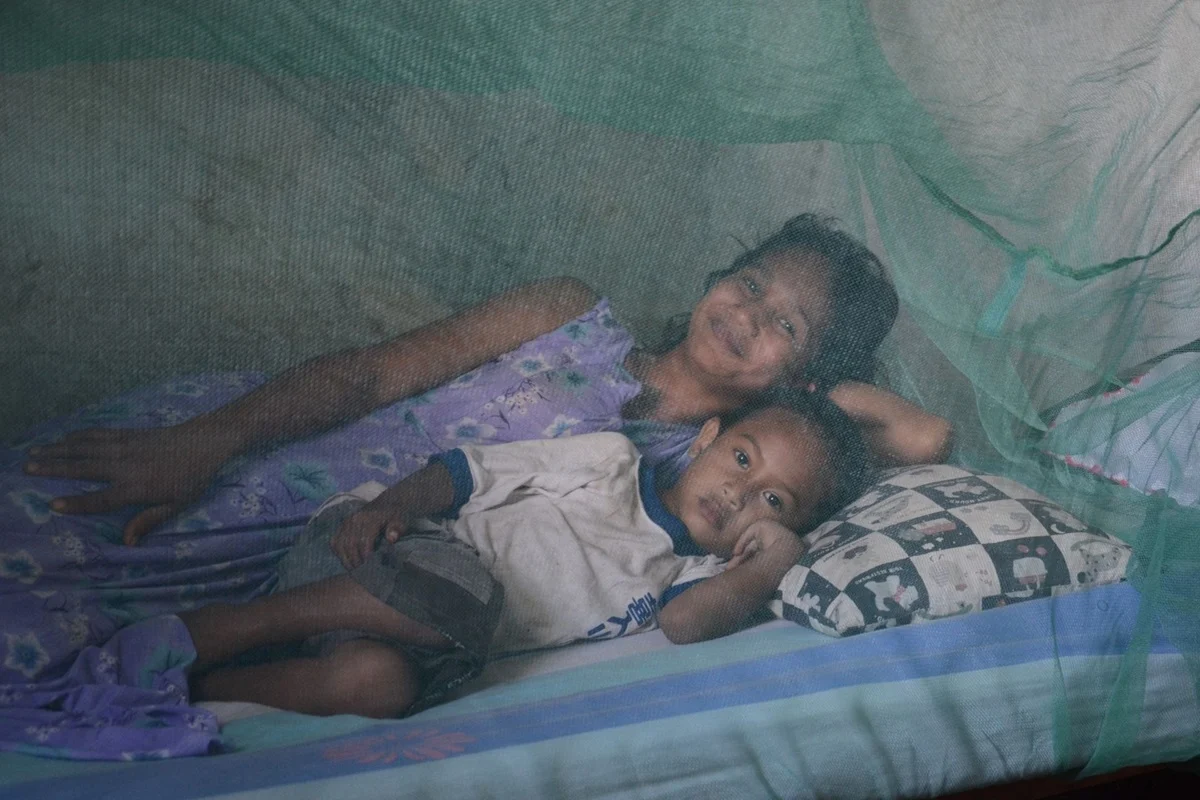
The announcement represents a monumental shift for a country that, following its formal independence in 2002, faced a staggering public health crisis defined by high malaria morbidity and limited infrastructure. The certification, granted by the World Health Organization (WHO), confirms that Timor-Leste has successfully interrupted the chain of indigenous malaria transmission for three consecutive years. This achievement places the nation among an elite group of only 47 countries and one territory globally to have attained malaria-free status, and it is the third country in the WHO South-East Asia region to reach this milestone, following the Maldives in 2015 and Sri Lanka in 2016.
The Trajectory of Elimination: From Crisis to Control
The journey toward this certification began in the early years of the 21st century. In 2002, the newly independent nation was grappling with a high burden of communicable diseases, with malaria acting as a primary driver of morbidity and mortality. By 2006, the situation reached a critical point, with the Ministry of Health reporting a peak of more than 223,000 clinically diagnosed cases of the disease. This figure underscored the urgent need for a structured, national response.
In response to the crisis, the Ministry of Health established the National Malaria Programme in 2003. Initially operating with a skeletal staff of only two full-time officers, the program prioritized the creation of a robust framework for surveillance, diagnosis, and treatment. The strategic focus was twofold: to build a sustainable diagnostic capacity at the point of care and to implement aggressive vector control measures. By 2009, the scale of these interventions increased significantly through partnerships, most notably with the Global Fund to Fight AIDS, Tuberculosis, and Malaria.
The evolution of the national response followed a clear, decade-long chronology of intervention:
- 2003: Formation of the National Malaria Programme and the initial establishment of planning and monitoring protocols.
- 2005–2008: Integration of rapid diagnostic tests (RDTs) and artemisinin-based combination therapies (ACTs) into the national guidelines, standardizing care across health facilities.
- 2009–2012: Nationwide scaling of vector control, including the mass distribution of long-lasting insecticide-treated nets (LLINs) and the deployment of indoor residual spraying (IRS).
- 2015–2020: Strengthening of the surveillance system, focusing on real-time data collection and case-based investigation to ensure that every potential transmission point was identified and neutralized.
- 2021: The nation reached the critical threshold of zero indigenous cases, maintaining this status through the subsequent years required for official WHO validation.
Infrastructure and Strategic Implementation
The success of Timor-Leste’s malaria campaign is inseparable from its broader commitment to universal health coverage. Recognizing that malaria control is only as effective as the reach of the healthcare system, the government developed a three-tier medical network. This structure comprises national hospitals, regional reference hospitals, community health centers (CHCs), and localized health posts.
The strategy was designed to ensure that the vast majority of the population—including those in the most remote, mountainous regions—could access medical care within a one-hour walk. By providing these services free of charge at the point of care, the government eliminated the financial barriers that often prevent lower-income citizens from seeking diagnostic testing. Furthermore, the implementation of monthly mobile clinics and dedicated community outreach programs allowed health workers to maintain high levels of vigilance in rural areas, effectively creating a safety net that caught emerging cases before they could spark localized outbreaks.
Technical leadership was provided by the systematic training of health personnel. By ensuring that microscopists and clinical staff at every level of the health system were proficient in malaria detection, the country reduced the time between symptom onset and treatment, thereby shortening the period during which an infected individual could transmit the parasite to mosquitoes.
Official Responses and International Recognition
Dr. Tedros Adhanom Ghebreyesus, the Director-General of the World Health Organization, praised the nation’s persistence in a formal statement. "Timor-Leste’s success proves that malaria can be stopped in its tracks when strong political will, smart interventions, sustained domestic and external investment, and dedicated health workers unite," he noted.
The sentiment was echoed by Dr. Lia António de Araújo dos Reis Amaral, the Minister of Health of Timor-Leste, who framed the achievement as a tribute to the resilience of the Timorese people. "Malaria has been one of our most relentless enemies—silent, persistent, and deadly," she stated. "From 223,000 cases to zero—this elimination honors every life lost and every life now saved."
Dr. Arvind Mathur, the WHO Representative to Timor-Leste, emphasized that the victory requires ongoing vigilance. "Ending transmission and maintaining zero deaths takes more than science; it takes grit. This victory protects generations, present and future, and shows what a determined country can achieve," he said. The certification process itself is rigorous, involving a recommendation from the WHO’s Technical Advisory Group on Malaria Elimination and Certification, followed by validation from the Malaria Policy Advisory Group, ensuring that the evidence of zero transmission is beyond reasonable doubt.
Analytical Perspectives: The Broader Impact
The elimination of malaria in Timor-Leste provides a valuable case study for other nations in the South-East Asia region and beyond. It demonstrates that rapid transition from a high-burden status to elimination is possible, even in nations with limited initial resources, provided there is a focus on data-driven surveillance and universal access to care.
The implications of this milestone are twofold. First, it significantly improves the long-term health outcomes for the Timorese population, reducing the strain on the healthcare system and allowing for the redirection of resources toward other health priorities, such as non-communicable diseases and maternal health. Second, it serves as a regional success story that underscores the effectiveness of international partnerships. The collaboration between the Ministry of Health, the WHO, and organizations like the Global Fund highlights the necessity of multi-sectoral cooperation in global health security.
However, the risk of re-introduction remains a constant concern for any malaria-free nation. Timor-Leste must now pivot its strategy toward "prevention of re-establishment." This involves maintaining the vigilance of the surveillance system, particularly at international borders and ports of entry, where travelers from malaria-endemic regions could potentially reintroduce the parasite. Continued training for health workers and the maintenance of a robust, real-time data monitoring system will be essential to ensure that the country remains malaria-free.
The certification is not merely a bureaucratic milestone; it is a profound testament to the efficacy of the country’s public health policies over the last two decades. By integrating community-level action with high-level technical oversight, Timor-Leste has transformed from a state where malaria was an expected part of life into a model of success for the global public health community. The triumph of reaching zero cases serves as an indicator that, with sustained investment and political commitment, the global goal of malaria eradication remains an attainable objective.
