
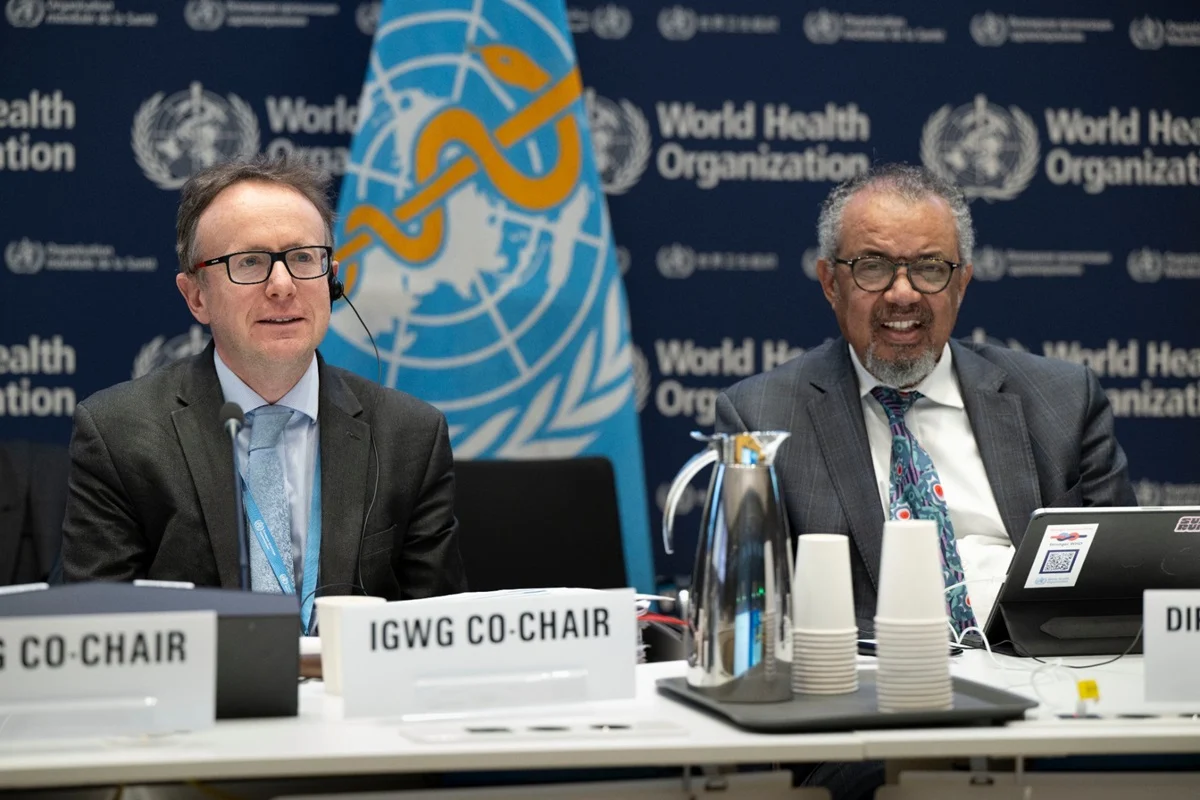
The World Health Organization (WHO) Member States have reached a consensus to extend negotiations regarding the Pathogen Access and Benefit Sharing (PABS) annex to the WHO Pandemic Agreement, with a new round of high-level discussions scheduled to resume in late April. This strategic extension aims to bridge significant gaps in the proposed framework before it is presented for formal consideration at the 77th World Health Assembly (WHA) in May 2024. The decision to prolong the negotiating window, specifically from April 27 to May 1, follows a week of intensive deliberations where delegates acknowledged the complexity of creating a legally binding system that balances rapid scientific data sharing with equitable access to medical countermeasures.
This extension includes a commitment to informal intersessional discussions, a move intended to foster diplomatic breakthroughs on several contentious issues that have historically divided high-income nations and the Global South. The PABS system is widely regarded as the "heart" of the broader Pandemic Agreement, serving as the primary mechanism to prevent a recurrence of the inequities witnessed during the COVID-19 pandemic. By formalizing the exchange of biological materials and genetic sequence data for life-saving products, the WHO aims to establish a new global standard for health security.
The Strategic Importance of the PABS System
The Pathogen Access and Benefit Sharing system is designed to rectify a long-standing imbalance in global health. Under current practices, developing nations often share samples of emerging pathogens with the international community for research purposes. However, these same nations frequently find themselves at the back of the queue when the resulting vaccines, diagnostics, and therapeutics are distributed. The PABS annex seeks to institutionalize a "grand bargain": countries provide timely access to pathogen samples and sequence data, and in return, they receive guaranteed, real-time access to a portion of the production of pandemic-related health products.
During the recent negotiating sessions, Member States focused on the technicalities of this exchange. The discussions centered on how "benefits" should be defined and the specific percentages of vaccine and drug production that should be set aside for global distribution via the WHO. Proponents of the system argue that without a legally binding framework, the world remains vulnerable to "vaccine nationalism," where wealthy countries secure the lion’s share of supplies, leaving the rest of the world at risk and allowing the virus more opportunities to mutate.
Historical Context and the Evolution of the Pandemic Accord
The impetus for the WHO Pandemic Agreement dates back to the special session of the World Health Assembly in December 2021. Recognizing that the COVID-19 pandemic had exposed systemic failures in the International Health Regulations (IHR 2005), Member States established an Intergovernmental Negotiating Body (INB) to draft and negotiate a convention, agreement, or other international instrument under the WHO Constitution.
The PABS annex emerged as a critical pillar of this accord. It draws inspiration from the 2011 Pandemic Influenza Preparedness (PIP) Framework, which manages the sharing of influenza viruses with human pandemic potential. However, the current negotiations seek to expand this concept to all pathogens with pandemic potential, including "Pathogen X"—unknown viruses that could trigger future crises.
The journey toward this agreement has been marked by several milestones:
- December 2021: Formal launch of the INB process.
- February 2023: Publication of the "Zero Draft" of the Pandemic Accord.
- May 2023: Discussions at the 76th WHA highlighting the need for stronger equity provisions.
- March 2024: The latest round of intensive negotiations under the Intergovernmental Working Group (IGWG) which led to the current extension.
Quantitative Impact: Lessons from COVID-19
The necessity of the PABS system is underscored by the stark data emerging from the 2020–2023 period. According to various public health studies, the lack of a coordinated global benefit-sharing mechanism contributed to a significant disparity in vaccination rates. By mid-2021, while some high-income countries had vaccinated over 70% of their populations, many low-income countries had reached less than 3%.
Economic analysis by the International Monetary Fund (IMF) and the World Bank estimated that the COVID-19 pandemic resulted in a cumulative global output loss of nearly $13.8 trillion through 2024. Public health experts argue that a functional PABS system could have shortened the pandemic’s duration by ensuring that healthcare workers and vulnerable populations worldwide were protected simultaneously, rather than sequentially by national wealth.
Furthermore, the sharing of Genetic Sequence Data (GSD) has become a focal point of the data-driven era. During the Omicron wave, South African scientists shared sequence data within days of discovery. While this allowed for the rapid update of diagnostic tests and vaccines globally, it also led to immediate travel bans on the region, highlighting the "punishment" countries sometimes face for transparency. The PABS annex aims to replace such reactive measures with a predictable system of rewards and protections.
Official Responses and Diplomatic Perspectives
The leadership of the WHO and the co-chairs of the negotiating bodies have expressed a cautious optimism regarding the extension. Dr. Tedros Adhanom Ghebreyesus, WHO Director-General, emphasized that the PABS system is fundamental to the integrity of the entire agreement.
"The Pathogen Access and Benefit Sharing system lies at the heart of the WHO Pandemic Agreement and I thank WHO Member States for their commitment to work to bring it to life," Dr. Tedros stated. He further urged delegations to prioritize collective security over narrow interests, stating, "I urge all delegations to believe in the power of trust—trust in one another, in our institutions, and in our shared ability to transcend differences for the common public good, for solidarity and for equity."
Ambassador Tovar da Silva Nunes of Brazil, serving as the IGWG Bureau Co-Chair, highlighted the intensity of the work ahead. "Member State negotiators are working intensively towards having an ambitious and equitable Pathogen Access and Benefits Sharing annex ready for adoption at the World Health Assembly in May," he noted. Brazil, representing many emerging economies, has been a vocal advocate for ensuring that "benefit sharing" includes not just finished products, but also the transfer of technology and regional manufacturing capabilities.
From the perspective of the Global North, Mr. Matthew Harpur of the United Kingdom, also an IGWG Bureau Co-Chair, welcomed the progress made during the recent week of talks. "With less than two months until the World Health Assembly in May, I welcome the commitment shown this week by Member States towards finding consensus on outstanding areas in the Pathogen Access and Benefit Sharing system," Harpur said. His comments reflect a desire among developed nations to ensure the system is administratively feasible and does not stifle private-sector innovation.
Critical Challenges and Sticking Points
Despite the consensus to continue talking, several "red line" issues remain. These include:
- Monetary vs. Non-Monetary Benefits: There is ongoing debate over whether pharmaceutical companies should pay a percentage of their revenue into a global health fund in addition to providing physical products.
- Intellectual Property (IP): Some Member States argue that the PABS system should include waivers for IP rights during pandemics to allow for local production. High-income nations generally prefer a system that respects existing patent laws while using voluntary licensing.
- Governance and Compliance: Establishing who will manage the PABS system and how to ensure countries and private entities comply with their sharing obligations is a major hurdle. There are calls for an independent oversight body to ensure transparency and public interest.
- The Role of GSD: Some nations insist that Genetic Sequence Data should be treated the same as physical biological samples under the Nagoya Protocol on Access and Benefit-sharing, which recognizes national sovereignty over biological resources. Others argue that GSD should be "open access" to maximize scientific progress.
Broader Implications for Global Health Governance
The outcome of the April negotiations will likely determine the success of the entire WHO Pandemic Agreement. If a robust PABS annex is adopted, it would represent the most significant shift in international health law since the revision of the IHR in 2005. It would move global health response from a model of "charity and ad-hoc donations" to one of "legal obligation and structured equity."
Furthermore, the PABS system has implications for the "One Health" approach, which recognizes the interconnection between human, animal, and environmental health. By creating a framework for sharing zoonotic pathogens (those that jump from animals to humans), the WHO hopes to identify threats long before they become global pandemics.
The upcoming sessions from April 27 to May 1 will be the final opportunity for negotiators to harmonize their positions. The eyes of the global health community, civil society, and the pharmaceutical industry are now fixed on Geneva. The goal is clear: to ensure that when the next pathogen emerges, the world is not only ready to detect it but is legally and morally prepared to share the tools needed to defeat it.
As the World Health Assembly approaches in late May, the commitment to "solidarity and multilateralism" reaffirmed by the Member States will be put to its ultimate test. The success of these negotiations will not only define the legacy of the current WHO leadership but will also establish the safety net for future generations in an increasingly interconnected and biologically volatile world.
