
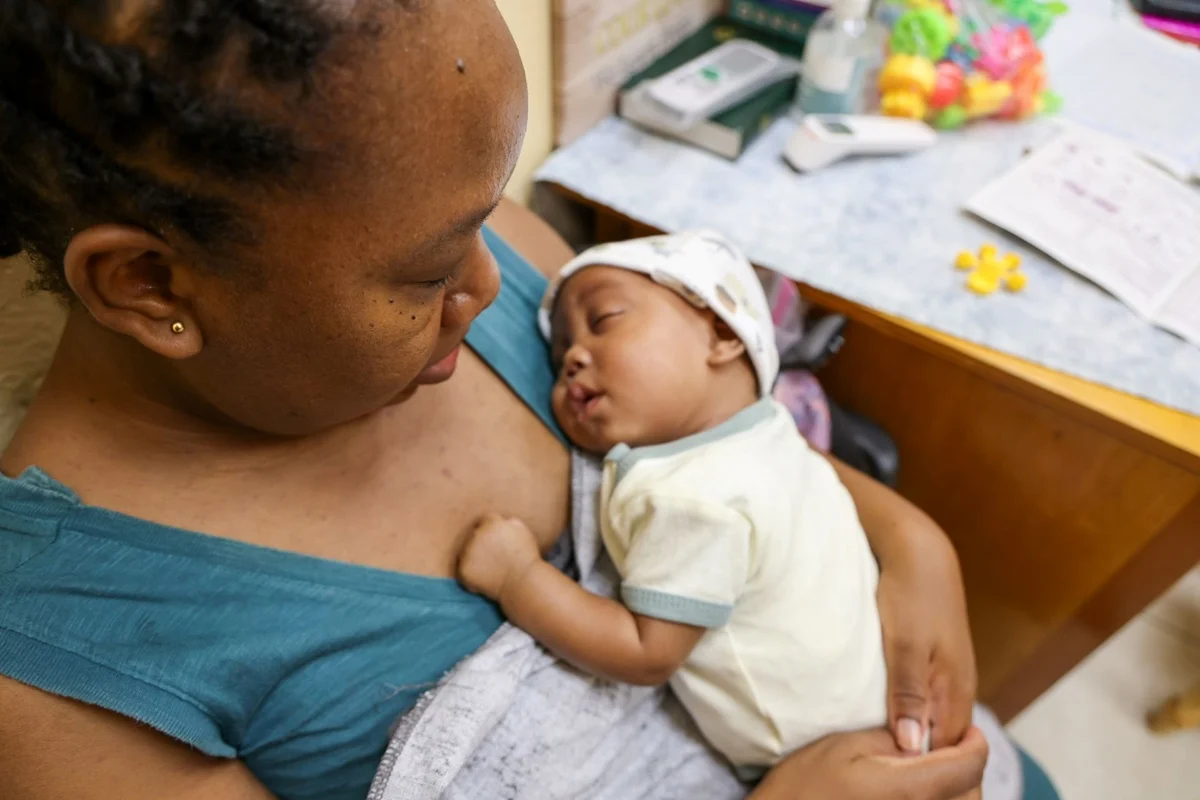
The World Health Organization (WHO) has officially certified the Commonwealth of The Bahamas as having eliminated the mother-to-child transmission (EMTCT) of HIV, marking a historic milestone for public health in the Caribbean. This achievement, announced following a rigorous validation process, positions The Bahamas as a regional leader in the global fight against the HIV/AIDS epidemic and underscores the effectiveness of sustained political will and integrated primary healthcare. The certification recognizes that the country has successfully reduced the rate of vertical transmission—from mother to child during pregnancy, labor, delivery, or breastfeeding—to a level that no longer constitutes a significant public health threat.
This milestone is the culmination of decades of strategic investment in maternal and child health services. By reaching this goal, The Bahamas joins an elite group of nations in the Americas that have been recognized for their ability to protect the next generation from HIV. The achievement was lauded by international health leaders as a "beacon of hope" for other island nations and developing states grappling with similar public health challenges. The validation process involved an intensive review of national data, laboratory capacity, and the quality of care provided to pregnant women and their infants across the Bahamian archipelago.
Global Recognition of a National Triumph
The announcement drew immediate praise from the highest levels of global health governance. Dr. Tedros Adhanom Ghebreyesus, WHO Director-General, emphasized the long-term impact of this achievement on the nation’s youth. "I congratulate The Bahamas on this outstanding achievement, which solidifies years of political commitment and the dedication of health workers," Dr. Tedros stated. He noted that by ensuring children are born free of HIV, the country is securing a healthier and brighter future for the next generation. The Director-General’s comments reflect a broader global strategy to end the AIDS epidemic as a public health threat by 2030, a goal that requires the total elimination of new infections among children.
Dr. Jarbas Barbosa, Director of the Pan American Health Organization (PAHO) and WHO Regional Director for the Americas, highlighted the regional significance of the certification. He noted that the success of The Bahamas is a reflection of sustained political leadership and the compassion of the health workforce. "As we look ahead, this milestone is not only a moment of national pride but also an opportunity to build on this success, advancing efforts to end HIV and other communicable diseases as public health threats across the Caribbean and the Americas," Dr. Barbosa said. His remarks point to the "Elimination Initiative," a PAHO-led effort aiming to rid the region of more than 30 communicable diseases by the end of the decade.
The Strategic Framework for Elimination
The success of The Bahamas is rooted in a comprehensive and inclusive healthcare model that prioritizes equity. A cornerstone of this strategy is the provision of universal antenatal care to all pregnant women, regardless of their nationality or legal status. This "no-barriers" approach ensures that even the most vulnerable populations, including migrant communities, have access to life-saving screenings and treatments. By removing financial and legal obstacles to care, the Bahamian government has been able to maintain high rates of testing and treatment adherence, which are critical for preventing transmission.
The national protocol involves a dual-screening process: every pregnant woman is tested for HIV at her first antenatal appointment and again during the third trimester. This "safety net" approach captures late-term infections that might otherwise be missed. For women who test positive, the healthcare system provides immediate access to antiretroviral therapy (ART). Furthermore, the country has integrated pre-exposure prophylaxis (PrEP) into its maternal health services, offering an additional layer of protection for women at high risk of contracting HIV during pregnancy.
To support these clinical efforts, The Bahamas has invested heavily in an integrated laboratory network. This network allows for rapid testing and monitoring, ensuring that viral loads in HIV-positive mothers are suppressed to undetectable levels before delivery. The continuity of care extends into the postpartum period, with the health system providing multi-month dispensing of medicines and specialized monitoring for exposed infants to ensure they remain HIV-negative.
A Chronology of Public Health Progress
The journey to EMTCT certification in The Bahamas did not happen overnight; it is the result of a decades-long evolution in public health policy. In the 1980s and 1990s, the Caribbean region faced some of the highest HIV prevalence rates in the world, second only to sub-Saharan Africa. The Bahamas was particularly hard hit, prompting the government to launch the National HIV/AIDS Programme in the early 1990s.
By the early 2000s, the introduction of highly active antiretroviral therapy (HAART) began to change the landscape. The Bahamas was one of the first countries in the region to offer free ART to its citizens, a move that drastically reduced AIDS-related mortality. In 2010, the country aligned its national goals with the regional EMTCT initiative launched by PAHO. Over the subsequent decade, the Ministry of Health and Wellness worked to decentralize HIV services, moving care from centralized hospitals in Nassau to primary care clinics across the "Family Islands." This decentralization was vital for an archipelagic nation, ensuring that a pregnant woman on a remote island like Andros or Eleuthera received the same standard of care as one in the capital.
The final push for certification began in the late 2010s, as the country refined its data collection and surveillance systems. Despite the challenges posed by Hurricane Dorian in 2019 and the global COVID-19 pandemic, the Bahamian health system maintained its focus on maternal health, proving the resilience of its integrated care model.
Supporting Data and International Standards
To receive WHO certification for the elimination of mother-to-child transmission of HIV, a country must meet rigorous impact and process targets. These criteria are designed to ensure that elimination is not just a temporary dip in numbers, but a sustained public health achievement. The primary impact target for HIV is a transmission rate of less than 2% in non-breastfeeding populations or less than 5% in breastfeeding populations. Additionally, the country must demonstrate an incidence rate of new pediatric HIV infections of less than or equal to 0.5 cases per 1,000 live births.
The Bahamas met and exceeded these benchmarks through high coverage rates:
- Antenatal Care Coverage: More than 95% of pregnant women received at least one antenatal visit.
- Testing Coverage: More than 95% of pregnant women were tested for HIV.
- Treatment Coverage: More than 95% of HIV-positive pregnant women received antiretroviral therapy.
These statistics are supported by a "rights-based" approach to health. By providing STI treatment and family planning services free of charge, The Bahamas has reduced the overall burden of reproductive health issues, which in turn supports the specific goal of HIV elimination.
Institutional Reactions and Regional Impact
The achievement has been celebrated by international partners who have supported The Bahamas on this journey. Anurita Bains, Global Associate Director for HIV/AIDS at UNICEF, noted that Latin America and the Caribbean have long been a "beacon of progress" in this global effort. "From Cuba—the first country in the world to be certified—to Brazil’s certification last year, and now to The Bahamas, the region continues to lead with ambition and determination," Bains said. She highlighted that more than half of all countries globally that have achieved elimination are located in the Americas.
Winnie Byanyima, Executive Director of UNAIDS, emphasized the role of community and primary care. "The Bahamas are showing that eliminating mother-to-child transmission of HIV and other sexually transmitted infections is possible," she stated. Byanyima pointed out that the success reflects a steady investment in primary healthcare and the tireless work of health teams and people living with HIV. "When women can test early in pregnancy, start treatment quickly, and stay in care, every child has a better chance of being born free of HIV," she added.
Analysis of Implications and Future Challenges
The certification of The Bahamas carries significant implications for the broader Caribbean region. It serves as a "proof of concept" that small island developing states (SIDS) can achieve complex global health targets despite geographic and economic constraints. The Bahamian model—integrating HIV care into general maternal and child health services—is now being looked at as a blueprint for other nations.
However, the WHO and the Bahamian Ministry of Health and Wellness emphasize that "elimination" does not mean the work is over. The status must be maintained through continuous surveillance and sustained funding. The threat of "re-emergence" is always present, particularly if screening rates drop or if there are disruptions in the supply chain for antiretroviral medications.
Furthermore, The Bahamas’ success is part of the "EMTCT Plus" initiative. This expanded framework aims to eliminate not just HIV, but also syphilis, hepatitis B, and congenital Chagas disease. While the current certification focuses on HIV, the infrastructure built to achieve this goal—such as the robust laboratory networks and universal antenatal screening—provides the necessary foundation to tackle these other diseases.
Conclusion: A Legacy of Leadership
As The Bahamas celebrates this milestone, the focus remains on the "Elimination Initiative" 2030 goals. The country’s ability to provide high-quality, equitable care across a fragmented geography stands as a testament to its public health infrastructure. Dr. Michael Darville, Minister of Health and Wellness, credited the success to the collective effort of the entire health workforce. "A lot of people have been involved in us achieving this great milestone—our nurses in our public health system, our nurses and doctors in our tertiary healthcare system and, by extension, all of the clinics spread throughout our archipelago," he said.
By joining the prestigious group of 12 countries and territories in the Americas at the forefront of the EMTCT movement, The Bahamas has transitioned from a country once heavily burdened by the HIV epidemic to a global leader in its prevention. This legacy of leadership not only protects the current generation of Bahamian children but also provides a roadmap for the rest of the world to follow in the quest for an AIDS-free generation.
