
The World Health Organization (WHO) has officially released its recommendations for the viral composition of influenza vaccines for the 2026-2027 Northern Hemisphere season, marking a critical milestone in the global effort to mitigate the impact of seasonal respiratory diseases. This announcement follows an intensive four-day consultation involving an international panel of experts who analyzed comprehensive surveillance data collected through the Global Influenza Surveillance and Response System (GISRS). The recommendations serve as the definitive blueprint for national regulatory authorities and pharmaceutical manufacturers as they begin the complex process of developing, testing, and mass-producing vaccines to protect hundreds of millions of people worldwide against the latest circulating strains of the flu.
Influenza viruses are characterized by their remarkable ability to undergo constant genetic and antigenic changes, a process known as antigenic drift. This evolutionary agility necessitates the biannual updating of vaccine compositions—once for the Northern Hemisphere and once for the Southern Hemisphere—to ensure the highest possible degree of "match" between the vaccine and the viruses that are expected to dominate the upcoming season. A close match is essential for reducing the incidence of severe illness, hospitalizations, and the estimated 290,000 to 650,000 respiratory deaths attributed to influenza annually.
The Consultation Process and the Role of GISRS
The recommendations are the result of a rigorous scientific review conducted by experts from WHO Collaborating Centres and Essential Regulatory Laboratories. These institutions form the backbone of the Global Influenza Surveillance and Response System (GISRS), a network that has operated since 1952. As the world’s longest-standing platform for systematic disease surveillance, GISRS monitors the spread and evolution of influenza viruses across the globe throughout the year.
During the four-day consultation, experts reviewed epidemiological data, genetic sequences of circulating viruses, and results from laboratory tests measuring the ability of existing vaccine-induced antibodies to neutralize newly emerged variants. This data-driven approach allows the WHO to predict which strains are most likely to pose a threat in the coming months.
Dr. Tedros Adhanom Ghebreyesus, WHO Director-General, emphasized the collaborative nature of this endeavor. "Season after season, constantly evolving influenza viruses circulate globally, showing us how connected our world is," Dr. Tedros stated. "Shared risks require shared action. WHO’s recommendations for influenza vaccine composition rest on the diligent, year-round work of the GISRS and its partners. Thanks to this system, next season’s vaccines have been updated to counter the latest strains of influenza viruses, in turn better protecting communities."
The Emergence and Dominance of Subclade K
A primary focus of the recent consultation was the rapid global spread of a new variant of the A(H3N2) virus. In August 2025, surveillance systems identified a notably different variant classified as J.2.4.1, more commonly referred to in technical circles as "subclade K." This variant demonstrated a significant fitness advantage over previous strains, allowing it to spread rapidly across multiple continents.
The emergence of subclade K contributed to an unusually early start to the influenza season in several countries during the latter half of 2025. Public health agencies reported higher-than-usual levels of influenza activity, with subclade K accounting for the vast majority of reported cases in most regions. The dominance of this variant necessitated a specific update to the A(H3N2) component of the 2026-2027 vaccine to ensure that the immune response triggered by vaccination is effective against this prevailing strain.
In addition to A(H3N2), the WHO reviewed the status of influenza A(H1N1)pdm09 and influenza B viruses. While influenza A viruses remained the predominant cause of illness globally, the A(H1N1) subtype continued to circulate alongside various A(H3N2) variants. Meanwhile, influenza B viruses of the Victoria lineage were detected at lower levels, continuing a trend observed over the past several seasons.
The Continued Absence of the B/Yamagata Lineage
One of the most significant observations in recent years, reaffirmed during the latest consultation, is the total absence of the influenza B/Yamagata lineage. No confirmed cases of B/Yamagata have been recorded in the GISRS database since March 2020. Experts believe that the public health measures implemented during the COVID-19 pandemic, combined with the lower evolutionary rate of influenza B viruses compared to influenza A, may have driven this specific lineage to extinction.
This ongoing absence has profound implications for vaccine manufacturing. For decades, quadrivalent vaccines—which include two influenza A strains and two influenza B strains (Victoria and Yamagata)—have been the standard. However, because B/Yamagata is no longer circulating, the WHO has moved toward recommending trivalent vaccines or phasing out the Yamagata component to streamline production and focus resources on more relevant threats. The transition away from B/Yamagata is a testament to how global shifts in human behavior and public health interventions can permanently alter the landscape of viral circulation.
Zoonotic Influenza and Pandemic Preparedness
Beyond seasonal influenza, the WHO consultation dedicated significant time to assessing zoonotic influenza—viruses that circulate in animals but have the potential to infect humans. These viruses, including various strains of "bird flu" (avian influenza) and "swine flu," remain a top priority for global health security due to their pandemic potential.
Since the previous consultation in September 2025, a total of 25 human infections with zoonotic influenza were reported to the WHO from six different countries. Investigative data revealed that the majority of these cases resulted from direct exposure to infected animals or environments contaminated with animal waste. Crucially, no evidence of sustained human-to-human transmission was found in any of these instances.
To bolster pandemic preparedness, the WHO experts recommended the development of a new candidate vaccine virus (CVV) for the A(H9N2) virus. CVVs are "seed" viruses used by manufacturers to jumpstart the production of vaccines in the event that a zoonotic virus begins to spread efficiently among humans. By identifying and preparing these viruses in advance, the international community can significantly reduce the lead time required to deploy a vaccine during a public health emergency.
Specific Recommendations for 2026-2027 Vaccine Composition
The WHO’s recommendations are categorized by the manufacturing technology used to produce the vaccines. While egg-based production remains the most common method, the use of cell-culture and recombinant technologies is increasing, offering faster production timelines and potentially higher efficacy in some populations.
Egg-based Vaccines
For the 2026-2027 Northern Hemisphere season, the WHO recommends that egg-based vaccines contain the following components:
- An A/Victoria/4897/2022 (H1N1)pdm09-like virus;
- An A/Thailand/8/2021 (H3N2)-like virus (specifically targeting the J.2.4.1/subclade K lineage);
- A B/Austria/1359417/2021 (B/Victoria lineage)-like virus.
Cell Culture-, Recombinant Protein-, or Nucleic Acid-based Vaccines
For vaccines produced using these modern platforms, the WHO recommends:
- An A/Wisconsin/67/2022 (H1N1)pdm09-like virus;
- An A/Massachusetts/18/2022 (H3N2)-like virus;
- A B/Austria/1359417/2021 (B/Victoria lineage)-like virus.
These selections are intended to provide the broadest possible protection against the strains predicted to be most active during the peak winter months in the Northern Hemisphere.
Broader Impact and Public Health Implications
The scale of the annual influenza burden is immense. With approximately one billion cases of seasonal influenza occurring every year, the strain on healthcare systems is constant. Among these cases, three to five million result in severe illness, requiring intensive medical intervention. The economic impact is equally staggering, involving billions of dollars in lost productivity and healthcare expenditures.
The WHO’s timely recommendation is the first link in a long logistical chain. Once the strains are announced, pharmaceutical companies must optimize growth conditions for the selected viruses, conduct clinical trials for safety and immunogenicity where required, and navigate the regulatory approval processes of different nations. Any delay in this initial phase can result in vaccine shortages during the height of the flu season.
Furthermore, the data generated by GISRS provides a broader understanding of respiratory virus dynamics. By monitoring influenza, health authorities also gain insights into the circulation of other pathogens, such as Respiratory Syncytial Virus (RSV) and SARS-CoV-2. This integrated approach to surveillance is becoming the new standard for global health, moving away from "siloed" monitoring of individual diseases toward a more holistic "One Health" framework.
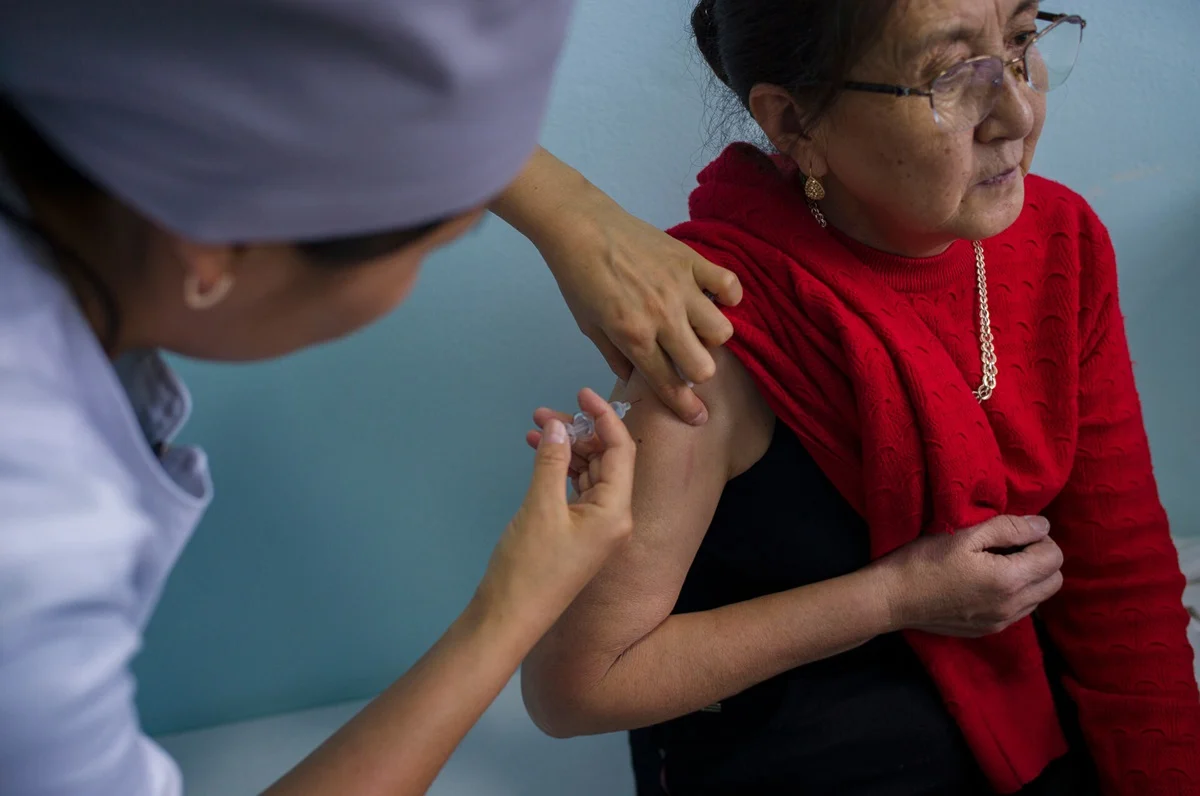
As the 2026-2027 season approaches, public health officials continue to stress that vaccination remains the single most effective tool for preventing influenza and its complications. While the vaccine does not always prevent infection entirely, it is highly effective at reducing the severity of the disease, preventing pneumonia, and saving lives, particularly among high-risk groups such as the elderly, young children, pregnant women, and individuals with underlying health conditions.
The WHO’s latest announcement serves as a reminder of the quiet, persistent, and essential work of the global scientific community. Through the GISRS, the world maintains a vigilant watch over a virus that, while familiar, remains one of the most unpredictable threats to human health. The transition to the 2026-2027 vaccine composition represents the next step in this perpetual cycle of surveillance, science, and protection.
