
Polycystic Ovary Syndrome (PCOS) remains one of the most prevalent yet complex endocrine disorders, affecting approximately 8% to 13% of reproductive-aged women worldwide. While many individuals experience menstruation as a manageable monthly occurrence characterized by mild discomfort, the clinical reality for those living with PCOS is often significantly more debilitating. Characterized by a triad of symptoms—excess androgen production, irregular ovulation, and the presence of fluid-filled follicles on the ovaries—PCOS frequently manifests as severe, incapacitating menstrual pain. For these patients, standard over-the-counter remedies often prove insufficient, necessitating a multi-faceted clinical and holistic approach to pain management and reproductive health.
The Physiological Basis of PCOS-Related Menstrual Pain
The acute discomfort experienced during menstruation, known medically as dysmenorrhea, is primarily driven by the production of prostaglandins. These lipid compounds, which possess hormone-like qualities, are synthesized in the lining of the uterus. Their primary function is to trigger uterine contractions, which facilitate the shedding of the endometrium. However, in individuals with PCOS, prostaglandin levels are frequently elevated, leading to more frequent and intense contractions. This process constricts the blood vessels supplying the uterus, resulting in brief periods of muscle ischemia—a lack of oxygen to the tissue—which the body registers as sharp, stabbing, or deep throbbing pain.
Medical professionals categorize this pain into two distinct types: primary and secondary dysmenorrhea. Primary dysmenorrhea refers to common menstrual cramps that occur in the absence of a specific pelvic pathology. Secondary dysmenorrhea, conversely, is pain caused by a diagnosed disorder within the reproductive organs, such as PCOS or endometriosis. In the context of PCOS, this pain is often accompanied by menorrhagia (abnormally heavy or prolonged bleeding) and the passage of large blood clots, both of which can exacerbate the physical toll on the patient.
The Clinical Profile of Secondary Dysmenorrhea
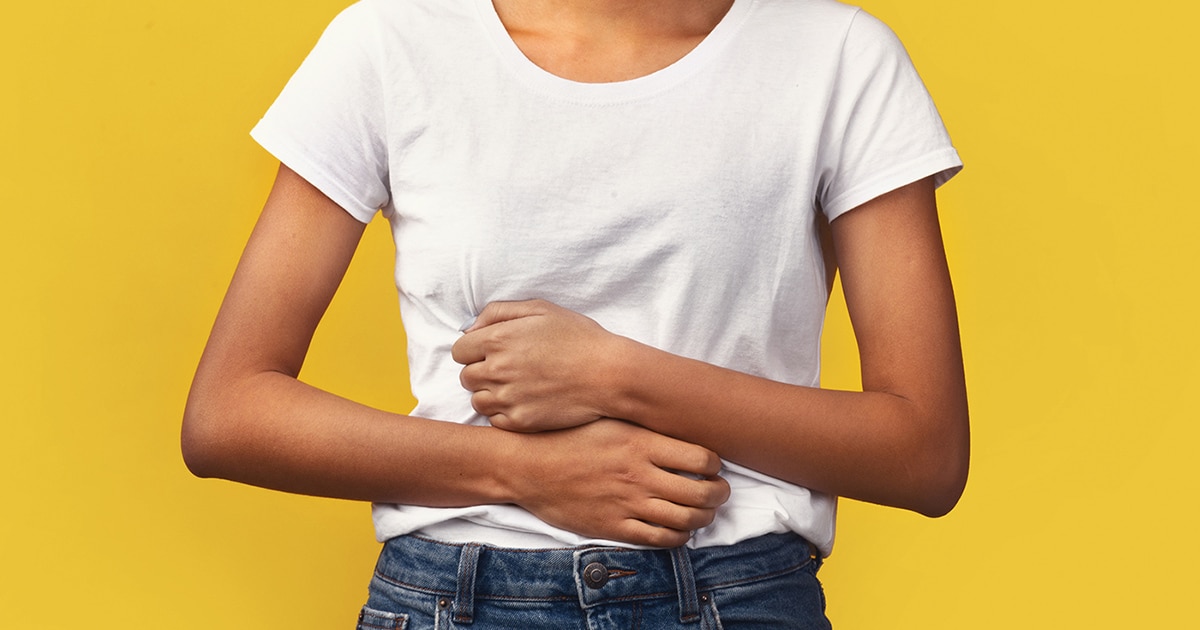
The symptomatic profile of PCOS-related pain extends far beyond localized abdominal cramping. Patients frequently report a deep, radiating ache that migrates to the lower back, hips, and down the inner thighs. The systemic impact of high prostaglandin levels often triggers a cascade of secondary symptoms, including gastrointestinal distress such as loose stools or vomiting, as well as dizziness, migraines, and profound fatigue.
Furthermore, the irregular nature of PCOS cycles means that when menstruation does occur, the uterine lining may have thickened significantly over several months. This leads to heavier flow, which increases the risk of iron-deficiency anemia. The combination of chronic pain and systemic illness often results in significant "absenteeism" and "presenteeism" in professional and academic settings, where sufferers are either unable to attend or unable to function effectively due to the severity of their symptoms.
Pharmacological Interventions: The Role of NSAIDs
For many years, Non-Steroidal Anti-Inflammatory Drugs (NSAIDs) have served as the frontline defense against menstrual pain. In the context of PCOS, their utility extends beyond simple analgesia. A 2019 study published in Obstetrics & Gynecology Science highlighted that NSAIDs, such as ibuprofen or naproxen, are particularly effective because they inhibit the activity of cyclooxygenase (COX) enzymes. By blocking these enzymes, NSAIDs directly reduce the production of prostaglandins.
For PCOS patients, this reduction in prostaglandins does more than just dull the pain; it can also decrease the volume of menstrual blood loss. Clinical data suggests that when taken at the onset of symptoms, or even 24 hours prior to the expected start of a period, NSAIDs can significantly improve a patient’s quality of life. However, medical experts caution that if over-the-counter dosages fail to provide relief, patients should seek prescription-strength options or investigate underlying complications with a gynecologist.
Hormonal Regulation through Contraceptive Therapy
Hormonal contraceptives are frequently prescribed as a primary management tool for PCOS, addressing both the symptoms and the underlying hormonal imbalance. Most oral contraceptives utilize a combination of estrogen and progestin. These synthetic hormones work in tandem to thin the uterine lining, which naturally results in lighter, less painful periods with lower prostaglandin production.
There are several delivery methods available, including:

- Combination Oral Contraceptives: These help regulate the cycle and can reduce hirsutism (excess hair growth) and acne by lowering androgen levels.
- Progestin-Only Pills: Often referred to as the "mini-pill," these are an alternative for women who cannot tolerate estrogen due to migraines or cardiovascular risks.
- Vaginal Rings and Patches: These provide a steady release of hormones over a three-week period, offering a convenient alternative to daily pills while providing similar pain-relief benefits.
While effective, these treatments are not without side effects. Patients may experience mood fluctuations, breast tenderness, or nausea. Therefore, the choice of hormonal therapy must be tailored to the individual’s specific hormonal profile and lifestyle needs.
The Therapeutic Impact of Physical Activity
While exercise may be the last thing a patient desires during an acute pain episode, regular physical activity is a critical component of long-term PCOS management. Research published in the Saudi Journal of Sports Medicine (2017) indicates that consistent exercise improves menstrual regularity in women with PCOS by enhancing insulin sensitivity and promoting hormonal balance.
The mechanism is twofold: first, exercise stimulates the release of endorphins, the body’s natural painkillers. Second, for those experiencing weight gain—a common side effect of PCOS-related insulin resistance—weight management through activity can reduce the severity of symptoms. Experts recommend a mix of moderate aerobic exercise, such as cycling or brisk walking, and resistance training. On days when pain is high, low-impact activities like aquatic aerobics or swimming can provide the benefits of movement without the jarring impact of traditional gym workouts.
Nutritional Biochemistry and Micronutrient Supplementation
Dietary intervention plays a pivotal role in managing the inflammatory state associated with PCOS. Chronic inflammation is a hallmark of the disorder, and certain vitamins and minerals have been shown to mitigate this response.
- Vitamin D: Approximately 85% of women with PCOS are deficient in Vitamin D. This deficiency is linked to worsened insulin resistance and increased inflammation. Supplementation can help regulate the menstrual cycle and reduce the intensity of cramps.
- Magnesium and Vitamin E: These micronutrients act as muscle relaxants and antioxidants. Magnesium, in particular, helps ease the uterine muscle contractions that cause pain.
- Omega-3 Fatty Acids: Found in fatty fish and flaxseeds, Omega-3s are potent anti-inflammatories. They have the added benefit of helping to lower testosterone levels, addressing one of the root causes of PCOS symptoms.
Patients are encouraged to adopt a "PCOS-friendly" diet focusing on whole foods, leafy greens, and lean proteins while avoiding dairy and gluten if they find these trigger inflammatory responses.

Thermotherapy and Hydration Strategies
Non-pharmacological "comfort" measures remain essential for acute pain management. Heat therapy, through the use of electric heating pads, hot water bottles, or warm baths, works by increasing blood flow to the pelvic region. This localized warmth relaxes the uterine muscles and eases the constriction of blood vessels. Interestingly, a 2019 study in the American Journal of Physiology-Endocrinology and Metabolism suggested that regular heat therapy might also improve glucose tolerance and insulin signaling in obese women with PCOS, providing a metabolic benefit alongside pain relief.
Furthermore, hydration is a frequently overlooked aspect of menstrual health. Proper water intake helps the body flush excess sodium, which reduces bloating. Because bloating puts additional pressure on the abdominal cavity, its reduction can directly decrease the perceived intensity of period cramps. Drinking warm or hot water can also have a systemic soothing effect on the muscles.
Dietary Proscriptions: Caffeine and Glucose Management
In managing PCOS, what one avoids is often as important as what one consumes. Caffeine is a known vasoconstrictor, meaning it causes blood vessels to narrow. This includes the vessels supplying the uterus, which can lead to increased cramping and discomfort. Similarly, high sugar intake can lead to insulin spikes, which exacerbate the hormonal imbalances at the heart of PCOS. Reducing the consumption of sodas, energy drinks, and processed sweets during the menstrual phase can lead to a noticeable reduction in symptom severity.
Botanical Aids and Integrative Medicine
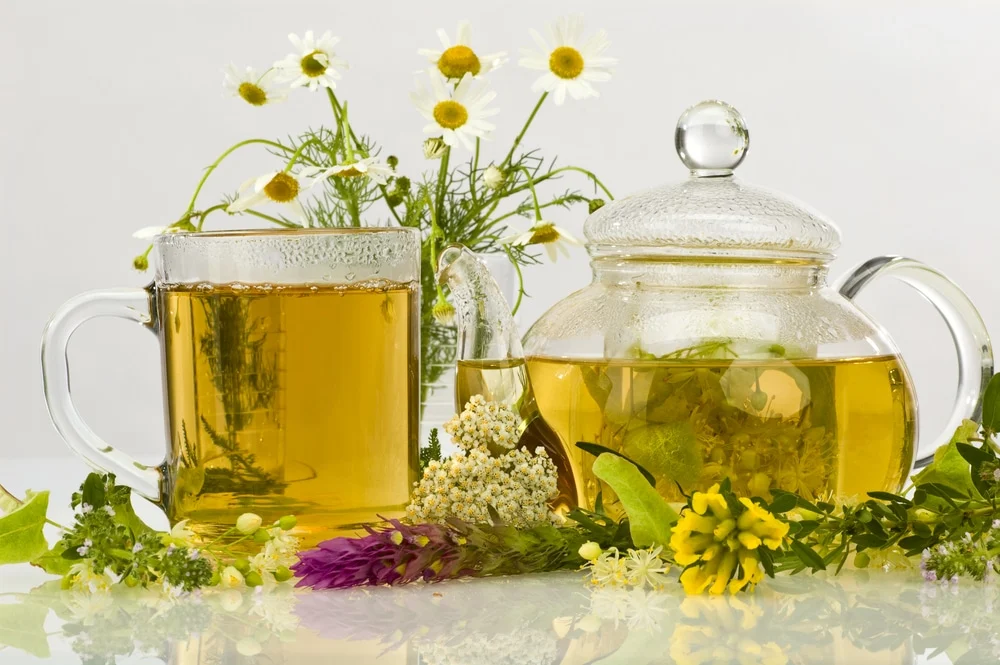
Integrative approaches, such as the use of herbal teas, offer a gentle way to manage stress and inflammation. Stinging nettle (Urtica dioica) tea is often recommended for its anti-inflammatory properties and its ability to support iron levels. Red reishi mushroom tea, containing adaptogens, helps the body manage the physiological stress associated with chronic pain. These natural options provide a holistic complement to conventional medical treatments, helping to stabilize mood and reduce the systemic "noise" of PCOS symptoms.
Broader Implications and the Future of PCOS Care
The impact of PCOS-related pain extends into the realms of public health and economics. With 1 in 10 women affected, the cumulative loss of productivity and the psychological burden of chronic pain represent a significant societal challenge. For decades, women’s health concerns—particularly those involving menstrual pain—were often dismissed as "normal" or "subjective." However, the growing body of research into the specific mechanisms of PCOS is finally validating the lived experiences of millions.

The future of PCOS care lies in personalized medicine, where treatment plans are adjusted based on a patient’s specific insulin levels, androgen profile, and inflammatory markers. By combining pharmacological interventions with rigorous lifestyle adjustments, women with PCOS can move from a state of incapacitation to one of empowered management. As medical understanding of the "gender pain gap" improves, the goal remains to ensure that no woman is forced to pause her life due to a treatable endocrine disorder.
