
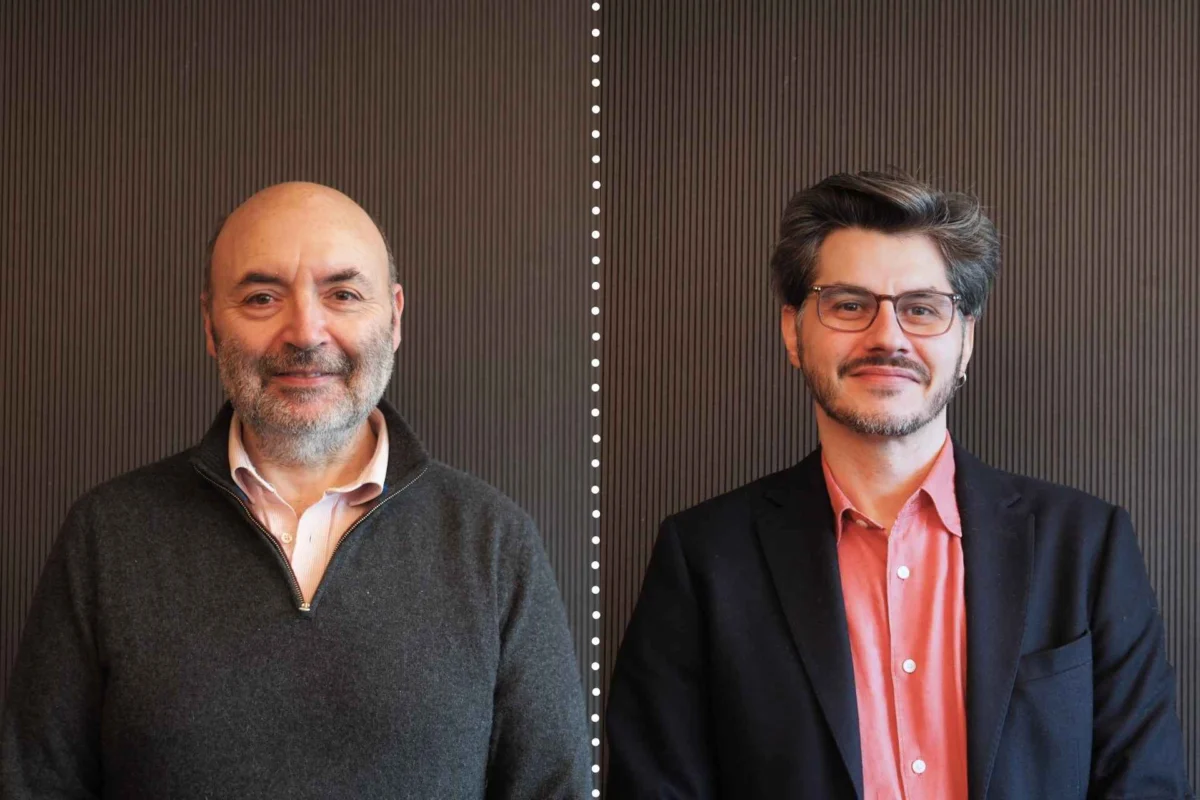
The 10th Pharmabiotics Conference, recently held in Brussels, served as the backdrop for a transformative dialogue regarding the future of human health in extreme environments, marking a significant milestone in the integration of microbiome science with aerospace medicine. Central to these discussions was the formal reflection by Pierre Burguière, founder of Microbiome Futures, and Christian Roghi, founder of Bridgyz, who detailed a groundbreaking session that explored the biological imperatives of long-duration spaceflight. This high-level exchange, which included key contributions from the European Space Agency (ESA), the Institute for Space Medicine and Physiology (MEDES), and prominent Belgian research institutions, highlighted a paradigm shift in how scientists view the human body’s microbial ecosystem. No longer seen merely as a passenger, the microbiome is now recognized as a critical infrastructure for survival as humanity prepares for missions to the International Space Station (ISS), the Moon, and eventually Mars.
The session underscored the necessity of maintaining microbial equilibrium to mitigate the physiological degradation associated with microgravity, cosmic radiation, and the psychological stressors of confinement. The collaborative effort has culminated in the announcement of Microbiome Futures, a specialized think tank set to launch in 2026. This initiative will focus exclusively on human adaptation, leveraging the unique constraints of space to solve complex health challenges both in orbit and on Earth.
The Strategic Importance of the 10th Pharmabiotics Conference
The Pharmabiotics Conference has long been a premier venue for the Pharmabiotic Research Institute (PRI) to showcase advancements in microbiome-based medicinal products and functional feeds. However, the 10th anniversary edition in Brussels expanded its scope significantly by bridging the gap between terrestrial biotechnology and the aerospace sector. This convergence is driven by the realization that the microbiome is one of the most sensitive biological systems to environmental change.
During the conference, delegates reviewed the current state of microbiome research, noting that the human body hosts approximately 100 trillion microbial cells that influence everything from metabolic rate to cognitive function. In the context of space exploration, the stability of this "forgotten organ" is frequently compromised. Data presented during the session indicated that astronauts often experience a reduction in microbial diversity and an increase in potentially pathogenic bacteria during missions. The Brussels dialogue sought to move beyond observing these changes toward active intervention and management.
Chronology of Space-Microbiome Research
The journey to the 10th Pharmabiotics Conference began decades ago with early observations of microbial shifts in Apollo and Skylab missions. However, the timeline of systematic research has accelerated over the last decade:
- 2014–2017: The NASA Twin Study. This landmark study of astronauts Scott and Mark Kelly provided the first comprehensive look at how one year in space affects the gut microbiome, showing significant but largely reversible shifts in microbial composition.
- 2019: ESA’s "Dry Immersion" and Bedrest Studies. Conducted in collaboration with MEDES, these studies simulated the effects of microgravity on Earth, allowing researchers to isolate how physical inactivity and fluid shifts impact the gut-brain axis.
- 2021–2023: Targeted ISS Experiments. Recent missions have focused on specific probiotic strains and their ability to survive the harsh environment of the ISS, providing the "proof of concept" for augmented foods.
- 2024: The 10th Pharmabiotics Conference. The Brussels event integrated these historical findings into a cohesive strategy for the next decade of exploration, emphasizing the transition from observation to "precision microbiome management."
- 2026: Launch of Microbiome Futures. The planned launch of the think tank represents the formal institutionalization of this cross-disciplinary field.
Augmented Foods: Sustaining the Extraterrestrial Microbiome
One of the primary pillars discussed by Burguière and Roghi was the development of augmented foods. Traditional space rations are designed for shelf-life and caloric density, but they often lack the complex fibers and live cultures necessary to sustain a healthy microbiome. As missions move toward the lunar surface and Mars, the reliance on pre-packaged, sterilized food becomes a liability.
The session explored the use of "precision fermentation" and "bio-fortification" to create food systems that support specific microbial phyla. These augmented foods are intended to act as a delivery mechanism for postbiotics and prebiotics that can counteract bone density loss and muscle atrophy. For instance, certain gut bacteria are known to produce short-chain fatty acids (SCFAs) like butyrate, which play a role in systemic anti-inflammatory responses. By tailoring the astronaut’s diet to promote these specific microbes, mission planners can create a biological buffer against the rigors of space.
Bio-Smart Textiles: The New Layer of Astronaut Protection
Beyond internal health, the conference addressed the "skin-space suit" interface. In the closed environment of a spacecraft or habitat, the skin microbiome is subject to unique pressures. Without the natural cleansing effects of the Earth’s atmosphere and diverse environmental microbes, the skin can become a breeding ground for opportunistic pathogens, leading to dermatitis or delayed wound healing.
The proposed solution involves "smart textiles"—fabrics integrated with beneficial microbial communities and sensor-based monitoring systems. These textiles would serve a dual purpose:
- Microbial Buffering: Live beneficial bacteria embedded in the fabric would compete with harmful pathogens, maintaining a healthy skin pH and barrier function.
- Physiological Monitoring: Integrated sensors would track sweat composition, temperature, and microbial metabolic byproducts in real-time, providing a non-invasive window into the astronaut’s physiological state.
This technology represents a move toward "living" hardware, where the distinction between the biological and the mechanical begins to blur.
Hibernation and Metabolic Engineering: Lessons from Nature
Perhaps the most futuristic theme of the session was the exploration of hibernation-inspired strategies. For a multi-year journey to Mars, reducing the metabolic demands of the crew could significantly lower the requirements for food, water, and oxygen. ESA and MEDES have been actively investigating "torpor" or induced hibernation as a viable mission architecture.
Research presented in Brussels highlighted that hibernating animals, such as ground squirrels and bears, possess unique microbiome adaptations that allow them to maintain muscle mass and bone integrity during months of inactivity. Specifically, these animals utilize "urea nitrogen salvaging," a process where gut microbes recycle waste nitrogen back into the animal’s protein synthesis pathways. By understanding and potentially replicating these microbial pathways in humans, scientists hope to develop pharmacological or nutritional interventions that allow astronauts to enter a state of reduced metabolic activity without the typical degradation associated with long-term bedrest or microgravity.
The Reverse Perspective: Space Constraints Driving Earth Innovation
A critical takeaway from the dialogue between Pierre Burguière and Christian Roghi was the "reverse perspective." The extreme constraints of space—limited resources, high radiation, total isolation, and the need for absolute robustness—serve as an ultimate stress test for microbiome innovation.
The rigorous standards required for space-certified probiotics or smart textiles are directly applicable to terrestrial challenges. For example:
- Clinical Settings: Bio-smart textiles developed for astronauts could be repurposed for bedbound patients in hospitals to prevent pressure sores and infections.
- Remote Environments: Augmented food systems designed for Martian habitats offer solutions for food insecurity in harsh climates or disaster zones on Earth.
- Personalized Medicine: The precision monitoring required for a crew of four on a deep-space mission provides a blueprint for the future of individualized healthcare and preventative medicine for the general population.
Institutional Synergy and the Role of MEDES and ESA
The success of these initiatives relies on the synergy between institutional giants and private innovators. The involvement of the European Space Agency (ESA) provides the necessary regulatory and logistical framework, while MEDES brings decades of expertise in space medicine. The contribution of Belgian research institutions underscores the regional strength of the European biotech corridor, which remains at the forefront of microbiome research.
Representatives at the conference emphasized that the transition to lunar habitats (the Artemis program) requires a "closed-loop" biological approach. In such an environment, every gram of matter is accounted for, and the microbiome plays a central role in waste recycling and air purification. The collaboration between these entities ensures that the biological data collected on the ISS is translated into engineering requirements for the next generation of space habitats.
Launching Microbiome Futures: A Vision for 2026
The establishment of the Microbiome Futures think tank in 2026 is designed to formalize these cross-disciplinary efforts. According to the founders, the think tank will serve as a clearinghouse for data and a catalyst for new partnerships between the pharmaceutical, aerospace, and AgTech industries.
The primary objectives of Microbiome Futures include:
- Standardization: Developing global standards for microbiome-based interventions in extreme environments.
- Ethics and Governance: Addressing the ethical implications of modifying the human microbiome for performance enhancement.
- Future-Proofing: Researching the impact of extraterrestrial environments (such as Lunar or Martian regolith) on microbial stability.
As the 10th Pharmabiotics Conference concluded, the consensus among experts was clear: the future of human exploration depends not just on the rockets we build, but on the microscopic life we carry within us. By mastering the microbiome, humanity takes a vital step toward becoming a multi-planetary species, ensuring that our biological heritage can survive and thrive among the stars. The dialogue initiated in Brussels is merely the beginning of a long-term commitment to understanding human adaptation in its most profound sense.
