
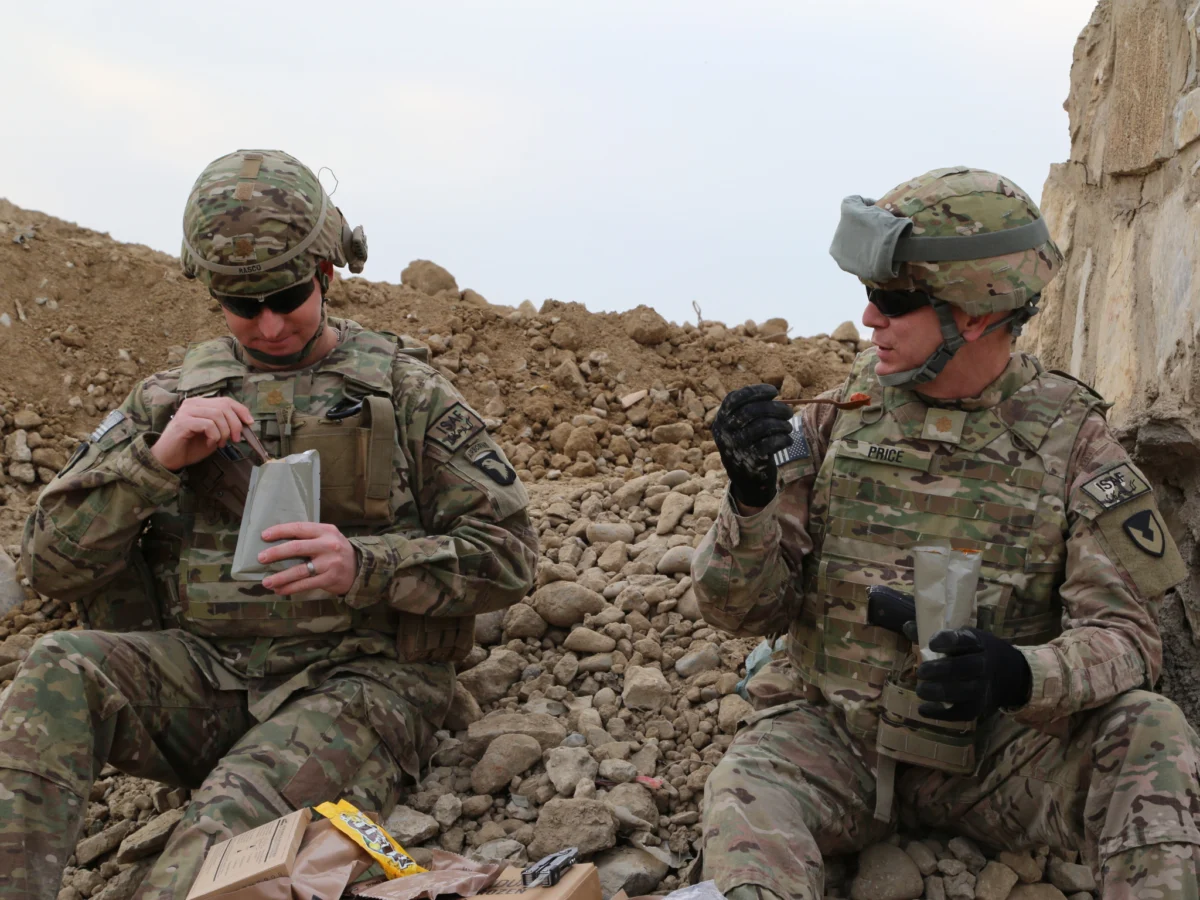
The United States Army is actively soliciting proposals from industry and academic researchers to pioneer the development and on-site manufacturing of alternative protein technologies for its service members operating in combat zones. This strategic initiative, detailed in a Sources Sought notice released in late April, signals a significant evolution in military nutrition, aiming to enhance troop sustenance, bolster supply chain resilience, and reduce logistical burdens. The Army Combat Capabilities Development Command Soldier Center (DEVCOM Soldier Center) is spearheading this effort, which has a submission deadline of May 15th.
This forward-looking procurement is occurring approximately one year before the official introduction of dedicated vegan options into the standard military meal program. The Army’s interest spans plant-based proteins and those derived from fermentation processes, recognizing their potential to revolutionize field rations and provide tailored, high-quality nutrition in austere environments. The ultimate goal is to integrate these innovations into the widely recognized Meals, Ready-to-Eat (MRE) system, while also developing the capability to produce these vital foodstuffs directly within combat-forward locations.
Strategic Imperatives: Beyond Basic Sustenance
The US Army’s call for alternative protein technologies is driven by a multifaceted strategic agenda. A primary objective is to enhance the resilience of the food supply chain. Traditional food procurement and delivery systems can be vulnerable to disruptions caused by geopolitical instability, natural disasters, or logistical challenges. By developing the capacity to produce key nutritional components closer to the point of need, the Army aims to mitigate these risks and ensure continuous access to essential sustenance for its deployed forces.
Furthermore, the initiative addresses the critical need for biomanufacturing capabilities in combat environments. The ability to produce protein-rich foods in the field, rather than relying solely on pre-packaged rations, offers significant advantages. This includes reducing the weight and volume of supplies that must be transported, a perennial challenge for military logistics. It also opens avenues for more adaptable and responsive nutritional support, catering to evolving troop needs and dietary preferences in real-time.
Finally, the program emphasizes the provision of "tailored, high-quality nutrition to the warfighter." As scientific understanding of the impact of diet on physical and cognitive performance advances, the Army seeks to leverage alternative proteins to optimize soldier health, endurance, and operational effectiveness. This includes ensuring adequate protein intake for muscle repair and energy, crucial for sustained combat operations.
A Focused Approach: Precision Fermentation and Beyond
The Army’s solicitation explicitly outlines its interest in specific alternative protein production methods, with a notable exclusion. The request prioritizes technologies related to fermentation, and specifically precision fermentation, as well as other novel biomanufacturing techniques. Precision fermentation involves using microorganisms, such as yeast, bacteria, or fungi, to produce specific proteins, enzymes, or other ingredients. This method offers precise control over the nutritional profile and functional properties of the resulting proteins.
The notice clearly states that research into cultivated meat (also known as lab-grown or cell-based meat) and insect protein will not be included in this particular solicitation. This exclusion is significant, particularly in the context of cultivated meat. It comes nearly two years after a previous Department of Defense initiative to fund cultivated meat development for military rations was reportedly withdrawn, following lobbying efforts from the traditional meat industry. The explicit exclusion in this current call suggests a deliberate sidestepping of those previous controversies, focusing instead on technologies with potentially fewer immediate regulatory or political hurdles.
The emphasis on fermentation aligns with the growing commercial success and technological maturity of this sector. Companies utilizing precision fermentation are already producing ingredients like whey protein, casein, and egg proteins without animal agriculture. Applying these established or emerging biotechnologies to military food production offers a pragmatic pathway to achieving the Army’s nutritional and logistical goals.
The MRE Evolution: From Dehydrated Rations to Future Nutrition
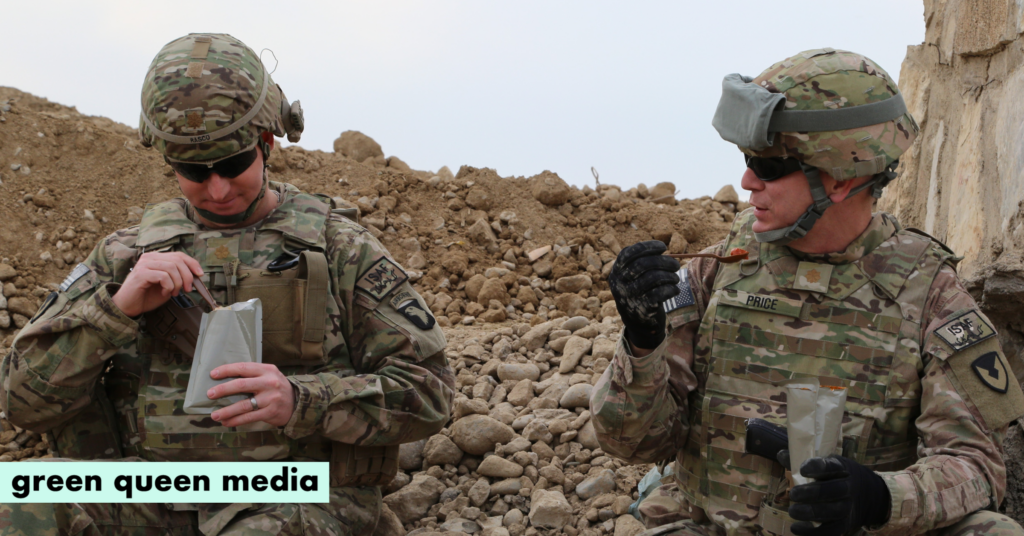
The context for this procurement is the ongoing evolution of the US Army’s MRE program. For decades, MREs have been the cornerstone of field feeding, providing soldiers with shelf-stable, nutritionally complete meals that require minimal preparation. However, the program is not static. Food scientists within the DEVCOM Soldier Center’s Combat Feeding Division continuously work to update and expand the MRE menu, drawing insights from service member feedback and commercial food trends.
For MRE 47, slated for introduction in 2027, a clear directive emerged from soldiers themselves: a demand for more plant-based meal options. This feedback has directly informed the current research and development efforts. The Army is not merely seeking to add a few vegetarian options; it is looking to fundamentally advance the technology for producing innovative meat alternatives specifically designed for the stringent requirements of MREs. These requirements include exceptional nutritional density, long-term shelf stability (often exceeding three years), and high palatability to ensure soldiers consume their rations effectively.
The project aims to foster the development of "advanced technologies and processes, involved in fermentation, precision fermentation, or other novel biomanufacturing methods, that enhance the production of alternative proteins." The goal is to create "lightweight and nutrient-dense ration solutions to reduce logistical burdens and physical load on warfighters while maintaining or enhancing nutritional value and operational performance." This focus on reducing soldier load is critical, as excessive weight carried by troops directly impacts their mobility, endurance, and overall combat effectiveness.

Accelerating Innovation and Ensuring Safety
The Army’s notice highlights the potential for additional funding in specific components of the research to "significantly accelerate" technological advancements and manufacturing readiness. This suggests a commitment to fast-tracking promising solutions from the laboratory to operational deployment. The goal is to shorten the timeline from research and development to the point where these alternative protein technologies can be reliably integrated into the military’s food supply.
A crucial aspect of any food product intended for widespread consumption, especially by military personnel, is safety and regulatory compliance. The solicitation mandates that any proposed products, particularly those undergoing sensory evaluation, must possess "GRAS (Generally Recognized As Safe) status." For components that do not yet have GRAS status, there must be a clearly defined and achievable "pathway to achieving GRAS status." This ensures that the nutritional innovations are underpinned by rigorous safety protocols and meet established regulatory standards.
Soldier Acceptance and the Growing Demand for Plant-Based Options
The success of any new food product hinges on its acceptance by the end consumer. Therefore, the US Army is also actively seeking partners capable of conducting comprehensive consumer research to enhance the acceptability and consumption of these novel alternative proteins. This research may involve focus groups, sensory panels, and even real-world field tests to gather detailed feedback on taste, texture, and overall satisfaction.
The prototypes developed through this initiative will be subjected to rigorous evaluation by government agencies for sensory acceptability and other performance characteristics. Crucially, they will also be consumed and assessed by the Army’s own dedicated panel of food science and nutrition experts. This internal testing provides a critical layer of validation before wider deployment.
This proactive pursuit of alternative protein technologies comes on the heels of a significant development: the US Army’s confirmation that it will begin offering dedicated vegan MRE options starting in 2027. Currently, the standard MRE menu of 24 items includes only a limited number of meatless dishes. However, by 2027, these will be replaced by fully plant-based meals, marking a substantial shift in the military’s dietary offerings. The Combat Feeding Division has already made strides in this area, developing several plant-based snacks such as animal-shaped crackers, protein bars, recovery bars, and fruit-flavored cereals.
The scale of this dietary shift is substantial. The US military issues over 37 million MREs annually. Based on projected uptake, this move could result in more than six million vegan meals being served to service members each year, according to estimates by the animal rights charity Mercy for Animals. This aligns with growing sentiment among the troops themselves. A 2022 survey conducted by Mercy for Animals revealed that 81% of service members believe the military should offer plant-based MREs. Furthermore, the survey indicated that 81% of troops would opt for climate-friendly MREs if given the choice, and a significant 63% would prefer vegan over meat-based ready meals.

A Broader Trend: Integrating Alternative Proteins into Military Life
The Army’s current initiative is not an isolated event but rather part of a broader trend towards integrating plant-based and alternative protein options into military life. Previously, plant-based dishes have been available at specific Army facilities. In 2019, a vegan soldier successfully advocated for the inclusion of a plant-based main course option at every meal in a US Army dining facility at Fort Sill.
More recently, in 2024, Impossible Foods began collaborating with US Army Central to supply its plant-based meat alternatives to military cafeterias across North Africa, the Persian Gulf, the Middle East, and Southwest Asia. This partnership signifies a move towards offering familiar, plant-based protein options in operational dining environments. Following this, Korean food giant CJ CheilJedang introduced its Bibigo plant-based dumplings to grocery stores located on US military bases in South Korea, further demonstrating the expanding availability of alternative protein products within the military food service network.
These developments collectively indicate a strategic recognition within the US military of the evolving dietary landscape, the nutritional benefits of alternative proteins, and the growing demand from service members for more diverse and sustainable food options. The current solicitation represents a critical next step in ensuring that these nutritional advancements can be reliably produced and delivered even in the most challenging operational theaters.
