
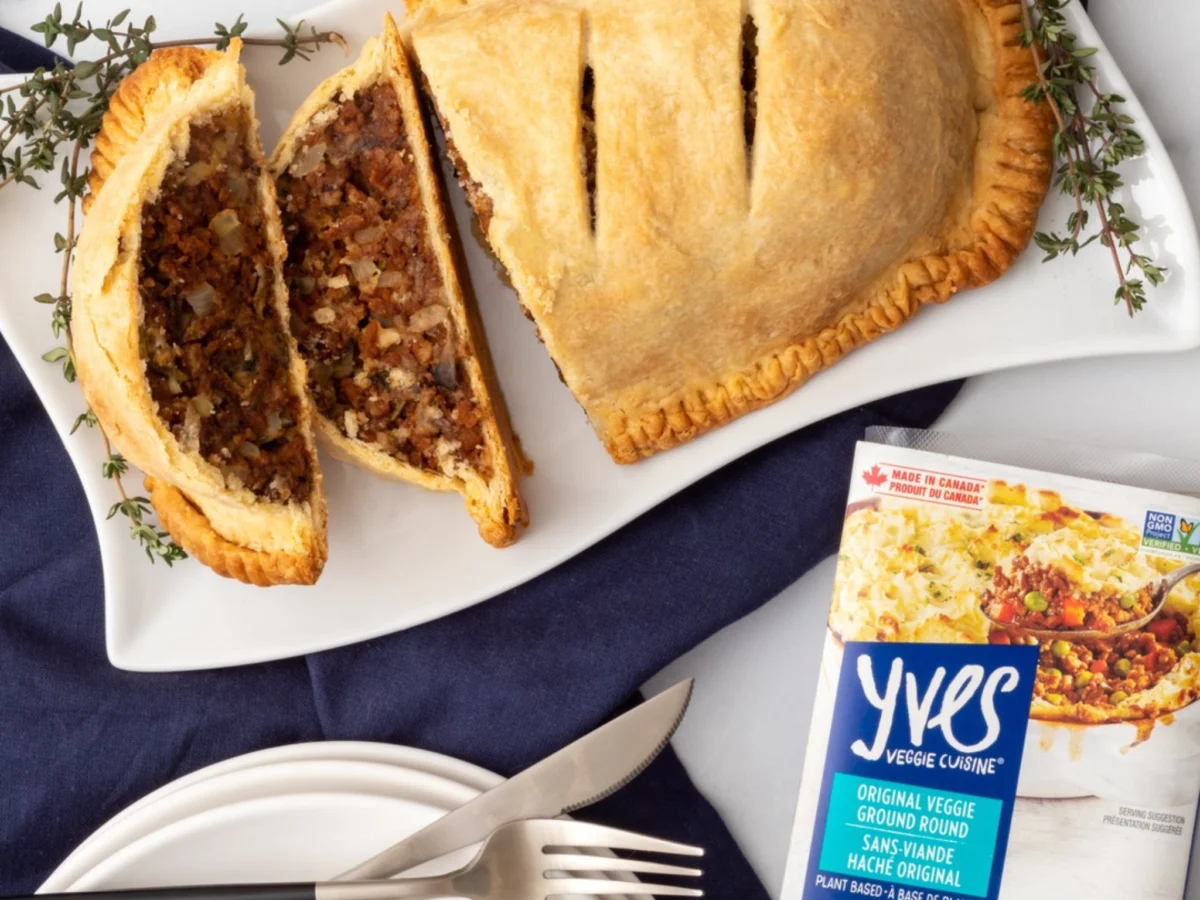
One of the longest-standing brands in the plant-based meat sector, Yves Veggie Cuisine, is poised for a significant comeback in Canada, marking a notable shift in the evolving landscape of protein consumption. The brand, which was a staple for many Canadian consumers seeking meat alternatives, was discontinued by its former parent company, Hain Celestial Group, in 2023. This decision came amid a broader recalibration of Hain Celestial’s portfolio, influenced by what the company described as a "softening" in demand for its meat-free products at the time. However, the narrative of Yves Veggie Cuisine’s decline has taken an unexpected turn with its acquisition by Maple Leaf Foods, a prominent player in the North American meat industry that has been actively expanding its presence in the plant-based market.
The acquisition of the Yves Veggie Cuisine trademark by Maple Leaf Foods was finalized in January of this year, with further filings for a range of its products indicating a clear intention to revive the brand. This strategic move was confirmed by Adam Grogan, President and COO of Maple Leaf Foods, in an exclusive interview with Canadian trade publication Grocery Business. According to Grogan, the company is targeting a relaunch of Yves Veggie Cuisine in time for Canada Day, July 1st, with an initial offering of six distinct meat-free product lines. This strategic reintroduction signals Maple Leaf Foods’ commitment to leveraging established brands within the burgeoning plant-based protein category.
A Strategic Rebirth: Maple Leaf Foods’ Vision for Yves Veggie Cuisine
Maple Leaf Foods, which already boasts a portfolio of well-regarded plant-based brands including Lightlife Foods and Field Roast, made its move for the Yves Veggie Cuisine trademark in December. Official records from the Canadian Intellectual Property Office, as reported by Big Box Vegan, indicate the transfer of the trademark from Hain Celestial to Maple Leaf Foods that month, with formal registration occurring in January. This was swiftly followed by a new trademark application filed by Maple Leaf Foods, encompassing a comprehensive array of potential Yves Veggie Cuisine products. These include, but are not limited to, plant-based meat snacks and appetizers, burgers, hot dogs, bacon alternatives, nuggets, sausages, ready-to-eat meals, and even products formulated with blended meat and plant-based proteins.
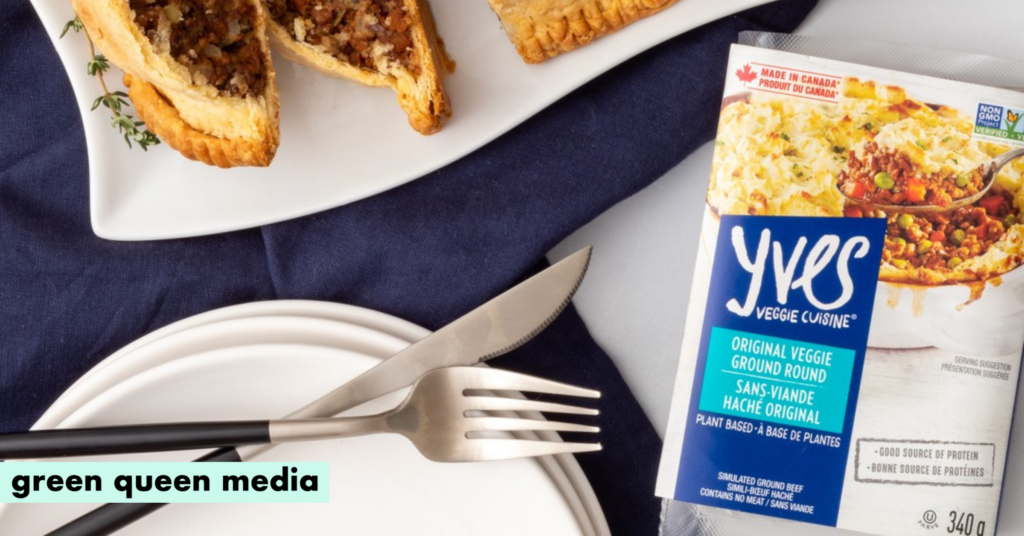
Grogan articulated that this acquisition aligns with Maple Leaf Foods’ overarching strategy to cultivate a robust and diversified protein portfolio. This approach is designed to address the dynamic and evolving preferences of consumers, who are increasingly seeking options that cater to health, nutritional, and variety-driven demands. "Plant protein remains a core part of our vision to be the most sustainable protein company on Earth," Grogan stated in his interview with Grocery Business, underscoring the integral role of plant-based offerings in the company’s long-term sustainability goals.
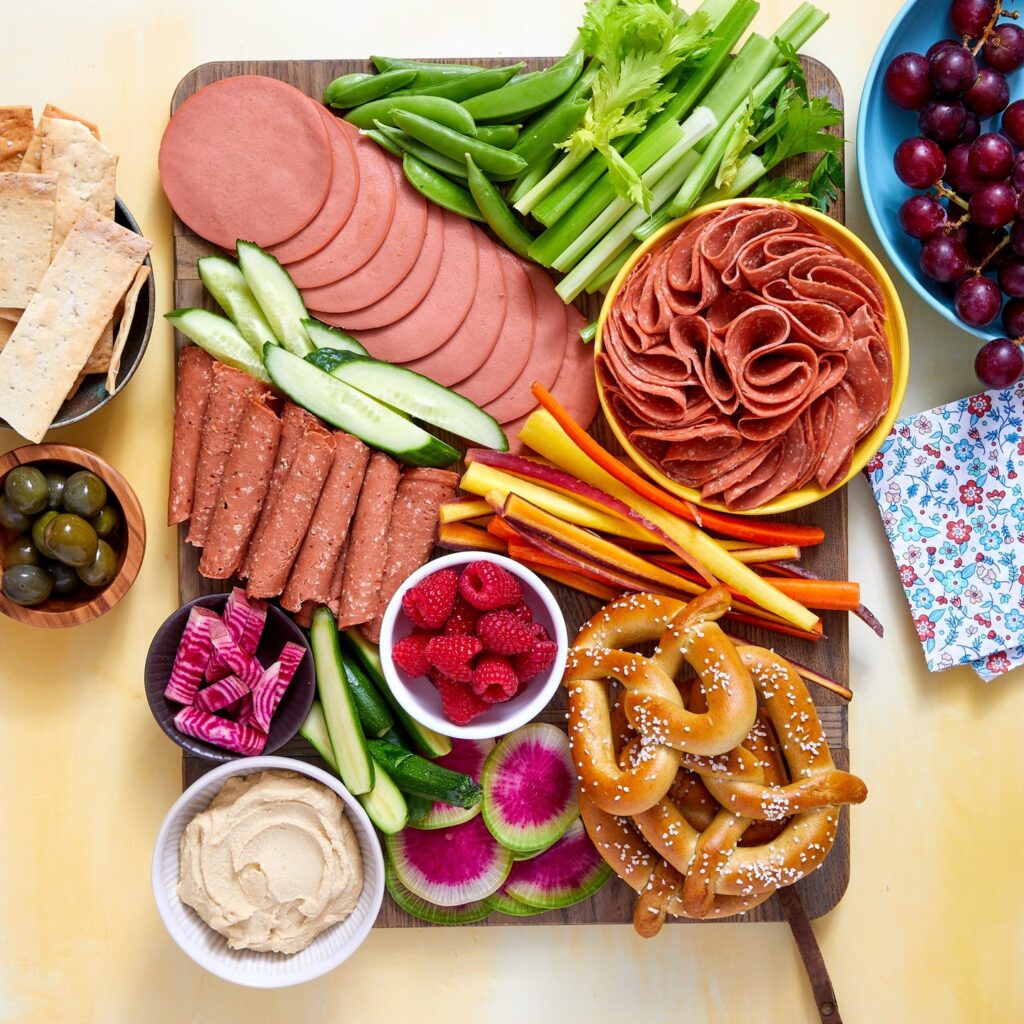
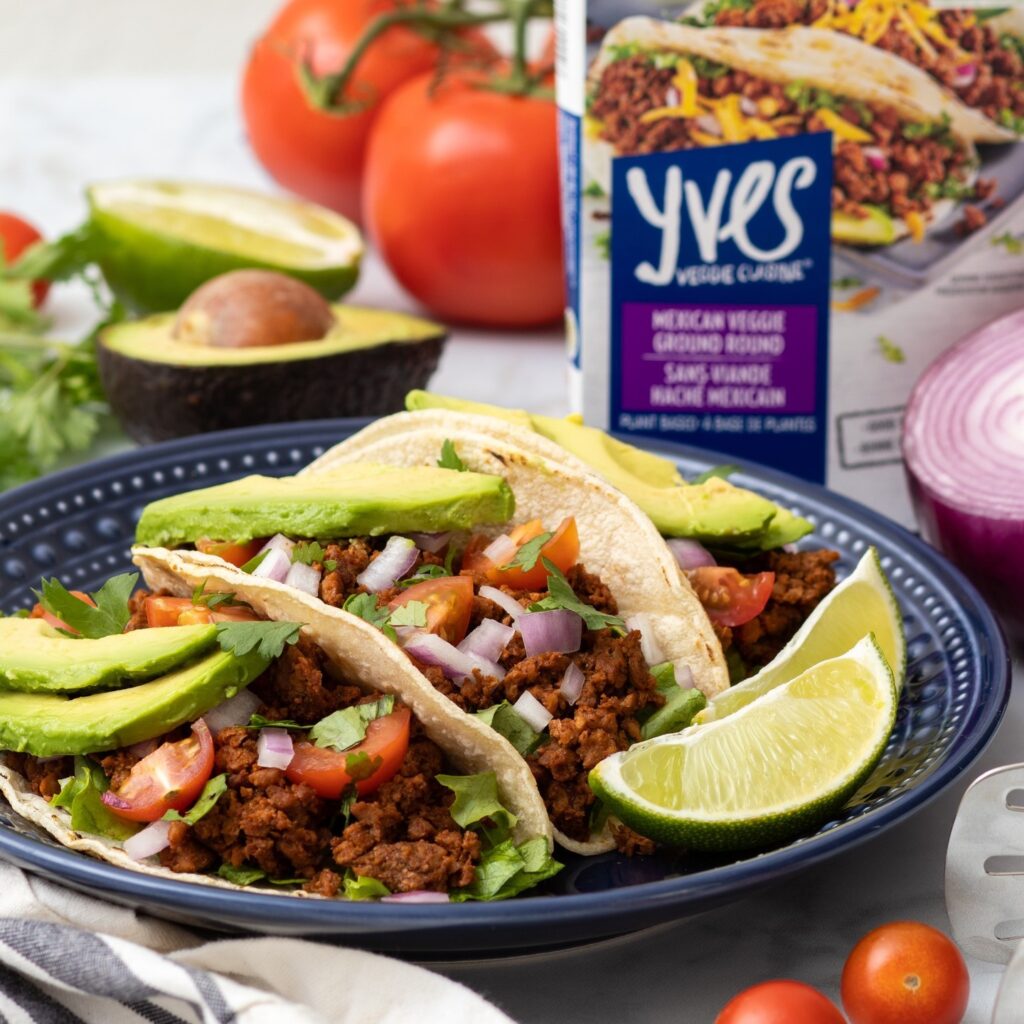
The forthcoming relaunch will reintroduce approximately two-thirds of the original Yves Veggie Cuisine product range to Canadian supermarket shelves. Consumers can anticipate the return of several iterations of its popular plant-based ground meat, alongside its deli-style ham and turkey slices. Crucially, Grogan indicated that the brand’s relaunch will prioritize maintaining the familiar recipes and formulations that consumers have come to associate with Yves Veggie Cuisine. This commitment to consistency, coupled with a renewed focus on ingredient transparency and nutritional information, aims to rebuild consumer trust and loyalty. To further bolster the brand’s presence, Maple Leaf Foods plans to initiate a national marketing campaign designed to reignite consumer awareness and re-establish Yves Veggie Cuisine as a prominent leader within the plant-based food category.
The Enduring Legacy of a Plant-Based Pioneer
Yves Veggie Cuisine boasts a rich history, having been founded in Canada in 1985 by plant-based industry pioneer Yves Potvin. It quickly established itself as one of the earliest commercially available plant-based meat brands in North America, playing a pivotal role in introducing consumers to meat alternatives. By the turn of the millennium, the brand was generating significant revenue, reportedly reaching $35 million annually, which led to its acquisition by Hain Celestial. At its peak, Yves Veggie Cuisine even engaged in a notable test run with McDonald’s, supplying its soy-based burgers for a "McVeggie Burger" in hundreds of Southern California stores, a testament to its early market penetration and potential.
For many years, Yves Veggie Cuisine experienced consistent financial performance. In the first quarter of 2023, for instance, its market share in Canada saw an increase of 2.7% in the frozen category and 0.7% in the fresh department. However, by early 2024, the brand faced significant headwinds. Hain Celestial cited a 5% year-on-year decline in net sales for its Meal Prep division in the fourth quarter, attributing this downturn to "softness in meat-free." This market sentiment ultimately led to the discontinuation of the Yves Veggie Cuisine brand in July 2025. The company’s official statement, issued in response to customer inquiries on social media, cited "careful consideration of how we can best focus our efforts to ensure long-term growth across our brand portfolio" as the rationale for the decision. The announcement was met with considerable backlash from loyal consumers, with widespread expressions of frustration and disappointment on social media platforms, and calls for a boycott against Hain Celestial.
A New Chapter: Leveraging Heritage and Scale
The acquisition by Maple Leaf Foods offers Yves Veggie Cuisine a second chance at market relevance. The company intends to capitalize on the brand’s established heritage and its reputation as a straightforward, soy-based option, positioning it as a reliable choice for consumers navigating the often-complex plant-based category. A key aspect of the relaunch strategy involves leveraging Maple Leaf’s existing infrastructure. The new Yves Veggie Cuisine SKUs will be manufactured at Maple Leaf’s facilities in the United States, allowing the brand to benefit from established equipment, robust supply chains, and stringent food safety systems.
Grogan highlighted that this operational approach is critical for ensuring both the quality and consistency of the products, while also addressing some of the challenges that may have contributed to the brand’s earlier decline. "It allows us to bring the brand back with the right level of scale, safety and operational rigor," he explained. He further commented on the current state of the meat-free market, suggesting it is entering a more stable and mature phase after a period of rapid expansion and subsequent correction. "There’s growing demand for protein and fiber, and plant-based can play a role in that," Grogan stated. He views Yves Veggie Cuisine as a "gateway brand," particularly for consumers who are seeking accessible and approachable ways to incorporate more plant protein into their diets. This strategic repositioning aims to appeal to a broad consumer base, from committed vegans to flexitarians looking to reduce their meat consumption.
Market Context and Future Implications
The return of Yves Veggie Cuisine comes at a critical juncture for the plant-based food industry. Following a period of explosive growth, the sector has experienced a slowdown, with some companies facing profitability challenges and shifts in consumer purchasing habits. Data from sources like Nielsen and Bloomberg have indicated a deceleration in the growth rate of plant-based meat sales in recent years, prompting a reassessment of market strategies by major players. Factors contributing to this trend include persistent consumer concerns about taste, texture, price, and the perceived healthfulness of some plant-based products, as well as increased competition from traditional food manufacturers and the rise of alternative protein sources.
Maple Leaf Foods’ investment in Yves Veggie Cuisine can be interpreted as a strategic bet on the long-term viability of the plant-based protein market, particularly by reviving a brand with established recognition and a loyal customer base. The company’s emphasis on maintaining original recipes and focusing on transparency suggests an understanding of consumer demands for authenticity and clear nutritional information. By integrating Yves Veggie Cuisine into its existing plant-based operations, Maple Leaf Foods aims to achieve economies of scale and operational efficiencies that may not have been available to Hain Celestial.
The success of this relaunch will likely depend on Maple Leaf Foods’ ability to effectively communicate the value proposition of Yves Veggie Cuisine to a discerning consumer base. The "gateway brand" positioning is a salient strategy, aiming to attract consumers who may be new to plant-based eating or are looking for familiar, reliable options. The broader implications of this acquisition extend to the competitive landscape of the Canadian food market, potentially reigniting interest in established plant-based brands and signaling a renewed commitment from major food corporations to this sector, albeit with a more cautious and strategic approach. The coming months will reveal whether Yves Veggie Cuisine can recapture its former glory and solidify its place as a key player in Canada’s evolving protein market.
