
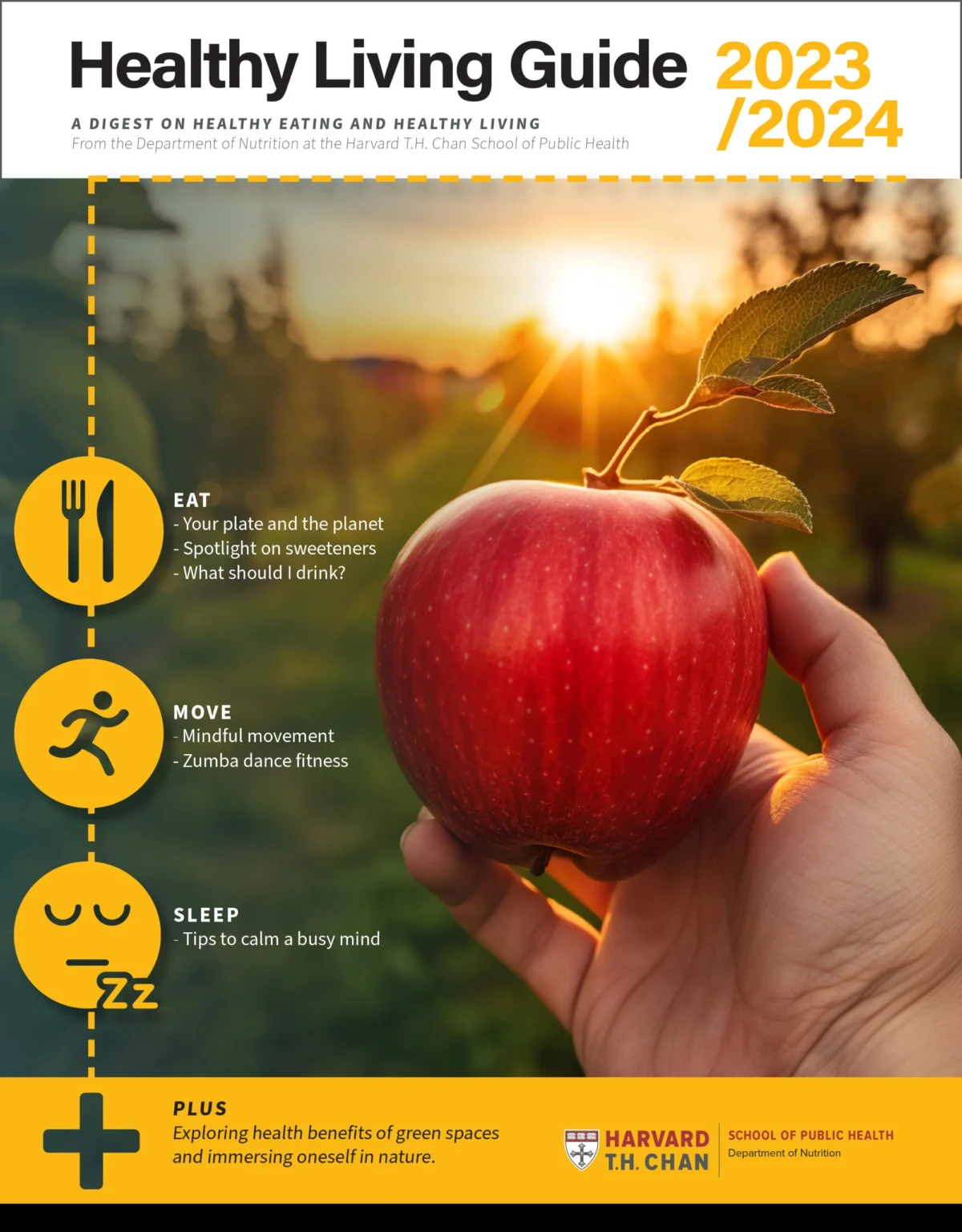
The launch of the fourth edition of the Healthy Living Guide for 2023-2024 heralds a new year of comprehensive insights into nutrition, physical activity, and sleep, with a significant emphasis on the integration of mindfulness into public health strategies. This year’s guide, published by the Department of Nutrition, prominently features the recent establishment of the Thich Nhat Hanh Center for Mindfulness in Public Health. This new academic endeavor is dedicated to exploring and promoting the application of mindfulness practices to enhance well-being at both individual and population levels, with a particular focus on mindful eating and its profound connection to personal and planetary health.
The Rise of Mindfulness in Public Health
The establishment of the Thich Nhat Hanh Center for Mindfulness in Public Health represents a significant institutional commitment to bridging the gap between ancient contemplative practices and modern public health challenges. Founded in the Department of Nutrition, the Center’s mission is to generate evidence-based research that demonstrates the tangible benefits of mindfulness for diverse populations. This initiative is not merely about individual stress reduction; it aims to foster systemic change by integrating mindfulness principles into public health policies and interventions. The Center’s work is informed by the legacy of Thich Nhat Hanh, a globally revered Zen master and peace activist whose teachings often emphasized the interconnectedness of all things, including the impact of our consumption habits on the environment.
The Center’s commitment to mindful eating is particularly noteworthy. This approach encourages individuals to pay full attention to their food—its taste, texture, smell, and the body’s signals of hunger and fullness—without judgment. Research increasingly suggests that mindful eating can lead to healthier dietary choices, improved digestion, reduced disordered eating patterns, and a greater appreciation for food sources. Beyond individual benefits, the Center’s perspective extends to the broader implications of our eating habits on the planet, including sustainable agriculture, food waste, and the environmental footprint of food production.
Key Research Highlights and Themes
The 2023-2024 Healthy Living Guide consolidates cutting-edge research and practical advice across its core pillars: nutrition, physical activity, and sleep. This year’s edition places a strong emphasis on emerging areas of concern and innovative solutions.
Nutrition: The Ultra-Processed Food Phenomenon and Mental Health
A significant focus of this year’s guide is the growing body of evidence linking the consumption of ultra-processed foods (UPFs) to adverse mental health outcomes. UPFs, characterized by their industrial formulation with additives, low nutritional value, and often high levels of sugar, salt, and unhealthy fats, have become a staple in many modern diets. Recent studies, including analyses of large epidemiological datasets, suggest a correlation between high UPF intake and an increased risk of depression, anxiety, and cognitive decline.
For instance, a meta-analysis published in the British Journal of Psychiatry in 2023 reviewed multiple cohort studies and found a consistent association between UPF consumption and a higher incidence of depressive symptoms. The mechanisms proposed for this link are multifaceted, including the inflammatory effects of UPFs, their impact on gut microbiota, and their potential to disrupt neurotransmitter function. The guide provides actionable tips for reducing UPF intake, such as prioritizing whole, unprocessed foods, reading food labels carefully, and planning meals to avoid reliance on convenience items. This research underscores the need for public health campaigns to educate consumers about the risks associated with UPFs and promote healthier dietary patterns.
Physical Activity: The Joyful Power of Movement with Zumba
Recognizing that sustained physical activity is crucial for both physical and mental well-being, the guide explores engaging and accessible forms of exercise. This year, the spotlight shines on Zumba, a popular dance fitness program that combines high-energy music with a variety of dance styles. Zumba’s appeal lies in its ability to make exercise enjoyable and social, thereby increasing adherence rates.
Data from fitness studies indicate that Zumba classes can significantly improve cardiovascular health, enhance aerobic capacity, and contribute to weight management. Moreover, the social interaction inherent in group fitness settings can combat feelings of isolation and boost mood, acting as a potent antidote to sedentary lifestyles and their associated mental health challenges. The guide encourages readers to explore local Zumba classes or even online resources to incorporate this dynamic activity into their routines, highlighting the principle that enjoyment is a key driver of long-term physical activity engagement.
Sleep: Understanding and Optimizing Your Chronotype
Sleep is a foundational element of health, impacting everything from cognitive function and immune response to emotional regulation. This edition delves into the concept of chronotypes, which refer to an individual’s natural inclination to sleep and wake at certain times. Understanding one’s chronotype—whether an early bird, a night owl, or somewhere in between—can be instrumental in optimizing sleep patterns and aligning daily schedules with natural biological rhythms.
Research in sleep medicine has demonstrated that attempting to force oneself into a sleep-wake schedule that is misaligned with one’s chronotype can lead to "social jetlag," characterized by fatigue, reduced alertness, and impaired cognitive performance. The guide presents evidence on the health implications of different chronotypes and offers strategies for individuals to identify their own chronotype and make adjustments to their lifestyle and environment to promote better sleep hygiene. This includes advice on creating a consistent sleep schedule, optimizing the sleep environment, and managing light exposure to support the body’s natural circadian rhythm.
The Thich Nhat Hanh Center: A New Era of Mindfulness Research
The establishment of the Thich Nhat Hanh Center for Mindfulness in Public Health marks a pivotal moment in the integration of contemplative practices into mainstream health initiatives. The Center’s inception in 2023 was the culmination of years of growing recognition for the potential of mindfulness to address complex public health issues. Its physical location within the Department of Nutrition at Harvard T.H. Chan School of Public Health underscores its commitment to exploring the intersection of mind and body, particularly in relation to food and eating behaviors.
The Center’s founding aligns with a broader global trend of incorporating mindfulness-based interventions into healthcare, education, and community programs. Its research agenda is designed to provide robust scientific evidence supporting these applications. By focusing on population-level well-being, the Center aims to develop scalable and sustainable mindfulness programs that can reach diverse communities and contribute to a healthier, more resilient society. The integration of mindful eating as a core focus is particularly significant, addressing the pervasive challenges of unhealthy dietary habits and their far-reaching consequences.
Looking Ahead: A Mindful Approach to 2024
The authors of the Healthy Living Guide extend warm wishes for a healthy, fulfilling, and mindful 2024. The overarching message is one of empowerment, encouraging individuals to take proactive steps towards better health through informed choices and mindful practices. The guide serves as a valuable resource, offering not only expert-backed information but also practical tools such as printable tip sheets and summaries.
For those who wish to delve deeper into the topics covered, the guide provides links to full online articles, allowing for comprehensive exploration of the latest research and recommendations. The inclusion of a "Test Your Healthy Living Knowledge" section, with answers found in the previous year’s guide, further encourages engagement and reinforces learning. This interactive element serves as a testament to the ongoing commitment to education and the continuous evolution of our understanding of health and well-being.
The strategic emphasis on mindfulness, coupled with evidence-based insights into nutrition, physical activity, and sleep, positions the 2023-2024 Healthy Living Guide as an indispensable resource for navigating the complexities of modern health. By fostering a deeper connection with our bodies, our food, and our environment, the guide aims to cultivate a more holistic and sustainable approach to well-being for individuals and communities alike. The integration of the Thich Nhat Hanh Center for Mindfulness in Public Health into this discourse signals a forward-thinking approach, promising continued advancements in the field of public health through the power of mindful living.
