
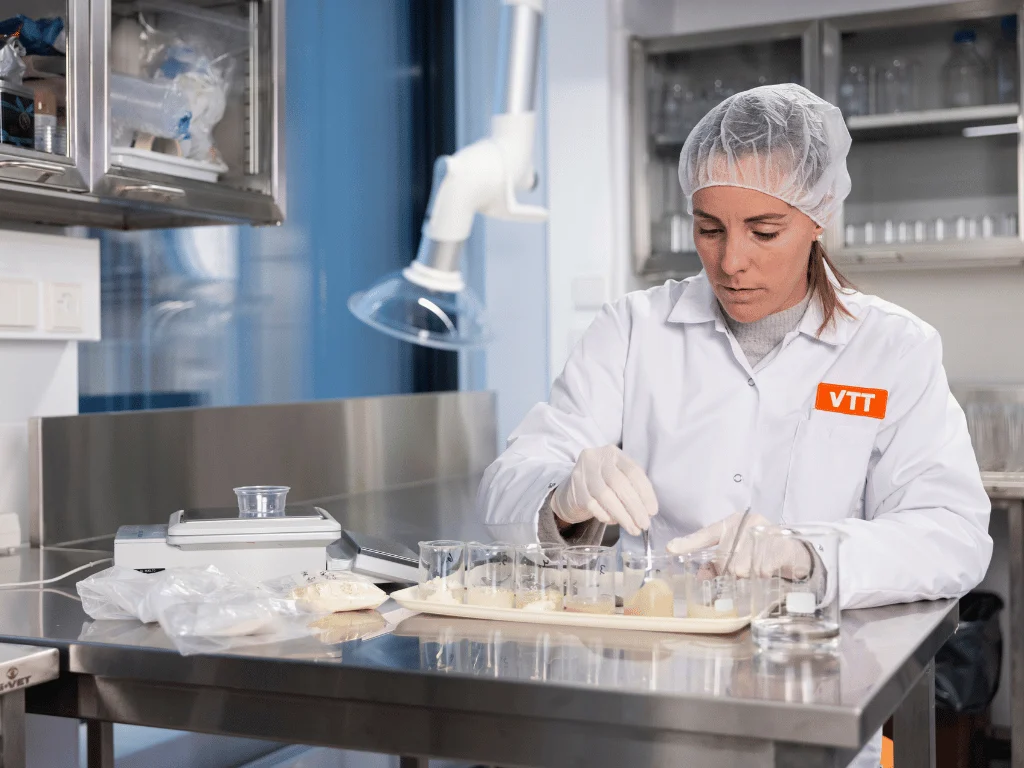
The economic viability of the global plant-based food sector is undergoing a profound paradigm shift. For years, the commercial strategy underpinning alternative protein manufacturing has relied heavily on a linear economic model: extracting isolated proteins from crops like oats, peas, and fava beans for meat and dairy alternatives, while treating the remaining fractions as low-value byproducts. However, a landmark three-year government-backed initiative in Finland has demonstrated that achieving long-term profitability requires an entirely different approach—one rooted in absolute sidestream valorisation and cross-industry collaboration.
The initiative, known as the Rethink project, concluded its three-year operational cycle with a definitive roadmap for how food systems can maximize the economic and environmental potential of every single gram of raw agricultural input. Spearheaded by the VTT Technical Research Centre of Finland and backed by a €3 million grant from Business Finland, the project united seven prominent Finnish food and beverage companies: Anora, Apetit, Fazer, Helsingin Mylly, Raisio, Valio, and Viking Malt.
The culmination of this multidisciplinary research effort marks a critical turning point not only for the Nordic region’s agricultural technology sector but also for international food manufacturing paradigms. By engineering advanced ingredient processing solutions, the collaborative consortium has established a blueprint for turning agricultural waste streams into high-value commercial assets, ranging from novel food ingredients to high-performance components for external industries such as cosmetics.
The Structural Flaw of Linear Plant-Protein Production
To understand the urgency behind the Rethink project, industry analysts point to the fundamental inefficiencies inherent in contemporary plant-based protein processing. When agricultural commodities like legumes and grains are processed, the industry’s historical focus has been singularly narrow: isolate the protein fraction and discard or heavily discount the rest.
In traditional pea protein extraction, for instance, high-protein isolates are separated to formulate plant-based meat analogues. However, this leaves behind massive carbohydrate-rich sidestreams. Historically, these carbohydrate fractions have found limited utility outside of low-margin applications, predominantly being sold off as animal feed. Economically, this model places an immense financial burden on the protein fraction, which must bear the entire cost of raw material acquisition, transport, and primary processing.
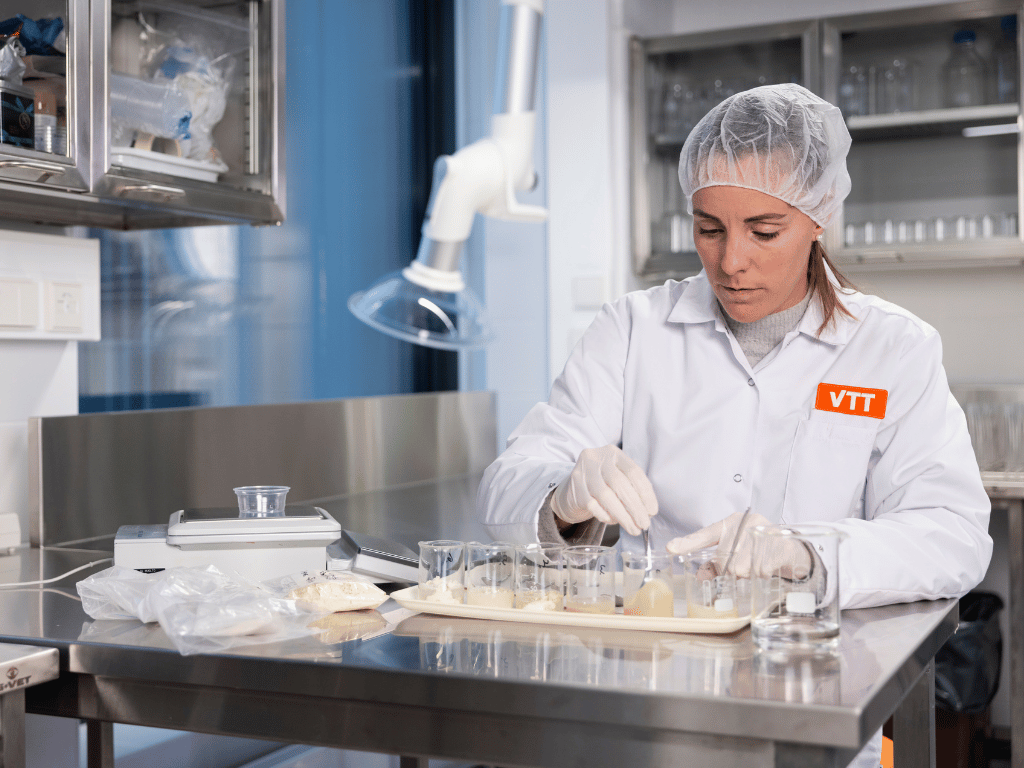
The Rethink project team argues that this linear extraction model is economically unsustainable in an era marked by climate volatility, inflationary pressures, and tightening margins. True profitability, the researchers concluded, can only be achieved when every fraction of the harvested crop generates economic return.
"It is especially critical to find the high-value use cases for carbohydrate-rich fractions, as they often comprise the largest share of the raw material," explained Emilia Nordlund, research manager at VTT who led the overarching project. "We should be boldly looking for uses beyond the food sector too. In cosmetics, for example."
A Three-Year Chronology of Collaborative Innovation
The genesis of the Rethink project dates back to its launch period, driven by a growing recognition among Finnish agricultural stakeholders that national food security and export competitiveness required deeper integration across the supply chain. Over the course of 36 months, the initiative systematically addressed the technical bottlenecks preventing comprehensive crop valorisation.
Phase one of the project focused on mapping the physical and chemical properties of domestic raw materials, primarily oats and fava beans, which enjoy optimal growing conditions in Finland’s northern climate. Researchers evaluated how different fractions could be isolated without destroying their inherent nutritional integrity or requiring environmentally taxing chemical inputs.
Phase two transitioned from laboratory analysis to applied industrial processing. During this stage, participating companies leveraged their respective industrial strengths. For example, Viking Malt applied its deep technical expertise in grain germination, while Valio contributed its extensive commercialisation know-how in dairy and plant-based consumer goods. This synergy culminated in a breakthrough development: a novel ingredient synthesized from germinated fava bean protein granules, specifically tailored for incorporation into both pure plant-based and hybrid meat products.
Phase three, which concluded last month, focused on commercial scalability, patent generation, and establishing regulatory pathways for the newly developed ingredients. The project successfully demonstrated that localized, decentralized food production networks can achieve high efficiency when stakeholders coordinate their operational planning—from primary farming to retail distribution—as a unified whole.
Technological Breakthroughs and Patent Innovations
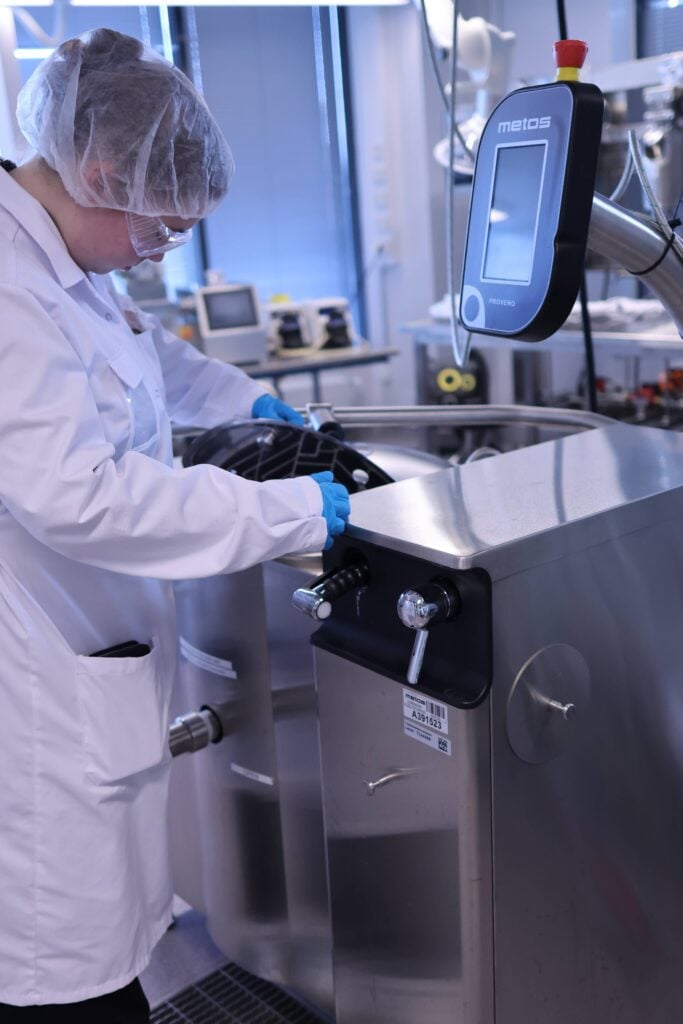
The technical output of the Rethink project extends far beyond theoretical frameworks, yielding tangible, patent-ready innovations designed to streamline manufacturing and enhance product quality.
One of the most significant technological achievements announced by VTT is a patented methodology for concentrating and applying oat dietary fibre, specifically beta-glucan. Traditionally, incorporating high concentrations of beta-glucan into liquid food matrices presents immense formulation challenges, often resulting in an undesirable, paste-like texture that ruins mouthfeel. VTT’s newly invented pre-treatment technique allows fibre to be seamlessly integrated into liquid products while maintaining its structural integrity, keeping the liquid pourable and palatable without compromising nutritional value.
Furthermore, researchers addressed one of the most persistent consumer complaints regarding legume-based foods: off-flavours. Fava beans and peas naturally contain compounds that impart bitter, beanie flavors, which manufacturers typically mask using heavy amounts of sugars, fats, or artificial flavorings. VTT developed an innovative protein separation pre-treatment that effectively neutralizes these undesirable off-flavours at the processing stage, significantly broadening the culinary applications of whole-food plant proteins.
These innovations complement broader commercial advancements originating from the VTT ecosystem. Most notably, the research carried out under various Finnish innovation pipelines directly influenced the technology commercialized by VTT spin-off Happy Plant Protein. Last year, Happy Plant Protein unveiled a dry-extruded textured vegetable protein (TVP) ingredient derived entirely from fava beans, utilizing a single-step process that separates proteins from carbohydrates while simultaneously texturizing them.
The momentum for this technology accelerated internationally. In early 2024, Happy Plant Protein secured $7 million in funding to construct a first-of-its-kind industrial processing facility in Latvia, designed to convert regional crops into high-value proteins. Shortly thereafter, the company struck a strategic partnership with Crespel & Deiters to deploy its proprietary dry-extrusion technology at a large-scale industrial facility in Helmond, the Netherlands.
The Economic and Strategic Implications for the Global Food Industry
The findings of the Rethink project arrive at a crucial juncture for the global alternative protein market. Following years of exponential hype and venture capital influx, the plant-based sector has faced a necessary market correction. Consumers have grown increasingly critical of ultra-processed ingredient lists, high retail price points, and inconsistent sensory experiences, leading to stagnant sales in several key western markets.
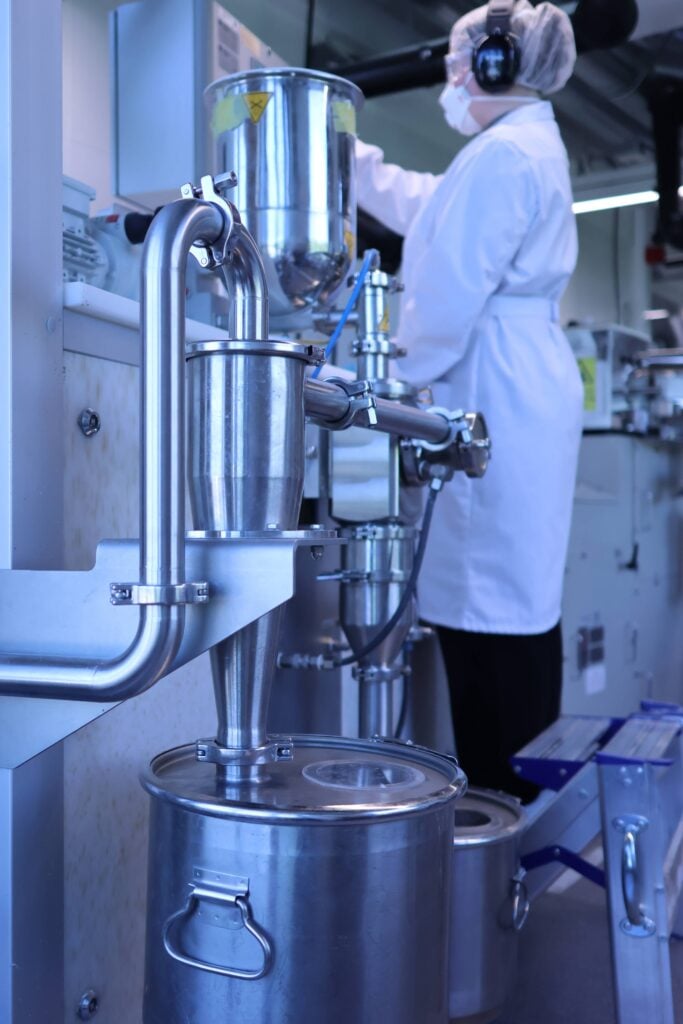
Industry analysts suggest that the insights generated by VTT and its industrial partners offer a viable roadmap out of this current market plateau. By optimizing sidestream valorisation, food manufacturers can simultaneously lower raw material input costs, improve the nutritional profiles of their products, and appeal to clean-label consumer preferences.
Moreover, the collaborative framework established in Finland highlights the strategic advantages of regional food resilience. As geopolitical tensions and climate disruptions threaten global supply chains, nations are increasingly looking inward to secure autonomous food production capabilities.
"Globally, food production is shifting towards more local and distributed production models, as companies and societies strive to strengthen their resilience," Nordlund emphasized. "Finland is in a great position to create new plant-based production chains and profitable business, leading to growth in the industry. We have plenty of active farmers and capacity for regional raw material production, as well as growing interest in plant-based products from the food industry and retail sector."
Future Outlook: Beyond the Rethink Horizon
Although the three-year government-backed Rethink project has officially concluded, the commercial and scientific trajectories it set in motion are expected to reverberate across the European food technology landscape for years to come.
The participating companies—Anora, Apetit, Fazer, Helsingin Mylly, Raisio, Valio, and Viking Malt—are currently integrating the project’s proprietary processing solutions into their commercial pipelines. Industry stakeholders anticipate that the patents developed during the initiative, particularly concerning oat fibre application and legume debittering, will form the foundation of a new generation of European plant-based goods that outcompete legacy products on both price and nutritional transparency.
Ultimately, the Rethink project serves as a compelling case study for modern industrial policy. By combining public research funding from Business Finland with the commercial pragmatism of legacy food enterprises, the initiative has proven that the future of plant-based protein does not lie in discovering entirely new exotic crops, but rather in fundamentally rethinking how we utilize the agricultural wealth we already possess.
