
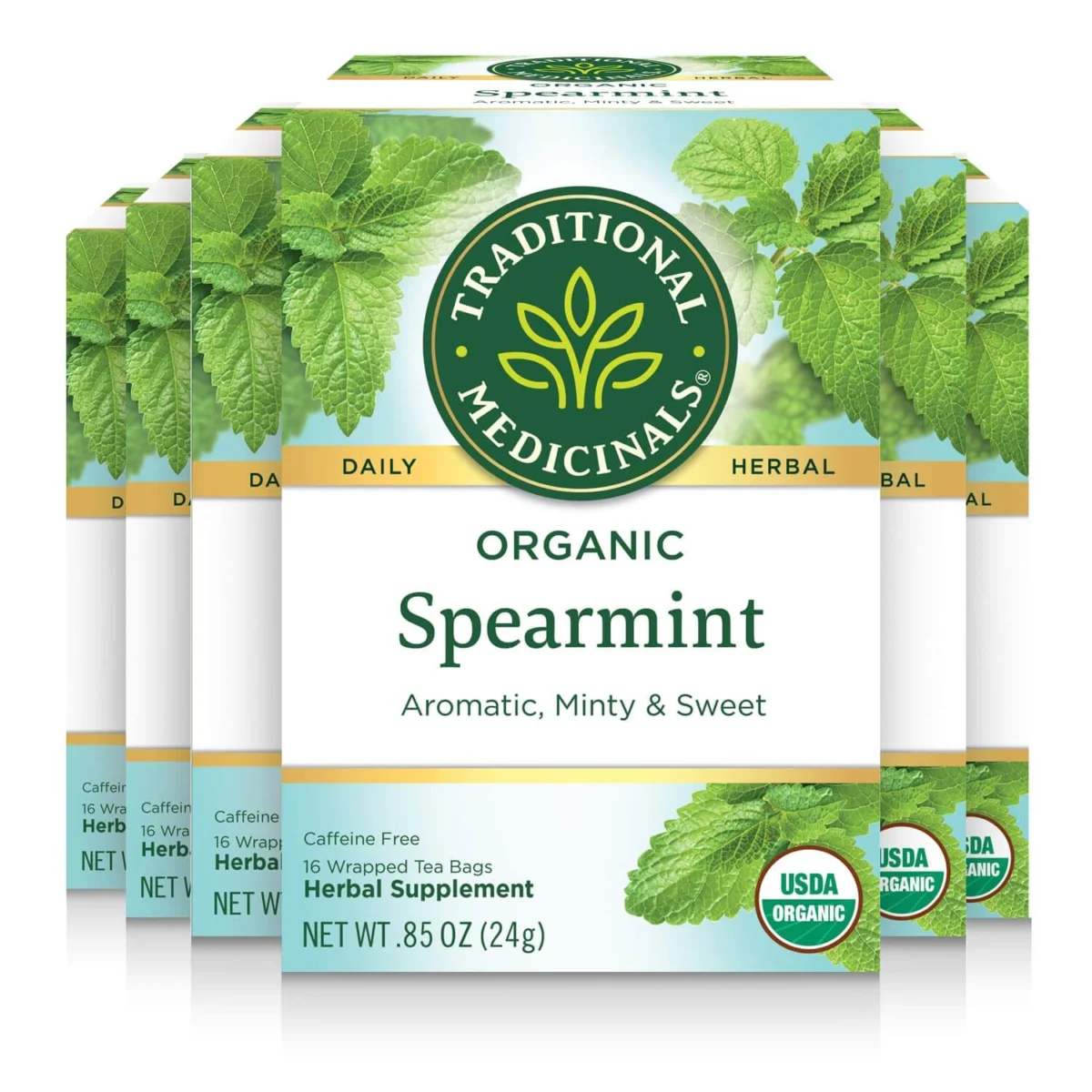
Polycystic Ovary Syndrome (PCOS) remains one of the most prevalent endocrine disorders among women of reproductive age, affecting an estimated 8% to 13% of the global female population according to the World Health Organization. Characterized by a combination of hyperandrogenism, ovulatory dysfunction, and polycystic ovarian morphology, the condition often necessitates a multi-faceted management approach involving lifestyle modifications, pharmaceutical interventions, and, increasingly, evidence-based botanical supplements. Among these natural adjuncts, spearmint tea (Mentha spicata) has emerged as a significant subject of clinical interest due to its documented anti-androgenic properties and its potential to mitigate the distressing physical symptoms associated with hormonal imbalances.
The Pathophysiology of PCOS and the Need for Natural Interventions
PCOS is fundamentally a metabolic and hormonal disorder. Women diagnosed with the condition often present with elevated levels of "male" hormones, or androgens, such as testosterone and dehydroepiandrosterone sulfate (DHEAS). These elevations contribute to a spectrum of symptoms including hirsutism (excessive terminal hair growth in a male-pattern distribution), persistent inflammatory acne, and androgenetic alopecia (female pattern hair loss). Furthermore, PCOS is frequently underpinned by insulin resistance, a state in which the body’s cells do not respond effectively to insulin, leading to compensatory hyperinsulinemia. This excess insulin further stimulates the ovaries to produce more androgens, creating a self-perpetuating cycle of hormonal dysfunction.
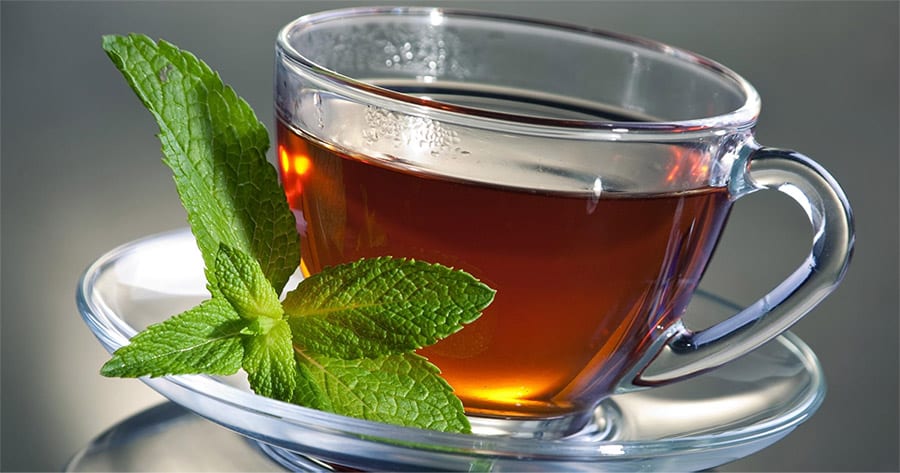
While traditional treatments such as combined oral contraceptive pills (COCPs) and anti-androgens like spironolactone are effective, they are not suitable for all patients, particularly those seeking to conceive or those who experience significant side effects. This has led to a growing body of research into phytotherapy—the use of plant-derived medications—to provide a complementary or alternative approach to symptom management.
Clinical Chronology: From Traditional Use to Randomized Controlled Trials
The transition of spearmint from a traditional digestive aid to a recognized anti-androgenic agent began in earnest in the mid-2000s. While mint species have long been used in Middle Eastern folk medicine to treat various ailments, researchers began to investigate the specific hormonal effects of spearmint in the context of hirsutism.
In 2007, a preliminary study published in Phytotherapy Research observed that drinking spearmint tea twice daily significantly reduced free testosterone levels in women with hirsutism over a five-day period during the follicular phase of their menstrual cycles. This initial finding sparked the need for more robust, longer-term data.
By 2010, a seminal randomized controlled trial (RCT) led by Paul Grant provided the clinical foundation for current recommendations. This study involved 42 women with PCOS and clinically confirmed hirsutism. The participants were split into two groups: one group consumed spearmint tea twice daily for 30 days, while the control group consumed a placebo herbal tea. The results were statistically significant. The spearmint group showed a marked reduction in free and total testosterone levels. Conversely, luteinizing hormone (LH) and follicle-stimulating hormone (FSH) levels increased, suggesting a movement toward hormonal homeostasis. While the 30-day window was too short to observe a clinical disappearance of excess hair—due to the long growth cycle of hair follicles—the subjective self-assessment of the participants indicated a perceived reduction in hirsutism.
Analysis of Hormonal and Metabolic Supporting Data
The efficacy of spearmint tea in PCOS management is attributed to its complex phytochemical profile, which includes polyphenols, flavonoids, and essential oils such as carvone and limonene. The primary mechanism appears to be the inhibition of androgen synthesis and the enhancement of androgen clearance.
Impact on Hyperandrogenism and Acne
Androgens are the primary drivers of sebum production and follicular keratinization, the two main precursors to acne. A 2015 study by the American Academy of Dermatology highlighted the systemic benefits of spearmint, noting that two cups of organic spearmint tea daily reduced inflammatory acne lesions by 25% after one month and 51% after three months. This suggests that for dermatological concerns, the benefits of spearmint tea are cumulative and require consistent long-term adherence.

Insulin Sensitivity and Glycemic Control
While human trials specifically targeting insulin resistance in PCOS through spearmint are limited, animal models have provided compelling data. A 2017 study published in the Iranian Journal of Pharmaceutical Research demonstrated that aqueous extracts of spearmint leaves significantly lowered blood glucose and cholesterol levels in diabetic rats. For women with PCOS, this suggests a potential protective effect against the development of Type 2 diabetes, though further human clinical trials are necessary to quantify this impact.
Menstrual Regularity and Ovarian Health
The normalization of the LH/FSH ratio is critical for regular ovulation. In PCOS, the LH level is often abnormally high relative to FSH, which prevents follicles from maturing and releasing eggs. By modulating these gonadotropins, spearmint tea may help restore the ovulatory cycle. Furthermore, by reducing androgen levels, the tea may decrease the number of antral follicles (the "cysts" characteristic of PCOS), thereby improving overall ovarian morphology.
Cognitive Function and Oxidative Stress
Beyond the endocrine system, PCOS is increasingly recognized for its impact on mental health and cognitive clarity. Many patients report "brain fog," fatigue, and increased anxiety. Spearmint’s role in cognitive health was explored in a 2018 study published in the Journal of Alternative and Complementary Medicine, which found that spearmint extract improved working memory and mental focus in individuals with age-associated memory impairment. The high concentration of rosmarinic acid in spearmint acts as a potent antioxidant, protecting neural pathways from oxidative damage.

Oxidative stress is a known factor in the pathogenesis of PCOS. Systematic reviews, including a 2013 meta-analysis in Human Reproduction Update, have shown that women with PCOS have significantly higher markers of oxidative stress compared to healthy controls. The antioxidant properties of spearmint tea help neutralize free radicals, potentially reducing systemic inflammation and improving long-term health outcomes.
Clinical Guidelines: Preparation, Dosage, and Safety
For spearmint tea to be effective as a therapeutic agent, standardization in preparation and dosage is required. Most clinical studies utilize a specific protocol:
- Dosage: Two cups (approximately 250ml each) per day.
- Concentration: Approximately 5 grams of dried spearmint leaves or one high-quality tea bag per serving.
- Steeping Time: A minimum of 10 to 12 minutes in boiling water to ensure the extraction of essential polyphenols.
- Duration: Consistency for at least 3 to 6 months is necessary to see visible changes in hair growth and skin clarity.
Contraindications and Side Effects
While generally recognized as safe (GRAS) by regulatory bodies like the FDA, spearmint tea is not without cautions. It is a known carminative that relaxes the lower esophageal sphincter, which can exacerbate symptoms of gastroesophageal reflux disease (GERD). Additionally, because of its potent effect on hormones, it is generally not recommended during pregnancy or breastfeeding without direct medical supervision.
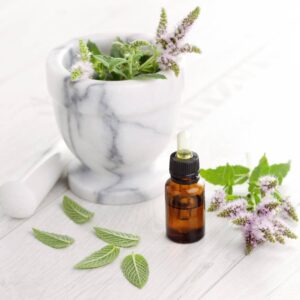
There have also been rare concerns regarding hepatotoxicity (liver strain) with extremely high doses of spearmint supplements or essential oils. Consequently, medical professionals emphasize that patients should rely on traditional tea infusions rather than concentrated essential oils, which can be toxic if ingested incorrectly.
Expert Perspectives and Broader Implications
The medical community’s response to spearmint tea has been cautiously optimistic. Endocrinologists and reproductive specialists increasingly view it as a "low-risk, high-reward" intervention. Dr. Paul Grant, the lead researcher on the 2010 study, noted that while herbal treatments are often dismissed, the clear anti-androgenic effects of spearmint provide a viable pathway for patients who prefer natural management.
However, analysts suggest that spearmint tea should not be viewed as a "monotherapy." The broader impact on PCOS management lies in its integration into a holistic framework that includes a low-glycemic diet, regular physical activity, and stress management. The psychological benefit of utilizing a natural, self-administered remedy also cannot be overlooked, as it empowers patients to take an active role in their chronic disease management.

Future Research and Industry Outlook
As the demand for natural health solutions grows, the industry is seeing an uptick in spearmint-based products tailored specifically for women’s hormonal health. Future research is expected to move toward larger, multi-center trials to determine if spearmint can be used to reduce the dosage of pharmaceutical anti-androgens, thereby minimizing drug-related side effects.
Furthermore, researchers are investigating the synergy between spearmint and other supplements, such as inositol or N-acetylcysteine (NAC), to create a comprehensive non-pharmacological protocol for PCOS.
In summary, spearmint tea represents a scientifically backed, accessible, and cost-effective tool for managing the complex symptoms of PCOS. By lowering testosterone, improving skin health, and potentially aiding metabolic function, it addresses the root hormonal imbalances of the condition. While it is not a "cure," its role in the modern PCOS toolkit is firmly established by clinical data and patient outcomes. As with any therapeutic intervention, patients are advised to consult with their healthcare provider to ensure that spearmint tea aligns with their specific medical history and treatment goals.
