

Polycystic Ovary Syndrome (PCOS) remains one of the most prevalent endocrine disorders among women of reproductive age, characterized by a complex interplay of hormonal imbalances, ovulatory dysfunction, and metabolic disturbances. As clinical research delves deeper into non-pharmacological interventions, Berberine, a natural plant alkaloid, has emerged as a cornerstone of integrative PCOS management. This botanical compound, traditionally utilized in Ayurvedic and Chinese medicine for over three millennia, is now the subject of rigorous Western clinical scrutiny due to its potent insulin-sensitizing and anti-inflammatory properties. For patients and practitioners navigating the multifaceted challenges of PCOS—ranging from infertility to metabolic syndrome—the transition of Berberine from traditional herbalism to a scientifically validated nutraceutical represents a significant shift in the therapeutic landscape.
The Pathophysiology of PCOS and the Role of Berberine
To understand the utility of Berberine, one must first address the underlying mechanisms of PCOS. The condition is frequently driven by insulin resistance, a state where the body’s cells do not respond effectively to insulin, leading to elevated blood glucose levels. In response, the pancreas produces more insulin, resulting in hyperinsulinemia. This excess insulin stimulates the ovaries to produce higher levels of androgens, such as testosterone, which disrupts the menstrual cycle and leads to symptoms like hirsutism, acne, and hair thinning.
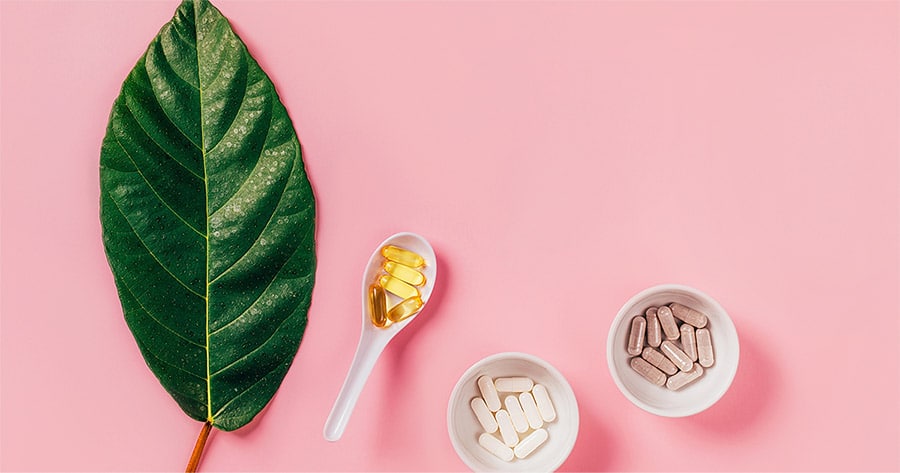
Berberine is primarily extracted from the roots, rhizomes, and stem bark of plants such as Berberis aristata (Indian Barberry) and Coptis chinensis (Goldenthread). Its primary mechanism of action involves the activation of Adenosine Monophosphate-activated Protein Kinase (AMPK), often referred to as the "metabolic master switch." By activating this enzyme, Berberine facilitates glucose uptake in the muscles, inhibits glucose production in the liver, and enhances fatty acid oxidation, effectively mimicking some of the metabolic effects of exercise and calorie restriction.

A Chronology of Berberine Research and Clinical Adoption
The integration of Berberine into modern PCOS protocols has followed a distinct chronological trajectory, moving from general metabolic observation to specific reproductive application:
- Pre-2000s: Traditional Foundations. For centuries, Berberine was utilized in Asia primarily for its antimicrobial and anti-diarrheal properties. Its metabolic benefits were observed anecdotally but lacked standardized clinical validation.
- 2000–2010: Metabolic Discovery. Researchers began identifying Berberine’s ability to lower blood glucose and lipids in patients with Type 2 diabetes. Studies during this decade highlighted its similarity to Metformin, the gold-standard pharmaceutical for insulin resistance.
- 2011–2015: The PCOS Pivot. Clinical trials began specifically targeting women with PCOS. A landmark 2012 study published in European Journal of Endocrinology compared Berberine to Metformin, finding that Berberine was more effective at reducing waist circumference and improving lipid profiles.
- 2016–Present: Refinement and Bioavailability. Current research focuses on the long-term safety of Berberine and the development of hydrochloride (HCl) and phospholipid formulations to overcome the compound’s naturally low intestinal absorption rates.
Comprehensive Analysis of Clinical Benefits
The efficacy of Berberine in treating PCOS is supported by a growing body of data across several key health metrics:

Insulin Sensitivity and Glucose Regulation
Clinical evidence suggests that Berberine significantly improves insulin sensitivity. A prospective randomized study demonstrated that after 12 weeks of administration, women with PCOS showed a marked reduction in fasting plasma glucose and a significant improvement in HOMA-IR (Homeostatic Model Assessment for Insulin Resistance) scores. By enhancing the insulin signaling pathway, Berberine reduces the systemic demand for insulin, thereby lowering androgen production at the ovarian level.
Weight Management and Adipose Tissue Reduction
Weight gain and the inability to lose weight are hallmark struggles for PCOS patients. Data from a systematic review involving patients with metabolic syndrome indicated that 12 weeks of Berberine treatment resulted in an average reduction in Body Mass Index (BMI) from 31.5 to 27.4. Beyond total weight, Berberine specifically targets visceral fat—the metabolically active fat surrounding internal organs. Clinical trials have recorded significant decreases in waist circumference even in the absence of major caloric restriction, suggesting a direct effect on adipogenesis (the formation of fat cells).

Lipid Profile and Cardiovascular Health
Women with PCOS face a fourfold higher risk of developing cardiovascular disease compared to the general population. Berberine acts as a novel cholesterol-lowering agent by increasing the expression of LDL receptors in the liver. Research indicates it is comparable to low-dose statins (such as Simvastatin) in reducing "bad" LDL cholesterol and triglycerides while simultaneously elevating "good" HDL cholesterol. This dual action is critical for mitigating the long-term cardiovascular risks associated with PCOS.
Reproductive Outcomes and Fertility
Perhaps the most significant development in Berberine research is its impact on ovulation and live birth rates. By reducing hyperinsulinemia and lowering the Free Androgen Index (FAI), Berberine helps restore the hypothalamic-pituitary-ovarian axis. Studies have shown that Berberine increases levels of Sex Hormone Binding Globulin (SHBG), which binds to excess testosterone in the blood, rendering it inactive. Furthermore, Berberine has been shown to improve endometrial receptivity, potentially increasing the success rates of embryo implantation in women undergoing IVF.

Secondary Benefits: Inflammation, Liver Health, and Mental Wellbeing
The broader implications of Berberine extend beyond glucose and reproductive hormones:
- Anti-Inflammatory Action: PCOS is increasingly recognized as a state of chronic low-grade inflammation. Berberine inhibits pro-inflammatory cytokines, which not only improves metabolic health but may also enhance egg quality by reducing oxidative stress within the follicular fluid.
- Non-Alcoholic Fatty Liver Disease (NAFLD): Women with PCOS are four times more likely to develop NAFLD. Berberine assists in liver detoxification and reduces hepatic fat accumulation by improving lipid metabolism.
- Psychological Support: Emerging evidence suggests a link between metabolic health and mood disorders. By stabilizing blood sugar and reducing inflammation, Berberine may alleviate symptoms of depression and anxiety, which are disproportionately prevalent in the PCOS community.
Clinical Perspectives and Safety Standards
Medical professionals generally view Berberine as a safe and effective adjunct to lifestyle modifications, provided it is used under supervision. While Berberine is often compared to Metformin, it frequently reports fewer severe side effects. However, gastrointestinal transit issues such as temporary diarrhea, constipation, or nausea can occur during the initial phase of treatment.

Dosage and Administration:
The standard clinical dosage used in most successful trials is 500mg, taken two to three times daily, ideally 30 minutes before meals. This staggered approach helps manage postprandial glucose spikes. Experts recommend the use of Berberine Hydrochloride (HCl) for better bioavailability.
Regulatory and Professional Consensus:
While the FDA classifies Berberine as a dietary supplement rather than a drug, various international endocrine societies have begun acknowledging the role of insulin sensitizers in PCOS management. The consensus among integrative gynecologists is that while Berberine is not a "cure," it serves as a powerful tool for addressing the metabolic drivers of the syndrome.

Broader Impact and Future Implications
The rise of Berberine signifies a broader shift in the medical community toward "functional nutraceuticals"—compounds that offer pharmaceutical-grade efficacy with a lower side-effect profile. As the global prevalence of metabolic disorders continues to climb, the demand for accessible, plant-based interventions like Berberine is expected to grow.
For the PCOS community, the implications are profound. The ability to manage a complex endocrine disorder through a combination of diet, lifestyle, and targeted supplementation offers a sense of agency to patients who have historically felt underserved by traditional "one-size-fits-all" approaches, such as the universal prescription of oral contraceptives.
In conclusion, Berberine stands as a scientifically backed intervention that addresses the root causes of PCOS. By improving insulin signaling, reducing androgen levels, and protecting cardiovascular health, it provides a comprehensive approach to a complex condition. Future longitudinal studies will likely continue to refine its role, potentially establishing it as a primary line of defense in the global effort to manage polycystic ovary syndrome and its associated metabolic comorbidities.
