
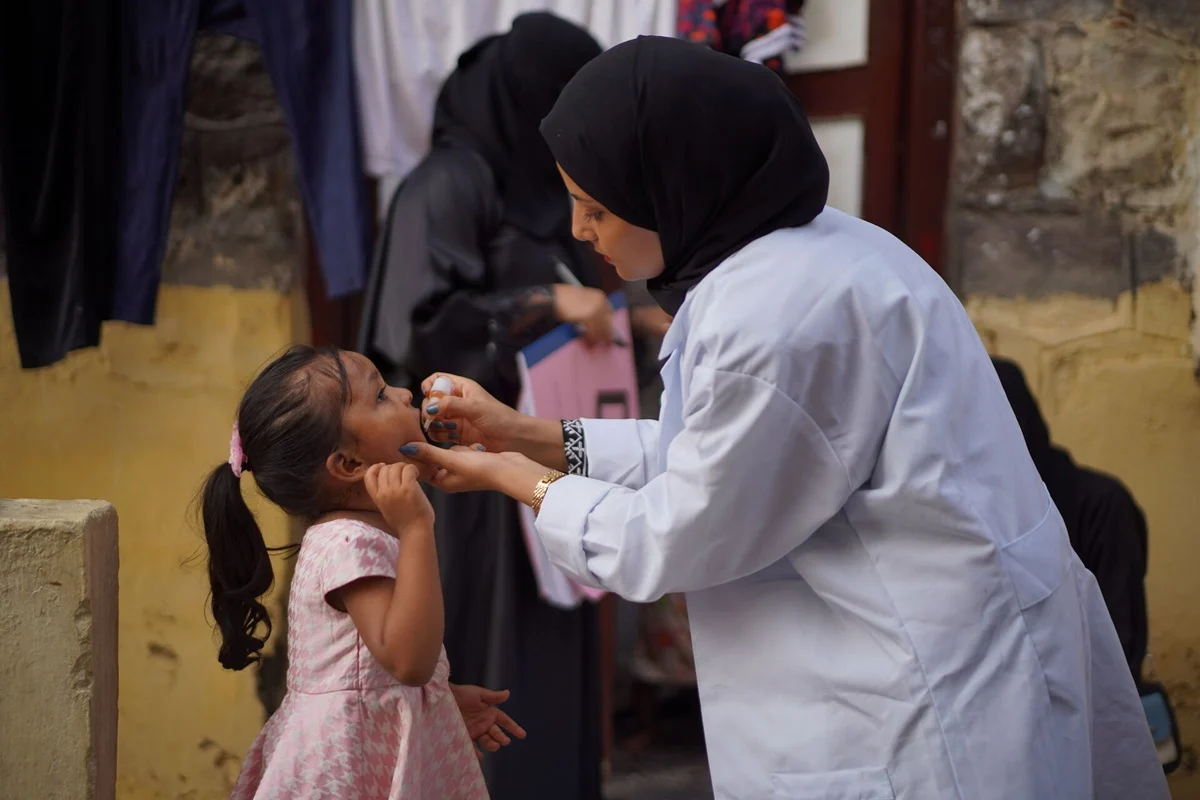
In a landmark achievement for global public health, a multi-year and multi-country initiative known as The Big Catch-Up (BCU) has successfully reached an estimated 18.3 million children between the ages of 1 and 5 across 36 nations. Announcing the results at the commencement of World Immunization Week 2026, Gavi, the Vaccine Alliance, the World Health Organization (WHO), and UNICEF confirmed that more than 100 million doses of life-saving vaccines have been administered. This massive mobilization was designed specifically to address the catastrophic decline in routine childhood vaccinations triggered by the COVID-19 pandemic, which saw the largest sustained drop in immunization rates in over thirty years.
The initiative, which concluded its primary implementation phase on March 31, 2026, focused on narrowing critical immunity gaps that left millions of children vulnerable to preventable diseases. Of the 18.3 million children reached, approximately 12.3 million were classified as "zero-dose children"—those who had never received a single vaccine throughout their lives. Additionally, 15 million children received their first measles vaccination through the program, and 23 million doses of inactivated polio vaccine (IPV) were distributed to support global eradication efforts. While final data compilation is ongoing, the global initiative is currently forecasted to meet or exceed its ultimate target of reaching at least 21 million un- and under-immunized children.
The Context of the Global Immunization Crisis
The genesis of The Big Catch-Up lies in the unprecedented disruption of health services between 2020 and 2022. During the height of the COVID-19 pandemic, national lockdowns, diverted healthcare resources, and supply chain interruptions caused routine immunization coverage to plummet. According to retrospective data from WHO and UNICEF, nearly 67 million children missed out on routine vaccines during this period, resulting in the first major backslide in global vaccination progress in a generation.
This regression was particularly severe in lower-income countries where health systems were already under strain. The "zero-dose" population grew significantly, creating a massive cohort of "older" children—those aged 1 to 5—who had aged out of the traditional infant immunization window but remained unprotected. The Big Catch-Up was conceived as a systematic intervention to utilize routine immunization infrastructure to find these missed children, rather than relying solely on one-off mass campaigns.
Strategic Implementation and Geographic Focus
The BCU initiative prioritized 36 countries across Africa and Asia, which collectively account for approximately 60% of the world’s zero-dose children. These regions faced a dual challenge: chronic under-immunization in fragile or conflict-affected areas and the new "pandemic-disruption" cohort.
The strategy involved more than just vaccine delivery; it required a fundamental shift in health policy. Many participating countries updated their age-eligibility policies to allow children over the age of one to receive vaccines typically reserved for infants. Health workers were trained to screen every child entering a clinic, regardless of the reason for their visit, to check their vaccination status.
Among the 36 participating nations, 12 countries demonstrated exceptional progress, reaching more than 60% of all zero-dose children under the age of 5 who had previously missed their first dose of the diphtheria-tetanus-pertussis (DTP1) vaccine. These countries include:
- Burkina Faso
- Democratic People’s Republic of Korea
- Ethiopia
- Kenya
- Madagascar
- Mauritania
- Niger
- Pakistan
- Somalia
- Togo
- United Republic of Tanzania
- Zambia
In Ethiopia, the program’s impact was particularly profound. More than 2.5 million previously zero-dose children received DTP1, while the country also delivered nearly 5 million doses of IPV and over 4 million doses of the measles vaccine. Nigeria, though not in the top 12 for percentage coverage, reached a staggering 2 million zero-dose children with DTP1 and administered 3.4 million doses of IPV alongside millions of other essential vaccines.
Supporting Data: Measles and Polio Interventions
The focus on measles and polio was a strategic necessity. Measles is often considered the "canary in the coal mine" for immunization systems due to its high transmissibility; a small gap in coverage can lead to massive outbreaks. By reaching 15 million children with the measles vaccine, the BCU has provided a vital firewall against the resurgence of the disease in high-risk zones.
The administration of 23 million IPV doses is equally critical. As the world nears the final stages of polio eradication, ensuring that every child is protected against the virus is paramount. The BCU targeted under-vaccinated populations in areas where wild poliovirus or circulating vaccine-derived poliovirus remains a threat, reinforcing the global "Polio Eradication Strategy 2022–2026."
Official Responses and Stakeholder Perspectives
The success of the initiative has been hailed by international health leaders as a testament to what can be achieved through coordinated global action. Dr. Sania Nishtar, CEO of Gavi, the Vaccine Alliance, emphasized the generational impact of the program. "As the largest ever international effort to reach missed children with life-saving vaccines, the Big Catch-Up shows what is possible when governments, partners, and communities work together to protect the most vulnerable in society," she stated. "Thanks to this accomplishment, not only are millions of children now protected from preventable diseases but so are their communities, for generations to come."
Dr. Tedros Adhanom Ghebreyesus, Director-General of the WHO, noted that the initiative has effectively mitigated one of the pandemic’s most dangerous legacies. "The success of the Big Catch-Up is a testament to health workers and national immunization programmes, which are now better equipped to find and vaccinate children missed by routine services," he said.
However, the celebratory tone was tempered by warnings about the future. UNICEF Executive Director Catherine Russell highlighted the fragility of these gains. "Vaccinations save lives," Russell said. "We’ve caught up with some of the children who missed routine vaccinations during the pandemic—but many more remain out of reach. The gains made through the Big Catch-Up must be sustained through investment in strong, reliable immunisation systems, especially at a time where measles is resurging."
Current Challenges: The 2024 Infant Data and Rising Outbreaks
Despite the success of the BCU in reaching "older" children, the global health community remains deeply concerned about the current state of infant immunization. In 2024, an estimated 14.3 million infants under the age of one failed to receive a single vaccine through routine programs. This figure suggests that while the "catch-up" for the pandemic cohort is succeeding, the underlying "routine" systems are still struggling to keep pace with population growth, conflict-driven displacement, and strained budgets.
The consequences of these gaps are already manifesting. In 2024, there were an estimated 11 million measles cases globally. The number of countries experiencing large-scale outbreaks has nearly tripled since 2021. Experts attribute this surge to a combination of persistent coverage gaps and a decline in vaccine confidence in certain regions. The BCU served as a necessary emergency measure, but health agencies warn that large-scale catch-up efforts are resource-intensive and should not be viewed as a substitute for a robust, consistent routine immunization schedule.
Broader Impact and the Path to 2030
The Big Catch-Up has done more than just deliver vaccines; it has catalysed systemic improvements in how countries manage health data and community outreach. By investing in identifying and monitoring "older" children, many nations have built more resilient health registries. The engagement with civil society and local leaders during the BCU has also created a blueprint for reaching marginalized populations in future health crises.
As the world observes World Immunization Week 2026 under the theme "For every generation, vaccines work," the focus shifts toward the Immunization Agenda 2030 (IA2030). This global strategy aims to reduce the number of zero-dose children by 50% by the end of the decade. Central to this is Gavi’s 2026–2030 strategy (Gavi 6.0), which prioritizes equity and the strengthening of primary health care in the hardest-to-reach communities.
The legacy of The Big Catch-Up will likely be judged by whether the systems it helped build are maintained. The initiative proved that "missed" children are not "unreachable" children. However, as global health systems face the triple threat of funding cuts, climate-related health disruptions, and geopolitical instability, the transition from emergency catch-up to sustainable routine immunization remains the most significant hurdle for the next five years. To ensure that the progress made between 2023 and 2026 is not lost, international donors and national governments must commit to long-term domestic investments, ensuring that no child—regardless of their age or location—is left behind in the global effort to eradicate vaccine-preventable diseases.
