

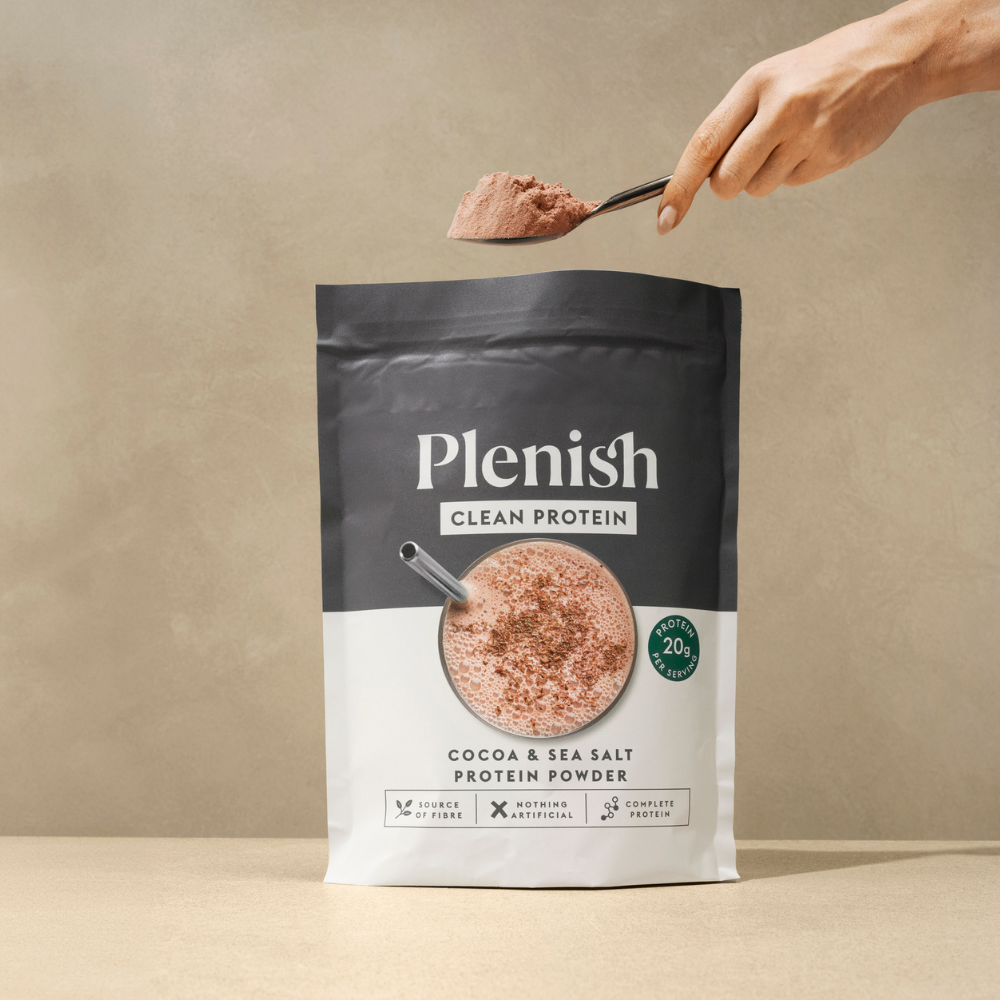
Plenish, the British dairy-free milk brand owned by Carlsberg Britvic, has strategically expanded its clean-label plant-based portfolio with the introduction of two new pea protein powders. This move signifies a direct engagement with the burgeoning UK protein market, a sector experiencing significant growth fueled by evolving consumer health consciousness and dietary trends. The new product line, named "Clean Protein," embodies Plenish’s commitment to ingredient transparency and minimal processing, offering consumers a straightforward and effective way to meet their protein and fibre intake goals.
The launch of Clean Protein powders marks Plenish’s ambitious entry into the highly competitive food industry’s booming protein category. Each serving of these new powders delivers a substantial 20 grams of protein, meticulously crafted with a concise list of just seven ingredients. Crucially, the formulations eschew artificial additives and non-sugar sweeteners, aligning with a growing consumer preference for natural and unadulterated food products. Available in two sophisticated flavours, Madagascan Vanilla and Cocoa Sea Salt, the powders also carry a beneficial fibre claim, further enhancing their appeal to health-conscious consumers.
This product diversification by Plenish is strategically timed to capitalize on robust market indicators. Data from NielsenIQ reveals a significant uptick in sales for both protein and fibre products in the UK. In the 26 weeks leading up to January 24th, protein sales experienced a surge of nearly 10%, while fibre sales saw an even more impressive increase of approximately 14%. This trend underscores a national shift towards healthier dietary choices, with consumers actively seeking out products that support their wellness objectives.
Russell Goldman, managing director of Carlsberg Britvic’s Breakthrough Brands division, articulated the brand’s vision behind this product expansion. "Consumers using protein powders want to hit their protein goals while keeping things simple, and enjoying added benefits like fibre, without having to compromise on taste," Goldman stated. He emphasized that Plenish’s new protein powders are designed to meet these precise demands. "Our new protein powders deliver exactly that, staying true to our mission of ingredient transparency and great-tasting products," he added, reinforcing the brand’s core values.

The Science Behind Plenish’s Clean Protein
Plenish’s Clean Protein powders are formulated with a synergistic blend of pea protein isolate and fava bean protein, forming the foundational protein source. This dual-plant protein base ensures a comprehensive amino acid profile, vital for muscle repair and growth. The powders are further enriched with Jerusalem artichoke inulin, a prebiotic fibre known for its digestive health benefits. To achieve their appealing flavours, the formulation includes light brown sugar, natural flavourings, and specific ingredients such as vanilla extract and cinnamon powder for the vanilla variant, and fat-reduced cocoa powder and sea salt for the cocoa-sea salt option.
The inclusion of a complete amino acid profile is a key selling point, directly addressing consumer needs for muscle maintenance and growth support. While each serving provides less than 1 gram of dietary fibre, the brand highlights this as an additional benefit, aligning with the growing consumer interest in fibre-rich foods.
Embedding into the Demand for Protein and Fibre
The current market landscape in the UK demonstrates a clear and growing demand for protein and fibre-rich foods. Research indicates that a significant portion of the British population has actively sought to increase their protein intake. Between 2024 and 2025, over two in five (43%) Brits reported increasing their protein consumption. Looking ahead to the current year, 14% of consumers aim to further boost their protein intake, while 13% are focused on incorporating more fibre into their diets.
A significant contributing factor to this elevated focus on protein and fibre is the increasing adoption of GLP-1 drugs, commonly used for weight management. Kantar reports that over 1.5 million Britons are now using weight-loss medication, a figure that has nearly doubled between 2024 and 2025. These medications can lead to a substantial decrease in muscle mass over time, making protein a crucial dietary component for individuals undergoing such treatments. Furthermore, dietary fibre plays a supportive role by potentially triggering the body’s natural GLP-1 response and enhancing gut health.
In response to this evolving consumer behaviour, UK supermarkets have responded by introducing dedicated product ranges catering to those on GLP-1 medications. Retailers such as M&S, Morrisons, and Co-op have launched high-protein, high-fibre options, with Asda and Ocado also participating in this trend. Tesco has indicated that it is closely monitoring this rapidly growing market segment, signalling the broad impact of these dietary shifts across the retail landscape.
Plenish Makes Its Play for the Clean-Label Market
Plenish’s strategic decision to focus on a clean-label approach is a calculated move, recognizing the significant growth potential of the plant-based protein market, which is projected to reach approximately $35 billion in value by 2035. However, the brand acknowledges that this market is often characterized by products that compromise on taste, texture, or ingredient quality. Plenish aims to fill this void by offering protein powders that excel in all these areas, providing consumers with a trustworthy and enjoyable product.
The company’s assertion that its protein powders deliver "great taste, multiple nutritional benefits, and an ingredients list consumers can trust" resonates with current consumer priorities. According to Tastewise, clean labels are no longer a niche preference but a fundamental expectation for food products in the UK. A significant 58% of UK consumers now prioritize "all-natural ingredients" over any other product claim, underscoring the importance of transparency and simplicity in food formulations.
This trend towards clean labels is not new and has been a growing influence in the food industry for several years. Earlier research had predicted that by 2026, 70% of the UK’s food and drink supply would consist of clean-label products. This trajectory has been further accelerated by heightened consumer concerns surrounding ultra-processed foods (UPFs). The perception that shorter ingredient lists equate to healthier products has gained considerable traction, though the complexities of food processing and health impacts are acknowledged to be more nuanced.
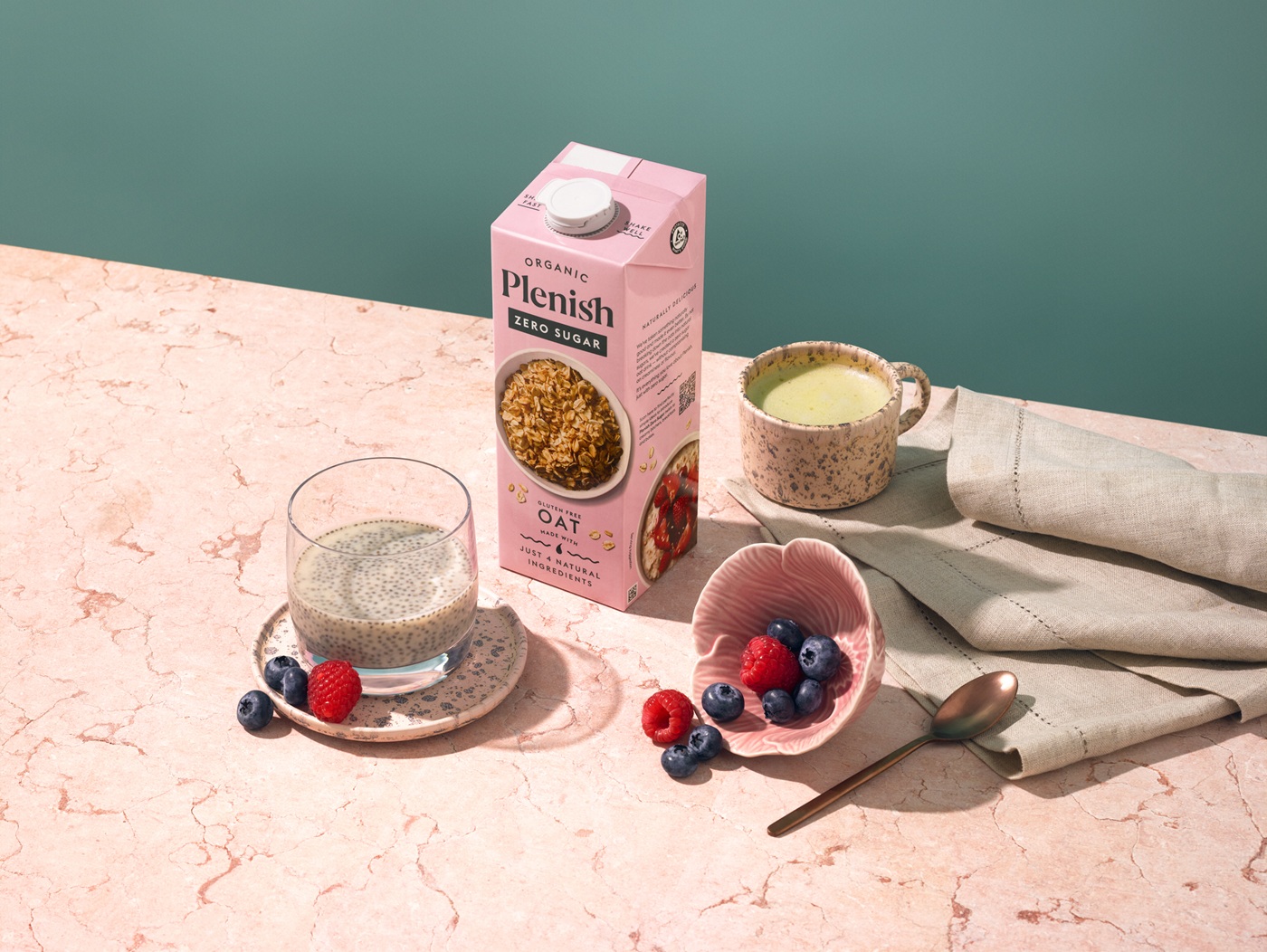
Plenish, already established as the UK’s fastest-growing plant-based dairy brand, has consistently aligned its product development with these prevailing health trends. Last year, the company launched an innovative oat milk formulation that is free from oils and additives and contains zero sugar. This was achieved through a proprietary process designed to prevent the breakdown of oats into natural sugars, further cementing Plenish’s reputation for offering healthier, more natural alternatives.
Goldman reiterated the brand’s understanding of consumer expectations: "We know today’s consumers expect more from their wellness products and want multiple health objectives in a single product. This launch is an exciting milestone for Plenish, and we can’t wait to see how it elevates everyday wellness routines for our consumers."
A Broader Industry Shift Towards Whole Foods
Plenish’s new protein powder launch is part of a wider trend within the plant-based sector, where several brands are increasingly focusing on whole-food formats to address concerns about ultra-processed ingredients. This strategic pivot aims to offer consumers products perceived as more natural and less processed.
In recent times, brands have introduced innovative product lines to cater to this demand. "This is Meat" launched its "Super Superfood" protein line, and a "chickpea tofu range" in collaboration with Omami. Oh So Wholesome introduced "Veg’chop," a plant-based protein offering. Juicy Marbles unveiled its "Umami Burger," a whole-food, veg-forward alternative. Symplicity Foods, a brand associated with chef Neil Rankin, debuted its fermented-vegetable-based meat alternatives at Waitrose, further diversifying the market with options that emphasize natural ingredients and less processing.
These collective efforts by various brands highlight a significant shift in consumer preference and industry strategy, moving towards products that are not only plant-based but also prioritize simplicity, natural ingredients, and demonstrable health benefits. Plenish’s entry into the protein powder market with its clean-label philosophy is a timely and strategic move, poised to capture a growing segment of consumers seeking transparency and efficacy in their dietary supplements.
