
Polycystic Ovary Syndrome (PCOS) remains one of the most prevalent endocrine disorders among women of reproductive age, affecting approximately 8% to 13% of the global female population. As a leading cause of anovulatory infertility, the condition presents significant challenges for those seeking to conceive, often necessitating a multi-faceted approach involving lifestyle modifications, dietary adjustments, and targeted supplementation. Clinical data suggests that while the diagnosis can be psychologically taxing for patients, the implementation of specific nutritional protocols can significantly improve metabolic health and reproductive outcomes. For many women, the journey from diagnosis to successful conception involves a rigorous re-evaluation of how environmental and dietary factors influence hormonal homeostasis.
Understanding the Clinical Framework of PCOS and Infertility
PCOS is characterized by a combination of hyperandrogenism, ovulatory dysfunction, and polycystic ovarian morphology. Beyond the reproductive implications, the syndrome is intrinsically linked to metabolic disturbances, most notably insulin resistance, which affects up to 70% of women with the condition regardless of their Body Mass Index (BMI). The physiological mechanism of infertility in PCOS often stems from elevated levels of luteinizing hormone (LH) and insulin, which collectively stimulate the ovaries to produce excess testosterone. This hormonal environment inhibits the maturation of ovarian follicles, leading to irregular menstrual cycles or a complete absence of ovulation.

A typical case study in reproductive management highlights the timeline many patients face. Upon diagnosis, which often occurs after a period of unsuccessful attempts to conceive, patients frequently experience a 9-to-12-month window of intensive lifestyle intervention before achieving pregnancy. This period is critical for stabilizing blood glucose levels and reducing the systemic inflammation associated with the disorder. For many, the frustration of "messed up hormones" is compounded by the unpredictability of the menstrual cycle, making the timing of conception a significant hurdle.
The Insulin-Testosterone Axis: Dietary Management Strategies
The primary objective of a PCOS-specific fertility diet is the management of insulin levels. Chronic hyperinsulinemia not only promotes weight gain but directly exacerbates the production of male hormones (androgens) within the ovarian theca cells. To counteract this, medical professionals advocate for a low-glycemic index (GI) diet. By consuming carbohydrates that are digested slowly, patients can avoid the rapid spikes in blood sugar that trigger excessive insulin secretion.
Nutritional experts emphasize the importance of "carbohydrate pairing"—the practice of balancing complex carbohydrates with high-quality proteins and healthy fats. This approach slows the absorption of glucose into the bloodstream. Clinical observations indicate that when insulin sensitivity improves, testosterone levels naturally decline, thereby removing one of the primary barriers to spontaneous ovulation. The "Best PCOS Diet" is not merely about calorie restriction but about the strategic selection of macronutrients to foster a hormonal environment conducive to follicular development.

Estrogen Dominance and Environmental Endocrine Disruptors
Hormonal balance in women with PCOS is further complicated by imbalances in estrogen. Patients may present with either deficient or excessive estrogen levels, with the latter often referred to as "estrogen dominance." This state can be aggravated by two primary sources: xenoestrogens and dietary estrogens. Xenoestrogens are synthetic compounds found in plastics, cosmetics, and industrial chemicals that mimic the behavior of natural estrogen in the body, binding to receptors and disrupting the endocrine system.
Dietary sources of estrogen also play a role. There is ongoing clinical debate regarding phytoestrogens, such as those found in soy products. Phytoestrogens can occupy estrogen receptors; depending on the individual’s baseline hormonal state, they may either exert a weak estrogenic effect or act as an anti-estrogen by blocking more potent endogenous estrogens. Some research suggests that high soy intake can lead to delayed ovulation in sensitive individuals. Consequently, many fertility specialists recommend a cautious approach to soy consumption for women actively trying to conceive.
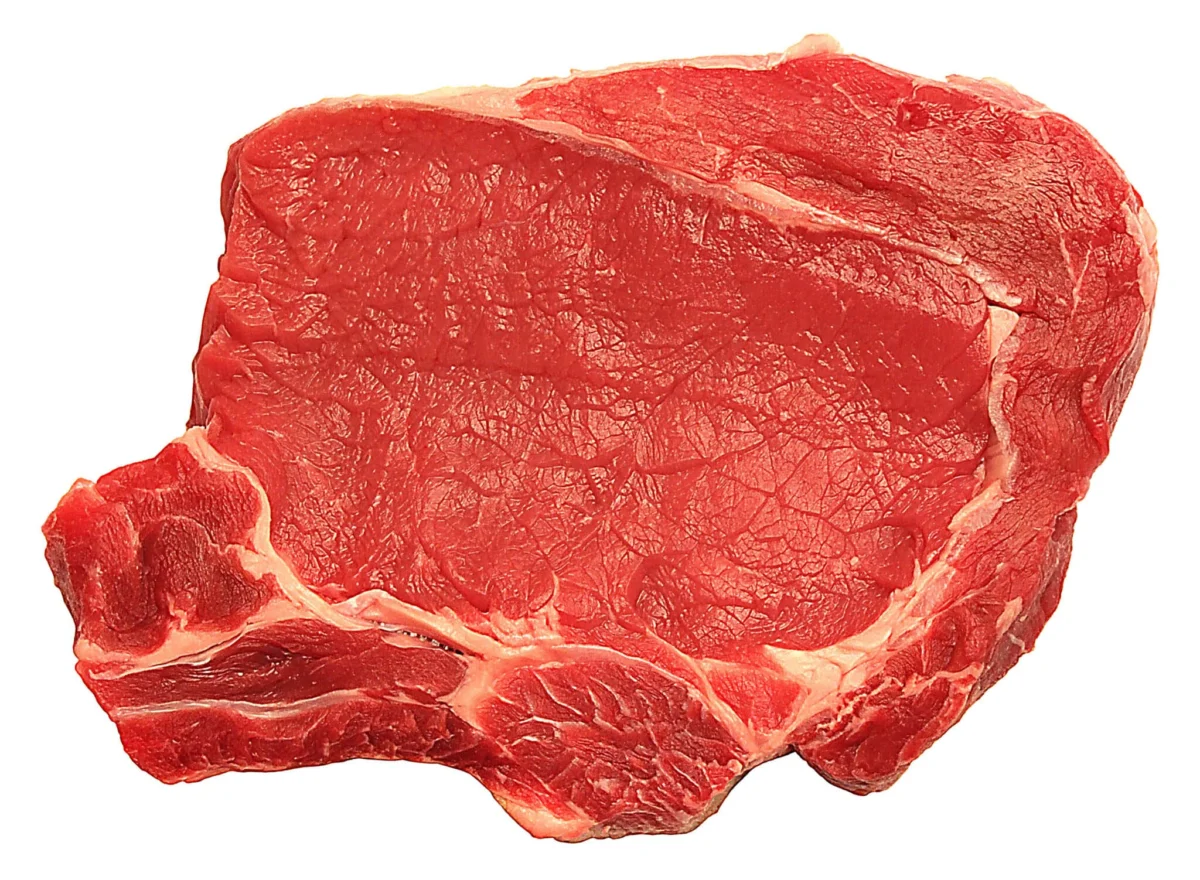
Furthermore, the role of animal products in hormonal health cannot be overlooked. Conventional livestock farming often utilizes growth hormones to increase yield. When these products are ingested, they can introduce exogenous hormones into a system that is already struggling with dysregulation. Transitioning to organic, pasture-fed meats—which are free from synthetic hormones and antibiotics—is a recommended strategy for those who can afford the premium, as it reduces the total "hormonal load" on the body.
The 5-10% Weight Loss Threshold and Reproductive Restoration
For women with PCOS who are overweight or obese, weight management is a cornerstone of fertility treatment. The psychological burden of weight loss in the context of PCOS is high, as insulin resistance makes the body more prone to fat storage and less responsive to traditional caloric deficits. However, the clinical implications of even modest weight loss are profound.
Studies consistently show that losing just 5% to 10% of total body weight can lead to a significant reduction in central adiposity and a subsequent improvement in insulin sensitivity. This metabolic shift is often sufficient to restore regular menstrual cycles and facilitate mature follicle production. In many cases, this modest weight loss is the "tipping point" that allows for successful conception without the need for intensive pharmaceutical intervention like Clomiphene or Letrozole.
Targeted Supplementation: Filling the Nutritional Gaps
While diet provides the foundation, targeted supplementation is often required to address specific micronutrient deficiencies common in the PCOS population. These supplements function as metabolic cofactors that assist in hormone synthesis and glucose metabolism.
Chromium and Insulin Sensitivity
Chromium is a trace mineral that plays a vital role in the action of insulin. It enhances the activity of insulin receptors, allowing glucose to enter cells more efficiently. Many women with PCOS are found to be deficient in chromium. Supplementation has been shown to lower fasting blood glucose and reduce the insulin response to carbohydrates, which indirectly lowers testosterone. However, patients already on insulin-sensitizing medications, such as Metformin, must consult with healthcare providers to avoid the risk of hypoglycemia.
Vitamin D and Calcium for Follicular Development
A significant correlation exists between Vitamin D deficiency and the severity of PCOS symptoms. Vitamin D is involved in the maturation of ovarian follicles and the development of the uterine lining. Research indicates that supplementing with Vitamin D and Calcium can help regulate the menstrual cycle and increase the number of mature follicles available for ovulation. Given that Vitamin D also plays a role in mood regulation and immune function, it is considered a foundational supplement for reproductive health.
The B-Vitamin Complex and Fetal Health
Vitamin B6 is essential for the production of progesterone and the regulation of blood sugar. A deficiency can lead to a shortened luteal phase, which prevents a fertilized egg from successfully implanting in the uterus. Additionally, Folic Acid (Vitamin B9) is a non-negotiable component of any pregnancy plan. It is critical for the development of the fetal neural tube during the first few weeks of gestation, reducing the risk of birth defects such as spina bifida. A comprehensive B-complex supplement ensures that these synergistic vitamins are present in adequate levels.
Omega-3 Fatty Acids and Androgen Reduction
Omega-3 fatty acids, typically derived from fish oil, are potent anti-inflammatory agents. In the context of PCOS, Omega-3s have been shown to specifically lower testosterone levels and improve the lipid profile of patients. By reducing systemic inflammation, Omega-3s also enhance the quality of the eggs produced, which is a vital factor in both natural conception and assisted reproductive technologies (ART).
Broader Impact and Long-term Implications
The management of PCOS through diet and lifestyle has implications that extend far beyond the immediate goal of pregnancy. Women with PCOS are at a higher lifetime risk for developing Type 2 diabetes, cardiovascular disease, and endometrial cancer. By adopting a "fertility-first" dietary approach, patients are essentially implementing a long-term preventative health strategy.
The shift toward personalized nutrition and functional medicine represents a significant evolution in how the medical community addresses female endocrine health. Rather than relying solely on symptomatic relief—such as the use of oral contraceptives to "regulate" a cycle—there is an increasing emphasis on addressing the root causes of hormonal imbalance. This approach empowers patients, giving them a sense of control over a condition that often feels unmanageable.

In conclusion, while the path to pregnancy with PCOS is often characterized by uncertainty and frustration, a structured plan focusing on insulin management, the reduction of environmental toxins, and strategic supplementation offers a viable roadmap. By prioritizing metabolic health, women can not only improve their chances of conceiving but also ensure a healthier environment for the development of their future children. The integration of clinical data with patient-led dietary interventions continues to provide the best evidence-based outcomes for overcoming the reproductive challenges posed by Polycystic Ovary Syndrome.
