

Polycystic Ovary Syndrome (PCOS) remains one of the most prevalent endocrine disorders among women of reproductive age, affecting approximately 8% to 13% of the global population. For individuals diagnosed with this condition, the journey toward conception and a healthy pregnancy often requires a specialized nutritional approach. Medical experts and dietary specialists emphasize that while prenatal vitamins are a standard recommendation for all expectant mothers, those with PCOS face unique metabolic challenges—including insulin resistance, chronic inflammation, and hormonal imbalances—that necessitate specific nutrient profiles. As the medical community places a greater focus on the "first 1,000 days" of a child’s development, the role of targeted supplementation for PCOS patients has moved to the forefront of maternal-fetal medicine.
Understanding the Metabolic Context of PCOS and Pregnancy
The clinical presentation of PCOS involves a complex interplay of reproductive and metabolic symptoms. High levels of androgens (male hormones) can interfere with regular ovulation, making conception difficult. Furthermore, insulin resistance is present in up to 70% of women with PCOS, regardless of their body mass index. This metabolic backdrop increases the risk of pregnancy complications, including gestational diabetes, pre-eclampsia, and preterm birth.

Given these risks, the introduction of a high-quality prenatal vitamin is not merely a supplement to the diet but a critical intervention. These vitamins serve a dual purpose: they provide the baseline nutrients required for fetal organogenesis and address the specific deficiencies often exacerbated by PCOS-related medications, such as Metformin, which can deplete Vitamin B12 levels.
The Chronology of Nutritional Support: From Preconception to Postpartum
The timeline for prenatal supplementation begins long before a positive pregnancy test. Reproductive endocrinologists generally recommend that women with PCOS start a prenatal or preconception-specific vitamin regimen at least three to six months before attempting to conceive. This "preparatory phase" is vital for improving egg quality and ensuring that the uterine environment is primed for implantation.
- The Preconception Phase: Focus is placed on antioxidants like Coenzyme Q10 (CoQ10) and Inositol to improve insulin sensitivity and oocyte (egg) maturation.
- The First Trimester: Emphasis shifts toward neural tube development, requiring high-quality folate.
- The Second and Third Trimesters: Nutritional demands increase for iron to support blood volume expansion and calcium for fetal skeletal development.
- The Postpartum Phase: Continued supplementation supports recovery and provides essential nutrients for breastfeeding.
Essential Nutrients for the PCOS Pregnancy: A Data-Driven Breakdown
Clinical research has identified several core nutrients that act as the pillars of a healthy PCOS pregnancy. The American Pregnancy Association and other leading health organizations highlight five primary components that should be present in any prenatal formulation.

Folate and the Prevention of Neural Tube Defects
Folate, a B-complex vitamin, is perhaps the most critical nutrient in the early stages of gestation. It is essential for the development of the baby’s spinal cord and brain. For women with PCOS, some experts suggest looking for "methylated folate" (5-MTHF) rather than synthetic folic acid, as some individuals have a genetic variation (MTHFR) that makes it difficult to process the synthetic version. The standard recommended daily amount is 400 micrograms (mcg), which has been proven to significantly reduce the incidence of neural tube defects, heart defects, and cleft lips.
Iron and Oxygen Transport
During pregnancy, a woman’s blood volume increases by nearly 50%. Iron is the primary building block for hemoglobin, the protein in red blood cells that carries oxygen to both the mother and the developing fetus. The recommended daily intake for pregnant women is 27 milligrams (mg). Without adequate iron, PCOS patients are at a higher risk for anemia, which can lead to fatigue, decreased immune function, and low birth weight in infants.
Calcium and Skeletal Integrity
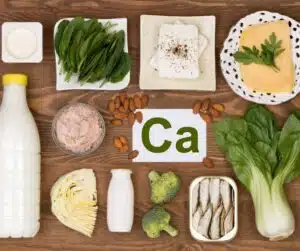
If a mother’s diet does not provide enough calcium, the developing fetus will draw the mineral from the mother’s own bones. To maintain the skeletal health of both parties, a daily intake of 1,000 mg is recommended. While dairy is a common source, many women with PCOS choose to limit dairy to manage inflammation, making calcium supplementation in a prenatal vitamin even more vital.

Vitamin D: The PCOS Deficiency Epidemic
Recent clinical data suggests that approximately 80% of women with PCOS suffer from a Vitamin D deficiency. This is particularly concerning because Vitamin D is essential for calcium absorption and plays a role in insulin signaling. Deficiency in this vitamin is linked to an increased risk of gestational diabetes. The American Pregnancy Association suggests a daily intake of up to 4,000 IU for pregnant women, particularly those in higher-risk categories like those with PCOS.
Omega-3 Fatty Acids and Inflammation Control
Omega-3 fatty acids, specifically DHA (docosahexaenoic acid), are crucial for the development of the baby’s brain and eyes. For the mother with PCOS, Omega-3s provide a secondary benefit: they are potent anti-inflammatory agents. By lowering systemic inflammation, Omega-3s can help improve insulin sensitivity and lower androgen levels. A daily dose of at least 300 mg of DHA is typically recommended.
Analysis of Market-Leading Prenatal Vitamins for PCOS
When selecting a supplement, purity, bioavailability, and third-party testing are paramount. The following products have been identified by healthcare providers as particularly beneficial for the PCOS demographic:
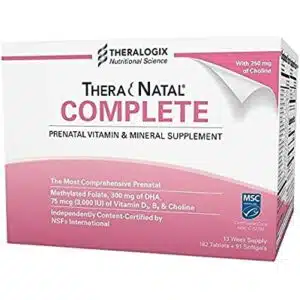
TheraNatal Complete Prenatal Vitamins
Produced by Theralogix, the makers of the widely recommended Ovasitol, TheraNatal Complete is designed for high bioavailability. It includes methylated folate and a higher-than-average dose of Vitamin D. The product is gluten-free and devoid of artificial dyes, catering to the clean-label preferences of many PCOS patients who are managing sensitivities.
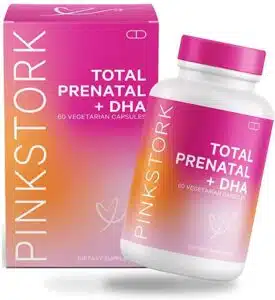
Pink Stork Total Prenatal Vitamin
Pink Stork has gained a significant following for its comprehensive nutrient profile. In addition to the standard vitamins, it includes a B-complex tailored for energy support and minerals like zinc, selenium, and chromium. Chromium is particularly noteworthy for PCOS patients, as it has been studied for its role in blood sugar regulation.
Nature Made Prenatal with Folic Acid + DHA
For those seeking an accessible and cost-effective option, Nature Made provides a USP-verified supplement that combines essential vitamins with 200 mg of DHA in a single softgel. While it contains synthetic folic acid rather than methylated folate, it remains a solid foundational choice for many expectant mothers.
Official Responses and Clinical Guidelines
Institutional health bodies emphasize that while vitamins are essential, they are not a substitute for medical supervision. The American College of Obstetricians and Gynecologists (ACOG) maintains that prenatal vitamins should complement a balanced diet rich in whole foods. For PCOS patients, this usually involves a low-glycemic index diet to manage insulin levels.
Healthcare providers also warn against "over-supplementation." While certain vitamins like Vitamin D may require higher doses in PCOS patients, fat-soluble vitamins (A, D, E, and K) can reach toxic levels if taken in extreme excess without medical monitoring. Therefore, regular blood work during the preconception and prenatal phases is recommended to tailor dosages to individual needs.
Broader Implications: Beyond the Birth
The impact of proper prenatal nutrition for PCOS patients extends beyond the immediate health of the newborn. Effective management of PCOS symptoms during pregnancy through nutrition and supplementation can lower the long-term risk of the mother developing Type 2 diabetes later in life. Furthermore, research into "epigenetics" suggests that the nutritional environment of the womb can influence the child’s own metabolic health into adulthood, potentially breaking the cycle of PCOS and metabolic syndrome in future generations.
In conclusion, managing a pregnancy with Polycystic Ovary Syndrome requires a proactive and informed approach to nutrition. By focusing on high-quality folate, iron, calcium, Vitamin D, and Omega-3 fatty acids, women with PCOS can mitigate many of the risks associated with the condition. As clinical understanding of PCOS continues to evolve, the integration of targeted prenatal supplementation remains a cornerstone of successful reproductive healthcare, offering a pathway to healthy outcomes for both mother and child.
