
Polycystic Ovary Syndrome (PCOS) remains one of the most prevalent endocrine disorders among women of reproductive age, affecting approximately 8% to 13% of the global population. Characterized by a complex interplay of hormonal imbalances, insulin resistance, and ovulatory dysfunction, the condition often necessitates a multi-faceted management approach. While pharmacological interventions such as oral contraceptives and insulin sensitizers are standard, a growing body of clinical research has begun to validate the efficacy of specific natural adjuncts. Chief among these is spearmint tea, derived from the Mentha spicata plant, which has demonstrated significant anti-androgenic properties in controlled clinical environments. By modulating the endocrine profile of patients, spearmint tea offers a non-pharmacological pathway to addressing distressing symptoms such as hirsutism, inflammatory acne, and menstrual irregularity.
Clinical Foundations: The Impact of Spearmint on Androgen Levels
The scientific interest in spearmint as a treatment for PCOS was significantly bolstered by a landmark randomized controlled trial published in Phytotherapy Research. In this study, forty-two women diagnosed with PCOS and visible hirsutism were monitored over a thirty-day period. The cohort was divided into two groups: one consuming spearmint tea twice daily and a control group receiving a placebo herbal infusion.
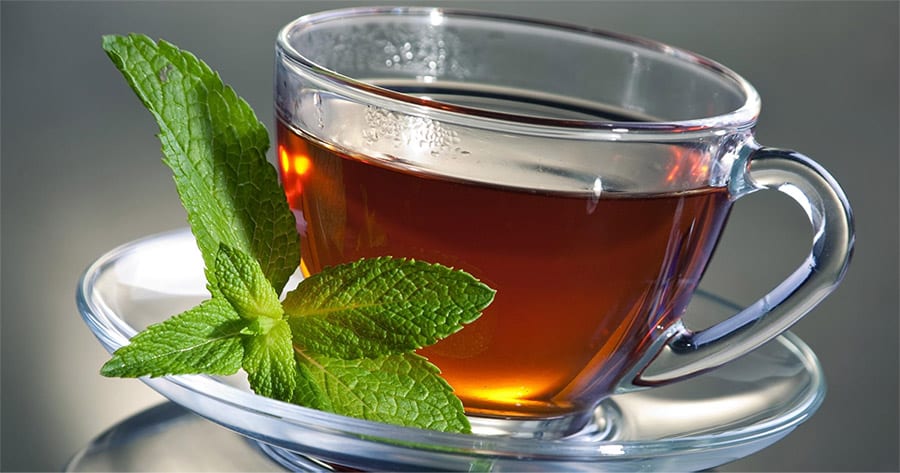
The results provided clear evidence of the herb’s physiological impact. Participants in the spearmint group exhibited a statistically significant decline in both free and total testosterone levels. Conversely, levels of luteinizing hormone (LH) and follicle-stimulating hormone (FSH) increased. These findings are critical because the "androgen excess" characteristic of PCOS—often driven by high testosterone—is the primary cause of many physical symptoms. While the one-month duration of the study was too brief to observe a total clinical clearance of hirsutism (unwanted hair growth), the subjective reports from patients indicated a perceived reduction in hair density and growth rate, correlating with the laboratory-confirmed hormonal shifts.
The Mechanisms of Anti-Androgenic Action
To understand why spearmint tea is effective, it is necessary to examine the hypothalamic-pituitary-ovarian axis. In women with PCOS, the feedback loop governing hormone production is often disrupted, leading to an overproduction of androgens by the ovaries and adrenal glands. Spearmint appears to interfere with these pathways, potentially inhibiting the synthesis of androgens or increasing the clearance of these hormones from the bloodstream.
Furthermore, the American Academy of Dermatology has highlighted the dermatological implications of these hormonal shifts. In a 2015 assessment, it was noted that the consumption of two cups of organic spearmint tea daily could reduce inflammatory acne lesions. The data suggested a 25% reduction in lesions after one month and a more substantial 51% reduction after three months. This timeline suggests that while the biochemical changes occur relatively quickly, the visible manifestation of these changes on the skin and hair follicles requires consistent, long-term adherence to the regimen.

Metabolic Support and Insulin Sensitivity
Beyond its anti-androgenic effects, spearmint tea may play a role in managing the metabolic disturbances associated with PCOS. Insulin resistance is a hallmark of the condition, affecting up to 70% of women with the syndrome, regardless of body mass index. This resistance leads to hyperinsulinemia, which in turn stimulates the ovaries to produce even more testosterone, creating a self-perpetuating cycle of hormonal and metabolic distress.
While human trials specifically focusing on spearmint and insulin in PCOS are ongoing, preliminary animal studies have yielded promising data. Research involving diabetic rat models showed that aqueous extracts of Mentha spicata significantly reduced blood glucose levels and improved lipid profiles. For the PCOS patient, this suggests that spearmint tea may serve as a supportive tool in lowering insulin resistance, thereby potentially reducing the long-term risk of developing Type 2 diabetes and cardiovascular complications.
Addressing Menstrual Irregularity and Ovarian Health
The hormonal stabilization provided by spearmint tea has direct implications for the menstrual cycle. Irregular periods, or oligomenorrhea, in PCOS are typically the result of "follicular arrest," where multiple small follicles develop in the ovary but fail to reach the stage of ovulation due to high androgen levels.

By lowering systemic testosterone and recalibrating the LH/FSH ratio, spearmint tea helps create an internal environment more conducive to regular ovulation. Medical professionals note that as the androgenic "noise" decreases, the body’s natural signaling for follicle maturation can resume. This process not only helps in regularizing the menstrual cycle but may also be a vital component for women with PCOS who are attempting to improve their fertility naturally.
Cognitive Function and the Mitigation of "PCOS Brain Fog"
A frequently reported but often overlooked symptom of PCOS is cognitive fatigue, commonly referred to as "brain fog." This is often linked to the fluctuations in blood sugar and the chronic low-grade inflammation associated with the disorder. Spearmint contains high concentrations of polyphenols, including rosmarinic acid, which have been studied for their neuroprotective and cognitive-enhancing properties.
In a study published in the Journal of Alternative and Complementary Medicine, researchers examined the effects of a high-polyphenolic spearmint extract on ninety individuals with age-associated memory impairment. After 90 days, participants showed a significant improvement in working memory and spatial memory. For women with PCOS, the antioxidant properties of spearmint may help combat oxidative stress in the brain, improving mental focus and reducing the subjective feeling of cognitive heaviness that often accompanies hormonal imbalances.

Antioxidant Properties and Oxidative Stress Reduction
PCOS is increasingly recognized as a state of chronic oxidative stress. Elevated markers of oxidative damage are frequently found in the blood of PCOS patients, which can exacerbate insulin resistance and contribute to the dysfunction of the ovarian endothelium. Spearmint tea is a potent source of antioxidants, which neutralize free radicals and reduce cellular damage.
The systemic reduction of oxidative stress has a "trickle-down" effect on almost all PCOS symptoms. By protecting the cells from inflammatory damage, antioxidants help improve skin health, support vascular function, and may even protect the quality of oocytes (eggs) within the ovaries. This makes spearmint tea not just a symptom-management tool, but a protective intervention for long-term systemic health.
Guidelines for Preparation and Consumption
To achieve the therapeutic benefits observed in clinical trials, the preparation and dosage of spearmint tea must be consistent. The consensus among nutritional experts and herbalists suggests the following protocol:
- Dosage: Two cups (approximately 12 ounces each) per day are recommended.
- Quantity: Use approximately one gram of dried spearmint leaves or one high-quality tea bag per serving.
- Steeping Time: To ensure the extraction of essential volatile oils and polyphenols, the tea should be steeped in boiling water for 10 to 12 minutes.
- Temperature: The tea may be consumed hot or cold, as the temperature does not significantly alter the chemical composition of the anti-androgenic compounds.
Patients are advised to remain patient, as the hair growth cycle and skin cell turnover are slow processes. Most clinical improvements in hirsutism and acne are documented after three to six months of daily consumption.
Safety, Side Effects, and Medical Precautions
While spearmint tea is generally recognized as safe (GRAS) by regulatory bodies, there are specific contraindications. Individuals suffering from Gastroesophageal Reflux Disease (GERD) may find that spearmint, like other members of the mint family, relaxes the lower esophageal sphincter, potentially worsening acid reflux symptoms.
There is also a distinction to be made between spearmint tea and spearmint essential oil. Essential oils are highly concentrated and should never be ingested without the direct supervision of a qualified healthcare provider, as they can be toxic in small doses. Furthermore, because spearmint tea affects hormone levels, women who are pregnant or breastfeeding should consult their obstetrician before incorporating it into their daily routine.

As with any intervention for a complex medical condition, spearmint tea should be viewed as one component of a broader management strategy that includes dietary modifications, exercise, and, where necessary, primary medical care.
The Future of Integrative PCOS Care
The integration of spearmint tea into PCOS management protocols represents a shift toward evidence-based complementary medicine. As patients increasingly seek natural ways to manage chronic conditions, the role of phytotherapy—the use of plant-derived medications—is likely to expand.
For the millions of women navigating the challenges of PCOS, the humble spearmint leaf offers more than just a refreshing beverage; it provides a scientifically backed, accessible, and cost-effective means of reclaiming hormonal balance. While it is not a "cure," its ability to lower testosterone, clear skin, and improve metabolic markers makes it a valuable ally in the lifelong journey of PCOS health management. Broader implications for the medical community include a potential reduction in the reliance on pharmaceutical anti-androgens, which often carry side effects that some patients find intolerable. Through continued research and clinical validation, spearmint tea is cementing its place in the modern endocrinological toolkit.
