
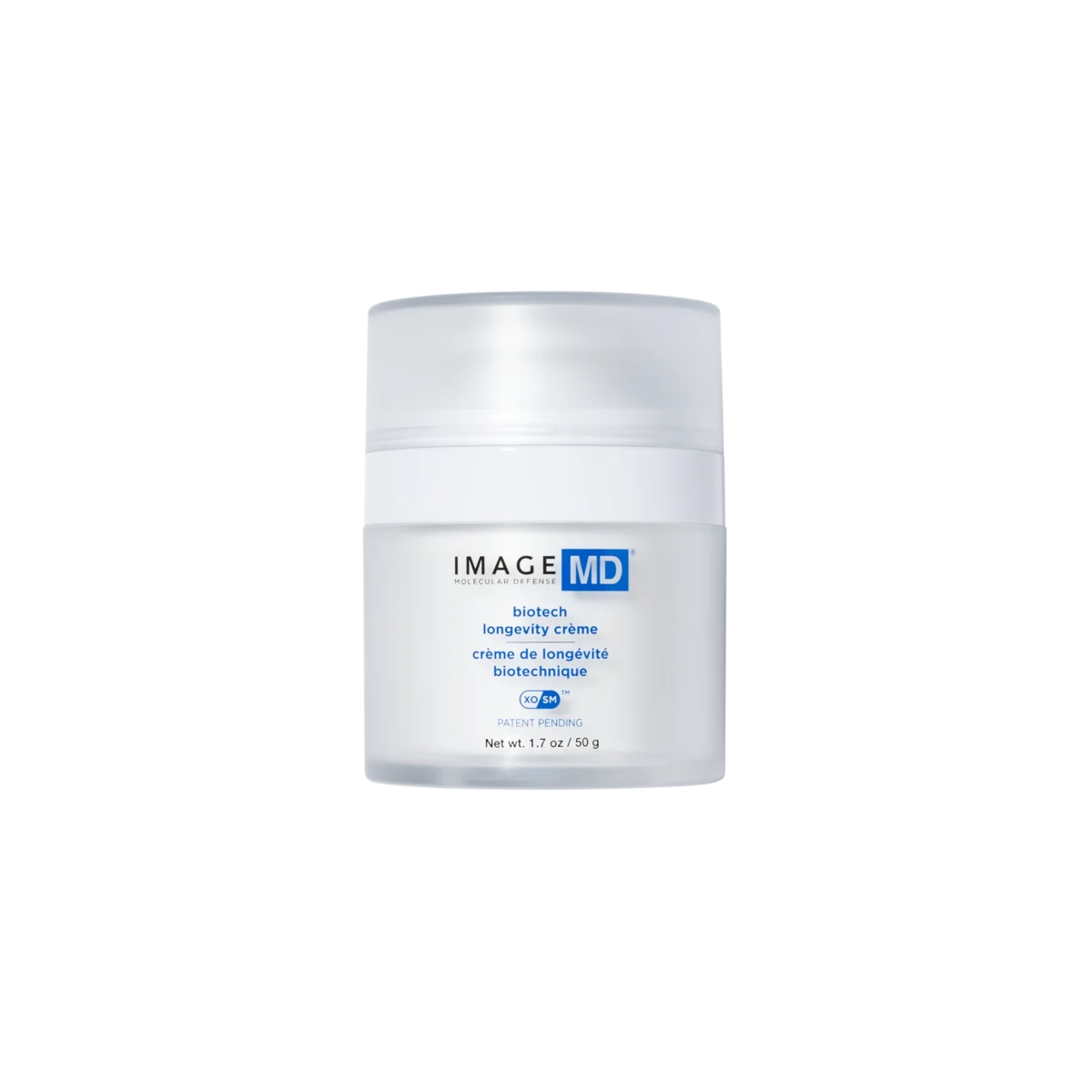
IMAGE Skincare, a global leader in professional-grade dermatological solutions, officially introduced its latest advancements in skin science at the Wigmore Presents 2026 conference, marking a significant evolution in the brand’s clinical offerings. The launch centered on three primary formulations within the renovated IMAGE MD Molecular Defense Collection: a biotech longevity cream, a barrier repair recovery balm, and a gentle cleansing balm. These products represent a strategic pivot for the company, moving toward "longevity science"—a field that combines biotechnology, genomic research, and artificial intelligence to extend the youthful functionality of skin cells rather than merely masking the signs of chronological aging.
The unveiling took place before an audience of aesthetic practitioners, dermatologists, and industry stakeholders at Wigmore Presents, an annual cornerstone event in the United Kingdom’s aesthetic medicine calendar. Known for showcasing cutting-edge technologies and evidence-based clinical practices, the event provided a high-profile platform for IMAGE Skincare to demonstrate its commitment to "prevention-driven" skincare. The new formulations are designed to integrate into professional treatment plans while providing consumers with high-potency home-care options that address environmental stressors and the biological markers of aging.
The Science of Longevity: The Biotech Longevity Cream
The flagship of the new launch is the IMAGE MD Biotech Longevity Cream, a product the company describes as a "next-generation" formula engineered to support the skin’s foundational resilience. At the core of this formulation is the integration of XOSM Technology, a proprietary delivery system designed to enhance the penetration of active ingredients into the deeper layers of the stratum corneum. By optimizing the bioavailability of its components, the cream aims to maximize the efficacy of its high-tech ingredient profile.
Key to the product’s claims is the inclusion of a genomic-based, AI-developed flavonoid. Artificial intelligence in skincare formulation allows researchers to screen thousands of molecular compounds to identify those with the highest affinity for specific biological targets—in this case, those associated with skin vitality and protection against oxidative stress. This is complemented by a phyto NAD+ booster. Nicotinamide Adenine Dinucleotide (NAD+) is a coenzyme found in all living cells and is critical for energy metabolism and DNA repair. As NAD+ levels naturally decline with age, the inclusion of a botanical booster is intended to support cellular energy levels, thereby improving the skin’s ability to recover from environmental damage.
The formula also features lapacho bark extract, often referred to as the "tree of life" in various botanical traditions. In a clinical context, lapacho is utilized for its potential to support the "Hayflick limit" of cells—the number of times a normal human cell population will divide before cell division stops—effectively promoting a more youthful appearance by delaying cellular senescence.
Restorative Solutions: Barrier Repair and Gentle Cleansing
In addition to longevity science, IMAGE Skincare addressed the growing clinical need for barrier maintenance with the Barrier Repair Recovery Balm. As the global prevalence of "sensitized" skin increases—often attributed to over-exfoliation, pollution, and climate change—the demand for restorative complexes has surged. The new balm is formulated to replenish compromised skin through a blend of biomimetic lipids, which mimic the skin’s natural moisture-retaining structure.
The inclusion of beta-glucan and colloidal oatmeal provides a dual-action approach to inflammation. Beta-glucan, a polysaccharide derived from yeast or oats, is recognized for its ability to soothe irritated skin and provide intense hydration, while colloidal oatmeal has long been a dermatological standard for reducing visible redness and itching. This product is positioned not only as a daily solution for dry skin but also as a post-procedure recovery tool for patients undergoing chemical peels, laser treatments, or microneedling.
Completing the trio is the Gentle Cleansing Balm, a formula designed to remove impurities and environmental pollutants without disrupting the skin’s acid mantle. Utilizing a base of grapeseed oil, the cleanser dissolves lipid-soluble debris while delivering antioxidants. The addition of chamomile and vanilla provides soothing properties, while a phyto antioxidant blend works to neutralize free radicals encountered throughout the day. This product reflects a broader industry shift toward "non-stripping" cleansers that preserve the microbiome while ensuring a clean canvas for subsequent active treatments.
Historical Context and the Evolution of the MD Collection
The IMAGE MD collection has historically been the brand’s most advanced line, developed in collaboration with plastic surgeons to bridge the gap between over-the-counter cosmetics and prescription-strength topicals. The 2026 renovation marks a departure from traditional "anti-aging" nomenclature, favoring the term "Molecular Defense."
Janna Ronert, the founder of IMAGE Skincare, emphasized this shift during her presentation at the event. She noted that the renovation is more than a simple update of ingredients; it is a fundamental change in the philosophy of care. "The renovated IMAGE MD Molecular Defense Collection marks a bold leap forward," Ronert stated. "These next-generation formulas are clinically engineered to advance skin longevity, enhancing vitality, resilience, and the skin’s foundational ability to look radiant and youthful for longer. This isn’t just a reformulation—it’s a shift toward a smarter, prevention-driven standard of care."
Ronert’s comments reflect a wider trend in the $150 billion global skincare market, where consumers are increasingly looking for "prejuvenation" products. Data from market research firms suggests that the "longevity" segment of the beauty industry is expected to grow at a compound annual growth rate (CAGR) of over 7% through 2030, driven by advancements in biotechnology and a more scientifically literate consumer base.
Chronology of Development and Event Significance
The development of the renovated MD collection is the result of several years of research and development, following the company’s acquisition of several proprietary delivery technologies in the early 2020s. The timeline of this launch suggests a strategic rollout designed to coincide with the post-pandemic stabilization of the professional aesthetics market.
- 2023–2024: Initial research into AI-driven flavonoid identification and the stabilization of phyto NAD+ boosters.
- 2025: Clinical testing phases for the Biotech Longevity Cream, focusing on barrier function and cellular resilience markers.
- Early 2026: Soft launch to key aesthetic partners and distributors in North America.
- Wigmore Presents 2026: Formal international debut and introduction to the European professional market.
Wigmore Presents is an ideal venue for such a launch due to its association with Wigmore Medical, a premier distributor of aesthetic products in the UK. The event serves as a bellwether for the industry, often predicting which technologies will dominate the clinical landscape in the coming years. By choosing this platform, IMAGE Skincare has signaled its intent to compete directly with high-end, science-led brands in the medical-grade category.
Industry Impact and Clinical Implications
The introduction of AI-developed ingredients and NAD+ boosters into a mainstream professional line like IMAGE MD has several implications for the broader skincare industry. First, it democratizes access to "longevity science," which was previously the domain of ultra-premium, niche brands with significantly higher price points. By integrating these technologies into a globally distributed line, IMAGE Skincare is making advanced genomic-based skincare accessible to a wider demographic of clinical patients.
Furthermore, the focus on "molecular defense" aligns with the current dermatological consensus on the "exposome"—the cumulative effect of environmental influences and biological responses on the skin. By addressing the skin at a molecular level, these products aim to mitigate the damage caused by UV radiation, blue light, and particulate matter before it manifests as visible aging.
Market analysts suggest that the success of this line will depend on the brand’s ability to educate both practitioners and consumers on the benefits of these complex ingredients. Unlike traditional ingredients like Retinol or Vitamin C, the benefits of NAD+ boosters and AI-derived flavonoids are often preventative and cumulative, requiring a different approach to marketing and patient consultation.
Future Outlook for IMAGE Skincare
The launch at Wigmore Presents 2026 is likely the first of several planned expansions for the IMAGE MD line. As biotechnology continues to evolve, the industry expects to see further integration of epigenetics and microbiome-balancing ingredients into the Molecular Defense framework.
For now, the addition of the Biotech Longevity Cream, Barrier Repair Recovery Balm, and Gentle Cleansing Balm solidifies IMAGE Skincare’s position as an innovator in the professional space. By moving away from reactive "anti-aging" and toward proactive "longevity," the company is tapping into a profound shift in how modern society views health, aging, and the role of topical interventions in maintaining biological vitality.
As these products enter the global market, the clinical community will be watching closely to see how these biotech-forward formulas perform in real-world settings. If the initial reception at Wigmore Presents is any indication, the move toward a smarter, prevention-driven standard of care is well underway, setting a new benchmark for the future of professional skincare.
