
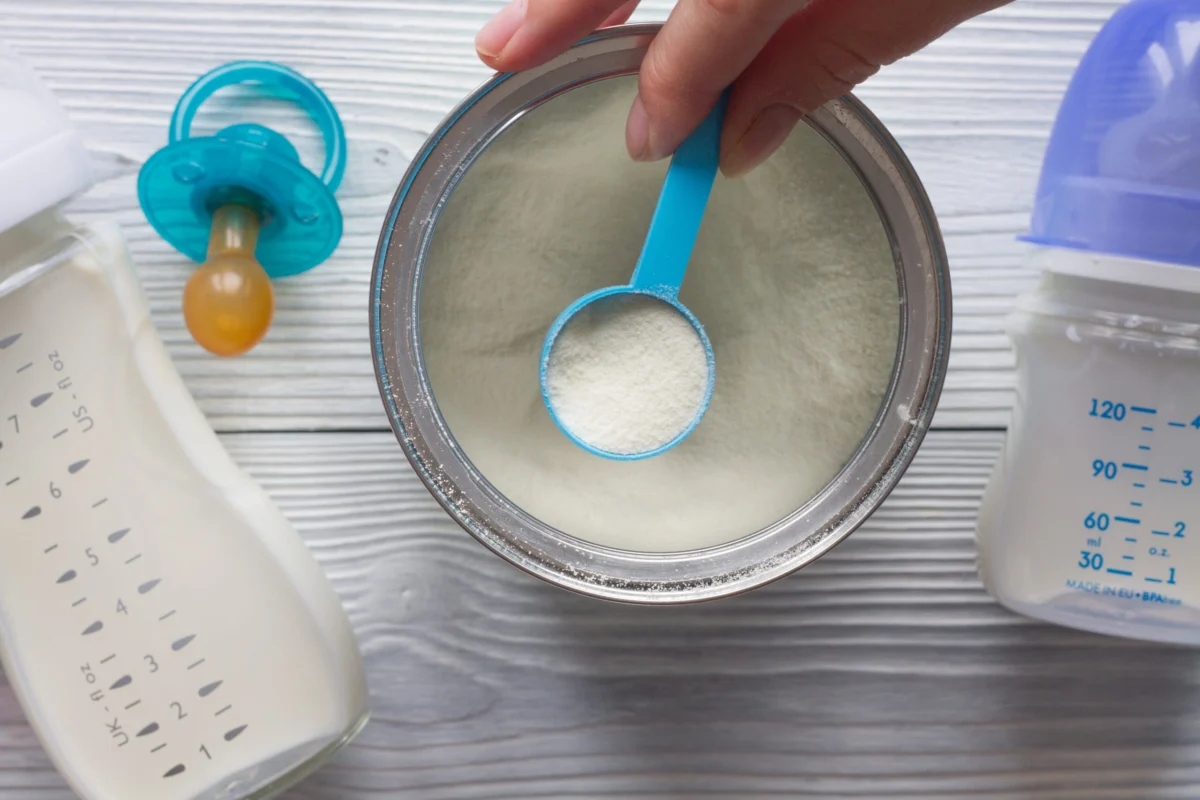
The United States has grappled with alarming shortages of infant formula over the past two years, a crisis primarily exacerbated by widespread pandemic-related supply chain disruptions. This critical situation poses significant distress for families, as infant formula is an indispensable nutritional source for infants when human milk is not accessible or insufficient. While breastfeeding is widely encouraged, it is not universally feasible for all mothers. Factors such as early return to work, limited access to lactation support systems, or medical conditions in infants—including allergies, metabolic or gastrointestinal disorders, or disabilities that impede breastfeeding—can necessitate the use of formula. The necessity of specialized formulas for infants with unique medical needs further underscores the gravity of these shortages.
The Genesis of the Crisis: A Perfect Storm of Factors
The infant formula shortage did not emerge overnight. Its roots can be traced to a confluence of events, beginning with the initial impacts of the COVID-19 pandemic. Global supply chains, already strained by lockdowns, labor shortages, and transportation challenges, became increasingly fragile. For infant formula, this meant disruptions in the procurement of raw materials, manufacturing processes, and the distribution of finished products. Factories operated at reduced capacity due to health and safety protocols, and international shipping routes faced unprecedented delays and increased costs.
A pivotal moment in the U.S. shortage occurred in February 2022, when Abbott Nutrition, one of the nation’s largest formula manufacturers, voluntarily recalled several of its products and shut down its Sturgis, Michigan, manufacturing facility. This facility was a major producer of specialized formulas, including those for infants with cow’s milk allergies, prematurity, and metabolic disorders. The recall was initiated following reports of bacterial contamination, specifically Cronobacter sakazakii, a pathogen that can cause severe illness and death in infants. This single event, involving a significant portion of the market, created a vacuum that existing production and inventory levels could not immediately fill, leading to widespread panic buying and an intensification of the existing supply chain pressures.
Chronology of a National Emergency
The unfolding of the infant formula crisis can be broadly understood through a series of key developments:
- Early 2020 – Late 2021: The COVID-19 pandemic begins to impact global supply chains. Initial disruptions to infant formula availability are felt, characterized by sporadic out-of-stock notices at the retail level. These are largely attributed to increased demand as parents stockpiled and manufacturing slowdowns.
- February 2022: Abbott Nutrition initiates a voluntary recall of powdered infant formulas produced at its Sturgis, Michigan, facility due to potential Cronobacter sakazakii contamination. The facility is subsequently shut down for investigation and remediation. This action immediately removes a significant portion of the market’s supply, particularly specialized formulas.
- March – April 2022: The impact of the Abbott recall and facility closure becomes acutely apparent. Reports of widespread, critical shortages emerge across the country. Retailers implement purchase limits to prevent hoarding, but stock remains scarce. Parents, especially those reliant on specialized formulas, face immense difficulty finding essential nutrition for their infants.
- May 2022: The U.S. government, under the Biden administration, begins to escalate its response. Operation Fly Formula is launched, a program designed to expedite the importation of infant formula from abroad. Diplomatic efforts are made to secure supplies from countries with surplus production. The Food and Drug Administration (FDA) begins working with manufacturers to streamline the approval process for foreign-sourced formula.
- June 2022: The first shipments of formula under Operation Fly Formula begin arriving in the U.S. Efforts are made to increase domestic production, with some manufacturers operating at full capacity and exploring ways to expand output. However, the supply remains tight, and the psychological impact of the shortage continues to fuel demand.
- Late 2022 – Early 2023: The immediate crisis begins to subside as supply chains stabilize and imported formulas supplement domestic production. However, concerns about long-term vulnerabilities in the infant formula supply chain persist. Investigations into the FDA’s oversight and regulatory processes related to the Sturgis facility are ongoing.
The Human Toll and Supporting Data
The human impact of the infant formula shortage was profound and often heartbreaking. Parents, particularly those in underserved communities or with limited access to transportation and information, faced agonizing choices. Desperate searches for formula became a daily reality for many, leading to increased stress, anxiety, and exhaustion. Anecdotal reports of parents driving hundreds of miles to find formula, watering down formula to make it last longer (a dangerous practice), or resorting to unsafe homemade alternatives highlighted the severity of the crisis.
Data from market research firms painted a stark picture of the supply disruption. In May 2022, for instance, NielsenIQ reported out-of-stock rates for infant formula exceeding 40% in some regions of the U.S. This was a dramatic increase from pre-shortage levels, which typically hovered around 2-8%. The demand-side was also affected; while some of this was due to panic buying, a significant portion reflected genuine need. The Special Supplemental Nutrition Program for Women, Infants, and Children (WIC), which provides formula to low-income families, was particularly impacted, as many of the most affected brands were WIC-approved.
The reliance on a limited number of manufacturers created a significant vulnerability. Prior to the crisis, the U.S. infant formula market was dominated by a few key players. Abbott Nutrition, Nestlé (through Gerber), and Reckitt Benckiser were among the largest manufacturers, collectively accounting for the vast majority of domestic production. This consolidation meant that any disruption at one of these major facilities could have a disproportionately large impact on the national supply.
Official Responses and Government Interventions
The U.S. government’s response to the crisis involved a multi-pronged approach, aiming to both alleviate the immediate shortage and address systemic issues.
Operation Fly Formula: Launched in May 2022, this initiative was central to the federal government’s efforts. It leveraged the Defense Production Act to prioritize and allocate resources for the production and transportation of infant formula. The program facilitated the air transport of formula from countries like Germany, the United Kingdom, and Switzerland, bypassing slower sea freight options. This allowed for the rapid distribution of millions of pounds of formula, including specialized medical formulas.
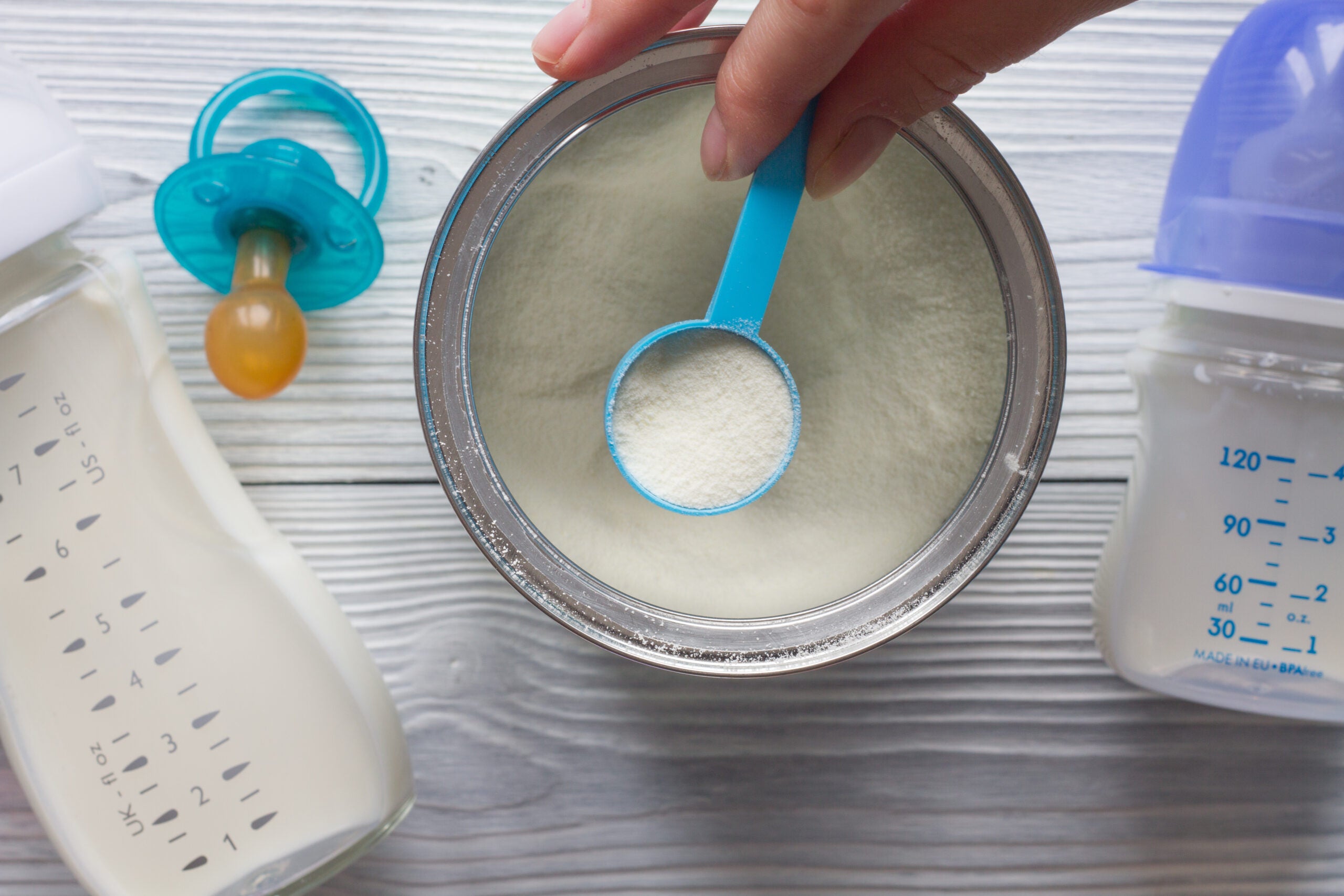
FDA Actions: The Food and Drug Administration (FDA) played a crucial role in working with manufacturers to increase domestic production and facilitate the importation of foreign-made formula. The agency implemented temporary enforcement discretion policies to allow the import of certain formulas that met U.S. safety standards but may not have had full FDA approval for routine market entry. The FDA also focused on remediating the Abbott Sturgis facility, working with the company to implement safety protocols and prepare for its eventual reopening.
Congressional Hearings and Investigations: The crisis spurred congressional scrutiny of the FDA’s oversight and the broader infant formula supply chain. Hearings were held to examine the events leading up to the shortage, the regulatory processes involved, and potential legislative solutions. Investigations focused on the FDA’s handling of early warning signs and its response to the contamination at the Sturgis plant.
State-Level Initiatives: Many states also implemented their own measures, including public awareness campaigns, efforts to connect families with available formula, and collaborations with retailers and manufacturers to improve local distribution.
Future Directions: Strengthening the Supply Chain
The infant formula shortage served as a stark wake-up call, highlighting critical vulnerabilities in the U.S. food supply chain, particularly for essential infant nutrition. Addressing these issues requires a comprehensive strategy that extends beyond immediate crisis management. An article published in the American Journal of Clinical Nutrition [3] outlines several key action steps for preventing future recurrences:
- Diversifying Manufacturing and Supply Chains: Reducing reliance on a small number of domestic manufacturing facilities is paramount. This could involve incentivizing new entrants into the market, supporting the expansion of existing facilities, and fostering greater international collaboration for formula production. A more diversified base would make the system more resilient to localized disruptions.
- Enhancing Regulatory Oversight and Agility: The FDA’s role in ensuring the safety and availability of infant formula is critical. Strengthening the agency’s capacity for proactive surveillance, rapid response to safety concerns, and efficient review processes for new products and manufacturing sites is essential. This includes ensuring adequate staffing and resources for inspections and investigations.
- Improving Transparency and Data Collection: A more robust system for collecting and sharing data on infant formula production, inventory levels, and distribution would enable a more informed and timely response to potential shortages. Greater transparency among manufacturers regarding production capacities and potential risks could also be beneficial.
- Supporting Domestic Production Incentives: Government policies could be designed to encourage investment in domestic infant formula manufacturing, including tax incentives, research and development support, and streamlined permitting processes. This would bolster the U.S. capacity to meet its own demand.
- Addressing Specialized Formula Needs: The crisis underscored the particular vulnerability of infants requiring specialized formulas. Strategies should be developed to ensure a consistent and adequate supply of these critical products, potentially through dedicated reserve stocks or enhanced international sourcing agreements for these niche markets.
- Reviewing and Modernizing WIC Program Regulations: The WIC program’s contract system, while intended to ensure affordability, can inadvertently limit competition and exacerbate shortages if a contracted manufacturer faces production issues. Exploring more flexible contract mechanisms or options that encourage a broader range of approved products could enhance WIC’s ability to respond to supply disruptions.
- International Collaboration and Trade Agreements: Strengthening international partnerships for infant formula production and trade can provide a crucial safety net. This involves ensuring that international partners meet U.S. safety standards and establishing clear protocols for emergency importations.
Broader Impact and Implications
The infant formula shortage had ripple effects beyond the immediate families affected. It exposed the fragility of critical supply chains, raising concerns about the nation’s preparedness for future public health emergencies. The event also sparked discussions about the intersection of public health, regulatory oversight, and corporate responsibility.
The reliance on a consolidated manufacturing base for a product as essential as infant formula highlights a broader challenge in modern industrial economies. While efficiency and economies of scale are often drivers of consolidation, they can also create systemic risks. The crisis demonstrated that ensuring the availability of essential goods requires a delicate balance between market forces and robust public policy interventions.
Moving forward, the lessons learned from this crisis must be translated into sustained policy action. A proactive approach, focused on building resilience, enhancing regulatory effectiveness, and fostering a more diversified and responsive supply chain, is crucial to safeguarding the nutritional well-being of the nation’s youngest and most vulnerable citizens. The goal is not merely to react to the next crisis, but to build a system that is inherently more robust and capable of preventing such widespread hardship from occurring again.
References:
[3] American Journal of Clinical Nutrition article (as provided in the original prompt, though the specific DOI and title would need to be confirmed for a real publication).
