

The elusive "smart casual" dress code remains one of the most persistent sources of confusion in modern menswear, often serving as a vague directive that leaves men oscillating between over-dressing for a relaxed gathering and appearing sloppy at a professional engagement. Defined by the Oxford Dictionary as "neat, conventional, yet relatively informal in style," the term has evolved significantly from its 19th-century origins to reflect a contemporary preference for polished comfort. As workplaces and social venues continue to relax traditional sartorial standards, understanding the nuance of this dress code has become an essential skill for the modern man.

Historical context suggests that smart casual emerged as a transitional category, designed to bridge the gap between rigid formality and total informality. While early recorded usage dates back to a 1924 edition of the Iowa-based Davenport Democrat and Leader, the term gained widespread prominence in the 1980s as a response to the gradual erosion of traditional suit-and-tie requirements. Fashion experts, including author Josh Sims, note that the term often signals a degree of anxiety among organizers and managers who struggle to define appropriate attire for an era that values both professional presence and personal ease. Today, smart casual is less a rigid set of rules and more a flexible framework that prioritizes grooming, texture, and silhouette over strict adherence to conventional garments.
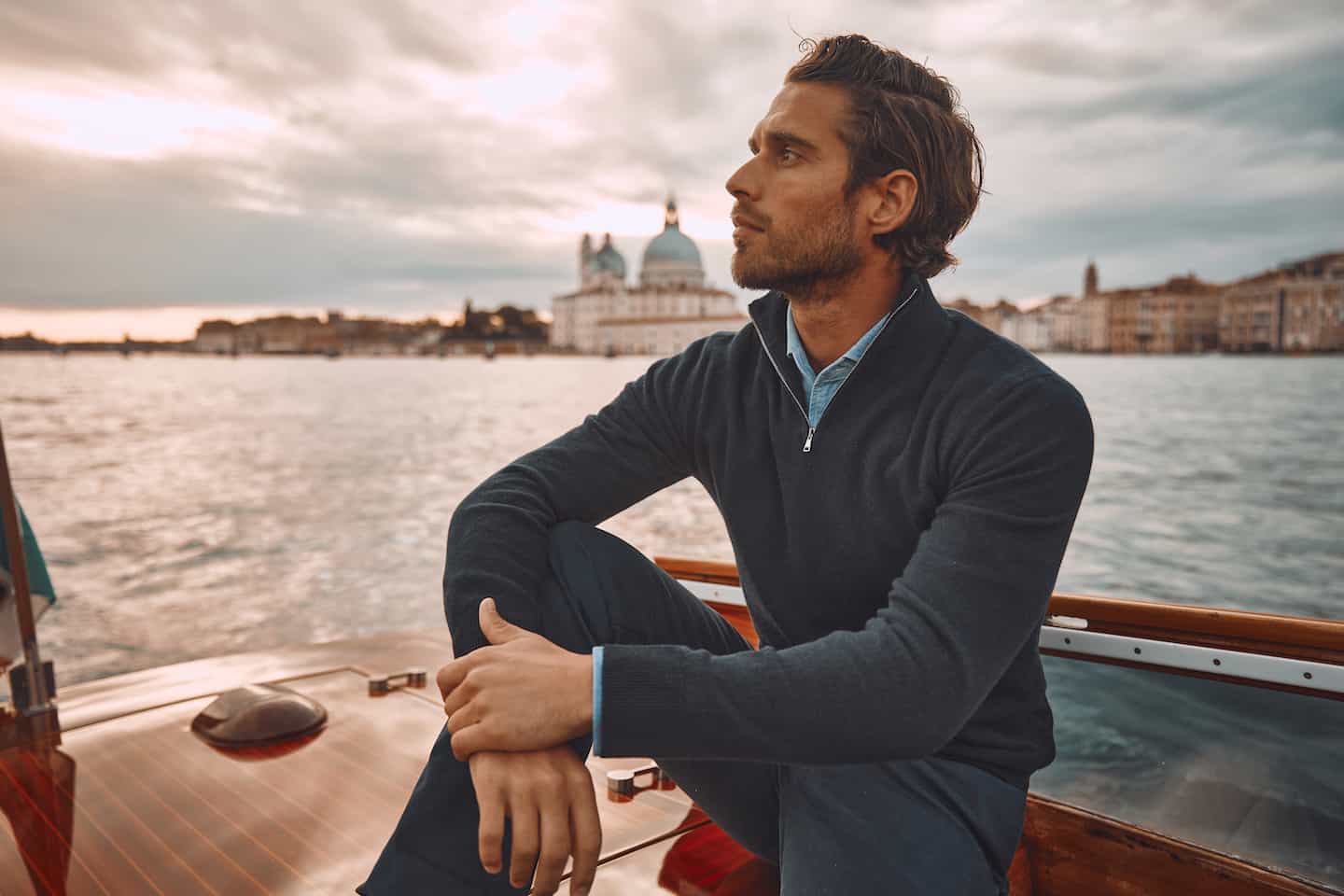
The core challenge in mastering smart casual lies in the lack of a universal consensus. Platforms like Mr. Porter have historically categorized the spectrum as anything "smarter than a tracksuit, but less formal than a suit." However, this broad definition often leads to the inclusion of conflicting advice—some guides suggest items as formal as Ascot ties, while others advocate for shorts, neither of which accurately captures the spirit of the modern smart casual aesthetic.
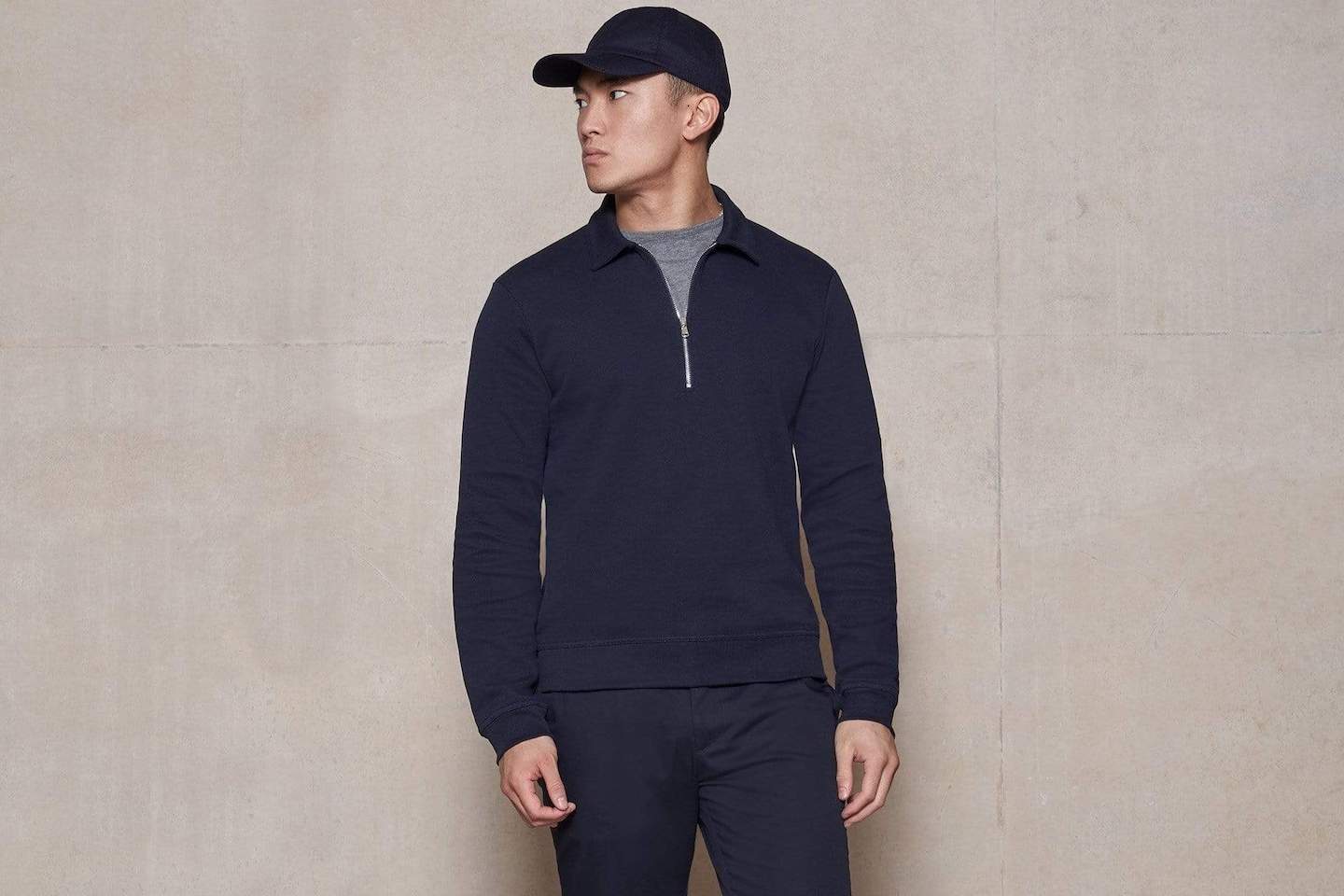
To effectively navigate this dress code, it is helpful to distinguish between two sub-categories: formal smart casual and informal smart casual. Formal smart casual typically requires a structured or unstructured blazer, chinos or wool-flannel trousers, a collared shirt, and clean, smart leather shoes. This tier is appropriate for business-casual environments or semi-formal dinners where a full suit would appear out of place. Informal smart casual, conversely, allows for more freedom, permitting high-quality dark-wash denim, polo shirts, and clean, minimalist sneakers. The unifying thread across both tiers is the emphasis on effort: regardless of the specific garments chosen, the individual must demonstrate an intentionality that distinguishes the look from "at-home" attire.

Strategic styling is the key to balancing these elements. A fundamental rule for achieving this balance is the "one-two" approach: start with a standard casual outfit—such as a bomber jacket, a T-shirt, jeans, and sneakers—and replace one or two of those items with more refined alternatives. Swapping the T-shirt for a crisp button-down or replacing the sneakers with leather Derbies immediately elevates the ensemble into the smart casual domain. If you incorporate three or more "smart" elements, you risk crossing the threshold into business formal territory, potentially appearing over-dressed for the context.

Color theory serves as a subtle, yet powerful, tool for controlling the formality of an outfit. Darker palettes, including navy, charcoal, and black, inherently skew more formal and can mask the casual nature of certain pieces. An olive-green bomber jacket over stonewashed jeans is distinctly informal; however, shifting those items to a navy jacket and indigo jeans creates a more sophisticated silhouette without changing the fundamental components of the outfit. Similarly, texture plays a decisive role in perceived formality. Smoother, shinier fabrics like worsted wool are associated with traditional business attire, whereas textured fabrics—such as flannel, tweed, or brushed cotton—instantly provide a more relaxed and approachable feel. This principle applies to everything from shirts and knitwear to footwear.

Footwear remains the most scrutinized element of the smart casual look. While modern settings have become increasingly tolerant of sneakers, they must be selected with extreme care. Classic, minimalist silhouettes in premium leather or suede are acceptable, provided they are pristine and free from visible signs of wear. However, when in doubt, it is safer to opt for Derbies, Chelsea boots, or loafers. These styles offer a more sophisticated aesthetic that avoids the "office-only" look of a stiff Oxford shoe while maintaining a higher degree of formality than the average sneaker.

Key wardrobe investments are essential for maintaining a reliable rotation of smart casual options. First, an unstructured blazer is arguably the most valuable tool in any man’s arsenal. By removing the stiff shoulder pads and heavy canvassing found in traditional suit jackets, an unstructured blazer provides a relaxed drape that pairs seamlessly with denim or chinos. Second, the "blazer bomber" or a high-quality wool bomber jacket offers a vital alternative for occasions where a tailored jacket feels too formal. When crafted from luxurious fabrics like wool or cotton, and finished in a muted, dark color, the bomber jacket bridges the gap between military utility and modern style.

Third, the chambray shirt serves as an excellent alternative to the standard Oxford button-down. Its unique weave offers a relaxed texture that pairs well with both formal trousers and denim, allowing it to move effortlessly between professional and social settings. Fourth, dark-wash, slim-fit selvedge denim is a non-negotiable staple. When kept free of distressing, holes, or excessive fading, dark jeans can successfully anchor a smart casual outfit in almost any context. Finally, a pair of Derbies—specifically those with a slightly chunky sole or a contemporary silhouette—provides a fashionable, versatile footwear option that feels more intentional and stylish than a basic wingtip.

When building these looks, certain "dos and don’ts" help ensure consistent success. Always prioritize fit; even the most expensive garment will fail to convey a smart appearance if it is ill-fitting. Conversely, avoid overly tight clothing that resembles clubwear rather than sophisticated attire. For formal smart casual events, keep the shirt tucked in and avoid short sleeves, which are inherently casual. If there is any uncertainty regarding the dress code, it is better to slightly over-dress by carrying a tie or wearing a blazer, as these pieces provide a layer of insurance against being under-dressed.

Furthermore, avoid patterns or slogans on T-shirts, which detract from a polished image. Instead, invest in high-quality, solid-colored basics. When it comes to accessories, choose functional, refined options—such as a sports watch with a metal bracelet or a simple leather belt—that complement the outfit without drawing excessive attention. Avoid the common mistake of wearing bright or novelty socks; neutral, high-quality hosiery is the hallmark of a refined dresser.

The broader implications of the smart casual trend reflect a larger shift in professional and social culture. As traditional barriers continue to fall, men are increasingly seeking a style that honors historical conventions while embracing modern comfort. The rise of direct-to-consumer brands and high-quality, accessible fashion has democratized access to these styles, allowing men to curate a wardrobe that is both functional and expressive. By focusing on quality, fit, and the thoughtful combination of textured pieces, the smart casual dress code ceases to be a source of confusion and becomes a powerful tool for personal presentation.

In conclusion, the evolution of smart casual is a testament to the changing nature of 21st-century life. It is not an invitation to abandon style, but rather an opportunity to cultivate a look that is both considered and relaxed. By understanding the importance of fabric, color, and fit, and by investing in key pieces that offer versatility, any man can master this dress code. Whether you are navigating a workplace that has moved away from suits or attending an informal evening event, the ability to strike the right balance between "smart" and "casual" is a hallmark of contemporary style that remains timeless in its effectiveness. As we look toward the future, the focus will undoubtedly remain on "considered" clothing—garments that feel as good as they look, ensuring that the modern man is prepared for whatever the day may bring.
