
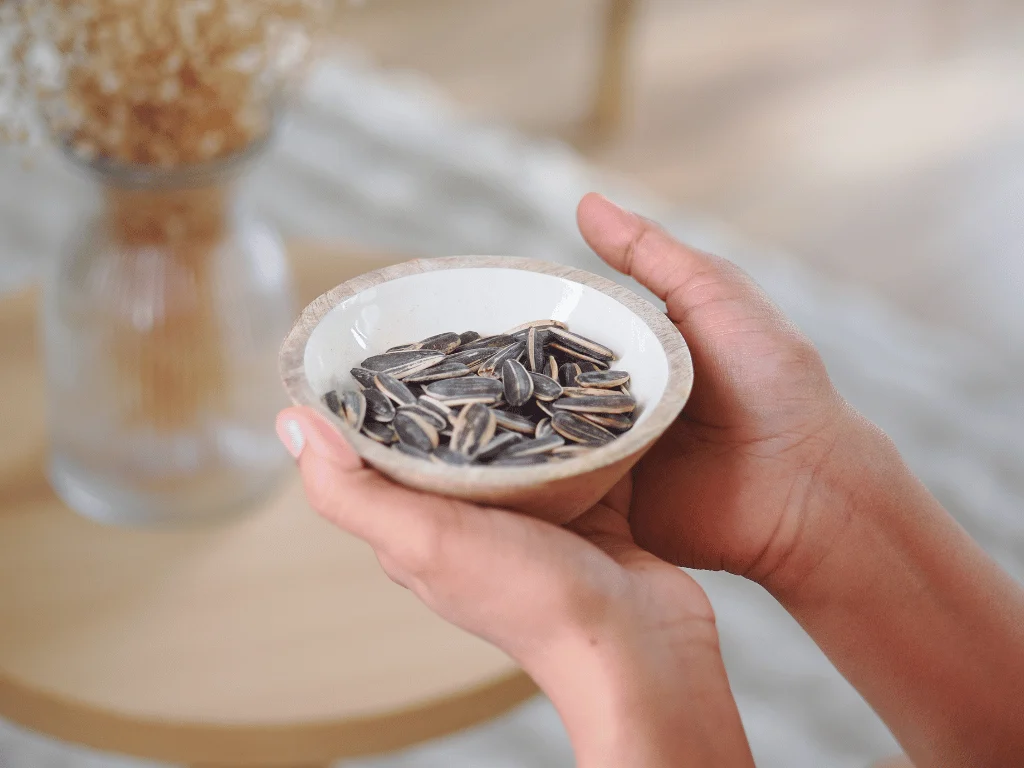
British ingredient specialist Ulrick + Short has officially launched an innovative range of functional sunflower seed flours designed to transform the nutritional profiles, textures, and clean-label credentials of plant-based foods. Marketed under the brand name Fazenda Lieto, the newly introduced product line arrives at a critical juncture for the food manufacturing industry, which faces intensifying consumer demand for high-protein, high-fiber, and minimally processed foods. Traditional plant-based formulations have long struggled with undesirable characteristics such as bitterness, powdery mouthfeels, and a reliance on heavily processed ingredients. By harnessing dehulled high-oleic sunflower kernels, Ulrick + Short aims to bridge these structural gaps, offering food developers a sustainable, nutrient-dense ingredient capable of enhancing bakery goods, beverages, sauces, and desserts without compromising on taste or commercial viability.
The introduction of the Fazenda Lieto range is rooted in years of evolving consumer trends and the persistent technical challenges of plant-based formulation. Over the past decade, the global shift away from ultra-processed foods toward nutrient-dense, functional eating has accelerated dramatically. Consumers increasingly scrutinize food labels for protein content, fiber density, and the presence of recognizable ingredients. Historically, the plant-based sector has leaned heavily on soy, pea, and wheat gluten to boost protein metrics. However, these conventional sources frequently introduce secondary formulation hurdles, including off-flavors, chalky textures, and heavy allergen profiles that require masking agents or extensive stabilization additives.
Recognizing these industry pain points, Ulrick + Short initiated development on a multi-functional ingredient derived from an underutilized agricultural stream. The timeline of this innovation aligns with broader post-pandemic health and wellness movements. Between 2024 and 2025, market data underscored a massive surge in dietary protein consumption, fueled heavily by digital lifestyle trends, viral social media movements like fibermaxxing, and an escalating global awareness of gut health. Furthermore, the surging popularity of GLP-1 weight-loss medications has heightened consumer demand for foods that deliver maximum satiety, high protein, and optimal fiber while keeping carbohydrate loads low. Against this backdrop, Ulrick + Short finalized its mechanical processing protocols to produce Fazenda Lieto, targeting commercial scale-up and widespread market adoption.
The technical specifications of the Fazenda Lieto range distinguish it within a crowded marketplace of alternative proteins. The flours are manufactured from dehulled high-oleic sunflower kernels using a mild mechanical process that deliberately avoids chemical solvents like hexane and minimizes water usage. This gentle extraction method preserves the native functionality of the plant proteins and naturally occurring lecithin, allowing the flour to serve as an effective clean-label emulsifier. The resulting product boasts an impressive nutritional profile, delivering 54% protein and 21% fiber, accompanied by a complete suite of essential amino acids resulting in an estimated Protein Digestibility-Corrected Amino Acid Score (PDCAAS) of 0.9.
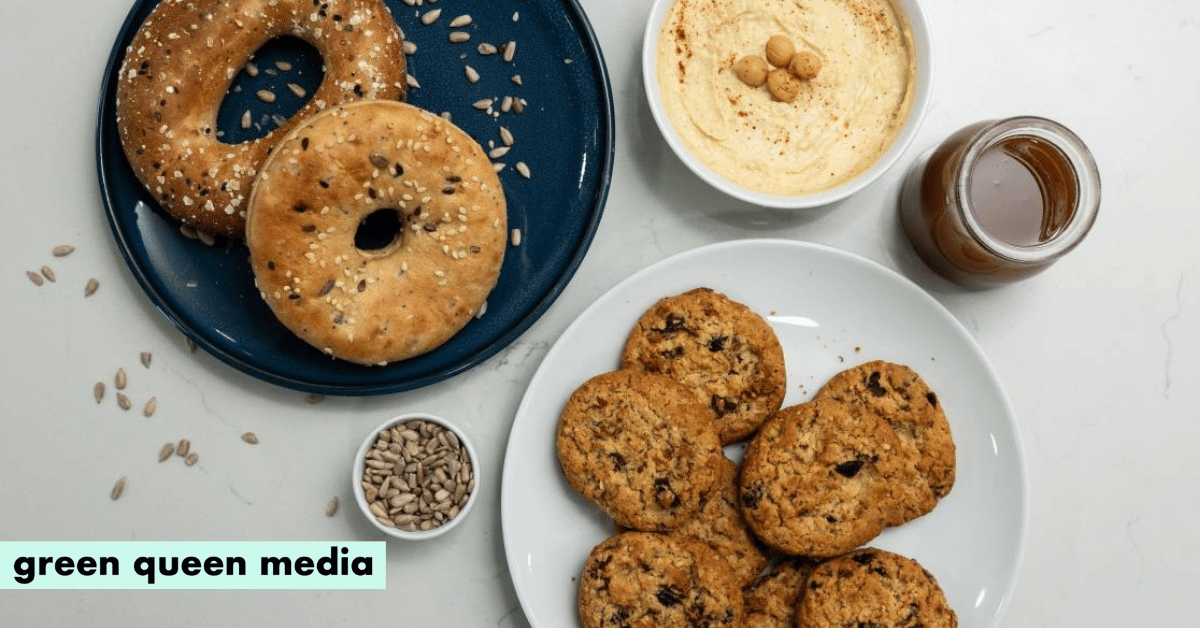
Because the flour features a pale color, high dispersibility, and a mild, pleasant toasted-nut flavor profile, it integrates seamlessly into existing manufacturing infrastructure. It avoids the dark pigmentation and bitter aftertastes often associated with pulse proteins, making it exceptionally versatile. The portfolio is divided into specialized applications to maximize its utility across different food categories. Fazenda Lieto C is specifically engineered for savory bakery applications—such as high-protein breads, bagels, wraps, and baked snacks—where it simultaneously boosts protein and fiber while improving moisture retention and eating quality. Conversely, Fazenda Lieto F is tailored for liquid and semi-liquid matrices, supporting texture, mouthfeel, and emulsification in sauces, dips, and beverages. Notably, its emulsifying properties allow manufacturers to reduce reliance on dairy fats and artificial stabilizers while offering an allergen-friendly alternative free from wheat, soy, milk, tree nuts, and sesame. Industry applications highlighted by the company include the creation of rich, authentic, yet tahini-free hummus and dairy-free creamy beverages.

Beyond its nutritional and functional attributes, the Fazenda Lieto range addresses pressing corporate and environmental demands for sustainable sourcing and low-carbon supply chains. The agricultural supply chain for these flours is intentionally localized; the sunflowers are cultivated and processed entirely within the European Union. This regional consolidation drastically reduces transport-related emissions compared to globally sourced commodity proteins. Furthermore, the flours are derived directly from the press cake—a nutrient-rich byproduct generated during commercial sunflower oil production. By valorizing this industrial food waste, Ulrick + Short transforms a secondary agricultural stream into a high-value food ingredient, supporting the circular economy.
Environmental credentials of the ingredient are backed by third-party verification. Utilizing a life-cycle assessment that adheres strictly to the European Commission Environmental Footprint 3.1 methodology, Ulrick + Short calculated the carbon footprint of the Fazenda Lieto range to be an exceptionally low 0.425 kilograms of CO2 equivalent per kilogram of flour. This metric provides food brands with a verifiable sustainability data point that can be prominently featured in corporate social responsibility reports and consumer-facing marketing campaigns.
Industry reception and market analysis suggest that consumer familiarity with sunflower seeds will be a primary driver of adoption. Market research cited by Ulrick + Short indicates that approximately 82% of consumers recognize sunflower seeds, 78% actively consume them for their flavor, and 57% associate them with distinct health benefits. This high degree of consumer recognition offers a distinct marketing advantage, particularly when contrasted with more exotic or chemically processed alternative protein sources that can alienate shoppers wary of clean-label transparency.

Commenting on the strategic positioning of the new product line, Kate Lefroy, innovation and technical sales manager at Ulrick + Short, emphasized the alignment between consumer desires and technological capability. Over the past ten years, Lefroy noted, the market has witnessed a steady escalation in demand for high-quality protein sources and nutrient-dense options that actively support healthier lifestyles. At the same time, food developers face the complex task of balancing these nutritional targets with strict sustainability goals, functional performance, and positive consumer perception. Lefroy pointed out that sunflower seeds have long represented a significant untapped reservoir of protein, fiber, and micronutrients, making them an ideal vehicle for scalable food innovation.
The broader market implications of Ulrick + Short’s launch extend deep into the competitive dynamics of the global food ingredients sector. As the market for pea, soy, and traditional pulse proteins becomes increasingly saturated, food manufacturers are actively seeking differentiation through novel botanical sources. By offering an ingredient that functions simultaneously as a protein fortifier, a dietary fiber source, and a natural emulsifier, Ulrick + Short provides a multi-functional tool that can simplify complex ingredient decks. Clean-label formulations—characterized by short, recognizable lists of ingredients—continue to command premium positioning on supermarket shelves. Ingredients capable of executing multiple roles within a single recipe reduce the need for synthetic additives, hydrocolloids, and added fats.
As commercial production ramps up, the success of Fazenda Lieto will likely be measured by its adoption across mainstream European and international food brands looking to capitalize on current health trends. With regulatory pressures mounting regarding environmental transparency, and consumer preferences shifting toward functional, gut-healthy, and high-protein diets, the utilization of valorized agricultural side-streams represents a viable blueprint for the future of food manufacturing. Ulrick + Short’s venture into sunflower seed flour signals a maturing plant-based sector—one moving beyond imitation products toward nutritionally dense, inherently sustainable, and functionally superior whole-crop innovations.
