

Polycystic Ovary Syndrome (PCOS) affects an estimated 6 to 12 percent of reproductive-aged women, making it one of the most common endocrine disorders globally. Beyond its classic presentations—such as irregular menstruation, hyperandrogenism, and subfertility—the condition is frequently compounded by profound metabolic disruptions. Among these, difficulty managing body weight is routinely cited as one of the most distressing symptoms for patients. Clinical data highlights that up to 88 percent of women with PCOS struggle with overweight or obesity, driven primarily by physiological mechanisms rather than lifestyle choices alone.
Historically, weight management guidelines for PCOS patients have relied strictly on caloric restriction and increased physical activity. However, standard weight-loss interventions often yield disappointing results in this demographic due to underlying hormonal barriers. Endocrinologists and researchers have increasingly turned their attention toward targeted supplementation. By addressing core pathological drivers such as insulin resistance, chronic systemic inflammation, and hormonal dysregulation, specific evidence-based supplements have emerged as valuable adjunct therapies.
Understanding the Metabolic Mechanics of PCOS-Related Weight Gain
To comprehend why conventional weight loss advice frequently fails individuals with PCOS, it is necessary to examine the endocrine architecture of the disorder. The primary driver of weight retention and difficulty losing adipose tissue is insulin resistance. In an insulin-resistant state, peripheral tissues fail to respond adequately to circulating insulin. Consequently, the pancreas secretes higher volumes of the hormone to maintain euglycemia.
Chronically elevated insulin levels, or hyperinsulinemia, act directly on the ovarian theca cells, stimulating an overproduction of androgens such as testosterone. This excess androgen production not only intensifies dermatological manifestations like acne and hirsutism but also alters fat distribution, promoting the accumulation of visceral adipose tissue around the abdomen. Furthermore, insulin promotes lipogenesis—the storage of energy as fat—while simultaneously inhibiting lipolysis, the breakdown of stored fat for energy.
Compounding this metabolic bottleneck are alterations in other key metabolic hormones, including estrogen, progesterone, and adiponectin. Fluctuations and imbalances in these regulatory proteins disrupt basal metabolic rate and signal increased appetite, creating a physiological loop that renders sustainable weight reduction exceptionally difficult. Addressing these foundational root causes requires clinical strategies that restore cellular insulin sensitivity and balance systemic inflammation.
Inositol: Restoring Insulin Signaling and Hormonal Balance

Inositol, a carbocyclic sugar often referred to in historical literature as Vitamin B8, has become a cornerstone in the nutritional management of PCOS. Naturally synthesized by the human body and found in various foods, inositol plays a vital intracellular role as a secondary messenger for insulin signaling pathways.
For women with PCOS, deficiencies or signaling defects in inositol pathways contribute significantly to insulin resistance. Clinical trials demonstrate that supplementing with inositol improves the efficacy of insulin at the cellular level. By enhancing insulin sensitivity, the body requires lower circulating concentrations of the hormone to process glucose effectively. This reduction in systemic insulin subsequently prompts a decline in ovarian androgen synthesis.
In clinical practice, inositol is predominantly administered in two stereoisomer forms: Myo-inositol (MI) and D-chiro-inositol (DCI). While myo-inositol is abundantly concentrated in the brain and metabolic tissues, D-chiro-inositol is integral to glycogen synthesis. Research indicates that administering these isomers in a physiological ratio—typically 40 parts myo-inositol to 1 part D-chiro-inositol—optimizes ovarian function and metabolic parameters. Clinical evaluations show that consistent supplementation supports reductions in body mass index (BMI), decreases waist circumference, and aids in the restoration of spontaneous ovulation.
N-Acetylcysteine (NAC): Combating Oxidative Stress and Insulin Resistance

N-acetylcysteine (NAC), the acetylated precursor to the essential amino acid L-cysteine, has a long-established history in clinical toxicology as an antidote for acetaminophen overdose and a mucolytic agent in respiratory medicine. More recently, endocrinologists have evaluated its therapeutic utility in metabolic disorders characterized by chronic low-grade inflammation, including PCOS.
NAC functions as a potent precursor to glutathione, the body’s primary endogenous antioxidant. Oxidative stress and systemic inflammation are widely documented correlates of insulin resistance in PCOS patients. By neutralizing reactive oxygen species and suppressing inflammatory cytokine cascades, NAC helps restore normal cellular function.
Clinical investigations into NAC’s efficacy for PCOS-affected populations reveal significant improvements in insulin sensitivity metrics, comparable in some trials to conventional insulin-sensitizing pharmaceuticals such as metformin. Furthermore, randomized controlled trials indicate that NAC supplementation can lower fasting blood glucose, decrease circulating total testosterone levels, and improve lipid profiles. By ameliorating hyperinsulinemia and reducing systemic inflammation, NAC facilitates a more favorable metabolic environment for sustained adipose tissue reduction.
Omega-3 Fatty Acids: Modulating Inflammation and Adipose Metabolism
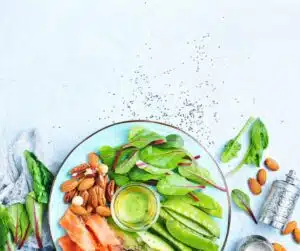
Omega-3 polyunsaturated fatty acids—specifically eicosapentaenoic acid (EPA) and docosahexaenoic acid (DHA), predominantly found in marine sources such as fatty fish, as well as alpha-linolenic acid (ALA) from plant sources—are essential nutrients that the human body cannot synthesize independently. Epidemiological and clinical data suggest that women with PCOS frequently exhibit suboptimal circulating levels of omega-3 fatty acids compared to healthy controls.
The therapeutic rationale for omega-3 supplementation in PCOS management centers on its anti-inflammatory and lipid-modulating properties. Chronic inflammation is intrinsically linked to insulin resistance and impaired metabolic flexibility. EPA and DHA inhibit the production of inflammatory eicosanoids and cytokines, thereby dampening the inflammatory pathways that perpetuate metabolic dysfunction.
Clinical research evaluating omega-3 supplementation in overweight women with PCOS demonstrates marked improvements in metabolic biomarkers. Studies tracking patients over 8-week to 12-week intervals have observed statistically significant decreases in body weight, BMI, and waist circumference. Additionally, omega-3 fatty acids have been shown to modulate appetite-regulating hormones, assisting patients in adhering to caloric deficit protocols by promoting satiety. Beyond weight management, supplementation contributes to favorable reductions in triglycerides and low-density lipoprotein (LDL) cholesterol, mitigating the elevated cardiovascular risks associated with the syndrome.
Berberine: A Botanical Approach to Metabolic Regulation
Berberine is an isoquinoline alkaloid extracted from the roots, rhizomes, and stem bark of various plants belonging to the genus Berberis, including goldenseal and barberry. With a centuries-old history in traditional Chinese and Ayurvedic medicine, berberine has undergone rigorous modern scientific evaluation for its profound metabolic effects.
The primary mechanism of action for berberine involves the activation of adenosine monophosphate-activated protein kinase (AMPK), an enzyme often referred to as the body’s master metabolic regulator. Activation of AMPK stimulates glucose uptake into cells, enhances fatty acid oxidation, and inhibits hepatic gluconeogenesis. For patients with PCOS, berberine addresses the core pathophysiology of insulin resistance with a potency that clinical studies suggest rivals standard pharmacological interventions.
By regulating blood glucose and insulin dynamics, berberine prevents the sharp glycemic spikes and subsequent crashes that often trigger intense carbohydrate cravings and overeating episodes. Furthermore, clinical trials indicate that berberine supports healthy endocrine function by lowering serum testosterone levels and improving lipid parameters. Emerging research also points to berberine’s beneficial impact on the gut microbiome, noting that the alkaloid supports the proliferation of short-chain fatty acid-producing bacteria, which are increasingly recognized as vital components of metabolic health and weight regulation.
Vitamin D: Addressing High-Prevalence Micronutrient Deficiencies
Vitamin D functions primarily as a steroid hormone rather than a traditional vitamin, influencing gene expression across numerous tissues, including skeletal muscle, adipose tissue, and pancreatic beta-cells. Epidemiological data indicates an alarmingly high prevalence of vitamin D deficiency among women diagnosed with PCOS, with rates frequently exceeding 75 percent globally.
Adequate vitamin D status is essential for optimal metabolic and endocrine function. Deficiency in this micronutrient is independently associated with worsened insulin resistance, elevated systemic inflammation, increased visceral adiposity, and exacerbated hyperandrogenism. Conversely, sufficient vitamin D levels enhance insulin receptor expression, improve glucose transport, and support the enzymatic pathways involved in steroidogenesis.
Clinical trials investigating vitamin D supplementation in PCOS cohorts demonstrate that correcting deficiency states leads to measurable improvements in metabolic parameters. Supplementation has been correlated with reductions in insulin resistance indices, enhanced weight loss outcomes during hypocaloric diets, and improvements in menstrual regularity. Because dietary sources of vitamin D are relatively limited, and endogenous synthesis via cutaneous ultraviolet-B exposure is frequently inadequate due to geographical or lifestyle factors, structured supplementation under clinical supervision is often recommended to achieve therapeutic serum concentrations.
Integrating Supplements into a Comprehensive Clinical Framework
While evidence-based supplementation offers targeted metabolic support, medical professionals emphasize that supplements should be viewed as adjunct tools rather than standalone cures for PCOS-related weight retention. Sustainable clinical outcomes require a multidisciplinary approach that integrates targeted pharmacotherapy or supplementation with structured nutritional therapy, regular physical activity tailored to individual endocrine capacity, and evidence-based stress management protocols.
Given the heterogeneous presentation of PCOS, individual responses to specific supplements can vary significantly. Factors such as baseline nutrient status, concurrent medical conditions, and potential interactions with prescription medications necessitate professional medical evaluation before initiating any new supplement regimen. Patients are strongly advised to consult with an endocrinologist, gynecologist, or registered dietitian specializing in endocrine disorders to establish personalized, safe, and effective intervention strategies tailored to their unique physiological profile.
