
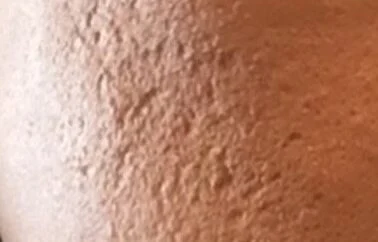
The prevalence of acne, often dismissed as a transient adolescent milestone, frequently extends into adulthood, leaving behind not only physical markers but profound psychological scars. For many, the transition from hormonal breakouts to chronic, cystic, and scarring acne represents a significant health crisis that impacts professional trajectories, social integration, and mental well-being. A 40-year-old Canadian lawyer, who has requested anonymity due to the sensitive nature of her experience, provides a poignant case study into the enduring impact of severe acne scarring. Her account highlights a growing concern among dermatological professionals: the intersection of chronic skin conditions, cultural stigma, and the escalating pressure of curated beauty standards in the digital age.
The Chronology of a Chronic Condition
The subject’s experience with acne began at the age of 20, a common onset for university students facing the stress and lifestyle shifts associated with higher education. While many peers experienced resolution by their mid-twenties, her condition took a sharp, debilitating turn in her early thirties.
In a period spanning only a few months, her skin condition escalated from mild breakouts to severe cystic acne. Cystic acne is characterized by deep, painful lesions that penetrate the dermis, often leading to permanent tissue damage. For patients of South Asian descent, this physiological progression is frequently compounded by post-inflammatory hyperpigmentation (PIH). PIH occurs when the skin produces excess melanin in response to inflammation, resulting in dark spots that can persist for years, even after the active lesions have subsided.

By her mid-thirties, the physical manifestation of her condition had solidified into deep, pitted scarring and widespread hyperpigmentation. This timeline illustrates the "relentless" nature of the condition, as she describes the rapid shift from clear skin to a state of permanent facial alteration. The psychological impact was immediate, leading to social withdrawal, the avoidance of reflective surfaces, and an increased sensitivity to environmental triggers, such as lighting, which can accentuate the depth of skin texture irregularities.
Supporting Data and Dermatological Context
Medical research supports the severity of the subject’s experience. According to the American Academy of Dermatology, acne affects approximately 85% of people between the ages of 12 and 24, but adult acne—particularly in women—is on the rise. Research published in the Journal of Women’s Health indicates that up to 50% of women in their 20s and 30s may experience clinical acne.
The psychological implications of this are significant. Studies in the British Journal of Dermatology have found that patients with acne scarring report quality-of-life scores comparable to those living with chronic diseases such as asthma or diabetes. The "burden of disease" is measured not only by the physical presence of lesions but by the social anxiety and depression that often accompany disfigurement.
Furthermore, the subject’s experience with hyperpigmentation is a documented clinical reality for patients with higher Fitzpatrick skin types—a scale used to classify skin tone and its reaction to UV light. People of color are statistically more prone to prolonged, severe hyperpigmentation following inflammatory acne. This creates a dual burden: treating the active infection and subsequently managing the long-term discoloration, a process that is often more expensive, time-consuming, and less predictable in terms of treatment outcomes.
Cultural Stigma and Social Isolation
A critical component of the subject’s narrative is the role of cultural perception. In many South Asian communities, skin health is often tied to notions of purity, health, and social desirability. The subject reports that unsolicited, often cruel, commentary regarding her appearance contributed significantly to her isolation.
Sociological analysis suggests that in collectivist cultures, an individual’s appearance is sometimes viewed as a reflection of their family or lifestyle, leading to heightened scrutiny. This external pressure exacerbates the internal struggle with body dysmorphia and low self-esteem. The "callous disregard" mentioned by the subject reflects a broader societal lack of empathy for non-life-threatening but life-altering dermatological conditions. The intersection of race and skin health remains an under-researched area, yet it is clear that for women of color, the emotional labor of navigating these social interactions adds a layer of trauma that is distinct from the physical condition itself.
The Impact of Digital Beauty Standards
The subject identifies the current digital landscape as a major obstacle to recovery and self-acceptance. The proliferation of high-definition cameras, filters, and photo-editing software has created what experts call "the Instagram face"—a standard of poreless, smooth, and hyper-symmetrical skin that is, in reality, biologically impossible for most.
For a woman in her 40s, the realization that her skin is "no longer tight and youthful" while simultaneously battling the lingering evidence of past cystic acne creates a compounded sense of grief. The contrast between her internal maturity and the external, "riddled" appearance of her skin fosters a dissonance that hinders her ability to engage in professional settings. This is particularly relevant for someone in a high-profile legal career, where personal presentation is often conflated with professional competence.
Clinical Perspectives and Treatment Evolution
While the subject remains pessimistic regarding her own path to self-acceptance, she emphasizes the evolution of medical resources. The current landscape for treating acne scars is vastly different from that of twenty years ago. Advances in dermatological technology have provided several options for patients:
- Fractional Laser Resurfacing: Uses concentrated beams of light to remove layers of skin, stimulating collagen production and smoothing texture.
- Microneedling with Radiofrequency: A minimally invasive procedure that uses needles to create micro-injuries, triggering the skin’s healing response.
- Subcision: A surgical technique used to break up the fibrous bands that tether the skin down, causing the "pits" or depressions in the face.
- Chemical Peels and Topical Retinoids: Effective for managing the surface-level pigmentation and mild texture issues.
Despite these advancements, the cost of such procedures is often prohibitive. In Canada, as in many other nations, dermatological treatments for "cosmetic" scarring are rarely covered by public healthcare, placing the financial burden squarely on the patient. This creates a socio-economic divide where only those with significant disposable income can access the treatments that might alleviate their psychological distress.
Broader Implications and Future Outlook
The account of this anonymous lawyer serves as a call to action for the medical community to treat acne with the same level of seriousness as other chronic conditions. The "emotional wounds" mentioned in her testimony are not merely subjective; they are the result of a medical system that has historically prioritized physical symptom resolution over holistic mental health support.
Future initiatives in dermatology must incorporate a dual approach: clinical treatment of the skin and psychological support for the patient. Mental health screenings should arguably be part of the standard protocol for patients presenting with moderate-to-severe acne. Furthermore, public health campaigns aimed at destigmatizing skin conditions could reduce the social isolation experienced by millions.

Ultimately, the subject’s ability to draw "deep compassion and empathy" for others experiencing facial disfigurement suggests that the trauma of her experience has cultivated a new, perhaps more profound, perspective on human suffering. While she may not have found the "wisdom" to fully love her reflection, her willingness to document her struggle provides a necessary window into a silent, widespread health crisis. As society continues to grapple with the tension between technological advancement and the biological realities of the human body, stories like hers serve as a necessary reminder that the most significant scars are often those that cannot be seen in a mirror.
