
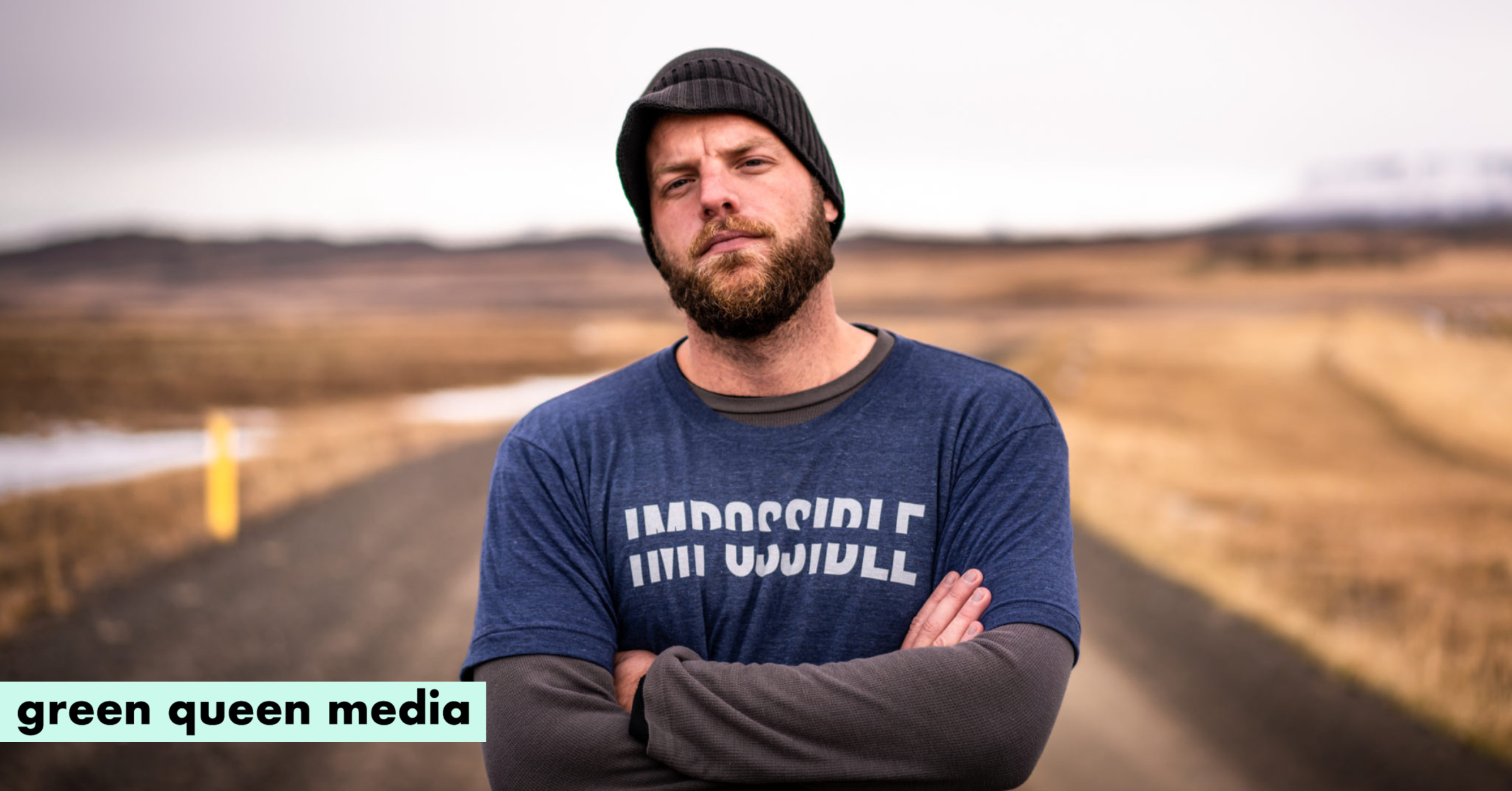
Plant-based meat giant Impossible Foods has been ordered by a federal judge to compensate health influencer Joel Runyon for attorneys’ fees following his successful trademark infringement trial against the company. The ruling, delivered by Judge Beth Labson Freeman in the US District Court for the Northern District of California, mandates that Impossible Foods cover the legal expenses incurred by Runyon and his company, Impossible HQ, after an eight-person jury unanimously found in their favor in March. This decision stems from a nearly five-year legal battle concerning Impossible Foods’ use of the "Impossible" brand name.
The jury’s March verdict awarded Runyon $1.5 million in compensatory damages and an additional $1.75 million in punitive damages, totaling $3.25 million. This award was based on the finding that Impossible Foods had willfully and maliciously infringed upon two of Runyon’s registered trademarks. Following this significant victory, Runyon sought to recover the substantial legal fees he had accumulated throughout the prolonged litigation.
In her recent ruling, Judge Freeman stated that awarding attorneys’ fees was appropriate, citing what she described as Impossible Foods forcing a trial on trademark claims without presenting substantive evidence. "The court accords some weight to Impossible LLC’s argument that considerations of fairness and compensation favor awarding attorneys’ fees," Freeman wrote in her order. She further elaborated on the financial strain faced by Runyon, noting his assertion that he had "spent more than $6 million during the prosecution of this case, which he partially funded by liquidating his retirement accounts." The judge concluded that, "Given the disparity between the jury’s award and Impossible LLC’s expenses, awarding attorneys’ fees in this case is appropriate."
Court Sides with Impossible HQ on "Exceptional Circumstances"
The court’s decision to award attorneys’ fees hinged on the concept of "exceptional circumstances" under US law, which allows for such compensation in specific cases of trademark infringement. Impossible Foods had attempted to leverage a "laches" defense, arguing that Runyon had unreasonably delayed in bringing his lawsuit, having known about the company’s use of the "Impossible" trademark as early as 2015 or 2016 but not filing his counterclaims until 2024. Impossible Foods contended that this delay was prejudicial, allowing Runyon’s company to wait and then sue for damages based on the meat alternative firm’s own accumulated expenses, thereby causing greater harm.
However, the jury’s finding of willful infringement proved to be a critical blow to Impossible Foods’ laches defense. US law permits courts to award attorneys’ fees in "exceptional circumstances," and the court found that Impossible Foods’ willful infringement of Impossible HQ’s trademarks met this threshold.
Judge Freeman acknowledged that while she disagreed with the full scope of Impossible HQ’s arguments regarding the frivolousness of Impossible Foods’ positions, she did find certain "weak legal positions on the merits (not frivolous but bordering on the frivolous)" that justified an exceptional case finding. She elaborated, "While the court does not agree that Impossible Foods’ claims and defenses were entirely frivolous, the court finds that its abandonment defense and affirmative infringement claims were exceptionally weak, particularly as presented to the jury at trial." Ultimately, she concluded, "Having considered the totality of the case, including by weighing the seriousness of Impossible Foods’ conduct and its willful infringement, the court agrees with Impossible LLC that the case was exceptional and grants Impossible LLC’s request for an award of reasonable attorneys’ fees."
Injunctive Relief Granted to Impossible HQ
Beyond financial compensation, the court also granted Impossible HQ injunctive relief, a significant outcome that will impact how Impossible Foods uses its brand name. Judge Freeman determined it was "objectively unreasonable" for Impossible Foods to proceed to trial on certain trademark infringement claims without presenting adequate evidence. She observed that Impossible Foods’ evidentiary presentation on its own infringement case was "clearly deficient, consisting primarily of a law firm paralegal perfunctorily reciting Impossible Foods’ trademark registrations."
While the court granted the request for attorneys’ fees based on the exceptional nature of the case, Judge Freeman did express a slight divergence from Impossible HQ’s broader assertions. She disagreed with the suggestion that Impossible Foods’ overall litigation strategy was inherently unfair, stating that a failure to settle a case early does not automatically constitute grounds for an exceptional case finding. "Before trial, it appeared to the Court that a jury could reasonably credit either party – the fact that the jury chose Impossible LLC does not mean that Impossible Foods acted unreasonably," she explained.
Furthermore, Runyon’s request for enhanced damages was rejected. The court found that the jury’s initial award of $3.25 million was sufficient to fully compensate Impossible LLC, and any enhancement would be considered punitive rather than compensatory.
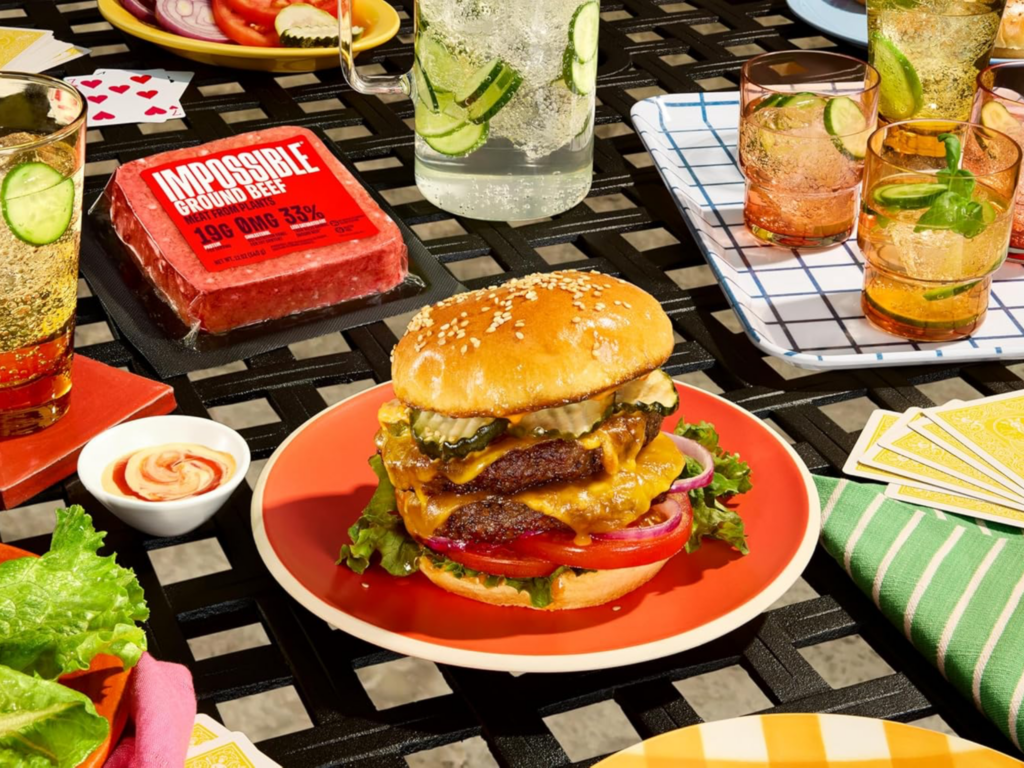
However, the court did grant Impossible HQ significant injunctive relief. Impossible Foods is now prohibited from using the standalone term "Impossible" without accompanying words or symbols on apparel, cookbooks, or recipes. The order mandates that any existing materials featuring the standalone term, whether in physical or digital form, must be removed from public access or consumption within 14 days of the order’s entry. This injunction aims to clarify the distinct market spaces for each entity’s use of the "Impossible" brand.
The Genesis of the Legal Dispute: A Clash of "Impossible" Brands
The legal conflict between Impossible Foods and Joel Runyon’s Impossible HQ dates back to 2010, when Runyon first began using the "Impossible" name for his lifestyle and fitness blog. Over the years, this evolved into a business, leading Runyon to register federal trademarks in various categories, including endurance athletics, apparel, health and nutrition, and sporting events.
The landscape shifted significantly in 2013 when Impossible Foods, then known as Maraxi, rebranded to its current name. The company rapidly ascended to prominence in the plant-based food industry, becoming a global leader with its innovative meat alternatives. The core of the dispute emerged in 2020 when Impossible Foods applied for a trademark related to recipes, ingredients, cooking information, and an associated online database, all under the "Impossible" brand.
This move prompted Runyon to issue a cease-and-desist letter to Impossible Foods later that year. He urged the company to restrict its use of "Impossible" exclusively to "plant-based food substitutes" and objected to their trademark application for recipes. The situation escalated when Impossible Foods filed a lawsuit against Impossible HQ in 2021, seeking a judicial declaration that it held superior rights to the name and did not infringe upon Runyon’s trademarks.
Initially, the court in the Northern District of California dismissed Impossible Foods’ lawsuit, citing a lack of jurisdiction. The court reasoned that the dispute did not sufficiently relate to Impossible HQ’s activities within California, particularly as Runyon had relocated before the lawsuit was filed. However, this decision was appealed. In 2023, an appeals court reinstated the case, ruling that the companies could refile their claims. The appellate court’s reasoning was based on Impossible HQ’s original founding in San Diego, which established a jurisdictional link to California.
The subsequent trial culminated in the jury’s verdict favoring Runyon. While the jury found that Impossible Foods infringed on Impossible HQ’s unregistered trademarks for apparel and cookbooks, it did reject Impossible HQ’s bid to invalidate four of those specific marks.
Broader Implications and Precedents
This trademark dispute is not an isolated incident for Impossible Foods. It represents the second significant intellectual property loss for the company in as many years. In 2025, Impossible Foods concluded a four-year legal battle with Impossible Bakers, a Spanish bakery, by losing a trademark case in the European Union. An EU court ruled that the bakery’s brand was sufficiently distinct from the plant-based meat company and could continue using the "Impossible" name. These repeated legal challenges highlight the complexities and potential pitfalls of brand name selection and trademark protection in crowded and competitive markets.
The outcome of the Runyon case underscores the importance of rigorous trademark due diligence and the potential financial ramifications of infringing on established intellectual property rights. For startups and established companies alike, navigating the legal landscape of branding requires careful consideration of existing trademarks and a proactive approach to resolving potential conflicts. The substantial award of attorneys’ fees in this instance serves as a stark reminder that legal battles can carry significant financial burdens, extending beyond mere damages awarded to the prevailing party.
Impossible Foods has been a significant player in the burgeoning alternative protein market, attracting substantial investment and public attention. However, this legal setback, coupled with the previous EU ruling, may prompt a review of its brand strategy and trademark clearance processes to avoid future disputes. The ruling also reinforces the rights of smaller entities and individual entrepreneurs to protect their intellectual property, even when facing opposition from larger, well-resourced corporations.
As the plant-based food industry continues to expand, brand differentiation and the protection of unique brand identities will remain paramount. The "Impossible" name, now associated with both a global food brand and a health and fitness entrepreneur, has become a focal point in this ongoing evolution of brand ownership and consumer recognition.

Green Queen has reached out to Impossible Foods for comment on the story.
