
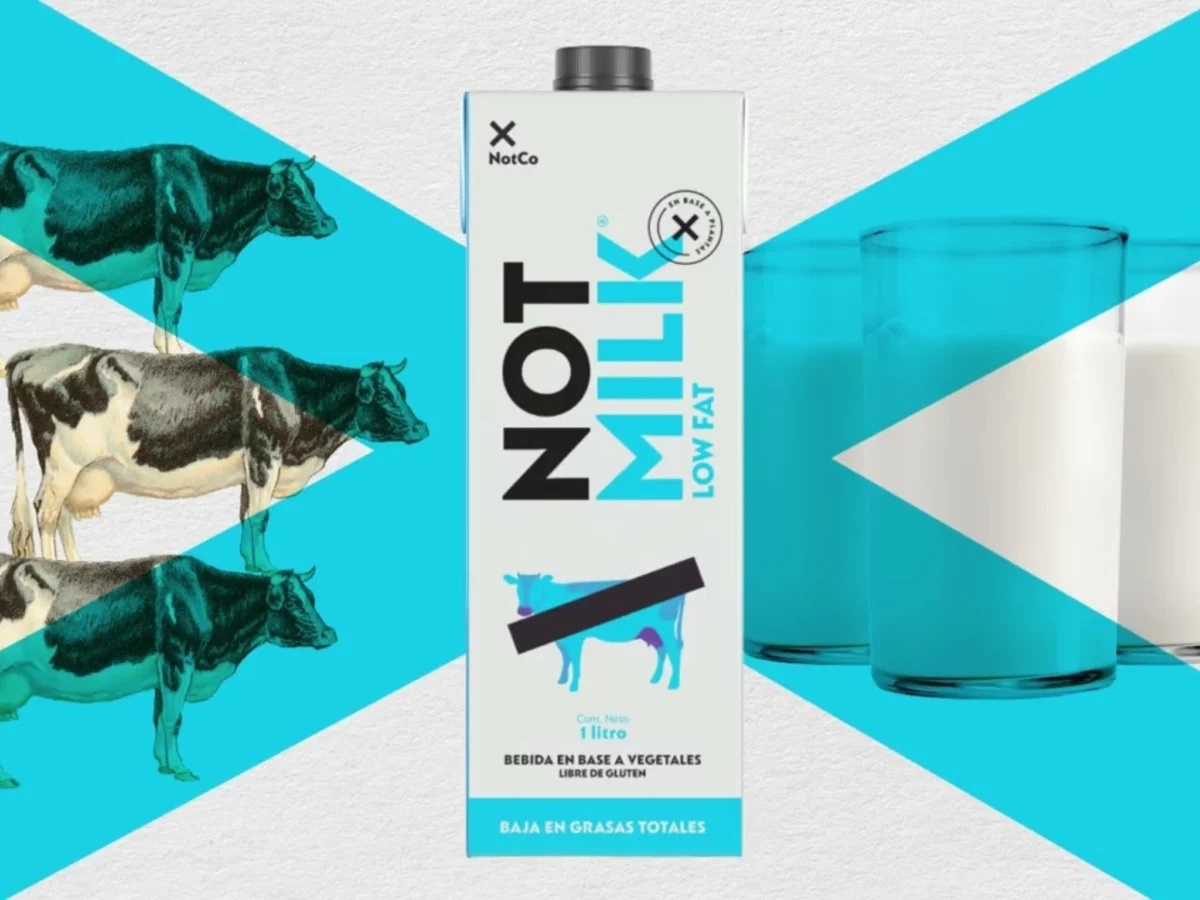
The Chilean Supreme Court has delivered a nuanced verdict in the protracted legal battle between plant-based food innovator NotCo and the dairy industry, allowing the food tech unicorn to retain its flagship "NotMilk" brand name while mandating the removal of the word "milk" and dairy-associated imagery from its packaging and marketing materials. This decision, reached after nearly five years of litigation, represents a significant moment for the burgeoning plant-based food sector in Chile and could set a precedent for similar disputes across the globe.
The ruling, which aims to strike a balance between consumer clarity and brand protection, permits NotCo to continue using the "NotMilk" trademark, a name that has become synonymous with its mission to create plant-based alternatives that mimic the taste and functionality of dairy. However, the court stipulated that the term "milk" itself, along with any distinctive imagery that evokes the dairy industry, such as the previously used crossed-out cow, must be excised from product labels and promotional content. The court found that NotCo had engaged in "acts of unfair competition" by creating associations with dairy that could potentially mislead consumers.
A Near Five-Year Legal Odyssey
The legal saga commenced in late 2020 when the Asociación Gremial de Productores de Leche de la Región de Los Ríos (Aproval), a prominent trade group representing dairy producers in Chile, filed a lawsuit against NotCo. Aproval accused the food tech company of unfair competition, alleging that NotCo’s branding and marketing strategies confused consumers and unfairly capitalized on the established reputation of cow’s milk. Specifically, Aproval contended that NotCo’s use of the word "milk" and visual cues like a crossed-out cow on its packaging were designed to create a misleading association with traditional dairy products, thereby discrediting cow’s milk and undermining the dairy sector.
The initial ruling in 2023 by a civil court in Valdivia sided with Aproval, issuing a complete prohibition on the use of the "NotMilk" trademark. This decision sent shockwaves through the plant-based industry, raising concerns about the future of plant-based product naming conventions. NotCo, however, appealed this verdict. In 2024, the appeals court in Valdivia overturned the lower court’s decision, ruling in favor of NotCo and rejecting Aproval’s anti-competition claims. This interim victory for the plant-based innovator was short-lived.
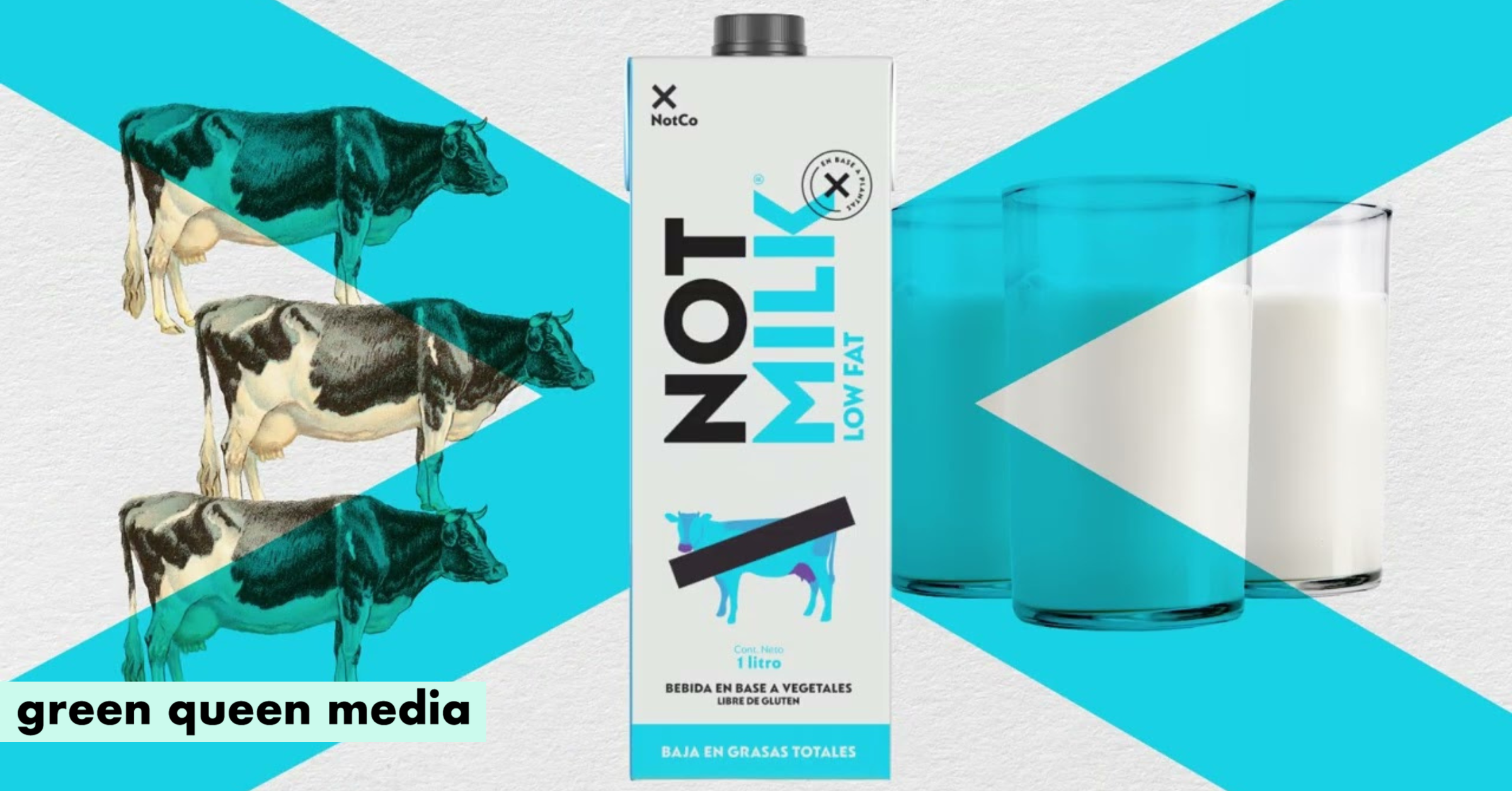
The Supreme Court’s latest ruling effectively overturned the appeals court’s decision, re-establishing certain restrictions on NotCo’s branding. The highest court in Chile concluded that the prefix "Not" and the visual of a crossed-out cow were insufficient to clearly distinguish NotCo’s plant-based beverages from traditional cow’s milk. The court’s analysis focused on the prominent placement and size of the word "milk" on NotCo’s Tetra Pak cartons, arguing that it was the most impactful element. Furthermore, the presence of the cow imagery, even when crossed out, was deemed to reinforce a connection to the dairy industry.
The Court’s Reasoning: Marketing and Consumer Perception
A critical aspect of the Supreme Court’s decision revolved around NotCo’s past marketing campaigns. The court cited several advertising phrases used by the company on social media and other platforms, including statements like "it’s milk but not," "it’s like milk, tastes like milk, and cooks like milk, but NOT, because it’s 100% plant-based," and "we took the cow out of the milk." These statements, the court argued, were designed to establish a direct association with dairy products.
The court also took into account the retail environment, noting that NotCo’s products were often sold in the same supermarket aisles as traditional milk. This proximity, combined with the marketing language, was seen as contributing to potential consumer confusion. A particularly compelling point for the court was an instance where NotCo co-founder and CEO Matias Muchnick reportedly referred to the product as a "dairy beverage" before correcting himself to "plant-based beverage." The court viewed this slip-up as evidence of the inherent risk of confusion, suggesting that if a company representative could make such an error, it was logical to assume the public could also be misled.
NotCo’s Response: Acknowledging Evolution and Embracing Change
Matias Muchnick, co-founder and CEO of NotCo, adopted a cautiously optimistic tone in response to the Supreme Court’s ruling. He emphasized that the core of their brand, "NotMilk," remained intact, which was their primary concern. "The most important thing first: NotMilk is still called NotMilk. The brand remains intact. The product remains intact. That was what mattered most to us, and we achieved it," Muchnick stated in a LinkedIn post.
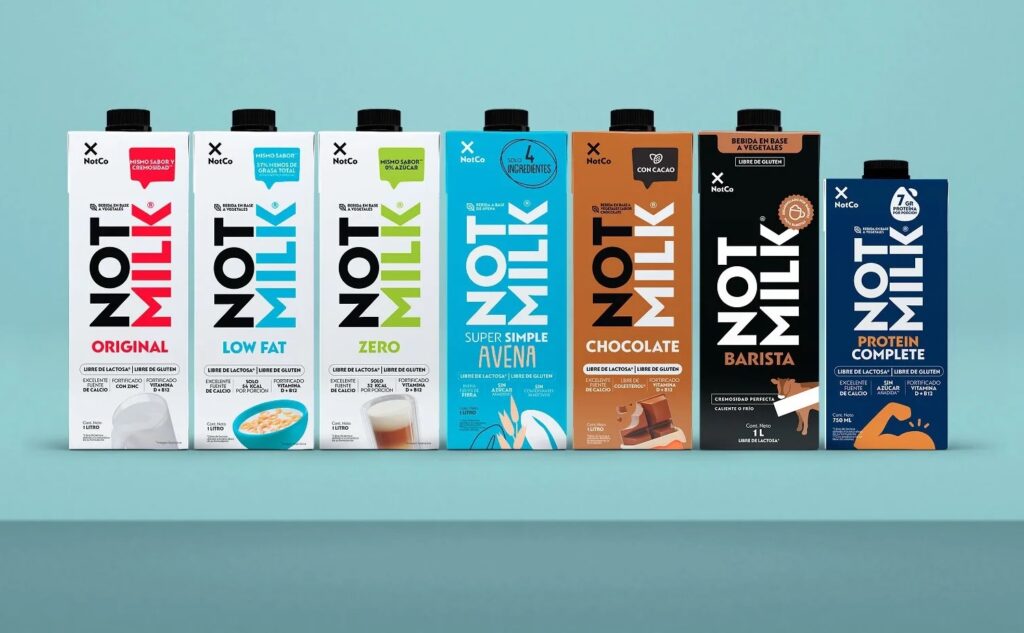
He acknowledged that the company would need to make adjustments to its communication strategies and packaging. Muchnick pointed out that some of the elements criticized by the court, such as the crossed-out cow and the placement of plant-based products in dairy aisles, were already being phased out or had evolved over the past five years. "Five years have passed. The product has evolved. The brand has evolved," he noted. "Several of the things that the ruling mentions, such as the cow crossed out on the packaging or the fact that supermarkets sold plant-based drinks in the dairy aisles, no longer exist, or are in the process of being eliminated. The rest, as they say, is ‘just getting things right’."
NotCo indicated its willingness to implement further changes, viewing them as an opportunity for brand enhancement. "So yes, we’re going to make a couple of changes that correspond, and while we’re at it, we’re going to do a couple more that we wanted to do anyway," Muchnick added. This pragmatic approach suggests that NotCo is prepared to adapt its marketing to comply with the ruling while continuing its growth trajectory.
Aproval’s Perspective: Setting a Precedent for Dairy Integrity
Aproval president Jaime Heinrich Commentz hailed the Supreme Court’s decision as a victory for the dairy industry and a crucial precedent for other market players. "This ruling sets an important precedent for any market player intending to follow in NotCo’s footsteps, urging them to act with more caution and not believe that in the name of supposed innovations, they can do or say anything against other market players," Commentz remarked.
The dairy industry has long argued that terms like "milk," "cheese," and "yogurt" are intrinsically linked to animal-derived products and that their use on plant-based alternatives constitutes a form of misleading labeling that erodes the value and reputation of traditional dairy. Aproval’s legal challenge was part of a broader effort by dairy organizations globally to protect their intellectual property and market share from the rapid expansion of the plant-based food industry.
Broader Implications for the Plant-Based Food Industry
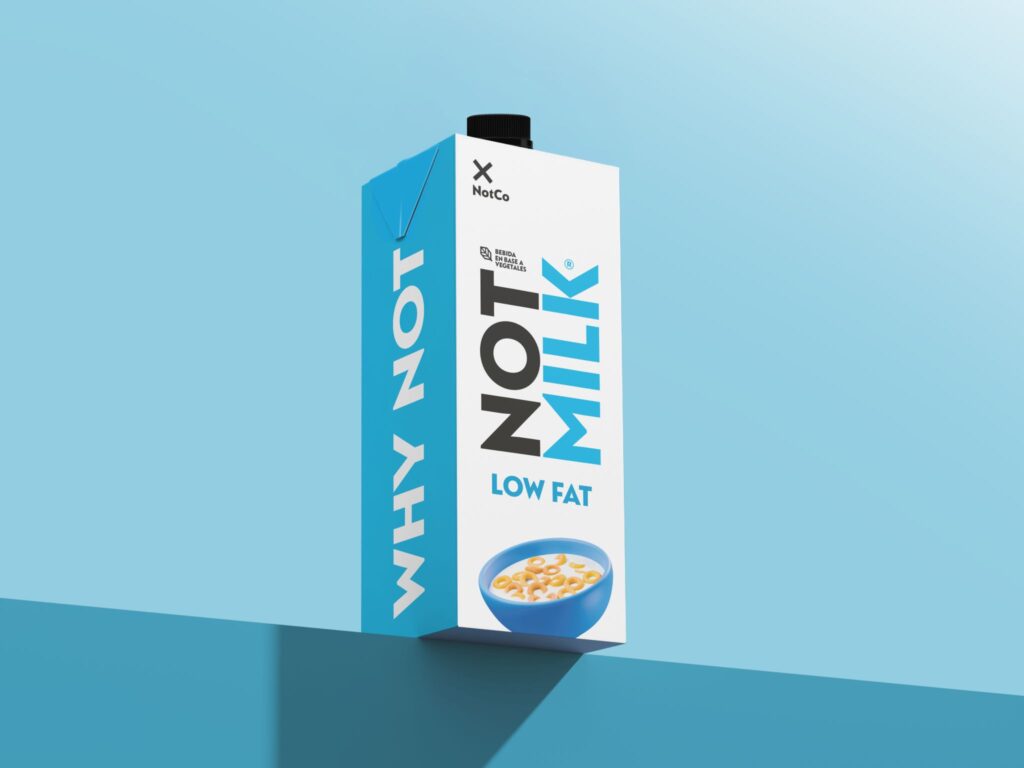
The Chilean Supreme Court’s decision is the latest in a series of high-profile legal battles concerning the labeling of plant-based dairy alternatives worldwide. In recent years, regulatory bodies and courts in various jurisdictions have grappled with the question of how plant-based products can be marketed without infringing on traditional dairy terminology.
In the European Union, regulations have long prohibited the use of dairy-related terms such as "milk," "butter," and "cheese" on plant-based products, with specific allowances for terms like "oat milk" or "soy yogurt" only if they are not presented in a way that suggests an analogy or comparison to dairy products. This has led to some plant-based brands adopting creative naming conventions, such as "beverage based on oats" or "fermented cashew product."
In the United Kingdom, the Advertising Standards Authority (ASA) and the courts have also intervened in cases involving plant-based milk labeling. For instance, Oatly faced scrutiny over its marketing claims, and while some challenges have been dismissed, the overall trend points towards increasing regulatory oversight.
Switzerland has also seen similar legal actions, with courts ruling in favor of dairy associations, leading to restrictions on how plant-based products can be named and marketed.
In the United States, the debate over plant-based labeling has been ongoing. While the Food and Drug Administration (FDA) has historically allowed the use of terms like "soy milk" and "almond milk," there have been persistent calls from the dairy industry to restrict such labeling. A proposed bill, the Dairy Pride Act, has been floated in Congress, advocating for the FDA to ban the use of "milk," "cheese," and "yogurt" on plant-based alternatives, though it has faced significant opposition from consumer advocacy groups and plant-based industry representatives.
The NotCo case in Chile adds another significant data point to this global discourse. The ruling underscores the challenges faced by plant-based companies in navigating evolving consumer expectations and established industry regulations. It highlights the delicate balance between innovation and established terminology, and the potential for legal disputes to shape the future of food labeling. For NotCo and other plant-based pioneers, the path forward will likely involve continued adaptation and a strategic approach to communication that clearly delineates their products while resonating with consumers seeking sustainable and ethical alternatives. The outcome in Chile, while imposing certain restrictions, allows the "NotMilk" brand to endure, signaling that innovation can coexist with regulatory frameworks, albeit with careful consideration and ongoing adjustments.
