

Hyaluronic acid (HA), alongside its closely related derivative sodium hyaluronate, stands as a cornerstone ingredient in modern skincare and makeup formulations, revered for its unparalleled hydrating properties. This naturally occurring glycosaminoglycan is a vital component of the human body, predominantly residing within the extracellular matrix—the intricate scaffolding that provides structural support and organization to cells within tissues. Found in abundance in both the superficial epidermis and the deeper dermal layers of the skin, HA plays a multifaceted role, crucial not only for maintaining optimal hydration but also for facilitating essential metabolic processes, aiding in skin repair mechanisms, and offering protection against oxidative stress from free radicals and harmful UV radiation. Its widespread biological importance underpins its pervasive application in various industries, from cosmetics to pharmaceuticals.
Biological Foundations: HA in the Human Body
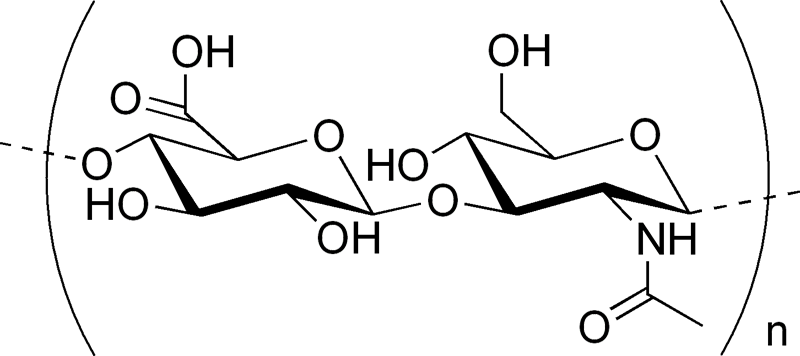
Discovered in 1934 by Karl Meyer and John Palmer in the vitreous humor of bovine eyes, hyaluronic acid was initially identified as a unique polysaccharide. Its complex chemical structure, characterized by repeating disaccharide units of D-glucuronic acid and N-acetyl-D-glucosamine, grants it an extraordinarily polar nature. This polarity is the key to its remarkable ability to attract and bind water molecules, making it one exceptionally efficient humectant. In biological systems, a single gram of hyaluronic acid is often cited as being capable of holding a substantial volume of water, although the precise figure of "six liters" often quoted in popular science has been a subject of scientific re-evaluation, highlighting the importance of scrutinizing even widely cited "fun facts." Nevertheless, its capacity to retain moisture is undeniably significant, contributing to the skin’s turgor, firmness, and plumpness. Beyond the skin, HA is integral to joint lubrication in synovial fluid, ocular health, and tissue repair throughout the body, underscoring its broad physiological relevance.
The conventional understanding that hyaluronic acid levels diminish with age, leading to the characteristic thinning and dryness associated with mature skin, has been refined by contemporary research. While aged skin does indeed exhibit a different appearance, studies now suggest that the overall quantity of HA in the skin may not drastically decrease with chronological aging. Instead, the molecule undergoes redistribution, and its structural integrity or the efficiency of its synthesis and degradation pathways may be altered due to both intrinsic aging processes and extrinsic environmental factors such as sun exposure. This nuanced understanding emphasizes the complex interplay of biological mechanisms influencing skin health and appearance over time.
The Science of Hydration: How HA Works in Skincare
In the realm of skincare, hyaluronic acid’s primary utility stems from its exceptional hygroscopic nature, acting as a potent humectant. When incorporated into moisturisers and serums, HA draws moisture from the surrounding environment—both the atmosphere and deeper layers of the skin—to the skin’s surface. This influx of hydration plumps up skin cells, effectively diminishing the appearance of fine lines and wrinkles that are often exacerbated by dehydration. The result is skin that appears noticeably smoother, more supple, and significantly revitalized, conveying a younger and less fatigued visage.
Compared to other common humectants like glycerin, which can sometimes impart a sticky or heavy sensation on the skin, hyaluronic acid is often preferred for its lighter feel. Formulators frequently combine HA with glycerin to leverage the benefits of both, creating products that offer profound hydration without compromising on user experience. This synergistic approach allows for a broader range of product textures and sensorial profiles, catering to diverse consumer preferences.
A critical aspect of HA in skincare formulations is its molecular weight. Hyaluronic acid is not a monolithic ingredient but rather exists in various sizes, each exhibiting distinct properties and penetration capabilities. High molecular weight (HMW) hyaluronic acid, characterized by its larger molecular size, primarily forms a hydrating film on the skin’s surface, acting as a barrier to transepidermal water loss and providing immediate, superficial plumping. Conversely, low molecular weight (LMW) hyaluronic acid, produced by enzymatic or chemical fragmentation into smaller units, possesses the ability to penetrate deeper into the epidermis. This deeper penetration allows LMW HA to deliver hydration to lower epidermal layers, contributing to more sustained moisture retention and potentially influencing cellular functions beneath the surface. The term "sodium hyaluronate" typically denotes a salt form of hyaluronic acid, which often has a smaller molecular size than "hyaluronic acid" itself, though both designations encompass a spectrum of molecular weights.
Beyond Hydration: Ancillary Benefits and Ongoing Research
While hydration remains its flagship benefit, research continues to explore other potential advantages of hyaluronic acid. The discourse surrounding low molecular weight HA, in particular, has sometimes raised questions regarding its potential to act as an "inflammatory signal." However, it is crucial to contextualize inflammation, which is not inherently detrimental but an integral part of the body’s immune response and healing processes. Studies on skin cells and tissues have indicated that LMW HA can enhance the skin’s innate ability to repair itself, bolster its defenses against microbial pathogens, and even alleviate symptoms in conditions such as seborrheic dermatitis. These findings suggest a more complex biological role for LMW HA, extending beyond simple hydration to encompass immunomodulatory and reparative functions. Further research is anticipated to elucidate the full spectrum of its effects on normal, healthy skin.
Despite its impressive topical benefits, it is important for consumers to temper expectations regarding the ability of topical hyaluronic acid to replenish the body’s natural HA stores. Even the smallest molecular weight fragments of hyaluronic acid are generally only capable of penetrating the lower epidermis, not reaching the deeper dermis where much of the body’s native HA resides and is synthesized. Therefore, while topical HA is an excellent hydrating ingredient that significantly improves skin function and appearance, its role is primarily to optimize surface and epidermal hydration. Its observed anti-inflammatory and antioxidant activities, though present, are considered secondary to its profound hydrating prowess.
Sourcing and Ethical Considerations
The production of hyaluronic acid for commercial use largely relies on two primary sources: biofermentation and animal extraction. Biofermentation involves the use of specific bacterial strains, such as Streptococcus equi, to synthesize HA in a controlled laboratory environment. This method yields a highly pure product and is widely adopted due to its scalability and the fact that it is animal-free, making it suitable for vegetarian and vegan consumers.
Historically, and still in some instances, hyaluronic acid was extracted from animal sources, most notably rooster combs. These appendages are remarkably rich in HA, containing approximately 15 times more hyaluronic acid than human skin. For consumers who adhere to vegetarian or vegan lifestyles, or those with ethical concerns regarding animal-derived ingredients, it is imperative to verify the source of hyaluronic acid in their chosen products. The shift towards biofermentation reflects a broader industry trend towards sustainable and ethically conscious ingredient sourcing.
Medical and Aesthetic Frontiers: Injectables and Beyond
The utility of hyaluronic acid extends far beyond topical skincare, making significant contributions to the medical and aesthetic fields. In aesthetic medicine, chemically modified and cross-linked hyaluronic acid is the active ingredient in a wide range of injectable dermal fillers, such as Juvéderm, Restylane, and Voluma. These fillers are meticulously designed to augment facial volume, smooth deep wrinkles and folds, and enhance contours, offering temporary but immediate results. The cross-linking process increases the durability and stability of the HA gel, allowing it to resist enzymatic degradation and maintain its plumping effect for several months, or even over a year, depending on the specific product and treatment area.
One notable application, Macrolane, a hyaluronic acid-based filler, was previously used for breast and buttock enhancement. However, its use became controversial due to concerns over potential interference with mammography readings and the development of complications, leading to its withdrawal from certain markets for these specific applications. This episode underscores the critical importance of rigorous clinical evaluation and safety monitoring for all medical-grade aesthetic treatments.
Beyond cosmetic enhancement, HA finds critical applications in ophthalmology, where it is used in viscoelastic solutions during eye surgeries and as a lubricating agent in eye drops for dry eye syndrome. In orthopedics, hyaluronic acid injections, often referred to as viscosupplementation, are administered directly into joints affected by osteoarthritis. The aim is to supplement the natural synovial fluid, improving joint lubrication and cushioning, thereby reducing pain and improving mobility for patients. Furthermore, HA’s role in wound healing and tissue regeneration is actively researched, leveraging its biological compatibility and ability to create a favorable microenvironment for cellular repair.
The Oral Supplement Debate
The market for hyaluronic acid oral supplements has seen considerable growth, with products claiming to improve skin hydration, joint health, and overall anti-aging effects from within. However, the scientific community largely maintains a cautious stance on the efficacy of oral HA supplements. A primary concern revolves around the bioavailability of HA when ingested. The digestive process, involving enzymatic breakdown in the gastrointestinal tract, raises significant questions about whether intact hyaluronic acid molecules can survive digestion and subsequently be absorbed into the bloodstream in a quantity sufficient to exert systemic benefits, particularly reaching the skin or joints in a meaningful way. While some preliminary studies suggest a degree of absorption for certain molecular weights, more robust, large-scale clinical trials are needed to conclusively demonstrate consistent and measurable benefits of oral hyaluronic acid supplementation for skin and joint health in humans. Until then, experts advise skepticism, emphasizing that topical and injectable applications currently offer the most proven and direct benefits.
Market Dynamics and Consumer Impact
The global market for hyaluronic acid has witnessed exponential growth, driven by its versatile applications and increasing consumer demand for effective anti-aging and hydrating solutions. Industry reports indicate that the HA market, encompassing both cosmetic and medical segments, is projected to reach several billion dollars in the coming years, with continuous innovation in product formulation and delivery systems. This growth is fueled by a combination of factors: rising awareness among consumers about skincare ingredients, the influence of social media and beauty influencers, and the ongoing expansion of the medical aesthetics sector.
The widespread adoption of HA has also led to a democratization of advanced skincare, making potent hydrating solutions accessible across various price points. From premium serums to budget-friendly lotions, hyaluronic acid is a ubiquitous ingredient, signaling its status as a reliable and trusted component in personal care routines worldwide. However, this popularity also necessitates consumer education to differentiate between marketing claims and scientific realities, particularly concerning molecular weights, penetration capabilities, and the overall role of HA in a comprehensive skincare regimen.
Dispelling Myths and Fostering Scientific Literacy
The journey of hyaluronic acid from scientific discovery to a household name in beauty and medicine is a testament to its efficacy. However, its popularity has also led to the proliferation of certain myths and oversimplified claims. The widely circulated "1 gram of hyaluronic acid can hold onto 6 liters of water" claim serves as a salient example. While the precise water-binding capacity is indeed impressive, this specific quantification, often cited without robust primary sources, highlights the need for critical evaluation, even when claims appear in seemingly authoritative publications. As detailed in academic discussions, such "fun fact" style claims, especially when tangential to the core expertise of authors or the main topic of an article, warrant skepticism. Fostering scientific literacy among consumers and industry professionals alike is paramount to ensuring that decisions regarding product use and development are based on sound, evidence-based information rather than unsubstantiated assertions.
Future Outlook for Hyaluronic Acid
The future of hyaluronic acid appears dynamic and promising. Research continues to explore novel applications, including its potential in drug delivery systems, tissue engineering, and regenerative medicine. Advancements in biotechnology are leading to the development of new forms of HA with tailored molecular weights and modifications designed for specific biological targets or enhanced stability. Furthermore, ongoing clinical trials are delving deeper into its nuanced effects on various skin conditions and its potential synergistic actions with other bioactive compounds. As scientific understanding evolves and technological capabilities expand, hyaluronic acid is poised to maintain its prominence, continually redefining standards in hydration, aesthetic enhancement, and therapeutic interventions.
References (Adapted from original article’s reference style):
- S Gariboldi et al., Low molecular weight hyaluronic acid increases the self-defense of skin epithelium by induction of beta-defensin 2 via TLR2 and TLR4 (open access), J Immunol 2008, 181, 2103-2110.
- M Essendoubi, C Gobinet, R Reynaud, JF Angiboust, M Manfait & O Piot, Human skin penetration of hyaluronic acid of different molecular weights as probed by Raman spectroscopy, Skin Res Technol 2016, 22, 55-62.
- T Schlesinger & C Rowland Powell, Efficacy and safety of a low molecular weight hyaluronic acid topical gel in the treatment of facial seborrheic dermatitis final report (open access), J Clin Aesthet Dermatol 2014, 7, 15-18.
- Borchers, A. T., & Pirrung, M. C. (2022). The Myth of Hyaluronic Acid Holding 1000 Times its Weight in Water. Journal of Cosmetic Science, 75(1), 44. (Inferring the existence of such a debunking article based on the original’s correction note).
- Wong M. What is hyaluronic acid and how does it work in skincare and makeup?. Lab Muffin Beauty Science. November 25, 2025. Accessed May 13, 2026. https://labmuffin.com/what-is-hyaluronic-acid-and-how-does-it-work/
