
The landscape of the British grocery sector is undergoing a profound structural evolution, driven by changing consumer priorities, economic pressures, and a renewed focus on nutritional functionality. Heck, one of the United Kingdom’s most prominent independent sausage manufacturers, has officially entered the burgeoning "balanced protein" market. The North Yorkshire-based family business has launched a trio of blended meat products that combine 70% high-grade animal proteins with 30% whole vegetables and legumes. This strategic shift follows the company’s high-profile decision late last year to phase out its purely plant-based chipolata sausages, illustrating a major recalibration within the mainstream meat industry as it responds to contemporary dietary trends.
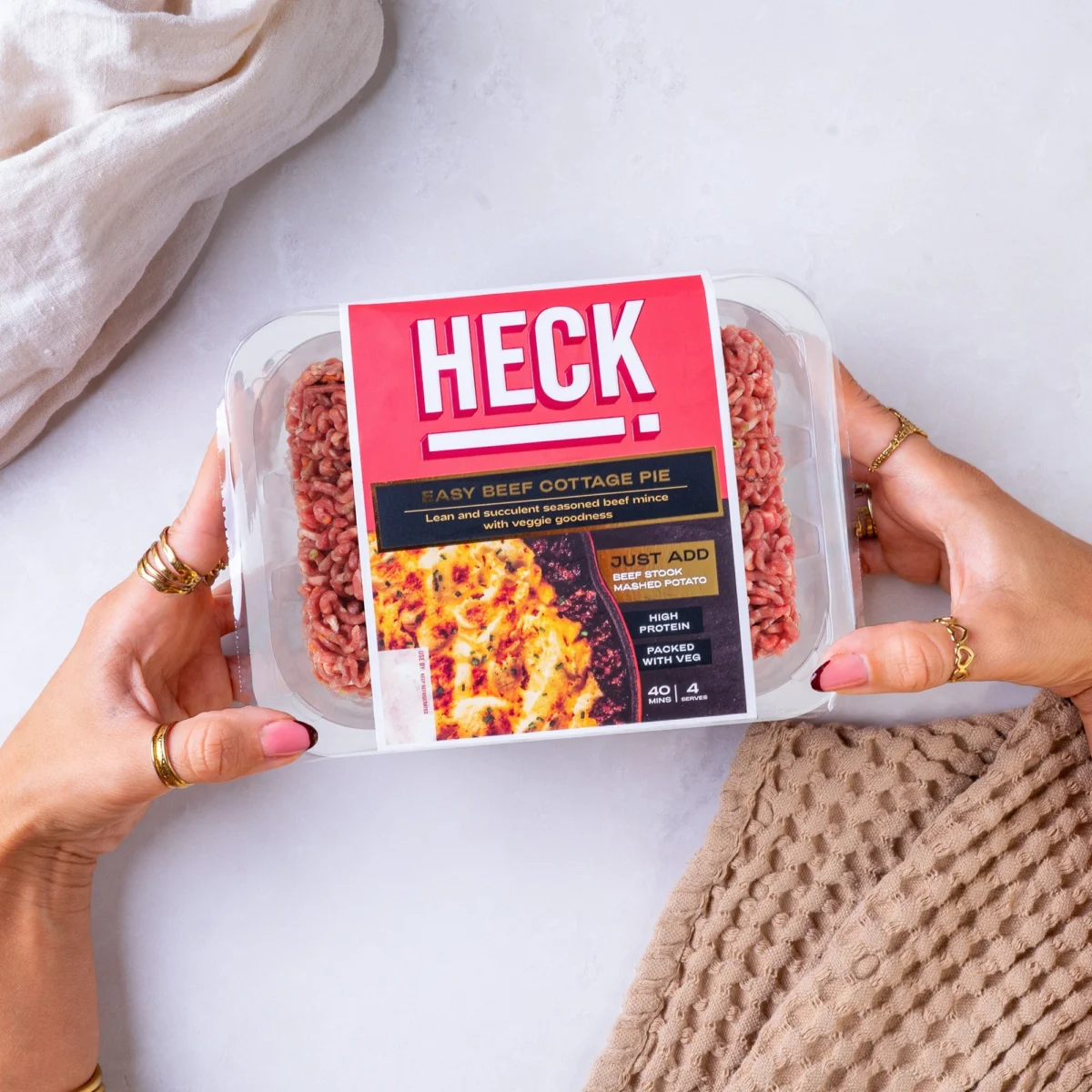
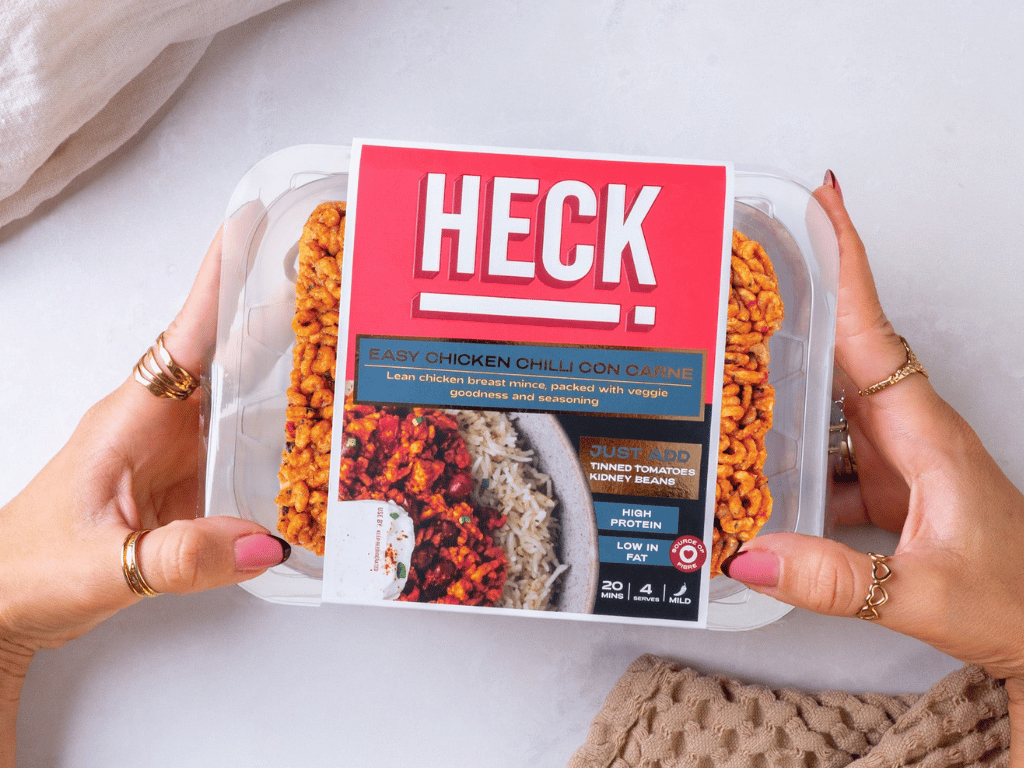
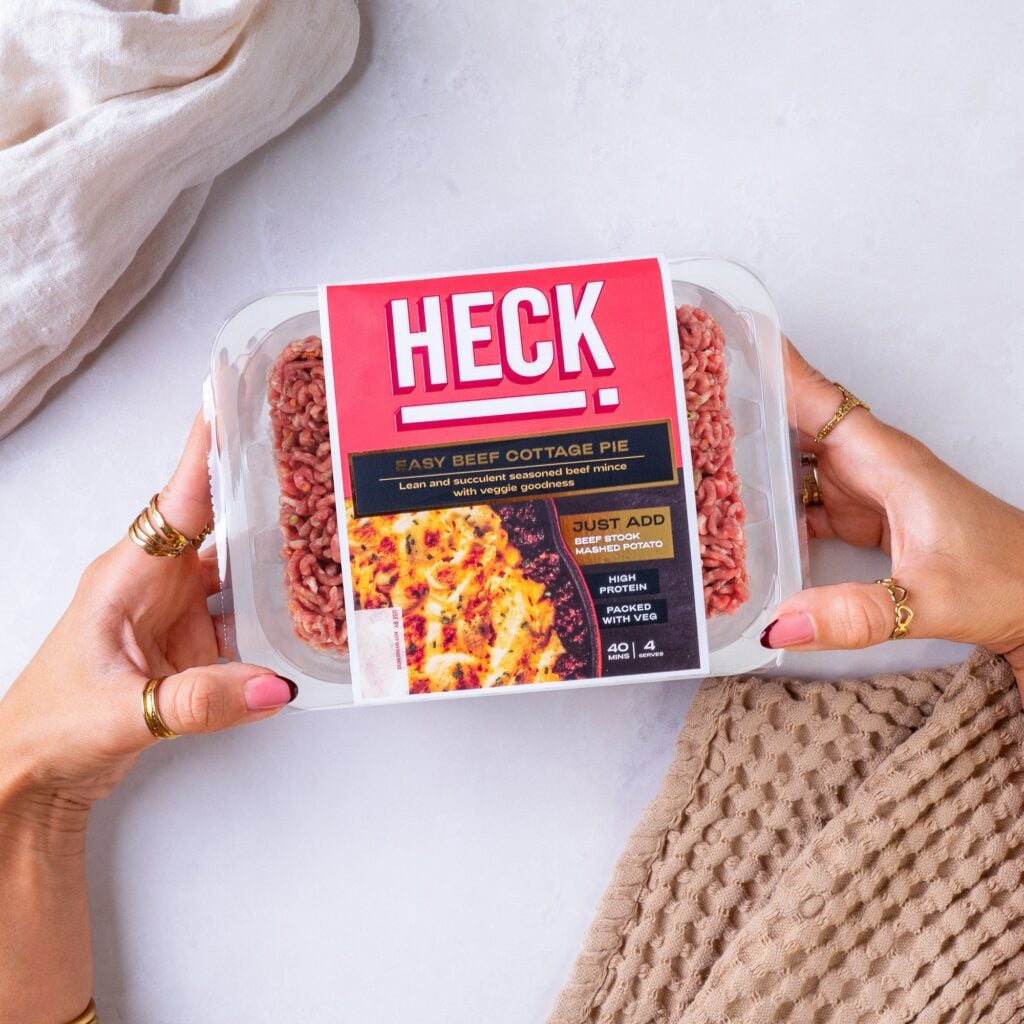
The newly introduced Easy Mince lineup includes three distinct stock-keeping units (SKUs): a chicken chili con carne, a beef and pork bolognese, and a beef cottage pie. By stepping into this emerging segment, Heck joins a growing cohort of food producers and retailers attempting to capture the middle ground between traditional animal agriculture and heavily processed meat alternatives. This rollout coincides with discount supermarket giant Lidl introducing its own-label blended meat range, signaling that hybrid protein products are rapidly transitioning from niche market experiments to mainstream retail staples across the UK.
Chronology of a Pivot: From Plant-Based Peak to Hybrid Pragmatism
To understand Heck’s current strategic pivot, one must examine the trajectory of the UK alternative protein market over the past half-decade. In 2021, at the zenith of the plant-based boom, Heck launched its initial flexitarian product line featuring a 60/40 ratio of meat to vegetables across various sausages, burgers, and mince options. At that time, consumer enthusiasm for meat-free alternatives was surging, fueled by environmental concerns, animal welfare advocacy, and aggressive venture capital investment in novel food technologies.
However, consumer behaviors and market dynamics shifted considerably in the intervening years. High inflation, cost-of-living pressures, and a growing skepticism regarding the ultra-processed nature of many commercial meat substitutes led to a contraction in sales for dedicated plant-based proteins. Concurrently, sales of whole-food plant products, such as traditional legumes, beans, and fresh vegetables, experienced steady growth.
Recognizing these shifting winds, Heck made the pragmatic business decision in December to discontinue its dedicated plant-based chipolata sausages. Rather than abandoning the reduction of meat consumption altogether, leadership recognized that consumers were not necessarily looking for synthetic replicas of meat, but rather practical, everyday ways to incorporate more plants into their diets without sacrificing the familiar taste, texture, and culinary satisfaction of animal protein. This realization laid the groundwork for the development of the Easy Mince range, culminating in its official retail release this autumn.
Nutritional Architecture and Culinary Convenience
The formulation of Heck’s Easy Mince range reflects a deliberate departure from the standard industry practice of utilizing textured soy, wheat protein, or mycoprotein as extenders. Instead, the company has chosen to center whole vegetables and nutrient-dense legumes, aligning its products closely with current nutritional science and public health recommendations.
Each offering in the three-strong range is pre-seasoned and designed to minimize preparation time for time-poor consumers, effectively bridging the gap between raw ingredients and convenience foods.
The chicken chili con carne SKU utilizes ground lean chicken breast and thigh combined with red pepper, kidney beans, onions, pea flour, citrus fiber, and an array of herbs and seasonings. From a nutritional standpoint, a 100-gram serving delivers 19 grams of protein, 4 grams of dietary fiber, and a remarkably low 0.5 grams of saturated fat.
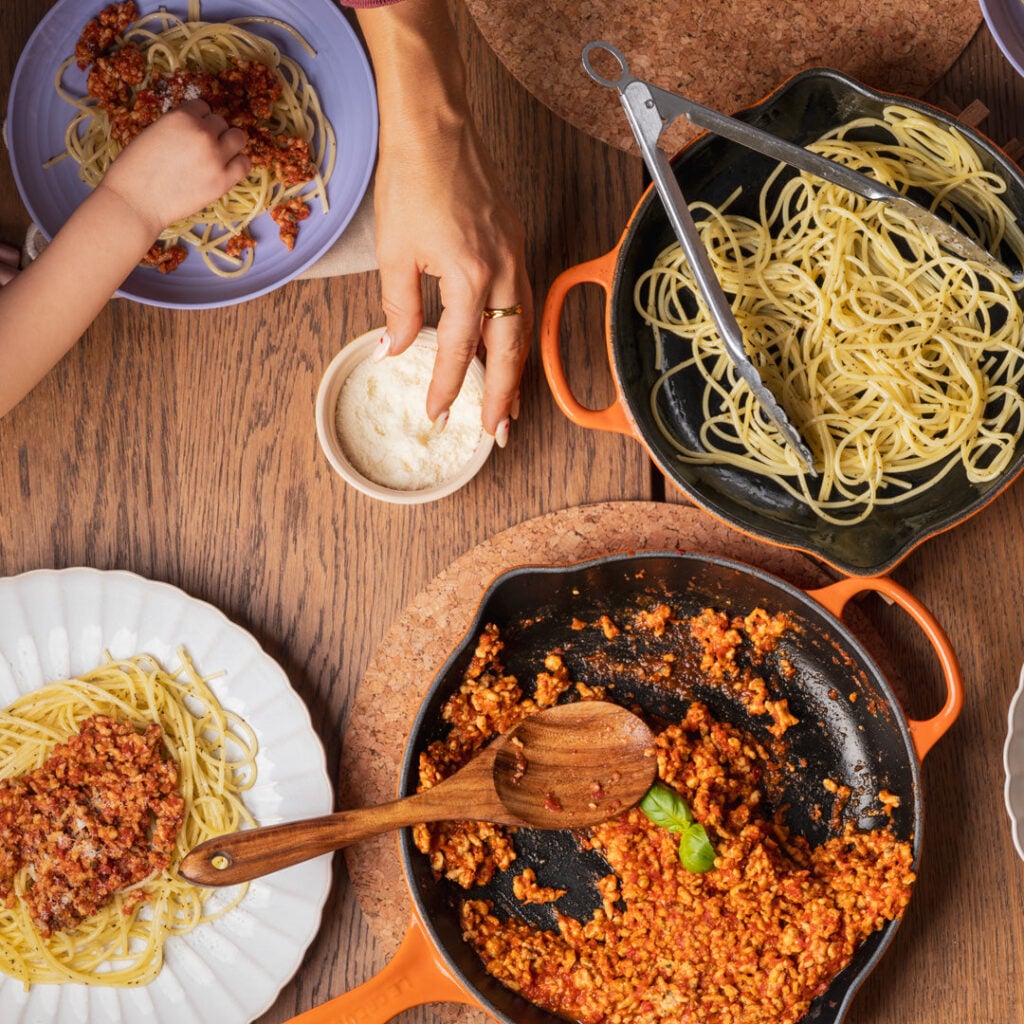
The beef and pork bolognese blends 42% beef and 28% pork with lentils, pea flour, oven-dried tomatoes, onions, basil, citrus fiber, mozzarella, oregano, and traditional seasonings. This formulation yields 17 grams of protein, 3 grams of fiber, and slightly over 3 grams of saturated fat per 100 grams.
Rounding out the trio is the beef cottage pie product, which pairs beef with peas, carrots, onions, tomato purée, citrus fiber, pea flour, herbs, and a touch of dried red wine. This option provides 17 grams of protein, 2.5 grams of fiber, and 3.5 grams of saturated fat per 100 grams.
Jamie Keeble, co-founder of Heck, emphasized the consumer-centric rationale behind the design of the range. Mince traditionally serves as a cost-effective cornerstone for family meals, yet modern shoppers often face decision fatigue when deciding how to season and supplement it with adequate vegetables and fiber. By pre-blending these components, the company aims to remove friction from the cooking process while preserving the tactile pleasure of home-cooked meals.
Broader Market Context: Fibermaxxing, Gut Health, and GLP-1 Dynamics
The timing of Heck’s hybrid launch is underscored by significant shifts in consumer health awareness. Recent market data indicates that approximately 13% and 14% of British consumers have actively prioritized increasing their dietary intake of fiber and protein, respectively, over the past year. This behavioral shift is part of a broader cultural focus on digestive wellness and preventative healthcare.
Driven by heightened awareness of gut health and the widespread cultural phenomenon surrounding GLP-1 weight-loss medications like Ozempic, consumers are increasingly scrutinizing the nutritional quality of their food. Health trends such as "fibermaxxing" on social media and the "30-plants-a-week" movement highlight a growing desire for diverse, whole-food nutrition. These trends throw into sharp relief a persistent nutritional gap: public health studies reveal that an overwhelming 96% of UK consumers fail to meet the government’s recommended daily dietary fiber intake.
Blended meat products offer a compelling functional solution to this deficiency. By integrating nutrient-rich legumes and vegetables directly into animal protein matrices, manufacturers can significantly reduce saturated fat and cholesterol levels while simultaneously introducing meaningful amounts of dietary fiber—a nutrient virtually absent in traditional 100% meat mince products. Furthermore, these hybrid offerings frequently match or exceed the protein content of conventional meat at equivalent or lower price points, enhancing their appeal during periods of sustained economic constraint.
Consumer Receptivity and Retailer Adoption
Market research commissioned across the sector indicates fertile ground for this category. Surveys reveal that roughly three in five consumers in the UK express a willingness to purchase and consume blended meat products, provided they maintain high standards of taste and affordability. Within this demographic, sausages emerge as the preferred application for hybrid formulations, favored by nearly half of respondents, followed closely by minced meat at 33% and burgers at 15%.
Supermarket reactions mirror this rising consumer openness. The simultaneous rollout of Lidl’s private-label high-protein blended meat range—which utilizes pea protein to boost protein content by at least 20% across conventional beef, pork, and poultry lines—demonstrates that major food retailers view hybrid proteins as a strategic growth vector. Unlike previous iterations of alternative proteins that sought to entirely replace the livestock industry, blended meat operates as a collaborative bridge, allowing meat-eaters to incrementally improve their nutritional profiles without radically altering their culinary identities.
Future Outlook and Technological Frontiers
As food producers navigate the complexities of sustainability, climate targets, and shifting dietary habits, the blended meat category is widely expected to expand beyond basic vegetable and legume inclusions. Environmental life-cycle assessments consistently demonstrate that hybrid proteins generate lower greenhouse gas emissions and require significantly less land and water than traditional beef production, making them an attractive proposition for food companies seeking to meet corporate sustainability mandates.
Heck, for its part, is already looking toward the next frontier of hybrid innovation. Earlier this year, company leadership confirmed that the firm is actively exploring advanced product concepts that combine conventional animal proteins with cultivated or lab-grown proteins. Such developments suggest that the definition of blended meat will continue to evolve, moving from traditional botanical additions toward sophisticated cellular integrations.
For now, however, the immediate focus for Heck and its retail competitors centers on the domestic kitchen. By delivering familiar, comforting meals enhanced with hidden fiber and reduced saturated fats, the hybrid meat sector is betting that convenience, health, and taste can successfully coexist on the modern dinner plate.
