
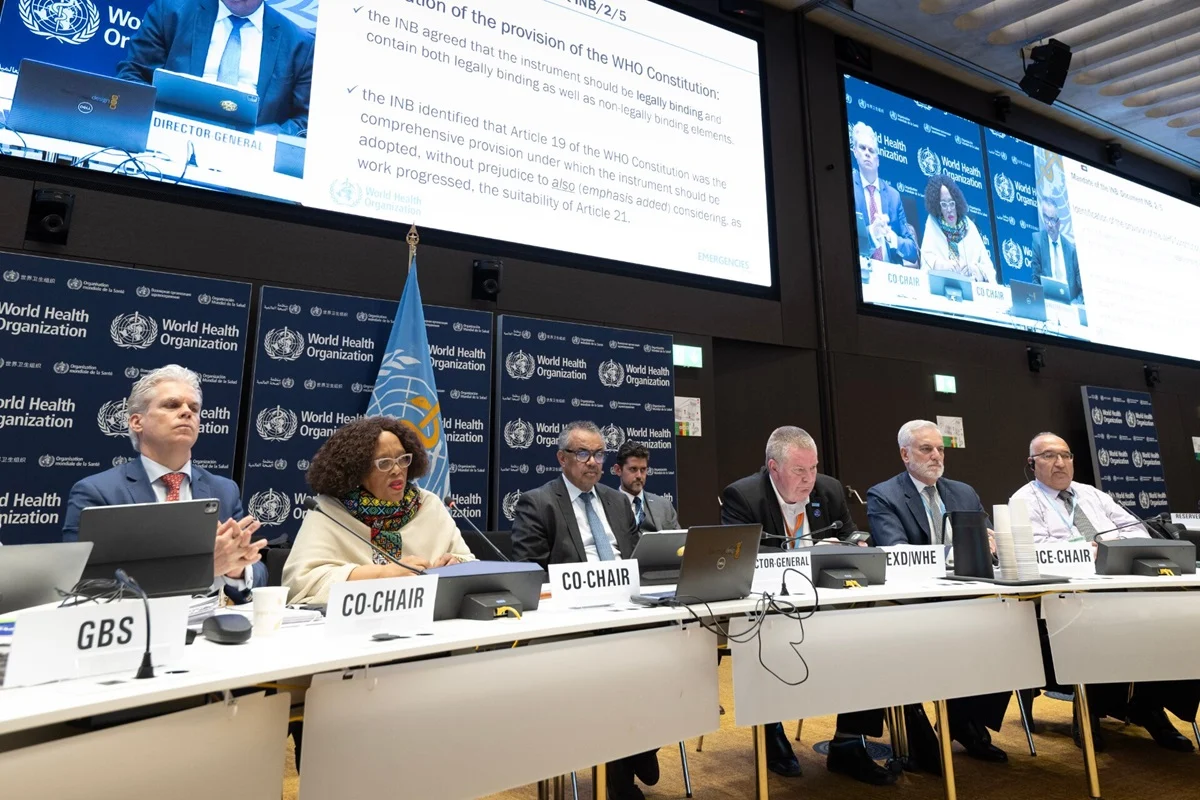
Governments from across the globe have reached a critical consensus to continue high-stakes negotiations regarding a proposed international pandemic agreement, signaling a collective commitment to finalize the draft document before the Seventy-seventh World Health Assembly, which is scheduled to commence on May 27, 2024. Meeting at the World Health Organization (WHO) headquarters in Geneva, member states have pledged to engage in a series of hybrid and in-person discussions over the coming weeks to resolve complex, unresolved issues that remain central to the accord. These negotiations represent the most significant effort in modern history to codify global health security protocols into a legally binding international instrument.
The Scope of the Proposed Agreement
At the heart of these deliberations is the creation of a robust framework designed to address the systemic failures exposed during the COVID-19 pandemic. The proposed treaty focuses on three primary pillars of global health security: a systematic approach to pathogen access and benefit-sharing (PABS), which aims to ensure equitable distribution of vaccines, diagnostics, and life-saving therapeutics; a comprehensive strategy for pandemic prevention rooted in the "One Health" approach, acknowledging the intersection between human, animal, and environmental health; and a sustainable financial architecture to enhance the pandemic preparedness and response capabilities of low- and middle-income countries.
The urgency of these discussions is underscored by the reality that the next global health threat is not a hypothetical scenario but a statistical inevitability. The objective is to transition from an ad-hoc, reactive global posture to a structured, anticipatory system that minimizes the loss of life and economic disruption that characterized the 2020-2023 period.
A Chronology of the Global Response
The impetus for this treaty originated from the collective trauma of the COVID-19 pandemic, which resulted in millions of deaths and trillions of dollars in global economic loss. The timeline of this diplomatic undertaking is as follows:
- March 2021: Heads of state and government from 24 countries issued a formal statement of commitment, calling for a new international treaty on pandemic preparedness and response to ensure global solidarity.
- December 2021: WHO Member States formally decided to establish an Intergovernmental Negotiating Body (INB) to draft and negotiate a legally binding convention, agreement, or other international instrument.
- 2022–2023: The INB conducted multiple rounds of intensive negotiations, navigating complex geopolitical landscapes and disparate national priorities.
- February 2024: Negotiations intensified as the deadline for the Seventy-seventh World Health Assembly approached, necessitating a more rigorous schedule of deliberations.
- May 2024: The current target date for the submission of the final draft to the World Health Assembly for consideration.
Data and Economic Imperatives
The economic case for a pandemic treaty is supported by significant data regarding the fiscal impact of health crises. According to World Bank estimates, the COVID-19 pandemic induced a global recession, with the global economy shrinking by approximately 3.4% in 2020. The cost of inaction is exponentially higher than the cost of implementation; the WHO has noted that investing in primary health care and preparedness could prevent or mitigate the impact of future pathogens, potentially saving the global economy trillions of dollars in the long term.
Furthermore, the "benefit-sharing" component of the treaty addresses a significant point of contention: the "vaccine apartheid" observed during the initial rollout of COVID-19 vaccines. In 2021, while high-income nations achieved near-universal vaccination coverage, many low-income nations had vaccinated less than 5% of their populations. The proposed treaty seeks to formalize commitments to technology transfer, patent pooling, and supply chain transparency to prevent such inequities in future health emergencies.
Official Perspectives and Diplomatic Challenges
Dr. Tedros Adhanom Ghebreyesus, the WHO Director-General, has characterized the negotiations as a "generational agreement." He emphasized that member states have demonstrated an "unwavering commitment" to preventing a repeat of the horrors of the COVID-19 pandemic. From the perspective of the WHO leadership, the treaty is not merely a bureaucratic document but a moral necessity to ensure the health security of future generations.
The INB Bureau, led by Co-Chairs Dr. Precious Matsoso of South Africa and Mr. Roland Driece of the Netherlands, serves as the steering committee for this process. Dr. Matsoso has highlighted the historic nature of these proceedings, noting that this is the first time the global community has attempted to codify pandemic response at this scale. "Getting this done means getting it right," she stated during the recent press briefing in Geneva.
Mr. Driece echoed this sentiment, emphasizing that the sovereign states involved have moved past the initial reluctance often associated with international mandates to focus on the common threat of viral evolution. He noted that while negotiations have been "challenging at times," the fundamental consensus remains that the world cannot afford to return to the status quo ante.
Analytical Implications: The Future of Global Health Governance
The success of this treaty will hinge on the willingness of member states to cede a degree of national autonomy in exchange for collective security. Historically, international health regulations have faced challenges regarding compliance and enforcement. The proposed agreement faces several hurdles:
- Sovereignty vs. Surveillance: Balancing the need for rapid, transparent reporting of new pathogen outbreaks with national security concerns remains a delicate negotiation point.
- Funding Models: Determining who pays for the "Global North-to-South" transfer of technology and capacity-building remains a point of contention among major donor nations and developing economies.
- Pathogen Access: Creating a system that rewards countries for sharing genetic sequences of emerging pathogens while ensuring that the resulting medical countermeasures are accessible to the contributing nations is a complex intellectual property challenge.
If successful, the treaty could establish a permanent secretariat or oversight mechanism within the WHO, providing a more robust structure for coordination than the current International Health Regulations (IHR) provide. However, if the negotiations fail to produce a consensus that satisfies both the demands for equity from developing nations and the security requirements of industrialized powers, the international community may face a fragmented, less-prepared landscape for the next "Disease X."
The Road to the Seventy-seventh World Health Assembly
As the delegates return to their respective capitals to refine their national positions, the focus shifts to the final pre-Assembly sessions. These weeks are critical; the draft text must be refined to eliminate ambiguous language that could lead to non-compliance.
The political pressure is mounting. Civil society organizations and global health advocates are watching closely, urging governments to prioritize the needs of the most vulnerable. Simultaneously, industry stakeholders are monitoring the negotiations for implications regarding vaccine development, patent protections, and supply chain regulations.
The upcoming World Health Assembly will not only be a test of the WHO’s convening power but also a litmus test for the state of global multilateralism. In an era of increasing geopolitical tension, the ability of member states to unite around a common health protocol may serve as a bellwether for the effectiveness of international organizations in the 21st century.
Regardless of the immediate outcome in May, the process itself has irrevocably changed the conversation around global health. By acknowledging that a pandemic is a global threat that requires a global, binding, and coordinated response, member states have taken the first step toward a more resilient architecture for health. The challenge remains the transition from rhetoric to regulation, and from commitment to compliance. As the world watches the developments in Geneva, the objective remains clear: to ensure that the next time a pathogen threatens the global order, the world is equipped, coordinated, and capable of a unified response.
