
The Government of Ireland has solidified its position as a vanguard in global health policy by pledging €12.5 million to the World Health Organization (WHO), a move specifically designed to catalyze the integration of digital solutions into the delivery of assistive technology (AT). This strategic investment aims to confront a mounting global crisis: currently, 2.5 billion people worldwide require assistive products—such as hearing aids, wheelchairs, and communication devices—to function independently, yet a vast majority of these individuals lack access to the tools they need to participate fully in society.
This financial commitment, finalized in March 2024 by Anne Rabbitte, T.D., Minister of State at the Department of Children, Equality, Disability, Integration and Youth, marks a pivot toward a technology-driven framework for health equity. By leveraging digital platforms to streamline supply chains, train medical personnel, and provide information to users, Ireland is helping the WHO operationalize a vision where assistive technology is treated not as a luxury, but as an essential component of Universal Health Coverage (UHC).
A Chronology of Cooperation: From Reporting to Action
The partnership between Ireland and the WHO regarding assistive technology did not emerge in a vacuum. It is the culmination of years of collaborative research, high-level advocacy, and policy alignment.
The trajectory began in earnest in 2022, when then-Taoiseach Micheál Martin, alongside leaders from the WHO and UNICEF, launched the landmark "Global Report on Assistive Technology." That document served as a diagnostic tool for the international community, providing the first comprehensive overview of the global state of AT. It highlighted that the need for such technology is not merely a matter of convenience, but a fundamental human right linked to autonomy and dignity.
Following the report, Ireland sought to move from diagnostic observation to practical implementation. The 2024 donation acts as the primary funding vehicle for a five-year initiative. This program is designed to move beyond the theoretical findings of the 2022 report, focusing instead on developing "national health system models" that explicitly integrate assistive technology into primary and community care. This five-year roadmap includes pilot programs, infrastructure development for digital tracking of AT supplies, and the creation of standardized, evidence-based guidance for Member States to follow.
The Global Burden: Why the Intervention is Necessary
The scale of the challenge addressed by this initiative is immense. Demographic shifts, characterized by rapidly aging populations in both developed and developing nations, ensure that the demand for assistive technology is projected to rise sharply. By 2050, the WHO estimates that 3.5 billion people will require at least one form of assistive product.
Noncommunicable diseases—including diabetes, stroke, and dementia—further drive this requirement. As these chronic conditions become more prevalent, the traditional, localized models of providing care are proving insufficient. The current global landscape is defined by a paradox: while medical science has advanced the quality of assistive devices, the logistical barriers to getting these products into the hands of the end-user remain high. These barriers include prohibitive costs, lack of trained personnel to fit or calibrate devices, and a lack of awareness among potential users regarding their rights and options.

Official Perspectives and Strategic Objectives
Minister Anne Rabbitte’s remarks during the announcement underscored the urgency of the situation. She highlighted that the initiative is not just about the technology itself, but about the systemic fragility of global healthcare. "The present risk of rising health needs coupled with a decreasing pool of health and social care professionals globally reveals an urgent need for all of us to act now," Rabbitte stated. By focusing on digital training for health workers, the initiative seeks to alleviate the strain on the human workforce, allowing primary care providers to screen and refer patients for AT more efficiently.
Dr. Yukiko Nakatani, WHO Assistant Director-General for Access to Medicines and Health Products, echoed this sentiment, framing the Irish contribution as a vital step in honoring the 2018 World Health Assembly resolution. That resolution mandated the WHO to spearhead global efforts to improve AT access. Dr. Nakatani emphasized that the partnership serves as a practical application of the “Health for All” mandate, using digital tools to ensure that individuals in remote or underserved areas are not excluded from the benefits of modern innovation.
The Role of Digital Technology in Universal Health Care
The core of the Irish-funded program is the digitization of the assistive technology ecosystem. This involves three primary technical pillars:
- Digital Literacy and Information Access: Many potential users of assistive technology do not know what is available or how to navigate the bureaucracy required to obtain it. The program will support the development of digital platforms that act as hubs for information, guiding users through the selection and procurement process.
- Supply Chain Management: One of the most common points of failure in AT distribution is the lack of inventory visibility. Digital tracking systems will allow health ministries to monitor the availability of products in real-time, preventing the "stock-outs" that frequently disrupt care for patients with disabilities.
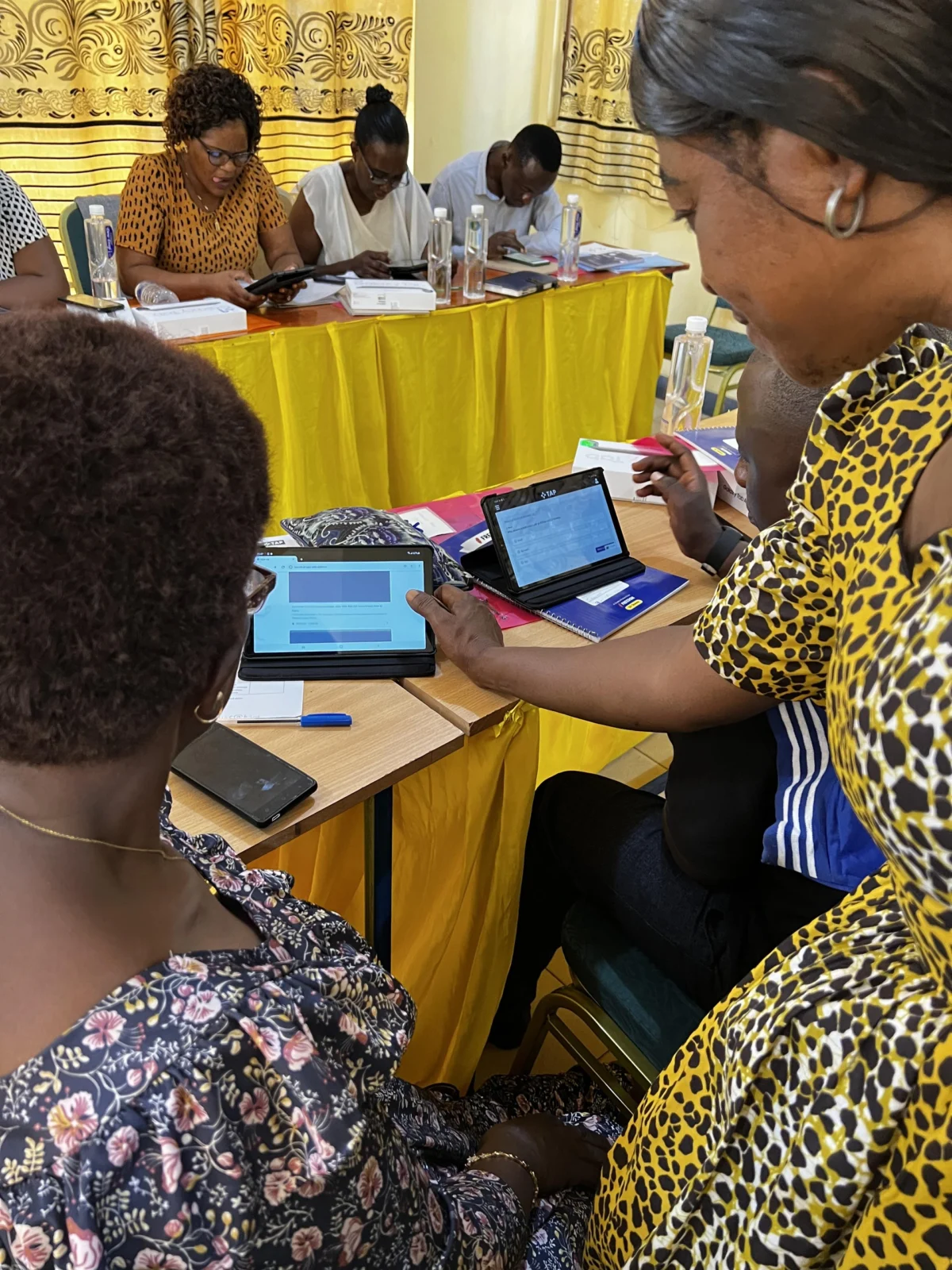
- Virtual Capacity Building: The project draws on successful pilot programs in regions like Tanzania, where health personnel have utilized online training modules to gain the skills necessary for distributing basic assistive products. By using communication apps to facilitate mentorship between remote health workers and experts, the program effectively scales the knowledge base without requiring physical travel or centralized training centers.
Implications for Global Public Health Policy
The implications of this initiative extend far beyond the immediate provision of glasses or wheelchairs. By embedding assistive technology into the standard definition of Universal Health Care, Ireland and the WHO are signaling a shift in how public health is viewed. Traditionally, healthcare systems have focused on acute care—treating illnesses and injuries to ensure survival. This new approach advocates for a "person-centered" model that prioritizes long-term functioning and societal participation.
Furthermore, the focus on digital solutions represents a modern response to the "inverse care law," which posits that those in the greatest need of medical care are often those with the least access to it. Digital platforms can bypass geographical barriers, allowing for a more equitable distribution of resources.
However, the transition is not without its hurdles. The success of these digital initiatives will depend on local infrastructure, such as internet connectivity and the availability of power in rural health facilities. The WHO-led program will therefore need to ensure that its "evidence-based guidance" is adaptable to varying levels of digital maturity across different Member States.
A Legacy of Inclusion
As the program moves into its active phase, the focus remains on the "leave no one behind" philosophy. For an older person losing their mobility, a walker is not just a tool; it is a gateway to the community. For a student with a visual impairment, a screen reader is not just software; it is the foundation of their education. By investing in the systems that make these technologies affordable and available, the Government of Ireland is fostering a global environment where personal limitations do not equate to social exclusion.
The €12.5 million contribution serves as more than just a financial grant; it is a catalyst for policy reform. As countries evaluate their own healthcare models in the wake of the pandemic, the emphasis on inclusive, technologically enabled, and accessible care—as championed by this partnership—will likely serve as a blueprint for the next generation of global health systems. The coming years will be critical in determining how effectively these digital solutions can be integrated into local health policies, but the framework established by the Irish government and the WHO provides a clear, actionable, and necessary path forward for the 2.5 billion people whose potential is currently limited by a lack of access.
