
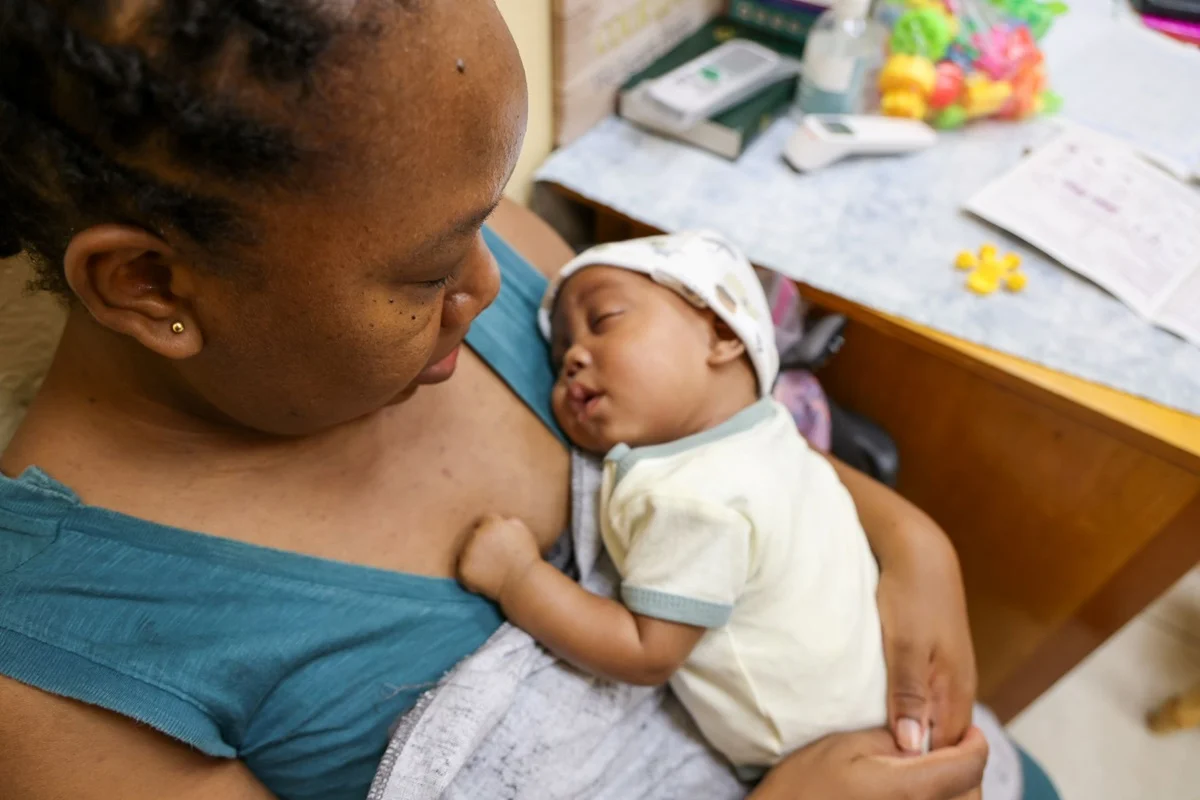
The World Health Organization (WHO) has officially certified The Bahamas as having eliminated the mother-to-child transmission (EMTCT) of HIV, marking a historic milestone for public health in the Caribbean. This achievement, announced following a rigorous validation process, places The Bahamas among an elite group of nations that have successfully neutralized one of the most persistent challenges in the global fight against the HIV/AIDS epidemic. The certification serves as a testament to the country’s long-term political resolve, the integration of specialized infectious disease protocols into primary healthcare, and the relentless efforts of frontline medical professionals across the Bahamian archipelago.
This recognition is not merely a symbolic victory but a functional validation of a healthcare system that has prioritized the health of its most vulnerable citizens. By ensuring that children are born free of HIV, The Bahamas has effectively secured a healthier trajectory for its next generation, aligning itself with the United Nations’ Sustainable Development Goals (SDGs) regarding the end of the AIDS epidemic as a public health threat by 2030. The Pan American Health Organization (PAHO) and the WHO have lauded the nation’s ability to maintain high standards of care despite the unique geographical challenges posed by its many islands and cays.
The Path to Certification: A Chronology of Progress
The journey toward this certification has been decades in the making, rooted in the early response to the HIV/AIDS crisis that heavily impacted the Caribbean region in the 1980s and 1990s. At the height of the epidemic, the Caribbean had the second-highest HIV prevalence rate in the world, trailing only Sub-Saharan Africa. The Bahamas, recognizing the existential threat to its population, began formalizing its National HIV/AIDS Programme in the late 20th century, focusing on surveillance, treatment, and public education.
In the early 2000s, the introduction of highly active antiretroviral therapy (HAART) revolutionized the treatment landscape. The Bahamas was among the regional leaders in adopting these therapies, specifically targeting pregnant women to prevent vertical transmission. By the mid-2010s, the country had significantly lowered its transmission rates, prompting a shift in strategy toward formal "elimination" status. This required not only low transmission numbers but also the institutionalization of data collection and healthcare delivery systems that could prove the sustainability of these results.
Between 2020 and 2023, despite the immense pressure placed on the national health infrastructure by the COVID-19 pandemic, The Bahamas maintained its rigorous screening and treatment protocols for expectant mothers. The WHO validation process involved a comprehensive review of clinical data, laboratory capacity, and human rights protections, ensuring that the services provided were not only effective but also equitable and accessible to all residents.
The Architecture of Success: How The Bahamas Achieved Elimination
The success of The Bahamas is built upon a comprehensive and inclusive healthcare model that removes barriers to entry for pregnant women. A primary pillar of this strategy is the provision of universal antenatal care. In The Bahamas, all pregnant women—regardless of their nationality, legal status, or socioeconomic background—have access to healthcare services in both public and private facilities. This "no-one-left-behind" approach is critical in public health, as it prevents the emergence of "blind spots" in disease surveillance and ensures that every potential case of HIV is identified and managed.
The technical backbone of the elimination strategy includes a robust, integrated laboratory network. The national protocol mandates a rigorous dual-testing schedule: women are screened for HIV at their first antenatal appointment and again during their third trimester. This "repeat testing" strategy is vital for identifying women who may have contracted the virus during pregnancy, a period when the risk of transmission to the fetus is exceptionally high if left untreated.
Furthermore, the Bahamas has successfully integrated its Maternal and Child Health (MCH) program with the National Infectious Disease Programme. This integration ensures that a woman’s journey from diagnosis to treatment is seamless. Key interventions include:
- Pre-Exposure Prophylaxis (PrEP): The Bahamas has been a regional pioneer in offering PrEP to pregnant women who are at high risk of contracting HIV, providing an additional layer of biological protection.
- Multi-Month Dispensing: To ensure continuity of care and high adherence rates, the health system provides multi-month supplies of antiretroviral medicines (ARVs), reducing the burden of frequent clinic visits for mothers.
- Free Services: Treatment for sexually transmitted infections (STIs) and comprehensive family planning services are offered free of charge, ensuring that financial constraints do not impede health outcomes.
- Continuous Monitoring: Exposed infants are monitored through a specialized registry until their status is definitively confirmed, ensuring that those who might be born with the virus receive immediate life-saving care.
Regional Leadership and Global Context
With this certification, The Bahamas joins a prestigious group of 12 countries and territories in the Region of the Americas that have achieved EMTCT certification. The region has long been a global leader in this movement, with Cuba becoming the first country in the world to be certified in 2015. Other certified nations include Anguilla, Antigua and Barbuda, Bermuda, the Cayman Islands, Montserrat, Saint Kitts and Nevis, and most recently, Brazil in 2023.
The success of the Americas is largely attributed to the "EMTCT Plus" initiative. This framework, developed by PAHO, aims to eliminate mother-to-child transmission of four major diseases: HIV, syphilis, hepatitis B, and congenital Chagas disease. By addressing these conditions through a single, integrated maternal-child health framework, countries can maximize their resources and improve overall health outcomes for mothers and infants. The Bahamas’ achievement is a core component of this broader regional effort to eliminate more than 30 communicable diseases by 2030.
Official Reactions from Global Health Leaders
The international health community has reacted with high praise for the Bahamian government and its healthcare workers. Dr. Tedros Adhanom Ghebreyesus, WHO Director-General, emphasized the long-term impact of this milestone. "I congratulate The Bahamas on this outstanding achievement, which solidifies years of political commitment and the dedication of health workers," Dr. Tedros stated. "By ensuring that children are born free of HIV, we are securing a healthier, brighter future for the next generation."
Dr. Jarbas Barbosa, Director of PAHO and WHO Regional Director for the Americas, highlighted the role of national leadership. "This achievement reflects sustained political commitment and strong national leadership, alongside the dedication and compassion of the health workforce," said Dr. Barbosa. He noted that the milestone provides an opportunity to build on this success and advance efforts to end HIV and other communicable diseases across the entire Caribbean.
Representing the local perspective, Dr. Michael Darville, Minister of Health and Wellness of The Bahamas, credited the success to the collective effort of the archipelago’s medical staff. "For years, The Bahamas has been working very hard to address the situation of HIV/AIDS," Dr. Darville noted. "A lot of people have been involved in us achieving this great milestone—our nurses in our public health system, our nurses and doctors in our tertiary healthcare system and, by extension, all of the clinics spread throughout our archipelago."
From the perspective of international agencies focusing on children and human rights, Anurita Bains of UNICEF and Winnie Byanyima of UNAIDS both remarked on the inspirational nature of the achievement. Byanyima pointed out that the Bahamian model proves that elimination is possible when there is a "steady investment in primary health care" and when women are empowered to "test early in pregnancy and stay in care."
Broader Public Health Implications and Future Outlook
The certification of The Bahamas has significant implications for public health policy throughout the Caribbean. It demonstrates that small island developing states (SIDS) can achieve world-class health outcomes through strategic planning and international cooperation. The "Bahamian Model"—characterized by its geographic inclusivity and the removal of legal barriers to care—serves as a blueprint for other nations still working toward elimination.
However, the WHO and PAHO have cautioned that certification is not the end of the journey, but rather the beginning of a new phase of vigilance. To maintain its status, The Bahamas must ensure that its surveillance systems remain sensitive and that its healthcare funding remains stable. This involves:
- Sustaining High Testing Coverage: Ensuring that more than 95% of pregnant women continue to be tested for HIV and syphilis.
- Maintaining Treatment Suppression: Ensuring that the vast majority of pregnant women living with HIV have access to ARVs and achieve viral suppression, which virtually eliminates the risk of transmission during birth.
- Addressing Migration and Transit: As a hub for regional migration, The Bahamas must continue to provide care to non-nationals to prevent the re-introduction of high transmission rates.
- Integrating Mental Health and Social Support: Moving beyond clinical treatment to provide the social and psychological support necessary for mothers living with HIV to thrive.
The economic implications are also noteworthy. By preventing vertical transmission, the state avoids the lifelong costs associated with treating pediatric HIV, which include specialized medications, frequent hospitalizations, and potential loss of economic productivity. More importantly, it upholds the fundamental human right of every child to be born healthy.
As the global community looks toward the 2030 deadline for the Sustainable Development Goals, The Bahamas stands as a "beacon of progress," as described by UNICEF officials. Its success provides a powerful rebuttal to the notion that the elimination of communicable diseases is a goal reserved only for the world’s wealthiest nations. Through a combination of science, compassion, and political will, The Bahamas has rewritten the future for its children, proving that a generation free of HIV is not just a dream, but an achievable reality.
