

The global shift toward sustainable consumption, alternative proteins, and plant-forward gastronomy continues to accelerate at a remarkable pace. In this week’s roundup of sustainable food innovation developments, the industry is witnessing a diverse array of milestones. From prestigious culinary institutions adapting to modern dietary demands and media companies mainstreaming plant-based lifestyles, to critical advancements in mycelium fermentation, venture capital financing, and retail expansions, the ecosystem is maturing rapidly. This comprehensive review examines the key product launches, corporate developments, policy shifts, and financial investments shaping the future of food.
Culinary Education Embraces the Plant-Forward Movement
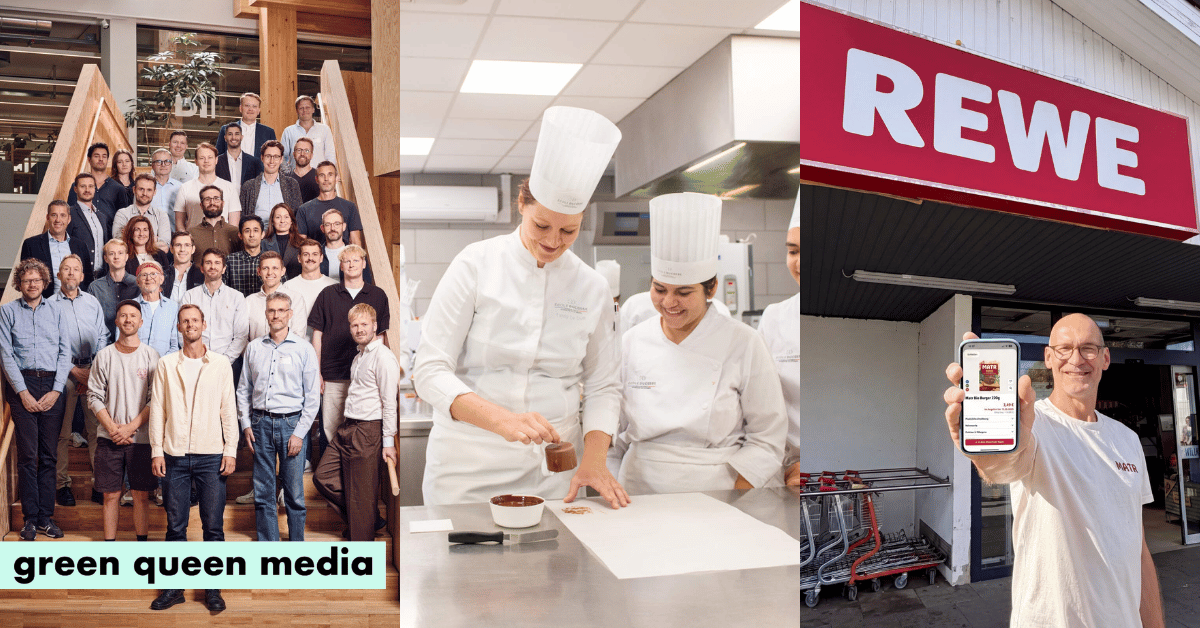
As consumer demand for sustainable, plant-centric diets moves from a fringe movement to a cornerstone of modern gastronomy, traditional culinary education is undergoing a necessary evolution. École Ducasse, the renowned French culinary school founded by Michelin-starred culinary legend Alain Ducasse, has officially announced the launch of three professional plant-forward gastronomy training programs, slated to begin in Spring 2027.
The curriculum represents a significant institutional validation of plant-based culinary arts. It includes an English-language course titled Essentials of Naturalité, which centers heavily on vegetable-led cooking techniques, flavor extraction, and zero-waste kitchen management. Additionally, the institution is introducing Vegan Pastry Essentials courses taught in both English and French, addressing one of the most technically challenging segments of plant-based baking. By equipping the next generation of professional chefs with advanced plant-forward skill sets, École Ducasse is helping bridge the gap between traditional French culinary techniques and modern, environmentally conscious dining.
Mainstreaming Plant-Based Content and Fast-Food Expansion

Beyond institutional kitchens, the cultural narrative surrounding plant-based eating is expanding rapidly into mainstream entertainment and retail. BuzzFeed’s widely popular online food brand, Tasty, has officially released its new original series titled Is It Vegan? Described as a hybrid format that blends food media, celebrity interviews, and a talk show, the series features R&B icon and certified plant-based chef LaTocha. By leveraging high-visibility digital media platforms, Tasty aims to demystify plant-based eating and demonstrate its approachability to a massive, global audience.
Simultaneously, the plant-based fast-food sector continues its physical footprint expansion. US-based vegan fast-food chain Slutty Vegan has announced plans for a new franchise location in Cincinnati, Ohio. While exact addresses and grand opening dates remain under wraps, the expansion highlights the enduring consumer appetite for indulgent, comfort-style plant-based dining experiences across America’s heartland.
Retail Innovations: From Dairy-Free Cheese to Functional Snacks

Retail shelves across North America and Europe are welcoming a wave of innovative product formulations designed to meet consumer demands for clean labels, functional health, and elevated taste profiles.
In the United States, dairy-free cheese startup Madly Hadley has secured national retail distribution across all Sprouts Farmers Market locations. The brand’s entire trio of plant-based parmesan flavors—original, ranch, and truffle—will now be available to shoppers nationwide, signaling growing mainstream retail confidence in artisanal, allergen-friendly cheese alternatives. Similarly, Midi Bites has expanded its refrigerated plant-protein snack footprint into Target stores nationwide, offering consumers convenient, high-protein bite options in almond, chocolate, peanut, and salted cashew crunch varieties.
In the dairy alternative sector, Ripple Foods has introduced a specialized, shelf-stable plant-based milk formulated specifically for toddlers aged 12 to 36 months. Available exclusively in the baby aisle of Walmart stores nationwide, the product comes in original and unsweetened varieties packaged in four-packs of eight-ounce cartons priced at $8.96. Nutritionally engineered to support early childhood development, each serving delivers eight grams of pea protein, alongside omega-3 fatty acids, choline, prebiotic fiber, and sixty percent of an infant’s recommended daily calcium intake.
International Markets See Fermentation and Plant-Protein Breakthroughs
European markets are experiencing a surge of novel protein entries, particularly in the categories of precision fermentation, mycelium, and clean-label dairy alternatives.
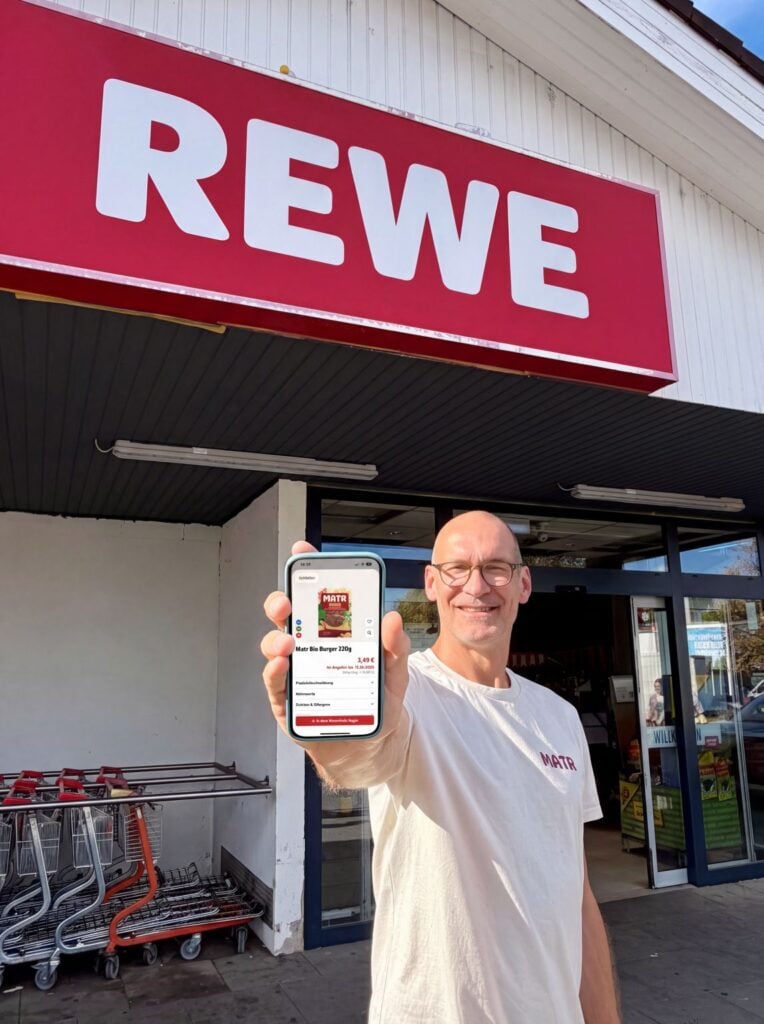
Danish mycelium meat pioneer Matr Foods has officially launched its innovative burger and mince products on Rewe Lieferservice’s online delivery platform, making its fungi-based whole-cut alternatives accessible to consumers across Germany. Matr Foods utilizes solid-state fermentation to transform side streams of the agricultural industry into nutrient-dense, clean-label meat substitutes with authentic texture and umami profiles.
In the United Kingdom, dairy-free brand Glebe Farm has expanded its popular PureOaty line with the introduction of a coconut oat milk SKU. The product relies on a minimalist formulation consisting of fifteen percent oats, water, coconut cream, and a touch of salt, catering to the rising consumer preference for clean-label, additive-free beverages.
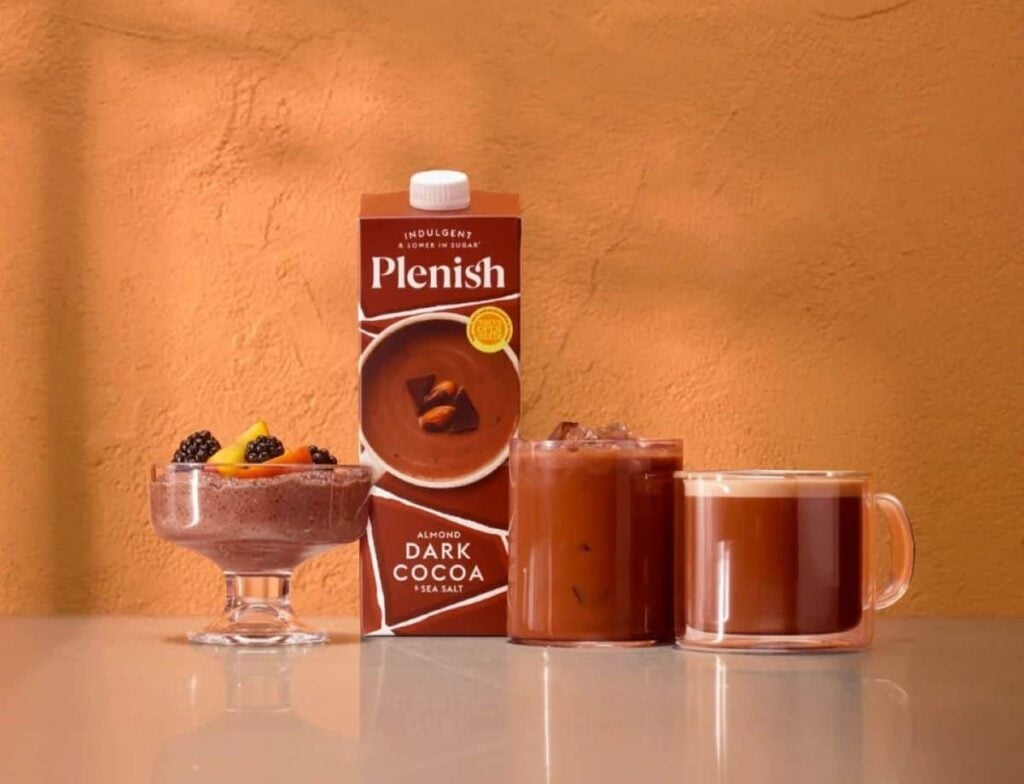
Meanwhile, Carlsberg-Britvic’s plant-based milk brand Plenish has introduced a dark cocoa and sea salt almond milk. Marking the brand’s first venture into flavored dairy alternatives, the product is developed in partnership with Tony’s Chocolonely’s ethical sourcing initiative, Tony’s Open Chain, ensuring ethically sourced cocoa. The one-liter packs are currently retailing on Ocado for £2.50.
Functional nutrition is also making headway. UK-based BrocStar has rolled out Dark Choc and Super Broccoli Coated Peanuts. The snacks utilize a proprietary broccoli powder that reportedly concentrates up to five times more bioactives than standard fresh broccoli, targeting metabolic health and active nutrition consumers.
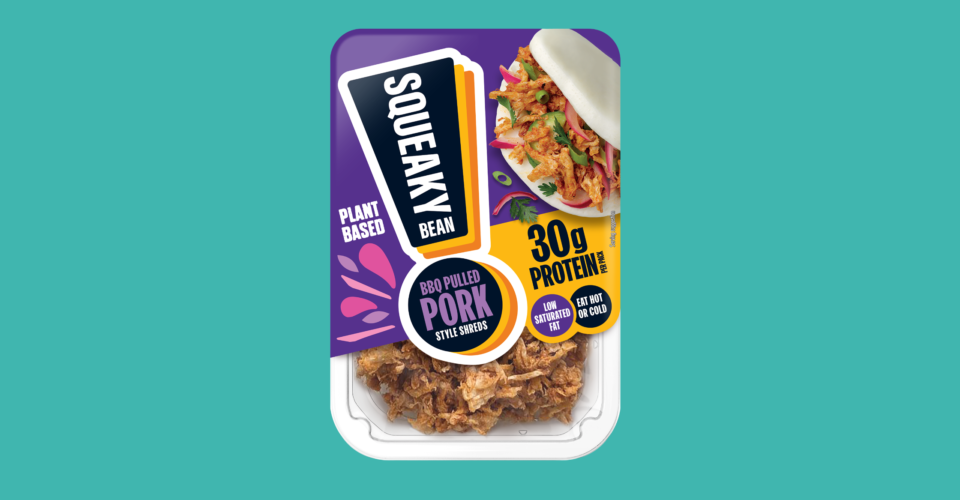
In the meat-alternative aisle, British plant-protein brand Tofoo & Co has unveiled a range of silken tofu, seitan frankfurters, and bratwurst across major UK supermarket chains including Tesco, Sainsbury’s, and Waitrose. Rival brand Squeaky Bean, owned by the Compleat Food Group, has introduced a first-to-market ready-to-eat BBQ pulled pork-style shred made from wheat protein. Containing thirty grams of protein per 120-gram pack, the product can be consumed hot or cold.
Switzerland-based plant-based meat leader Planted has expanded its portfolio with a high-protein mince SKU containing fifty-eight grams of protein per 320-gram pack, rolling out across retail shelves in Switzerland, Germany, and Austria. Concurrently, Swiss consumers gain access to the brand’s new Asian-style chicken strips.
Cross-Sector Innovation: Beauty Meets Climate Tech
The applications of sustainable food technology are increasingly bleeding into adjacent industries. Cosmetics manufacturer HCT Group has debuted a Shine Lip Oil and Renew Lip Scrub formulated with Climate Conscious Triglycerides, an ingredient developed by Californian startup Savor. Utilizing carbon-derived lipid technology, Savor produces direct, drop-in, palm-free replacements for conventional emollients such as caprylic/capric triglyceride, offering cosmetic brands a pathway to drastically reduce their carbon footprints without compromising product efficacy.
Legal, Financial, and Regulatory Milestones
While product innovation drives market growth, structural developments in finance, regulatory approvals, and legal accountability continue to define the maturity of the alternative protein sector.
In Canada, the Superior Court of Quebec has officially approved a C$7.5 million ($5.35 million) class-action settlement stemming from a 2024 product recall involving plant-based beverages produced by Danone’s Silk brand and Walmart’s Great Value brand. Affected consumers who experienced illness linked to the recalled products are now entitled to formal compensation under the court-approved settlement terms.
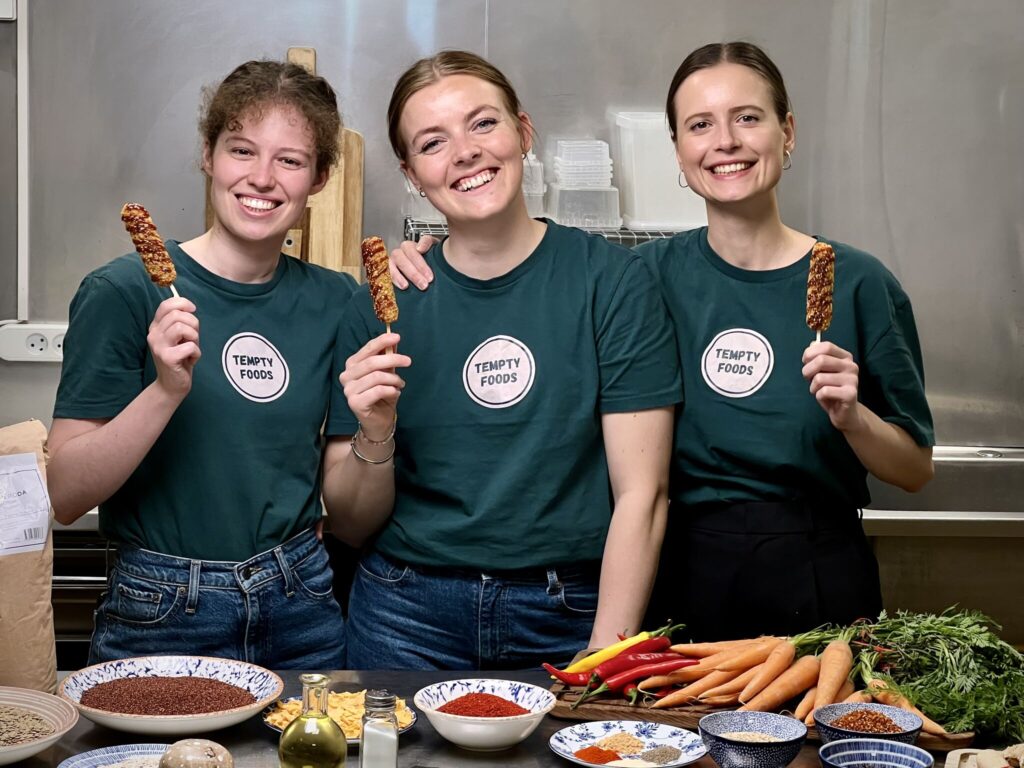
On the investment and corporate development front, Denmark’s Tempty Foods has been named Foodtech Company of the Year by the Foodtech Innovation Forum, validating its contributions to mycelium-based protein development. Fellow Danish biotech firm Launch Bioindustries secured 4.2 million kroner ($645,000) in convertible loans as one of seventeen recipients funded by the Novo Nordisk Foundation’s Bioinnovation Institute. The funding will support the company’s biotechnology platform, which converts organic agricultural waste into compostable bioplastics via advanced fermentation.
In India, plant-based protein snack startup Protein Pantry has successfully raised 9 crore rupees ($940,000) in a seed funding round led by Sharrp Ventures. The capital will be deployed toward establishing a dedicated manufacturing facility, advancing internal research and development, and optimizing the company’s regional supply chain.

In Finland, mycoprotein pioneer Enifer has officially commenced commissioning operations at its flagship industrial-scale facility in Kantvik. Situated near the Baltic Sea, the brownfield facility is engineered to produce volumes of mycoprotein protein equivalent to the yield of 30,000 dairy cows, while generating at least twenty times lower carbon emissions than traditional animal agriculture.
Finally, the Dutch food tech accelerator Food Pioneers is preparing to host the final pitch event for its 2026 program. Nineteen participating startups will compete for a share of €50,000 in growth capital, highlighting the ongoing commitment of venture incubators to nurture early-stage sustainable food technologies. As these diverse initiatives demonstrate, the transition toward a more sustainable global food system is advancing across all fronts—from classroom kitchens to industrial bioreactors and supermarket aisles.
