
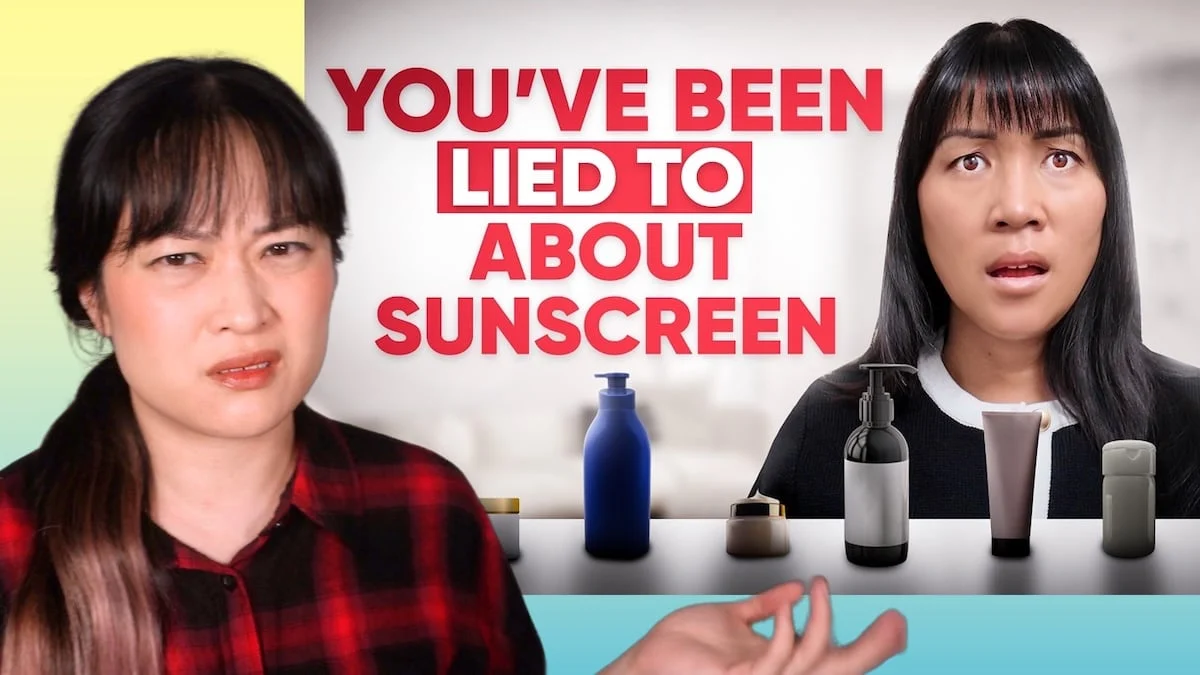
The claim that retinyl palmitate, a common vitamin A derivative found in sunscreens, increases the risk of skin cancer has been widely disseminated, notably by "clean beauty" advocacy groups such as the Environmental Working Group (EWG) in their annual sunscreen guides. This assertion recently gained renewed traction following a viral video by toxicologist Dr. Yvonne Burkart, titled “You’ve been lied to about sunscreen: Toxicologist reveals 6 things you should know about sunscreen,” where this concern was prominently featured as the primary point of contention. This article, building upon a collaborative response by cosmetic chemist Michelle Wong of Lab Muffin Beauty Science and toxicologist Mohammed Kanadil of MoSkinLab, and rigorously reviewed by experienced toxicologists Dr. Norbert Kaminski and Dr. Lyle Burgoon, aims to dissect the scientific evidence surrounding retinyl palmitate and address these alarming claims with a factual, expert-backed analysis.
The Genesis of the Retinyl Palmitate Concern
Retinyl palmitate, a retinyl ester of palmitic acid, is a widely utilized derivative of vitamin A in cosmetic formulations, including sunscreens, due to its purported anti-aging benefits, such as reducing the appearance of wrinkles and improving skin texture. Its inclusion in sunscreens, however, has become a focal point of controversy, with critics alleging that, far from being beneficial, it poses a significant health risk when exposed to sunlight.
Dr. Burkart articulated this concern, stating, “Some [sunscreen] ingredients can actually promote skin cancer. This one is really shocking because that’s the exact opposite of what sunscreen is supposed to do. Retinyl palmitate is a synthetic form of vitamin A that’s often added to sunscreens for its so-called anti-aging benefit. You’ll see it often promoted as helping to reduce wrinkles or even to improve the texture of your skin.” She further elaborated, “But here is what is most shocking. When exposed to sunlight, retinyl palmitate becomes highly unstable, breaks down into free radicals, which are extremely reactive. These free radicals damage DNA and lipids, as well as proteins, accelerate skin aging and may even increase the risk of tumor formation over time. In fact, studies show that retinyl palmitate when applied to the skin and exposed to sunlight generates reactive oxygen species or ROS and lipid peroxides, two well-established drivers of oxidative stress and photocarcinogenesis, which is the formation of cancer in response to sunlight.”
These statements, particularly the phrase "when applied to the skin," naturally lead consumers to infer a direct risk of skin cancer in humans. However, a closer examination of the scientific literature cited reveals a more nuanced picture, largely drawing from three primary types of studies:
Unpacking the Scientific Evidence: In Vitro, Cell, and Animal Studies
The foundation of the concerns surrounding retinyl palmitate rests on a series of studies conducted under specific laboratory conditions.
- In Vitro Experiments: Test tube studies have indeed demonstrated that retinyl palmitate can break down upon UV exposure, leading to the formation of reactive oxygen species (ROS). These ROS are known to induce oxidative stress, a process implicated in cellular damage, including DNA mutations, which can be a precursor to cancer. An early study, for instance, highlighted the photodecomposition of natural retinoids, including retinyl palmitate, under UV light, leading to the generation of free radicals.
- Cell Studies: Further laboratory investigations involving cells in petri dishes have shown that when retinyl palmitate is added and subsequently exposed to UV radiation, these cells exhibit an increased mutation rate. A 2005 study published in Toxicological Sciences observed photomutagenicity of retinyl palmitate by ultraviolet A irradiation in mouse lymphoma cells, indicating a potential for genetic damage at a cellular level.
- Animal Studies: Perhaps the most compelling data cited by critics comes from animal research. Dr. Burkart specifically references a study conducted by the National Toxicology Program (NTP): “What’s even more concerning is that animal studies conducted by the National Toxicology Program found that mice whose skin was treated with retinyl palmitate and exposed to sunlight (simulated sunlight) developed significantly more skin tumors than those animals who were not exposed to the same ingredient, but still had the simulated sunlight. But yet somehow this ingredient is still included in countless mainstream products, including sunscreens, which are marketed for daily use.” This particular NTP study, published in 2012, focused on the photocarcinogenesis of retinoic acid and retinyl palmitate in SKH-1 mice under simulated solar light and topical application.
While these findings appear concerning in isolation, it is crucial to place them within the broader context of toxicology and risk assessment. These studies, some of which date back decades, have been part of the public scientific discourse for a considerable time. The continued presence of retinyl palmitate in sunscreens suggests that regulatory bodies and safety assessors have, in fact, thoroughly evaluated these potential risks and concluded that the ingredient remains safe for use under normal conditions.
The Official Stance: Regulatory Bodies and Expert Consensus
The safety of cosmetic ingredients, particularly those with a long history of use and some level of scientific debate, is routinely scrutinized by independent scientific committees globally. In the European Union, this responsibility falls to the Scientific Committee on Consumer Safety (SCCS), an independent advisory body comprising highly experienced toxicologists and scientists. The SCCS conducts rigorous safety assessments, often more comprehensive than standard peer-reviewed papers, by reviewing all available relevant data.
The SCCS has specifically addressed the concerns regarding retinyl palmitate on multiple occasions. In 2016, the committee published an extensive opinion on Vitamin A (Retinol, Retinyl Acetate, Retinyl Palmitate), which explicitly evaluated the data, including the NTP study on mice. Their conclusion, reiterated in a 2022 revision, was that retinyl palmitate is safe for use in sunscreens. This consistent finding by a leading regulatory body underscores a fundamental difference in how scientific data is interpreted by comprehensive safety assessments versus selective reviews.
Deconstructing the Evidence: Why Laboratory Findings Don’t Always Translate
The divergence between the alarmist claims and the regulatory consensus stems from several key factors related to the limitations and interpretative nuances of the cited studies.
- In Vitro Experiments vs. Human Skin Complexity: The human skin environment is vastly different from a sterile test tube. In vitro experiments often isolate retinyl palmitate, observing its breakdown and free radical generation in a simplified system. However, human skin is a complex biological matrix rich in endogenous antioxidants (e.g., vitamin C, vitamin E, glutathione) and protective enzymes. In this intricate environment, retinyl palmitate, itself an antioxidant, is more likely to interact with and be buffered by these natural defense mechanisms, potentially decreasing overall oxidative stress rather than exacerbating it. Its behavior in a living organism is far more complex and dynamic than in an isolated chemical reaction.
- Hairless Mouse Models vs. Human Physiology: The NTP study, central to the controversy, utilized hairless SKH-1 mice. These mice are specifically chosen for photocarcinogenesis studies because their lack of fur and genetic predisposition make them exceptionally sensitive to UV radiation, leading to rapid tumor development and clearer results in shorter timeframes. While useful for initial screening, this sensitivity also means their skin physiology differs significantly from human skin. Human skin, being evolutionarily adapted to sun exposure, possesses more robust protective mechanisms, including thicker stratum corneum, higher melanin content, and more efficient DNA repair systems. Therefore, the direct extrapolation of tumor formation rates from hairless mice to humans is scientifically unsound without further supporting evidence in human models or epidemiological data. In humans, retinoids have even shown potential protective effects against certain skin cancers, acting to regulate cell growth and differentiation.
- Confounding Factors in the NTP Mouse Study: The NTP study itself presented some perplexing results that complicated a straightforward conclusion about retinyl palmitate’s carcinogenicity. Notably, increased UV exposure in certain groups led to fewer tumors, an unexpected outcome for a photocarcinogenesis study. Furthermore, the control cream, which contained no retinyl palmitate but was still applied to mice exposed to simulated sunlight, also resulted in an increase in tumors compared to unexposed controls. This suggests a potential confounding factor. The SCCS identified diisopropyl adipate, an ingredient in the base cream used in the NTP study, as a possible culprit. Diisopropyl adipate has been shown to cause increased UV sensitivity in hairless mice. Crucially, human skin patch tests with diisopropyl adipate have not demonstrated a similar photosensitizing effect, further undermining the direct applicability of the mouse study to human safety.
The Broader Context of Retinoid Use in Dermatology
Beyond the specific studies, a critical piece of context is the extensive clinical history of retinoids. Dermatologists have prescribed various forms of retinoids (including retinol and tretinoin, which share similar metabolic pathways and potential for free radical generation as retinyl palmitate) for over 50 years. These compounds are not only used for anti-aging and acne treatment but are also prescribed for the prevention and treatment of certain precancerous skin lesions and some forms of skin cancer.
Given that dermatology patients are frequently monitored by their physicians, if retinoids were truly a significant driver of skin cancer, a clear epidemiological signal would have emerged over decades of widespread clinical use. The absence of such a signal in real-world clinical practice further supports the safety of these compounds, particularly when formulated appropriately.
Official Declarations and Ongoing Oversight
The SCCS’s comprehensive review in 2016 and its subsequent affirmation in 2022 provide the most authoritative assessment of retinyl palmitate’s safety in cosmetics within the European Union. These reports consider not only the individual studies but also the overall scientific literature, the biological relevance of the findings, and the realistic exposure scenarios for consumers.
It is important to note that the SCCS is not inherently lenient. Their 2022 report, for instance, recommended restricting the maximum concentrations of retinol, retinyl acetate, and retinyl palmitate in cosmetic products (to 0.05% in body lotions and 0.3% in other leave-on and rinse-off products) due to concerns about the overall dietary and supplementary intake of Vitamin A contributing to excessive levels in the population. This demonstrates a cautious, holistic approach to consumer safety, indicating that if there were genuine concerns about retinyl palmitate causing skin cancer in sunscreens, the SCCS would not hesitate to impose stricter regulations or outright bans. Their decision to deem it safe for use in sunscreens, despite ongoing debate, is therefore based on a thorough, expert-led evaluation of the available scientific evidence.
Navigating Scientific Information: A Call for Critical Evaluation
The retinyl palmitate debate highlights a common challenge in consumer science communication: distinguishing between isolated research findings and comprehensive scientific consensus. Secondary sources, such as popular reviews or social media videos, often suffer from biases, selective reporting, or a lack of relevant expertise. Authors may cherry-pick studies that support a particular narrative while omitting contradictory evidence or official regulatory assessments. The rise of "paper mills" and unqualified individuals interpreting complex scientific literature further complicates the landscape.
For matters of product safety, the most reliable sources are typically official regulatory reports from established scientific committees like the SCCS, the U.S. Food and Drug Administration (FDA), or similar bodies. These organizations employ panels of experts who undertake exhaustive reviews, consider all relevant data, and apply rigorous toxicological principles to arrive at safety conclusions. When a claim relies solely on individual studies while disregarding these comprehensive, peer-reviewed official reports, it serves as a significant red flag, urging consumers and journalists alike to exercise critical scrutiny.
Implications for Consumers and the Beauty Industry
The propagation of misinformation regarding ingredients like retinyl palmitate has tangible implications. For consumers, it can foster unnecessary fear, leading them to avoid effective and safe products, potentially compromising their skin health (e.g., by avoiding sunscreens altogether due to perceived ingredient risks). This fear can also drive them towards less regulated or less effective "clean beauty" alternatives, which may not always offer the same level of proven protection or efficacy.
For the beauty industry, such controversies create pressure to reformulate products based on public perception rather than scientific evidence, incurring significant costs and potentially removing beneficial ingredients. It also erodes trust in established scientific institutions and regulatory frameworks, creating an environment where unsubstantiated claims can gain undue influence.
In conclusion, while laboratory studies demonstrate that retinyl palmitate can degrade and generate reactive species under UV exposure, comprehensive safety assessments by expert scientific bodies, such as the European Union’s SCCS, have consistently concluded that retinyl palmitate is safe for use in sunscreens. These assessments account for the complex biological environment of human skin, the limitations of animal models, and the long history of retinoid use in dermatology, which has shown protective rather than harmful effects against skin cancer. Consumers are encouraged to rely on the consensus of authoritative scientific and regulatory bodies when making informed decisions about product safety.
References
- National Toxicology Program. Photocarcinogenesis study of retinoic acid and retinyl palmitate [CAS Nos. 302-79-4 (All-trans-retinoic acid) and 79-81-2 (All-trans-retinyl palmitate)] in SKH-1 mice (Simulated Solar Light and Topical Application Study). Natl Toxicol Program Tech Rep Ser. 2012;(568):1-352.
- Tolleson WH, Cherng SH, Xia Q, et al. Photodecomposition and phototoxicity of natural retinoids. Int J Environ Res Public Health. 2005;2(1):147-155. doi:10.3390/ijerph2005010147
- Mei N, Xia Q, Chen L, Moore MM, Fu PP, Chen T. Photomutagenicity of retinyl palmitate by ultraviolet a irradiation in mouse lymphoma cells. Toxicol Sci. 2005;88(1):142-149. doi:10.1093/toxsci/kfi291
- Scientific Committee on Consumer Products. Opinion on Vitamin A (Retinol, Retinyl Acetate, Retinyl Palmitate). October 6, 2016.
- Scientific Committee on Consumer Safety. Revision of the Scientific Opinion (SCCS/1576/16) on Vitamin A (Retinol, Retinyl Acetate, Retinyl Palmitate). October 24, 2022.
- Wong M. Should you avoid retinyl palmitate in sunscreens? Lab Muffin Beauty Science. August 9, 2025. Accessed April 16, 2026. https://labmuffin.com/retinyl-palmitate-in-sunscreens/
