
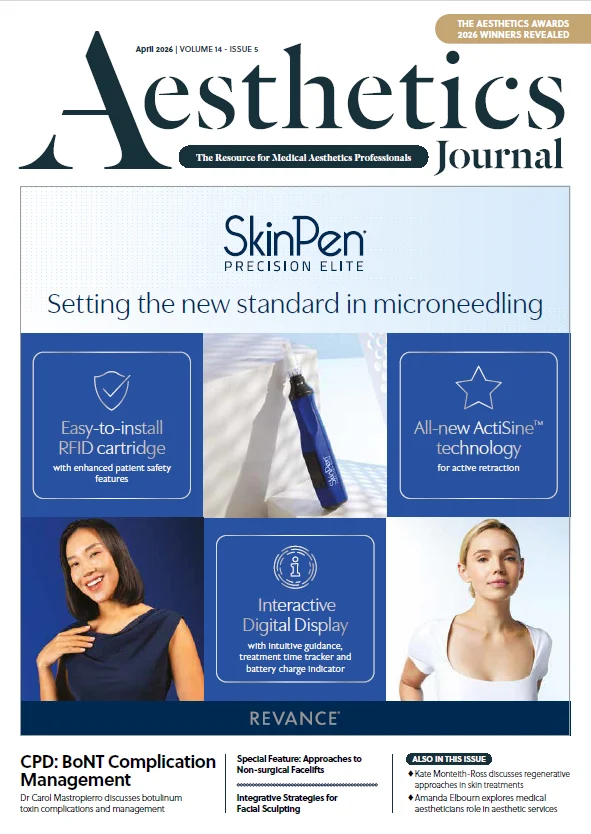
The medical aesthetics industry has undergone a radical transformation over the last decade, transitioning from a niche sector of elective cosmetic procedures into a multi-billion-dollar global powerhouse defined by clinical rigor and technological innovation. Central to this evolution is the role of specialized information hubs like the Aesthetics Journal, which serves as a primary conduit for professional development, regulatory updates, and clinical excellence. As the industry faces increasing scrutiny and a drive toward mandatory licensing, the necessity for a centralized, multi-platform approach to professional education—encompassing news, webinars, podcasts, and peer-reviewed reports—has never been more critical for practitioners navigating a complex landscape of patient safety and business growth.
The Strategic Importance of Integrated Professional Media
The contemporary aesthetics professional no longer relies solely on traditional textbooks or annual conferences to maintain their clinical edge. The rapid pace of pharmacological advancements and the introduction of sophisticated energy-based devices require a continuous stream of high-fidelity information. Platforms managed by entities such as Easyfairs have recognized this shift, integrating live events with digital media to create a 365-day-a-year educational ecosystem.
By offering a diverse range of media, including the Aesthetics Journal, webinars, and podcasts, these organizations provide a "just-in-time" learning model. This model is essential for medical practitioners—including doctors, dentists, and nurses—who must balance demanding clinical schedules with the need to stay abreast of the latest safety protocols and aesthetic techniques. The integration of social media channels like Instagram and LinkedIn further ensures that critical news, such as product recalls or regulatory changes, reaches the community in real-time, bridging the gap between academic research and daily practice.
Chronology of the Aesthetics Media and Event Landscape
To understand the current state of the industry, one must look at the timeline of professionalization within the UK and international markets. For years, the aesthetics sector operated in a regulatory "grey area," but a series of pivotal events shifted the trajectory toward the highly structured environment seen today.
- 2013 – The Keogh Review: Following the PIP breast implant scandal, Sir Bruce Keogh’s review highlighted the lack of regulation in the non-surgical sector, calling for better training and a registry of practitioners. This served as a catalyst for professional journals to prioritize clinical standards over purely commercial interests.
- 2016 – The Launch of the JCCP: The formation of the Joint Council for Cosmetic Practitioners (JCCP) provided a voluntary regulatory framework. Media outlets became the primary vehicles for disseminating these new standards to the wider workforce.
- 2019 – The Acquisition and Expansion Phase: Major event organizers, including Easyfairs, solidified their positions by acquiring or expanding portfolios that combined trade shows with professional publications. This period saw the strengthening of events like ACE (Aesthetics Conference & Exhibition) and CCR (Clinical, Cosmetic & Reconstructive), which became the physical manifestations of the content found in the Aesthetics Journal.
- 2020-2021 – The Digital Pivot: The global pandemic forced a total reliance on digital communication. Webinars and podcasts transitioned from optional supplements to essential services, a trend that has persisted due to their accessibility and efficiency.
- 2022-2024 – Legislative Advancements: The introduction of the Health and Care Act 2022 in the UK, which gave the Secretary of State the power to introduce a licensing scheme for non-surgical cosmetic procedures, marked the most significant regulatory milestone to date. Professional media has since focused heavily on preparing the community for these impending legal requirements.
Supporting Data: The Economic and Educational Scale
The demand for high-quality professional information is driven by the sheer scale and growth of the aesthetics market. According to recent market analysis, the global medical aesthetics market was valued at approximately $15.4 billion in 2023 and is projected to grow at a compound annual growth rate (CAGR) of 11% through 2030. In the United Kingdom alone, the "tweakment" industry is estimated to be worth over £3.6 billion.
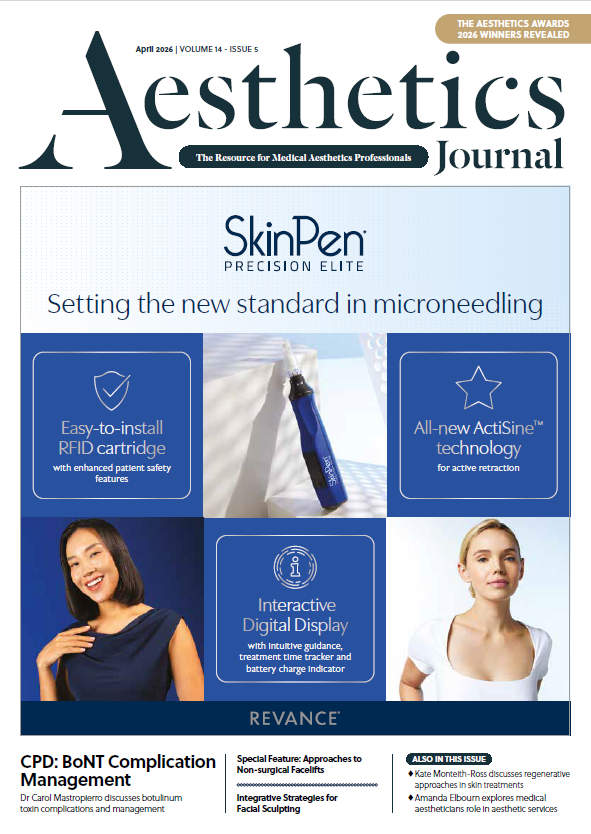
Data from professional registries indicates that the number of healthcare professionals entering the aesthetics space has increased by nearly 30% over the last five years. This influx of new practitioners creates a massive demand for foundational and advanced education. Statistics from digital engagement reports show that:
- Webinar Attendance: Participation in clinical webinars has risen by 45% since 2021, with practitioners citing "convenience" and "access to international experts" as primary drivers.
- Podcast Consumption: Audio-based learning has seen a 60% increase in the medical sector, as clinicians utilize commute times to stay updated on industry trends and business management strategies.
- Journal Readership: Peer-reviewed clinical papers remain the gold standard for evidence-based practice, with high-impact journals seeing increased citations in regulatory and safety discussions.
Official Responses and Industry Sentiment
The shift toward a more integrated information model has been met with broad support from industry bodies and professional associations. Leading organizations such as the British College of Aesthetic Medicine (BCAM) and the British Association of Cosmetic Nurses (BACN) have frequently emphasized the importance of high-quality, independent media in fostering a culture of safety.
In various industry forums, representatives from these associations have noted that the proliferation of misinformation on unregulated social media platforms makes the role of established publications like the Aesthetics Journal even more vital. "In an era of ‘influencer-led’ aesthetics, practitioners need a source of truth that is rooted in clinical evidence and ethical practice," stated one prominent industry advocate during a recent CCR keynote.
Furthermore, Easyfairs, as the organizing body behind many of these initiatives, has reiterated its commitment to professional standards. By providing a platform that hosts both the commercial and educational arms of the industry, they aim to create a transparent environment where practitioners can evaluate new technologies while receiving the clinical training necessary to use them safely.
Analysis of Implications: Professionalization and Patient Safety
The enrichment of the media landscape within aesthetics has several profound implications for the future of the specialty.
1. The Death of the "Weekend Course" Mentality
Historically, the industry was plagued by the perception that non-surgical procedures could be mastered in a single afternoon. The depth of content now provided through journals and comprehensive webinar series has helped debunk this myth. By exposing practitioners to the complexities of anatomy, complications management, and psychological screening, professional media is raising the barrier to entry, which inherently improves patient safety.

2. Standardization of Care
As information becomes more centralized and accessible, a "standard of care" begins to emerge. When a leading journal publishes a consensus statement on the management of vascular occlusions, that information becomes the benchmark. Practitioners who deviate from these published best practices without clinical justification find themselves at greater professional and legal risk.
3. Business Resilience in a Volatile Economy
The inclusion of business reports and interviews with industry leaders helps clinic owners navigate economic fluctuations. The aesthetics market is sensitive to consumer discretionary spending; therefore, insights into marketing ethics, patient retention, and financial management provided by professional platforms are as crucial as clinical training for the long-term viability of practices.
4. Preparing for Mandatory Licensing
The most pressing issue for the UK aesthetics community is the upcoming licensing scheme. The role of the media here is one of translation—taking complex government white papers and legislative jargon and turning them into actionable checklists for practitioners. Without this intermediary, the risk of non-compliance across the thousands of small clinics in the UK would be significantly higher.
Future Outlook: The Role of Technology and Community
Looking ahead, the aesthetics community is likely to see further technological integration. Augmented Reality (AR) for anatomy training and Artificial Intelligence (AI) for skin analysis are already being featured in webinars and reports. The Aesthetics Journal and its contemporaries will play a critical role in vetting these technologies, providing the critical analysis needed to separate genuine clinical breakthroughs from marketing hype.
The community aspect, fostered through social media links and live events, remains the bedrock of the industry. The ability for a practitioner in a rural clinic to connect with a world-renowned surgeon via a live Q&A session or a LinkedIn discussion group democratizes knowledge in a way that was previously impossible.
In conclusion, the multifaceted approach to information delivery—spearheaded by platforms like the Aesthetics Journal and supported by the logistical expertise of Easyfairs—is not merely a convenience; it is a fundamental component of the industry’s infrastructure. As the medical aesthetics sector continues to mature, the reliance on factual, objective, and timely information will only grow, ensuring that the primary goal of the profession remains the safe and effective treatment of patients. The transition from a fragmented collection of practitioners to a cohesive, informed, and regulated medical specialty is well underway, guided by the robust media and educational frameworks currently in place.
