
Polycystic Ovary Syndrome (PCOS) remains one of the most prevalent endocrine disorders among women of reproductive age, affecting approximately 8% to 13% of the global female population. Characterized by a complex interplay of hormonal imbalances, metabolic disturbances, and reproductive challenges, the condition is the leading cause of anovulatory infertility worldwide. Clinical data suggests that while the diagnosis can be psychologically devastating for patients, as seen in documented cases dating back to 2010, the integration of targeted dietary strategies and supplemental support has emerged as a cornerstone of modern fertility management. Medical professionals increasingly emphasize that managing the underlying symptoms of PCOS—specifically insulin resistance and androgen excess—can significantly improve the chances of natural conception and healthy pregnancy outcomes.
Understanding the Clinical Framework of PCOS and Infertility
The journey toward a PCOS diagnosis often follows a protracted timeline of symptomatic uncertainty. For many patients, the realization that "something is wrong" occurs years before a formal clinical assessment. A typical chronology involves irregular menstrual cycles, adult acne, or unexplained weight gain during the late teens or early twenties, often culminating in a diagnosis only when the patient experiences difficulty conceiving. In a notable case study from 2010, a patient reported that while the diagnosis was devastating, a disciplined nine-month protocol of lifestyle adjustments led to a successful pregnancy, highlighting the efficacy of non-pharmacological interventions.

PCOS is not a singular disease but a syndrome defined by the Rotterdam criteria, which requires at least two of the following: oligo-ovulation or anovulation, clinical or biochemical signs of hyperandrogenism, and the presence of polycystic ovaries via ultrasound. The primary physiological driver in the majority of cases is insulin resistance. When the body’s cells become less responsive to insulin, the pancreas compensates by producing higher levels of the hormone. This hyperinsulinemia triggers the ovaries to produce excess testosterone, which inhibits the maturation of follicles and prevents regular ovulation.
The Impact of Nutritional Intervention on Insulin and Testosterone
Dietary management is now recognized by reproductive endocrinologists as a first-line therapy for PCOS-related infertility. The relationship between food intake and hormonal output is direct; every meal consumed has the potential to either stabilize or disrupt the endocrine system. The primary objective of a PCOS-specific diet is the management of blood glucose levels to reduce the insulin load.
Clinical research supports the use of Low Glycemic Index (GI) carbohydrates combined with high-quality proteins. This "balancing" technique prevents the rapid glucose spikes that necessitate large insulin releases. By maintaining lower, more stable insulin levels, the stimulus for ovarian testosterone production is reduced. Data indicates that patients who adhere to a low-GI, anti-inflammatory diet experience a significant reduction in serum androgen levels within three to six months. This hormonal shift often results in the resumption of regular ovulation, thereby increasing the "window of opportunity" for conception.

The Role of Estrogen and Environmental Endocrine Disruptors
Beyond the insulin-testosterone axis, the role of estrogen dominance is a critical factor in PCOS fertility plans. Many women with the syndrome suffer from an imbalance where estrogen levels are disproportionately high relative to progesterone. This is often exacerbated by "xenoestrogens"—synthetic compounds found in plastics, cosmetics, and industrial chemicals that mimic natural estrogen in the body.
Furthermore, dietary sources of estrogen are under increasing scrutiny. Phytoestrogens, particularly those found in soy products, remain a point of clinical controversy. The "lock and key" theory suggests that phytoestrogens bind to estrogen receptors; depending on the individual’s hormonal profile, this can either block the body’s more potent natural estrogens or contribute to an overall estrogenic load. Some research indicates that high soy intake can delay ovulation in sensitive individuals, leading many fertility specialists to recommend a reduction in soy consumption for patients actively trying to conceive.
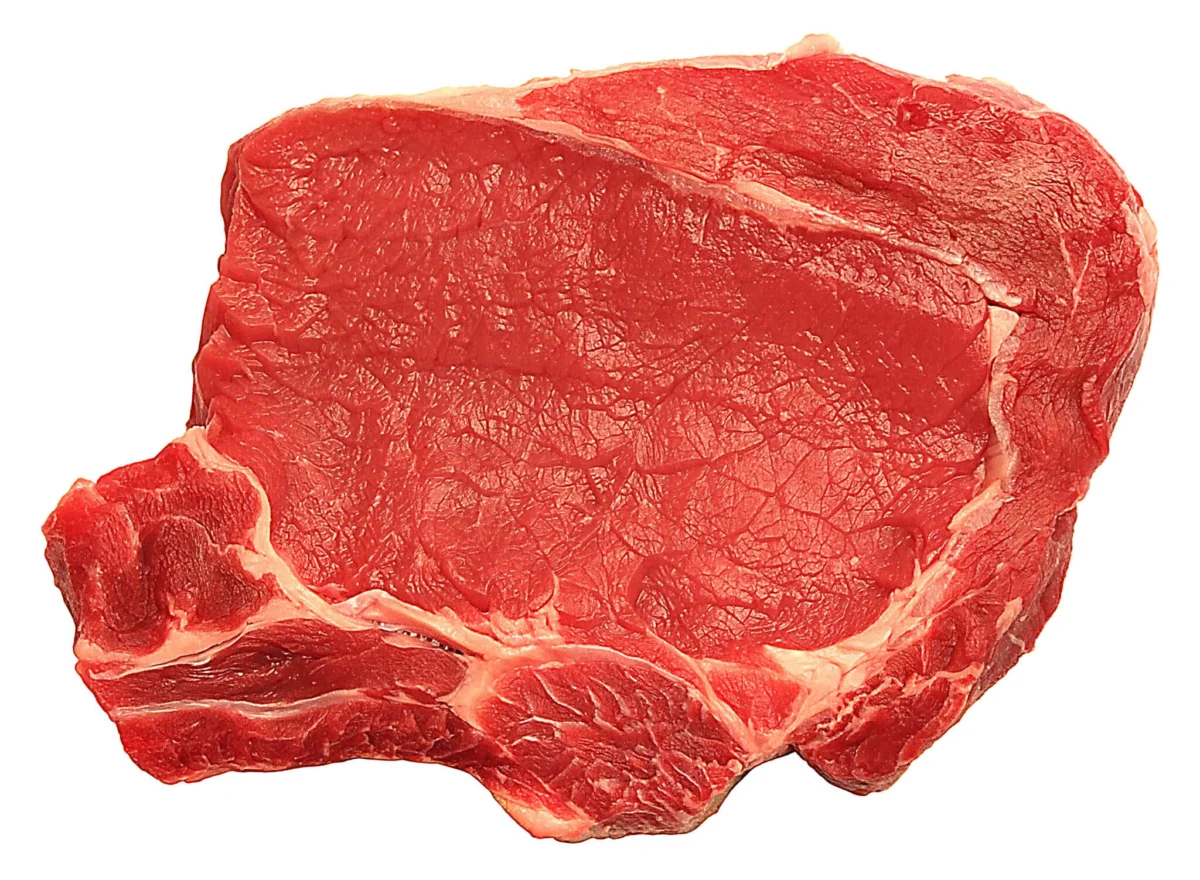
Animal products also contribute to the hormonal landscape. Conventional livestock farming often utilizes growth hormones to increase yield. When these products are ingested, they can introduce exogenous hormones into an already disordered human endocrine system. Consequently, there is a growing trend toward the consumption of organic, pasture-fed meats. While the economic cost of organic produce is higher, the clinical benefit lies in the reduction of synthetic hormone and antibiotic exposure, which supports a more stable internal environment for reproductive health.
Weight Management as a Catalyst for Reproductive Success
One of the most challenging aspects of PCOS is the propensity for weight gain and the extreme difficulty of weight loss due to metabolic dysfunction. However, the correlation between body mass index (BMI) and fertility is well-documented. Clinical studies have consistently shown that losing as little as 5% to 10% of total body weight can lead to a spontaneous resumption of ovulation.
This weight loss serves multiple functions: it improves insulin sensitivity, reduces the peripheral conversion of androgens to estrogens in adipose tissue, and lowers systemic inflammation. For a woman weighing 200 pounds, a loss of just 10 to 20 pounds can be the "tipping point" that restores the hypothalamic-pituitary-ovarian axis to normal function. Despite the difficulty, medical consensus identifies this modest weight reduction as one of the most effective ways to improve pregnancy chances without the immediate need for ovulation-inducing drugs like Clomiphene or Letrozole.
Evidence-Based Supplementation for Fertility Enhancement
In conjunction with diet, targeted supplementation addresses common micronutrient deficiencies found in the PCOS population. These supplements are not mere vitamins but act as metabolic modulators.
- Chromium Picolinate: Many PCOS patients exhibit a deficiency in chromium, a trace mineral essential for glucose metabolism. Supplementing with chromium has been shown to enhance the action of insulin, thereby lowering the circulating levels of insulin and testosterone.
- Vitamin D and Calcium: Research indicates that up to 85% of women with PCOS have a Vitamin D deficiency. This deficiency is linked to poor follicle maturation and insulin resistance. Clinical trials have demonstrated that Vitamin D and calcium supplementation can help regulate the menstrual cycle and improve the number of mature follicles during a cycle.
- Vitamin B Complex and Folic Acid: Vitamin B6 is vital for progesterone balance and blood sugar regulation. More critically, Vitamin B9 (Folic Acid or Folate) is mandatory for the prevention of neural tube defects. For women with PCOS, who may have higher homocysteine levels, a robust B-complex ensures better egg quality and a healthier uterine environment.
- Omega-3 Fatty Acids: Found in fish oil, Omega-3s are potent anti-inflammatories. They have been shown to lower testosterone levels and improve the lipid profile of women with PCOS. By reducing inflammation, Omega-3s support better blood flow to the pelvic organs.
Chronology of Treatment and Broader Implications
The timeline for seeing results from these interventions typically spans three to twelve months. Medical professionals suggest a "preconception priming" period of at least 90 days, as this is the duration required for an egg to mature before ovulation. During this time, the cumulative effects of diet, weight loss, and supplements create an optimal environment for the "miracle" of conception.
The broader implications of these findings are significant for public health. PCOS is not merely a fertility issue; it is a precursor to Type 2 diabetes, cardiovascular disease, and endometrial cancer. By managing the syndrome through nutritional intervention during the reproductive years, women are not only increasing their chances of pregnancy but are also mitigating long-term chronic disease risks.
Analysis of the Integrated Approach
The shift toward integrated management—combining traditional medicine with nutritional science—represents a more holistic understanding of female reproductive health. While pharmaceutical interventions like Metformin are often used to treat insulin resistance in PCOS, the addition of lifestyle changes provides a synergistic effect that drugs alone cannot achieve.
Experts in the field emphasize that the feeling of being "out of control" regarding one’s hormones can be mitigated through education and actionable dietary plans. The psychological benefit of taking an active role in one’s health is an undervalued component of fertility treatment. As research continues to evolve, the consensus remains clear: a proactive, nutrition-based approach to PCOS is not just a supplementary option but a fundamental requirement for improving fertility and ensuring the health of the next generation.
Patients are advised to consult with healthcare providers before beginning any new supplement regimen, particularly those involving chromium or insulin-sensitizing agents, to avoid hypoglycemia. However, the move toward "food as medicine" continues to gain traction as a validated, evidence-based strategy for overcoming the reproductive hurdles of Polycystic Ovary Syndrome.
