

The global demand for protein is undergoing a profound transformation, shifting from a mere focus on volume to an increasing emphasis on superior performance. Consumers are actively seeking ingredients that offer sustained amino acid release, transparent and clean sourcing, and precise functional properties tailored to specific applications. This evolving market landscape presents a challenge for the traditional dairy and food supply chain, which, according to German food tech startup Formo, is not adequately equipped to meet these advanced requirements.
Formo is addressing this gap by employing precision fermentation, a cutting-edge technology that enables the production of recombinant casein protein without the involvement of animals. In a pivotal development, the company successfully obtained self-affirmed Generally Recognized as Safe (GRAS) status for its precision-fermented casein protein in the United States in December of the previous year. This significant milestone empowers Formo to legally market and sell its animal-free dairy protein to food manufacturers across the US. The company has since formally notified the U.S. Food and Drug Administration (FDA) of its GRAS determination and anticipates receiving a "no questions" letter from the regulatory body later this year, further solidifying its market entry.
Raffael Wohlgensinger, co-founder and CEO of Formo, articulated the company’s vision, stating, "We are not saying precision fermentation replaces dairy farming. We are saying it adds a new capability to the protein supply layer that lets the food industry meet the performance era of demand without those structural constraints." He further emphasized the collaborative future of protein innovation: "The future is not dairy versus fermentation – it is dairy plus fermentation, with each playing the role the market is asking it to play."
The Strategic Focus on Alpha-S1 Casein
Precision fermentation is a sophisticated biotechnological process that involves the insertion of specific genetic material into microorganisms. These engineered microbes are then cultured, enabling them to produce targeted molecules when fermented. This technology can be harnessed to generate a wide array of compounds, including proteins, fats, vitamins, and pigments.
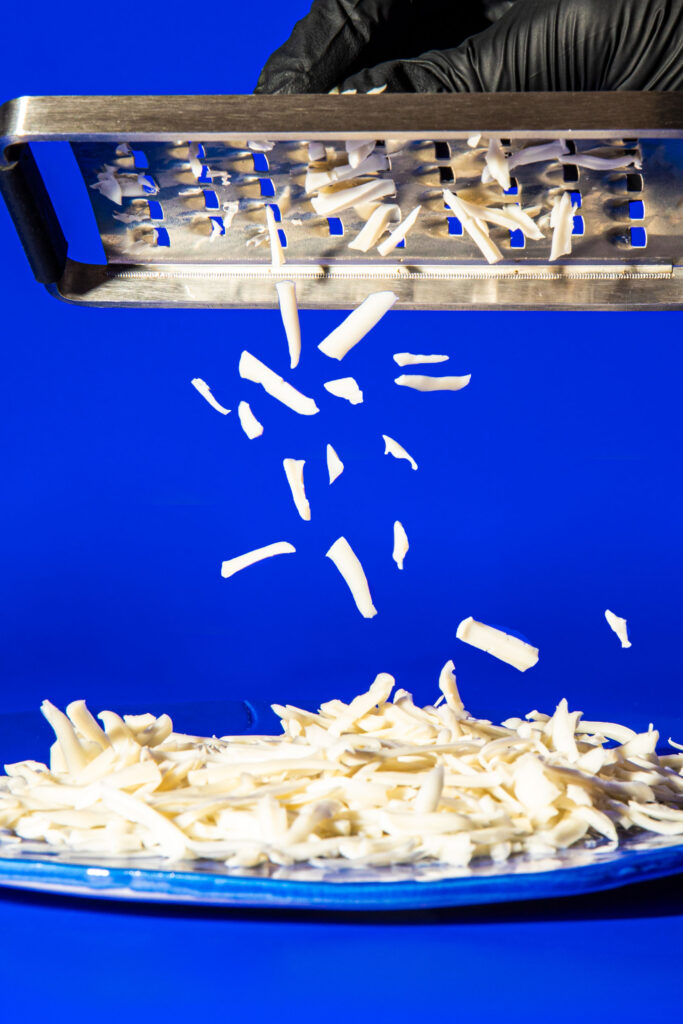
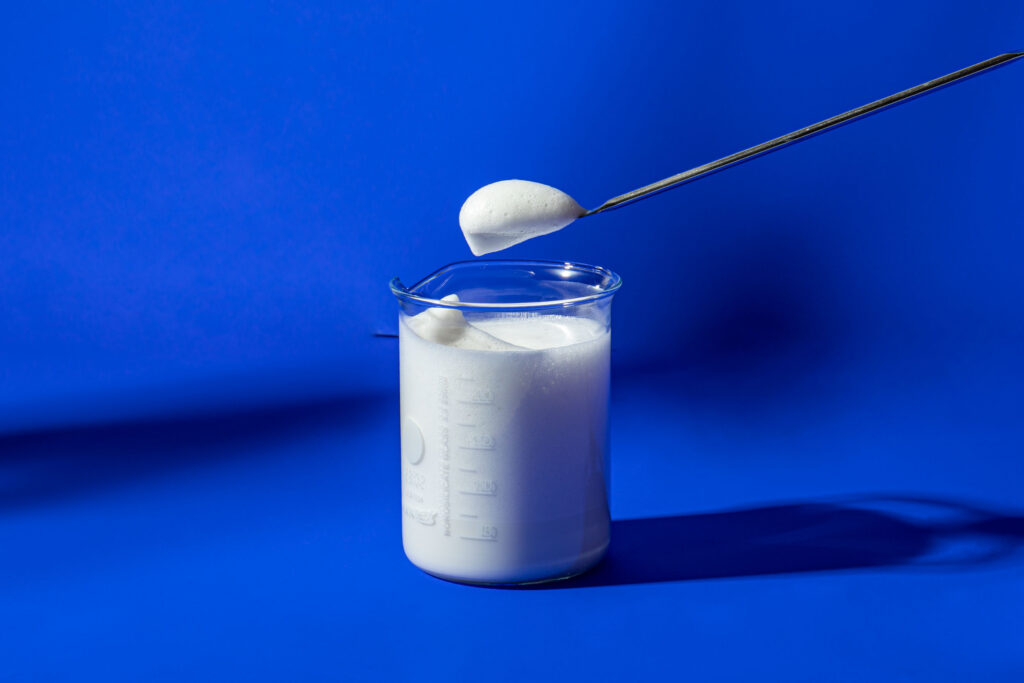
Formo’s strategic decision to focus on casein, which constitutes approximately 80% of the protein content in dairy, is rooted in its crucial functional properties. Casein proteins are instrumental in providing essential functionalities such as emulsification, gelation, thickening, and foaming. These attributes are vital for achieving desirable textures and melt-and-stretch characteristics in products like cheese.
"In conventional dairy, all four caseins act together; they assemble into micelles and contribute jointly to the functional properties dairy delivers in food and nutrition applications," explained Wohlgensinger. "What’s powerful about precision fermentation is that it lets us produce pure casein fractions with defined, characterized application properties, something the conventional dairy supply chain cannot do. That opens up an entirely new design space for formulators."
The company’s initial focus is on alpha-S1 casein (αS1-casein), the most abundant protein fraction in cow’s milk, accounting for roughly 40% of the total casein content. Wohlgensinger highlighted its importance: "It carries strong functional relevance across the applications we are going after." He also indicated a broader vision for the company’s platform: "The other casein fractions are equally interesting in their own right, and our work on αS1 is the entry point into a broader platform of recombinant casein variants engineered for specific application demands."

Formo employs a food-grade E. coli strain, a well-established industrial production host, to express the αS1-casein. The production process involves cultivating this strain in stirred-tank bioreactors under precisely controlled fermentation conditions. The recombinant casein is then released and purified through standard downstream processing techniques, including cell lysis, separation, and purification. "The microorganism is fully removed during purification; the final ingredient is a single, well-characterized αS1-casein protein fraction with no living cells," Wohlgensinger clarified.
Preliminary characterization data indicates that Formo’s precision-fermented protein exhibits superior functionality across a diverse range of dairy applications. Furthermore, it possesses a complete essential amino acid profile and demonstrates advanced digestibility kinetics, aligning with the growing consumer demand for optimized nutritional benefits.
Precision Fermentation: Addressing Specification, Resilience, and Resource Intensity
Wohlgensinger identified three primary structural pressures reshaping the protein market. The first is specification. This encompasses demands for sustained amino acid release, clean and traceable sourcing, lactose- and hormone-free proteins, allergen control, and precise functional attributes. "The fastest-growing categories in food and nutrition today – GLP-1 and metabolic health products, performance nutrition, satiety formats, high-protein everyday products – are built on protein specifications that conventional dairy was never engineered to deliver," he asserted. He further elaborated that conventional dairy provides a mixed-composition raw material that is subject to variability influenced by herd genetics, seasonality, feed, and processing methods. This inherent variability means it was not designed to meet the exacting specifications of next-generation food and nutrition products, a necessity that has only emerged in recent history.
The second critical driver is resilience. The dairy supply chain is increasingly vulnerable to a confluence of risks, including climate and disease shocks, such as the ongoing H5N1 outbreak impacting dairy herds in the US. Geopolitical uncertainties and disruptions in feed markets also pose significant threats to supply stability. The current whey protein shortage in the US serves as a stark illustration of these vulnerabilities, with contracts extending into 2026 and pushing manufacturers to seek alternatives. Wohlgensinger underscored the current reality: "These are operational realities now, not edge cases."

Finally, resource intensity presents a substantial challenge. The production of dairy at the scale required to meet the demands of advanced food and nutrition products would necessitate vastly increased inputs of land, water, and feed. "That math becomes structurally impossible at the scale modern food systems are heading toward," he warned.
Precision fermentation, according to Wohlgensinger, offers a comprehensive solution to these three pressures. It delivers a single, precisely characterized protein fraction with consistent composition batch after batch, offering full specification control and traceability. Crucially, it is decoupled from biological variability and supply shocks, operating as an industrial process rather than an agricultural one. Moreover, its resource footprint scales fundamentally differently and more sustainably than livestock systems.
Formo Engages US Customers with Animal-Free Casein for Diverse Applications
Formo is positioning its recombinant αS1-casein as a premium ingredient for formulators seeking "functional precision, clean specification, and consistent performance" in next-generation dairy and nutrition products. This versatile ingredient is poised to serve multiple product verticals.
In the performance and active nutrition sector, the protein is well-suited for high-protein formats, recovery and satiety products, protein-fortified beverages, and applications targeting GLP-1 and metabolic health. These are market segments where conventional dairy casein often encounters structural limitations, and where precise amino acid profiles and consistent performance are paramount.

Beyond performance nutrition, Formo’s casein can form the foundation for future-forward dairy products. This includes advanced cheese alternatives, high-foamability barista milks, and entirely new product categories that are currently inaccessible with conventional dairy proteins. Formo’s αS1-casein can be incorporated at concentrations of up to 25 grams per 100 grams in cheese alternative formulations.
The company’s long-term strategy involves developing a broader portfolio of recombinant casein ingredients. This platform will encompass purified, characterized fractions and engineered variants specifically designed to meet the nuanced demands of various applications. "This is the platform direction our R&D pipeline is moving towards," stated Wohlgensinger. He articulated the company’s overarching ambition: "Today’s GRAS scope is the foothold. Our full vision is delivering the protein layer for the performance era of food." It is important to note that the current GRAS scope for Formo’s precision-fermented protein excludes applications in infant formula and products falling under the jurisdiction of the US Department of Agriculture.
To facilitate its market entry, Formo has established a US subsidiary and formed a strategic commercialization partnership with RxFood Ingredients. The company is actively engaged in sampling its ingredient with prospective food and nutrition companies. Formo plans its public commercial kick-off at IFT FIRST in Chicago, scheduled from July 13th to 16th. At this event, the company will showcase prototype applications across its priority categories. The initial commercial products featuring Formo’s casein are expected to launch according to each customer’s proprietary product development timelines.
Formo’s Strategic Approach: Value Beyond Price Parity
Formo leverages its in-house bioprocess development and pilot capabilities in Frankfurt, complemented by partnerships with qualified contract manufacturing organizations for commercial-scale fermentation. Wohlgensinger outlined the company’s philosophy for industrializing precision fermentation: "We have strong conviction in how specialty ingredient players in the precision fermentation industry can successfully industrialize and generate value: own the strain, the process, the application science, and the customer relationship; then partner for fermentation capacity until your own demand warrants vertically integrated build-out."
He confirmed that Formo’s current production capacity is sufficient to support its sampling activities and early commercial commitments in the US. The company has a clear scale-up pathway to meet anticipated demand growth, supported by its recent regulatory milestone and the forthcoming "no questions" letter. While declining to disclose specific volume numbers or contract manufacturing partners, Wohlgensinger emphasized the strategic importance of their approach.
Crucially, Formo is not aiming for price parity with commodity casein. "We are delivering a specialized protein ingredient where the value lies in functionality, consistency, and clean specification," Wohlgensinger asserted. He clarified that for the applications Formo targets, the relevant metric for formulators is not the price-per-kilogram compared to bulk dairy casein, but rather the "value-in-use" within a specific formulation. This includes factors such as foaming behavior, melt-and-stretch performance, protein purity, and batch-to-batch consistency. "That is the metric formulators actually optimize against, and it is the metric where Formo’s casein delivers," he added.
Regarding cost trajectory, Wohlgensinger noted that precision fermentation follows the established learning curve characteristic of all biomanufacturing platforms. Costs are projected to decrease significantly through strain optimization, process intensification, and scaling. "Formo’s cost path is on track to support the commercial commitments we are making to US customers in the coming months, with significant headroom as we scale," he concluded.
Well-Capitalized with Ample Runway for Future Growth
In 2024, Formo announced an R&D partnership with Dutch startup Those Vegan Cowboys, which also utilizes precision fermentation for casein production. This collaboration focused on casein optimization and industrialization, with the recent GRAS milestone being a direct outcome, as Formo’s GRAS notice was filed jointly with Those Vegan Cowboys.
"Going forward, Formo independently advances the technology through our own biotech platform, application science, and commercial pipeline – including continued development of more functional and customized casein variants designed for the performance demands of next-generation food and nutrition," Wohlgensinger stated. He confirmed that the US GRAS pathway is Formo’s primary focus due to regulatory clarity, strong customer demand, and the largest near-term commercial opportunity.
The timing of the FDA notification is particularly relevant given the ongoing discussions surrounding the self-affirmed GRAS pathway. US Health Secretary Robert F. Kennedy Jr. has expressed intentions to eliminate this pathway, and the FDA has proposed a rule to discontinue it. Additionally, New York legislators have recently voted in favor of a bill to close this regulatory "loophole" for products sold within the state.
"We are advancing regulatory work in additional priority markets," Wohlgensinger added. He highlighted that the scientific dossier supporting GRN 1312, encompassing composition, safety substantiation, production characterization, and intended use, serves as foundational work for filings in other jurisdictions. "The same body of work that satisfied the FDA process is the starting point for regulatory engagement globally."
Formo, having raised over €135 million to date, possesses a financial runway for "years to come" and is not currently seeking additional investment. Wohlgensinger elaborated on their capital strategy: "Additional capital at this stage doesn’t fund proof of concept. It accelerates infrastructure: production scale, market penetration, and the commercial buildout required for industry-wide adoption. That is a fundamentally different use of capital than what got us here." He indicated that if Formo were to seek further partners, their preference would be for collaborators who offer more than just financial investment, emphasizing the value of distribution reach, formulation expertise, or commercial networks within the food and nutrition sector. "Strategic value-add matters as much as financial capacity," he concluded.
Strategic Pivot: Concluding the Frischhain Brand to Focus on B2B Ingredients
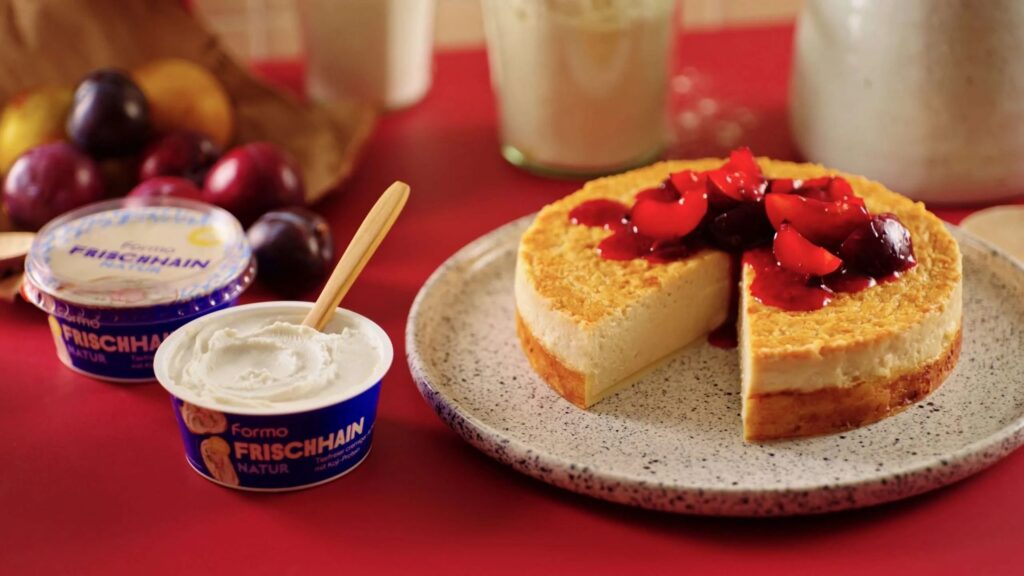
Last year, Formo launched Frischhain, a line of cream cheeses produced from fermented koji protein in Germany. This initiative utilized micro-fermentation, a distinct process from precision fermentation, and served as a strategic move to generate early revenue and market validation while Formo pursued regulatory approval for its casein ingredient. The Frischhain brand achieved notable success, selling over 300,000 units of its microbial cream cheeses across more than 3,500 Rewe and Billa stores, reaching over 125,000 consumers. While the brand also teased future products like fungi-derived scrambled eggs and baked goods, it has since been discontinued.
"Frischhain completed its run in 2025 after delivering exactly what we needed: proof that mainstream German retail consumers will choose fermentation-enabled dairy products at scale," revealed Wohlgensinger. He clarified the strategic rationale behind this decision: "With that validation in hand, we have concentrated Formo’s strategic focus on the recombinant casein platform to build the protein layer that scales across dairy and the broader food industry, rather than through a single consumer brand we operate ourselves." Formo’s future, he emphasized, lies in B2B specialty protein ingredients for high-value applications, with an initial focus on the dairy sector. "Frischhain served its strategic purpose. Our future is in B2B specialty protein ingredients for high-value applications, starting with dairy," he concluded.
